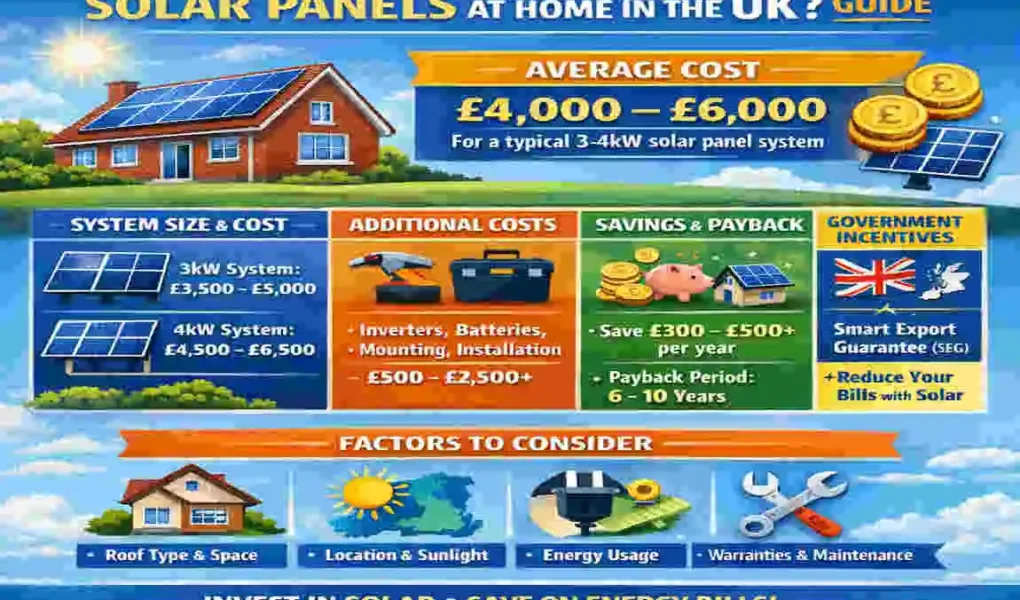
If you are wondering how much it costs to install solar panels at home in the UK, the short answer is that most homeowners pay somewhere between £5,000 and £9,000 for a standard setup. But the final price can go up or down depending on your roof, the number of panels, whether you add battery storage, and which installer you choose.
Solar panels have become more popular across the UK as energy bills have risen and many people seek a more stable way to power their homes. A good solar system can reduce your electricity use, make your home more energy-efficient, and help you save money over time.
Average Cost to Install Solar Panels at Home in the UK
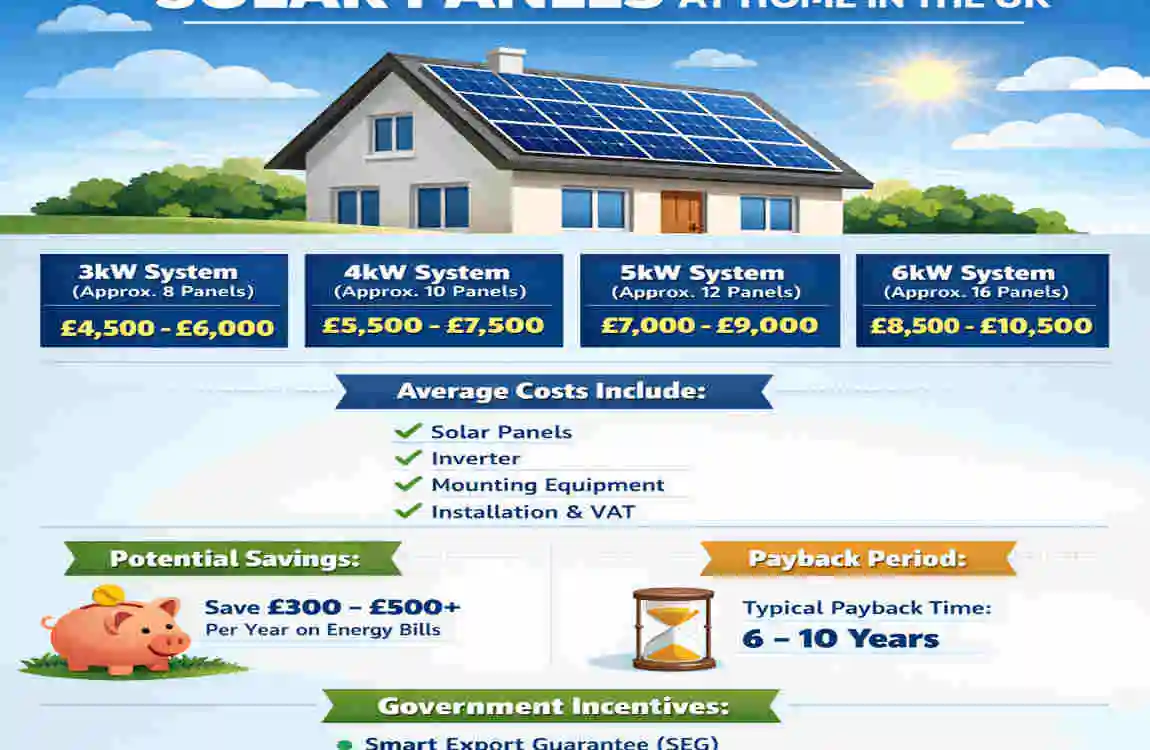
A typical home solar setup in the UK is not a one-price-fits-all job. The cost depends on the size of the system and the type of home you have. Smaller homes usually need fewer panels, while larger homes need more.
For many families, a 3kW to 5kW system is the most common choice. This size often gives a good balance between cost and energy savings.
Average Solar Panel Installation Costs
Solar System Size Number of Panels Average Installation Cost
2kW System 4–6 Panels £3,000–£4,500
3kW System 6–8 Panels £4,000–£6,000
4kW System 8–10 Panels £5,000–£7,500
5kW System 10–12 Panels £6,000–£9,000
6kW+ System 12+ Panels £8,000–£12,000+
These figures usually cover the main equipment and installation work. If your system is more complex, the price may go higher.
What Is Included in Solar Panel Installation Costs?
When you get a quote, the price usually covers more than just the panels themselves. A full installation often includes:
- Solar panels
- Inverter
- Mounting equipment
- Electrical wiring
- Labour costs
- Scaffolding
- Installation inspection
- Grid connection
This is why one quote may look cheaper at first but still end up costing more once extras are added. Always check what is included before you agree to anything.
Factors That Affect Solar Panel Installation Costs in the UK
The price of a solar installation can vary widely from one home to another. Two houses of the same size may still have very different costs because of the roof, the location, and the type of panels used.
Size of the Solar Panel System
The bigger the system, the more you pay upfront. That sounds simple, but it also means more power generation.
A larger home usually needs more panels because it uses more electricity. If your home has high energy use, you may need a bigger system to cover more of your daily demand.
That said, a larger setup can sometimes provide better long-term value because it may reduce your electricity bills more.
Type and Quality of Solar Panels
Not all panels are the same. The three main types are:
- Monocrystalline panels: Usually the most efficient and often the most expensive
- Polycrystalline panels: Usually cheaper, but a little less efficient
- Thin-film solar panels: Lighter and flexible, but generally less common for homes
If you want better performance and greater durability, you may pay more upfront. If your goal is to keep costs down, a simpler panel type may be enough.
Roof Condition and Design
Your roof has a big effect on installation price. A roof that is easy to work on will usually cost less than one that needs repairs or extra safety work.
Things that can affect the cost include:
- Roof size
- Roof angle
- Roof material
- Repairs required before installation
- Accessibility
For example, a steep roof or one that requires scaffolding for an extended period can increase labor costs. If your roof is damaged, that also adds to the final bill.
Location of Your Home
Solar prices can vary by region. Labor costs in cities are often higher than in smaller towns. Also, some areas of the UK get better sunlight than others, which can affect how much energy your system produces.
If demand for installers in your area increases, prices may rise. So where you live can affect both the quote and the system’s performance.
Solar Battery Storage Costs
Battery storage is optional, but many homeowners like it because it helps them use more of their own solar power.
Instead of sending all extra electricity back to the grid, you store it and use it later, often at night.
Approximate battery costs:
- Small batteries: £2,500–£4,000
- Larger systems: £5,000+
A battery adds to the upfront cost, but it can also increase energy independence and reduce your reliance on the grid.
Breakdown of Solar Panel Installation Costs
It helps to see where your money actually goes. A solar quote usually consists of a few main parts.
Solar Panels
This is the main part of the system. The cost per panel depends on size, quality, and efficiency.
More efficient panels usually cost more, but they can generate more electricity in the same amount of space. Many panels also come with long warranties, which can be a sign of better quality.
Solar Inverter
The inverter is one of the most important parts of the system. It converts the energy from the panels into electricity your home can use.
Without it, the solar power would not work properly in your house. If the inverter fails later, replacement costs can add extra expense.
Installation Labour
Professional installation is a major part of the total cost. Skilled installers need time to fit the panels safely, connect the system, and test everything properly.
Labor also includes safety work. Roof access, electrical work, and final checks all take time and experience.
Additional Equipment Costs
Some homes need extra items such as:
- Smart meters
- Monitoring systems
- Battery storage
- Electrical upgrades
These extras can improve how the system works, but they also increase the total cost. If your home has older wiring, you may need upgrades before installation.
Are Solar Panels Worth the Cost in the UK?
For many homeowners, the answer is yes. Solar panels can be a smart long-term choice, especially if you want to lower your energy bills and use cleaner power.
Reducing Electricity Bills
One of the biggest benefits is lower electricity use from the grid. During daylight hours, your panels can power your home directly.
That means you may buy less electricity from your supplier. Over time, this can create real savings.
Selling Excess Solar Energy
If your system produces more electricity than you use, you may be able to sell the extra power back to the grid through the Smart Export Guarantee (SEG).
This will not usually make you rich, but it can help offset your setup costs over time.
Increasing Home Value
Energy-efficient homes are often more attractive to buyers. Solar panels can make your property stand out because they suggest lower running costs.
That does not guarantee a significant price increase, but it can improve your home’s appeal.
Long-Term Savings
Solar panels usually last 25 to 30 years with proper care. That gives you a long time to benefit from lower bills.
The payback period depends on your system size, energy use, and electricity prices. For many homes, solar becomes a worthwhile investment in the long run.
Cost of Installing Solar Panels with Battery Storage in the UK
If you want to store extra power for later use, battery storage is worth considering. It does cost more, but it also gives you more control over your energy use.
Solar Panel and Battery Package Costs
System Type Estimated Cost
Solar Panels Only £5,000–£9,000
Solar Panels + Small Battery £8,000–£12,000
Solar Panels + Large Battery £12,000–£15,000+
Battery storage is a bigger upfront spend, but it can help you use more of your own solar energy at night or during cloudy periods.
Benefits of Adding Battery Storage
Battery storage offers a few simple advantages:
- Use stored energy at night
- Reduce electricity purchases
- Improve energy independence
If you want more control over your home power use, a battery can be a very useful upgrade.
Government Support and Incentives for Solar Panels in the UK
There is no large nationwide grant for every homeowner, but there is still some helpful financial support.
Smart Export Guarantee (SEG)
The SEG lets you earn money for extra electricity you send back to the grid. The exact payment depends on your energy supplier.
It is a useful way to make your system more cost-effective over time.
VAT Savings on Solar Installation
Some energy-saving home improvements qualify for reduced VAT. This can make solar installation a little more affordable.
Rules can change, so it is always good to check what applies to your project.
Local Solar Grants
Some councils or local energy programs may offer support. These are not available everywhere, so it depends on where you live.
If you are planning a solar project, it is worth checking local options before you book installation.
How Long Does Solar Panel Installation Take?
The installation process is usually not very long, but the full timeline can include several steps.
A typical project may involve:
- Initial survey
- System design
- Ordering equipment
- Installation day
- Electrical checks
For a simple setup, the actual installation often takes 1 to 3 days. Larger systems may take several days longer.
Maintenance Costs of Solar Panels in the UK
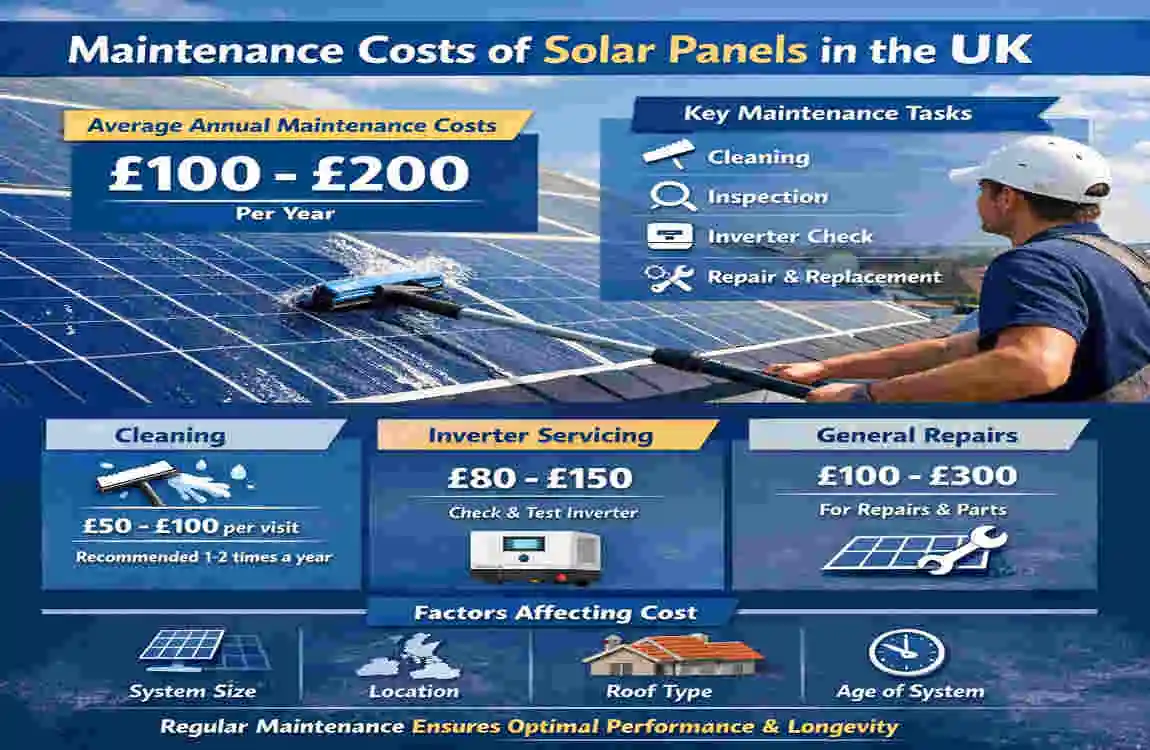
Solar panels are usually low-maintenance, which is one reason many homeowners like them.
Do Solar Panels Need Regular Maintenance?
Yes, but not a lot. Most systems only need occasional cleaning and simple monitoring.
You should also have annual checks to ensure everything is still working properly.
Solar Panel Repair Costs
Possible repair costs may include:
- Inverter replacement
- Damaged panels
- Wiring issues
Good panels often last more than 25 years, but the inverter may need to be replaced earlier. That is normal and should be planned for.
How to Reduce Solar Panel Installation Costs
You can save money if you plan carefully.
Here are some simple ways to reduce the cost:
- Compare multiple installation quotes
- Choose the correct system size
- Improve energy efficiency first
- Consider financing options
- Install during promotional periods
- Select trusted installers
A cheap system is not always the best value. Focus on a fair price, good equipment, and proper installation.
Common Mistakes to Avoid When Installing Solar Panels
It is easy to make costly mistakes if you rush the process.
Avoid these common problems:
- Choosing the cheapest installer only
- Installing too many or too few panels
- Ignoring roof condition
- Not checking warranties
- Forgetting battery storage requirements
Taking time to plan properly can save you a lot of money and stress later.
Step-by-Step Process of Installing Solar Panels at Home
If you want to know what happens from start to finish, here is the simple process.
Check Your Home’s Solar Potential
First, look at your roof direction, shade levels, and roof condition. South-facing roofs usually work well, but other directions can still be suitable.
Get Professional Quotes
Ask several installers for quotes. Compare the total price, equipment quality, warranty terms, and experience.
Choose Your Solar System
Decide how many panels you need, whether you want a battery, and how much electricity your home uses.
Installation and Testing
Installers mount the panels, connect the inverter, test the system, and register the installation if needed.
Once everything is checked, your system is ready to use.
Solar Panel Installation Cost Comparison: UK vs Other Renewable Options
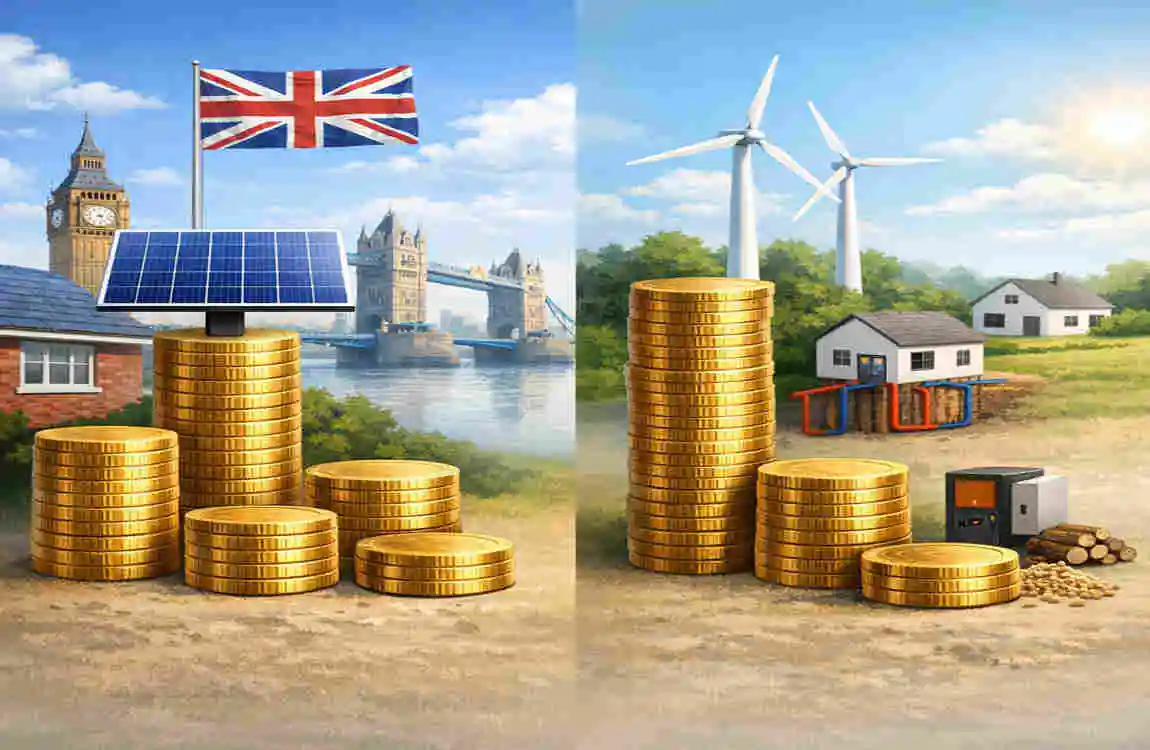
Solar is popular because it usually costs less than many other home energy upgrades.
Energy Option Average Cost
Solar Panels £5,000–£9,000
Heat Pump £7,000–£14,000
Home Battery Only £3,000–£10,000
Solar remains a strong choice because it can lower bills, work alongside battery storage, and improve home energy efficiency without major lifestyle changes.
Frequently Asked Questions
How much does it cost to install solar panels at home in the UK?
The average cost is usually between £5,000 and £9,000, depending on system size, equipment quality, and installation needs.
How many solar panels does a UK home need?
Most homes need around 6 to 12 panels, depending on energy use and roof space.
Do solar panels increase house value in the UK?
Yes, they can improve energy efficiency and make homes more appealing to buyers.
How long do solar panels last in the UK?
Most solar panels last 25 to 30 years with proper maintenance.
Can solar panels work during cloudy weather?
Yes. They still produce electricity on cloudy days, although output is lower.
| Topic | Details |
|---|---|
| Average Installation Cost | £5,000–£10,000 for a typical 3–5 kW residential solar panel system. |
| Cost Per kW | Around £1,500–£2,000 per kW, depending on the installer and equipment. |
| Typical System Size | 3–5 kW, suitable for most UK homes. |
| Number of Solar Panels | Usually 8–14 panels, depending on panel efficiency and roof size. |
| Installation Time | Generally 1–3 days for a standard home installation. |
| Annual Electricity Savings | Approximately £400–£900, depending on energy usage and location. |
| Payback Period | Around 8–12 years, depending on installation cost, electricity prices, and exported energy. |