If you are wondering whether a real estate agent can sell their own home, the short answer is yes; usually they can. In many places, a licensed agent may represent themselves when selling a property they own. That said, the exact rules can change based on local laws, brokerage policies, and disclosure requirements.
For many agents, selling their own home feels like a smart move. They already understand the market, know how buyers think, and can save time and money.
Can a Real Estate Agent Sell Their Own Home?
Yes, a real estate agent can generally sell their own home. In this case, the agent is acting as both the property owner and the real estate professional. That means they may not need to hire another agent, but they still must follow the rules that apply in their area.
The process is similar to selling any other home, but there is one big difference: the agent is personally involved in the sale. That can make pricing, negotiation, and paperwork more difficult because the seller may be more attached to the property.
Do Real Estate Agents Need Another Agent?
Usually, no. A real estate agent does not automatically need another agent just because they are selling their own home. They can often handle the listing, marketing, and negotiation themselves.
Still, some agents choose to hire another professional for support. This can be helpful if:
- they want an objective pricing opinion
- they do not have time to manage every detail
- they want help with paperwork or negotiations
- they prefer to avoid emotional decision-making
Can an Agent List Their Own Property?
In many markets, yes, an agent can list their own property. This is often called self-listing. However, brokerage rules and MLS policies may apply. Some brokerages require the agent to notify the broker or have the listing reviewed before it goes live.
So while the answer is usually yes, the agent should always check the local and professional rules first.
How Does Selling Your Own Home as an Agent Work?
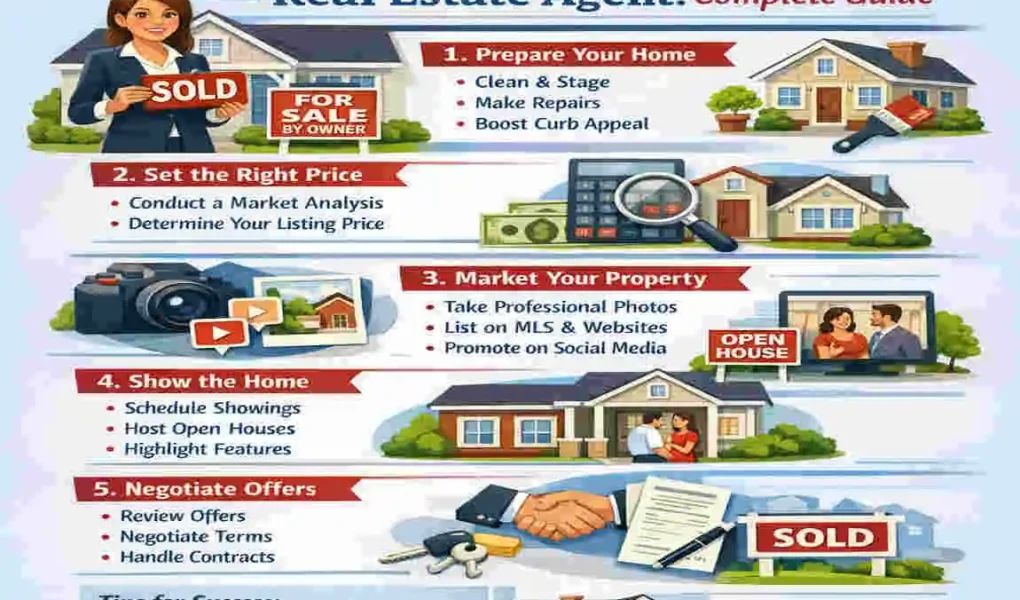
The process usually follows the same basic steps as any home sale, but the agent does more of the work themselves.
Step-by-Step Overview
- Determine the market value
- Review disclosure rules
- Prepare the home for sale
- Create the listing
- Market the property
- Handle inquiries and showings
- Negotiate offers
- Complete inspections and paperwork
- Move toward closing
Pricing Your Own Home
Pricing is one of the most important steps. Because the agent knows the home so well, it can be easy to overvalue it emotionally. A smart price should be based on:
- comparable sales nearby
- current market conditions
- recent upgrades or repairs
- buyer demand in the area
A common mistake is pricing too high because the owner feels the home is worth more than the market says. To avoid that, many agents get an independent valuation or compare several similar homes before setting the price.
Marketing the Property
A strong listing can make a big difference. Even if the agent is selling their own home, the property should still look professional and appealing.
Good marketing often includes:
- professional photos
- a clear and accurate listing description
- online exposure
- open houses
- social media posts
- networking with other agents
The goal is simple: make the home easy to notice and easy to understand.
Benefits of Selling Your Own Home as a Real Estate Agent
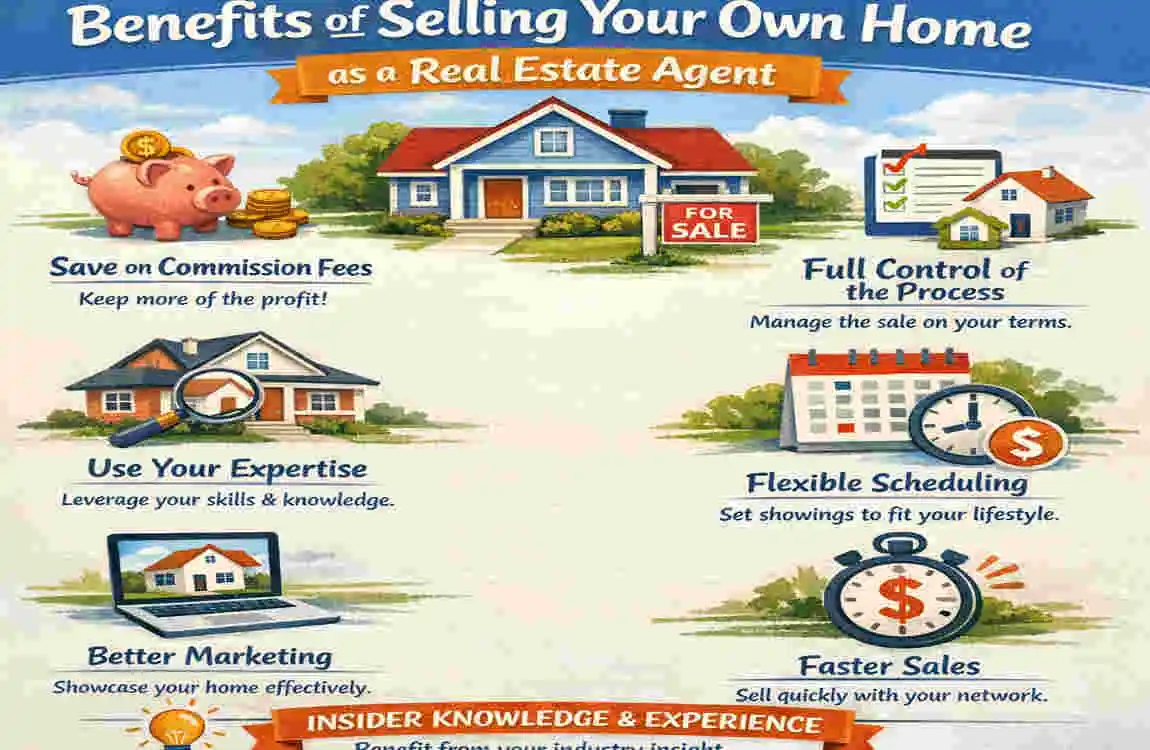
There are real advantages to handling the sale yourself.
Potentially Lower Commission Costs
One of the biggest benefits is cost savings. If the agent represents themselves, they may reduce or remove some listing-side commission expenses. That said, other costs may still apply, such as buyer-agent compensation, closing fees, title charges, and inspection-related costs.
Greater Control Over the Sale
When you sell your own home, you have more control over:
- pricing
- marketing
- showing times
- negotiation strategy
For some agents, that control is a major advantage because it lets them move at their own pace and make their own decisions.
Professional Market Knowledge
An agent already understands how the market works. That knowledge can help them:
- read comparable sales
- understand buyer behavior
- prepare contracts correctly
- follow market trends
This can make the sale smoother and more strategic.
Challenges of Selling Your Own Home
Even with experience, selling your own property is not always easy.
Emotional Attachment
This is one of the biggest challenges. A home is personal, so it can be hard to stay objective. You may remember what you paid, what you improved, and what the home means to you. Buyers, however, only care about value and condition.
Negotiating With Buyers
Negotiation becomes more difficult when it is your own property. It is easy to take low offers personally or feel frustrated by buyer requests. Good agents know how to separate emotion from business, but that is not always simple when the home is yours.
Managing the Transaction Yourself
Even experienced agents can feel the pressure of handling:
- documents
- inspections
- appraisals
- deadlines
- closing steps
The more tasks you manage yourself, the more organized you need to be.
Potential Conflict-of-Interest Issues
Because the agent is also the seller, transparency is important. In some places, the law or brokerage policy may require clear disclosure that the seller is a licensed agent. This helps avoid confusion and protects everyone involved.
Legal and Ethical Considerations
Selling your own home is not only about marketing and price. It also involves legal and ethical duties.
Required Disclosures
Most sellers must disclose known property issues. These may include defects, damage, or other material facts that could affect the buyer’s decision. An agent selling their own home should be careful not to hide anything important.
Disclosing That You Are a Licensed Agent
Depending on the jurisdiction, you may need to disclose that you are a licensed real estate agent. This helps keep the process transparent and avoids possible problems later.
Following Licensing and Brokerage Rules
Local laws, MLS rules, and brokerage policies may all matter. Because these rules vary, agents should verify the current requirements with their broker, local regulator, or a real estate attorney.
Should You Sell Your Own Home or Hire Another Agent?
Here is a simple comparison:
Factor Sell It Yourself as an Agent Hire Another Agent
Commission May reduce some costs Usually higher
Control High Shared
Market knowledge Strong Professional guidance
Emotional involvement Higher Lower
Negotiations Handle yourself Agent handles them
Time commitment Higher Lower
Convenience Moderate Higher
Step-by-Step Guide to Selling Your Own Home
If you decide to move forward, keep the process simple and organized.
Research the Local Market
Look at recent sales, active listings, and similar homes in your area. This gives you a realistic view of demand.
Set a Competitive Price
Try to stay objective. A fair price helps bring in buyers faster and reduces the risk of sitting on the market too long.
Prepare the Property
Focus on simple improvements like:
- cleaning
- decluttering
- minor repairs
- staging
- curb appeal
Create a Professional Listing
Use accurate details and strong photos. A clean, honest listing builds trust and attracts better buyers.
Market the Home
Use every allowed channel, including your MLS, online platforms, agent contacts, and open houses.
Review and Negotiate Offers
Pay attention not just to the price, but also to financing, contingencies, earnest money, and the closing date.
Complete Inspections and Closing
Stay on top of deadlines, appraisals, and final documents. A smooth closing depends on good organization.
Common Mistakes to Avoid
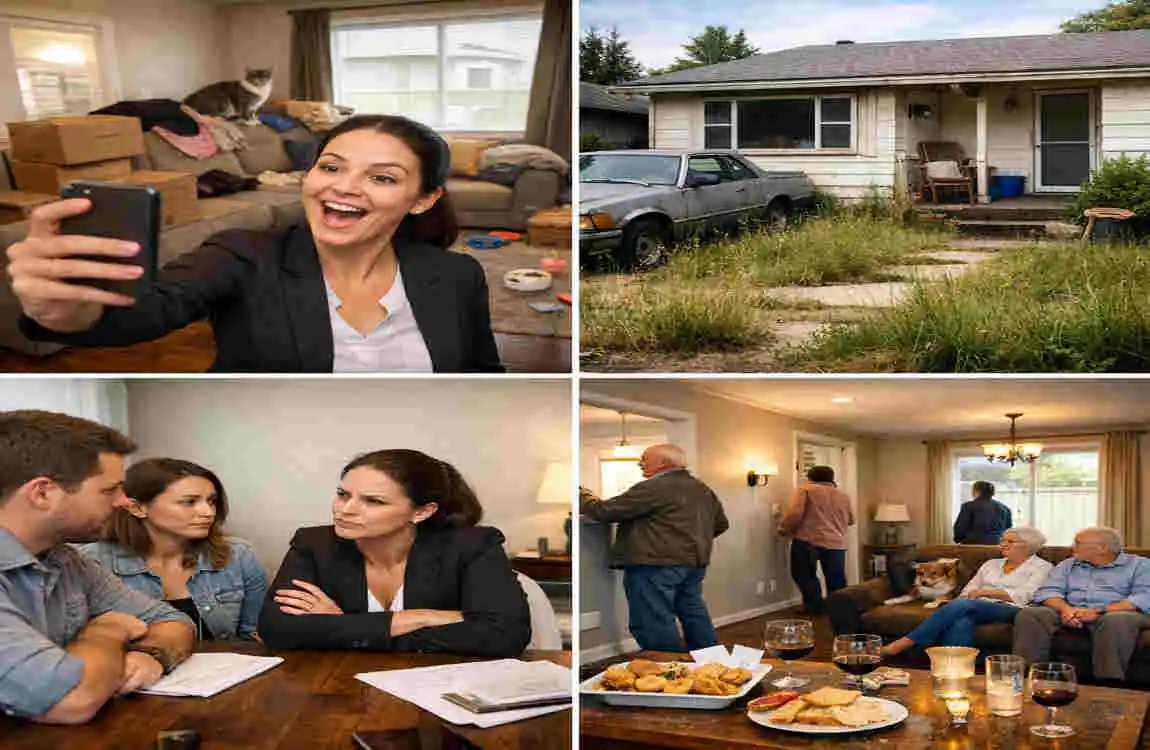
Many agents make the same mistakes when selling their own homes:
- pricing too emotionally
- ignoring buyer feedback
- failing to disclose known problems
- underestimating paperwork
- trying to do everything alone
- focusing only on commission savings
How to Make the Process Easier
A few smart habits can make a big difference:
- get an independent market opinion
- keep your documents organized
- use professional photography
- stay transparent about disclosures
- ask another professional to review key documents when needed
Frequently Asked Questions
Can a real estate agent sell their own home?
Yes. A licensed real estate agent can generally sell their own home, but they must follow local laws, disclosure rules, and brokerage requirements.
Do real estate agents pay commission when selling their own house?
They may reduce some costs, but other fees can still apply, including buyer-agent compensation and closing expenses.
Can a real estate agent list their own property?
Usually yes, although MLS and brokerage rules may apply.
Does a real estate agent have to disclose that they own the property?
In many areas, yes, some form of disclosure is required. The exact rule depends on local law.
Is it better for an agent to sell their own house?
It depends on the agent’s time, experience, emotional connection, and comfort with handling the entire process.
| Topic | Key Information |
|---|---|
| Can an Agent Sell Their Own Home? | Yes, a real estate agent can generally sell their own property, subject to local laws and brokerage rules. |
| Disclosure | The agent should clearly disclose that they are the property owner and a licensed real estate professional. |
| Pricing the Home | Use recent comparable sales, market conditions, and property features to establish a realistic asking price. |
| Marketing | The owner-agent can handle listing photos, online marketing, showings, open houses, and buyer inquiries. |
| Commission Savings | Selling the home personally may reduce or eliminate the listing-side commission, depending on the transaction structure. |
| Buyer Representation | A buyer may have their own agent, whose commission or compensation should be addressed in the transaction. |