
If you are getting ready to sell your home, you may be asking a very common question: does your house need to be clean for an appraisal? It is a fair question, especially if you are trying to balance daily life, busy schedules, and the pressure of getting your home ready for buyers and lenders.
A clean house does not, by itself, magically raise the appraised value. Still, a tidy and well-kept home can help the appraiser do their job properly, reduce red flags, and leave a better overall impression of the property’s condition.
That matters because an appraisal is not just about looks. It is about condition, safety, access, maintenance, and overall market value. If your home is cluttered, dirty, or has strong odours, it may not directly lower its value the way a damaged roof or broken plumbing would, but it can still create problems. The appraiser may not be able to properly inspect key areas, which can affect the final report.
What Is a Home Appraisal and Why Does Cleanliness Come Up?

A cleaning home appraisal is a professional opinion of your property’s value. It is usually done by a licensed appraiser who looks at the home and compares it with similar homes that have sold nearby. The goal is to estimate the house’s current market value.
This is especially important when a buyer is using a mortgage. The lender wants to know that the home is worth the amount being borrowed. If the appraisal comes in too low, the sale can become difficult. That is why sellers pay attention to every detail, even the smallest ones.
The appraisal process usually includes a few main steps:
- A look at the outside of the property
- A walk-through of the interior rooms
- A check of the home’s overall condition
- A comparison with recent nearby sales
- Notes on the home’s size, layout, upgrades, and function
Cleanliness enters the conversation because it affects how easily the appraiser can inspect the property and how the home feels overall. A house does not need to look like a showroom, but it should be orderly enough for the appraiser to move around safely and see the important features.
A clean home also gives the impression that the property has been cared for. That does not mean spotless floors are worth thousands of rupees more. It means a home that looks maintained may create fewer questions about hidden problems.
Why appraisers care about more than just appearance
A clean home can help show the condition of the house, but appraisers are not mainly judging your decorating style. They are looking for signs of:
- Maintenance
- Functionality
- Safety
- Damage
- Wear and tear
- Access to important areas
If the sink is leaking, the wall has moisture stains, or boxes block the electricity panel, those issues matter more than whether the sofa is perfectly arranged. Still, a clean space helps them see those issues clearly.
Common myths about appraisal cleanliness
Many homeowners misunderstand what an appraisal is really about. Let’s clear up a few myths.
A spotless house always gets a higher value
This is not true. A clean house does not automatically raise the appraised value. The main drivers are location, size, condition, improvements, and comparable sales.
Appraisers do not notice mess
They absolutely notice it. They may not care about every dusting detail, but clutter, stains, odors, and blocked spaces can affect the inspection.
Cleaning is a waste of time before an appraisal
This is also not true. Cleaning is not about pretending your home is perfect. It is about ensuring the appraiser can properly inspect it and see its true condition.
The best way to think about it is simple: cleanliness does not create value on its own, but it helps reveal value clearly.
The Real Impact of Cleanliness on Your Appraisal Value
Now let’s get to the heart of the question: does your house need to be clean for an appraisal in a way that affects value?
The answer is that cleanliness affects the appraisal indirectly. It does not usually change the price the same way a new kitchen, an extra bathroom, or a stronger structure would. But it can still influence how the home is assessed, especially if the mess hides problems or suggests poor upkeep.
A clean house gives the appraiser a better view of the property. It shows the rooms, floors, walls, ceilings, fixtures, and systems without distractions. That helps the appraiser assess the home’s true condition.
How a messy house can lower your score
A messy home does not always lead to a lower appraisal. Still, it can create conditions that make the appraisal less favorable.
It can hide damage
If a room is full of boxes, clothes, or furniture piles, the appraiser may not be able to see:
- Cracks in walls
- Water stains
- Mold spots
- Broken tiles
- Damaged flooring
- Pest problems
If those problems exist and are hidden, they may be discovered later. If the appraiser cannot confirm the room’s condition, it can create uncertainty.
It can limit access
Appraisers need to move through the home and inspect important areas. Too much clutter can block:
- Stairways
- Closets
- Water heaters
- Electrical panels
- Under-sink plumbing
- Windows
- Storage rooms
If the appraiser cannot access a space, they may note it in the report. That can create delays or lower confidence in the home’s condition.
It can suggest poor maintenance
A messy house does not always mean a badly maintained house, but it can create that impression. If dirt, stains, or odours are present, the appraiser may wonder whether there are deeper issues, such as leaks, pests, or neglected repairs.
It can affect safety
This is a big one. If there are items on stairs, loose rugs, blocked hallways, or slippery floors, the appraiser may face a safety risk. Safety concerns can be included in the report.
It can make the home feel smaller
A crowded room often feels smaller than it really is. While the appraiser will measure the space, a cluttered house can still make the layout feel less functional.
Benefits of a clean house for home appraisal
Now let’s look at the other side. A clean home can help the process in several very practical ways.
It improves first impressions
The first few moments matter. When an appraiser walks in, a neat entryway and tidy rooms suggest the home is cared for. That creates a smoother start to the inspection.
It highlights the real features
If you have made good improvements, you want them to stand out. Clean counters, polished fixtures, and open spaces help the appraiser clearly see your home’s strengths.
It supports better inspection of upgrades
If you recently repaired plumbing, updated flooring, added new tiles, or improved ventilation, a clean space allows those upgrades to show properly.
It helps reduce doubt
A well-kept home reduces the chance that the appraiser will suspect hidden problems. That does not guarantee a higher value, but it supports a cleaner, more confident report.
It can speed up the process
A home that is easy to inspect often makes the appointment smoother. Less confusion usually means fewer follow-up questions.
A clean home is not about perfection
This is important: you do not need a magazine-perfect house. You need a home that is neat, accessible, and free from obvious problems. Small signs of real life are fine. What you want to avoid is the kind of mess that blocks access, hides issues, or makes the home feel neglected.
In other words, the question is not whether your home is perfect. The real question is whether your home lets the appraiser see its full value.
What Appraisers Actually Look For During Inspections
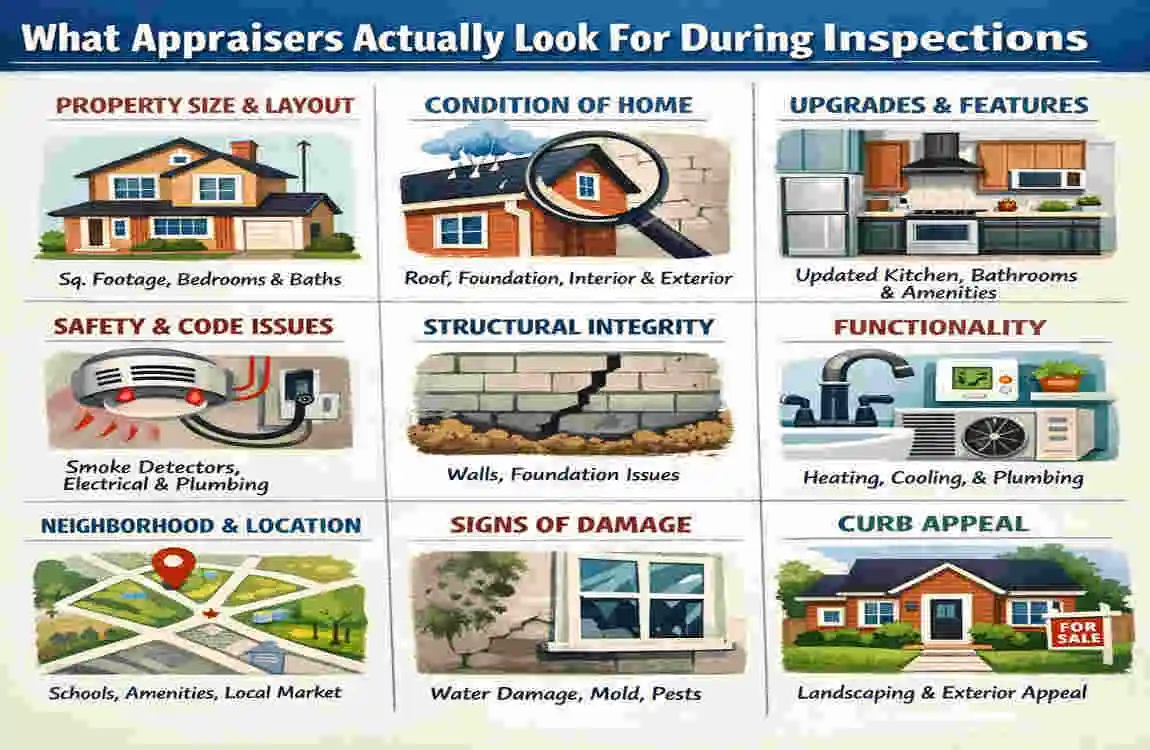
To understand why cleanliness matters, you need to know what appraisers are really checking.
An appraiser is not there to judge your lifestyle. They are there to inspect the home and estimate market value based on condition and comparison. They focus on the home’s structure, systems, layout, and overall usability.
Main things appraisers check
Here are the major areas appraisers usually pay attention to:
- Size and layout of the property
- Overall condition of the home
- Quality of construction
- Age of major systems
- Plumbing condition
- Electrical condition
- Heating and cooling systems
- Kitchen and bathroom condition
- Exterior condition
- Signs of damage or needed repairs
- Recent upgrades or renovations
This is where your plumbing experience, if you have it, can matter a lot. A working sink, dry ceiling, proper water pressure, and no visible leakage are all details that help support value.
Cleanliness red flags appraisers may notice
A little clutter is one thing. Certain signs, however, can raise concern.
Excessive dirt or grime
If floors, counters, walls, or fixtures are heavily dirty, the property may look neglected.
Signs of pests
Droppings, damaged food areas, and wall or cabinet damage can point to pest issues. These are not just cleanliness concerns. They are maintenance concerns too.
Water stains and damp spots
In many homes, especially during monsoon season, water marks on ceilings or walls are serious warning signs. They may point to leaks, roof problems, or poor drainage.
Poor ventilation
Bathrooms, kitchens, and laundry spaces should not feel damp or closed off. Mould and mildew can become a concern if airflow is poor.
Does clutter kill the deal?
Clutter does not usually destroy a sale on its own. Still, it can make the home harder to inspect and less pleasant to evaluate.
The best way to think about clutter is this: clutter does not usually change the true value, but it can block the appraiser from seeing that value clearly.
If your home is packed with storage items, try to create open walkways and clear access to all important areas. This is especially important for:
- Kitchens
- Bathrooms
- Hallways
- Basements or storage rooms
- Utility spaces
- Electrical and plumbing access points
When the appraiser can move freely, the process becomes simpler and more reliable.
Step-by-Step Guide: How to Clean Your House for an Appraisal
If you want the appraisal to go smoothly, preparation matters. You do not need to spend days deep cleaning every corner, but you should focus on the spaces that matter most.
Below is a practical plan you can follow before appraisal day.
Pre-appraisal declutter timeline: one week out
A week before the appraisal, start by removing the biggest visual problems.
Sort through clutter room by room
Take one room at a time and divide items into four groups:
- Keep
- Store
- Donate
- Throw away
Be honest with yourself. If something has not been used for a long time, it may not need to stay out during the appraisal.
Clear walkways
Make sure hallways, stairs, and doorways are open and safe. This helps the appraiser move easily through the home.
Put away personal items
Photos, piles of clothes, toys, shoes, and random items should be stored neatly. A home feels calmer when it looks organized.
Deep clean the important areas
Focus on rooms that often show wear first, such as kitchens, bathrooms, and entryways.
Fix obvious small issues
Replace burnt-out bulbs, tighten loose handles, touch up peeling paint, and repair small leaks if possible. These small fixes can make a big difference.
Room-by-room cleaning checklist
Here is a simple table to help you practically prepare your home.
RoomKey TasksTime EstimatePro Tip
Kitchen Wipe counters, clean appliances, remove grease, empty trash, check for leaks 1 hour Make sure the sink, taps, and under-cabinet area are dry and fresh
Bathrooms Scrub grout, clean toilet, polish mirrors, remove mildew, check ventilation 45 minutes In humid areas, keep windows open or use a fan before the visit
Bedrooms Make beds, dust surfaces, clear floor space, hide laundry 30 minutes Use simple bedding in light or neutral colors
Living Room Vacuum, dust furniture, organize cords, clear coffee tables 30 minutes Keep the room open so it feels larger
Hallways and Stairs Remove shoes, boxes, and loose items; wipe surfaces 20 minutes Safe, open walkways matter a lot
Exterior Sweep entry, trim plants, wash visible dirt, clean front door 2 hours First impressions start at the curb
Utility Areas Clear access to panels, water tanks, or storage points 20 minutes Do not block systems the appraiser may need to inspect
Room-by-room guidance in simple terms
Kitchen
The kitchen is one of the most important rooms in the home. It shows how the house functions every day. A clean kitchen tells the appraiser that the home is cared for.
Focus on:
- Clean counters
- No dirty dishes in the sink
- No grease on the stove
- Clean cabinet fronts
- No visible leaks under the sink
- Fresh trash removal
If you have done plumbing work, make sure that sinks, taps, and drains look neat and work properly. A small visible leak can make the home seem less maintained than it really is.
Bathrooms
Bathrooms can influence the overall feel of the house. If they look clean, fresh, and dry, that creates trust.
Focus on:
- Scrubbing grout and tiles
- Removing soap buildup
- Cleaning mirrors
- Checking for mold around shower corners
- Removing damp towels
- Making sure the room smells fresh
Bedrooms
Bedrooms do not have to be fancy. They just need to feel neat and usable.
Focus on:
- Making the bed
- Dusting furniture
- Picking up clothes and bags
- Clearing floor space
- Using simple, clean linens
The goal is not to decorate heavily. The goal is to make the room feel open and calm.
Living room
The living room should feel like a real family space that is also easy to inspect.
Focus on:
- Vacuuming or sweeping the floor
- Dusting shelves and tables
- Organizing cables
- Removing extra items from chairs and tables
- Opening curtains if natural light helps
Natural light can make the room feel brighter and more spacious.
Exterior
The outside of the home matters because it creates the first impression before the appraiser even steps inside.
Focus on:
- Sweeping the entryway
- Cleaning the front door
- Trimming overgrown plants
- Removing trash or broken items
- Clearing mud or dust from walk paths
- Checking the outside walls for stains or damage
If you have a yard or front garden, simple maintenance goes a long way. Even if the landscaping is basic, neatness makes the property feel more cared for.
Quick fixes for last-minute polish
If you are short on time, do not panic. You can still improve the home fast.
Freshen the air
Open windows if weather allows. Remove trash. Avoid strong artificial smells that may feel too heavy.
Use clean towels and linens
Fresh towels in the bathroom and tidy bedding in the bedrooms make the home feel ready.
Hide everyday clutter
Put away laundry baskets, pet items, shoes, and kitchen extras.
Wipe the obvious surfaces
Focus on handles, counters, mirrors, sinks, and table tops.
Turn on good lighting
Bright, working lights make the house feel more open and safe.
A little preparation can make a big difference, even if you only have one day.
Staging vs. Cleaning: Do You Need Both for Top Appraisal Scores?

Cleaning and staging are related, but they are not the same thing.
Cleaning means removing dirt, clutter, stains, and odors.
Staging means arranging the home in a way that makes it look its best.
You may not need full staging for every appraisal, but a clean and lightly staged home often presents better than a messy one.
What is the difference?
Cleaning is basic maintenance
Cleaning shows that the home is in good order. It is about hygiene, safety, and access.
Staging is presentation
Staging helps the appraiser and buyer see the home’s best use. It can make rooms feel bigger, brighter, and more functional.
For example:
- A small bedroom can look more spacious if it is not crowded.
- A dining area feels more useful when the table is clear.
- A living room feels more open when extra furniture is removed.
When staging makes sense
You may want to stage if:
- Your home is in a competitive market
- You are selling a higher-end property
- The layout is unusual and needs to feel more practical
- You want to help buyers and appraisers see the home’s potential
When cleaning is enough
For many homes, especially if the property is already in good shape, a thorough clean and simple decluttering may be enough.
In most cases, the smartest approach is this:
- Clean first
- Declutter second
- Stage lightly if needed
That order helps you save time and money while still improving the home’s overall presentation.
A smart way to think about costs
You do not need to spend a huge amount to make a difference. Sometimes a few hours of cleaning, a small amount of repair work, and better organization can do more than expensive decoration.
The goal is not to trick anyone. The goal is to show the home honestly and clearly.
Specific Advice: Appraisals in Real Esate Market
If you are selling or anywhere else , your approach should match the local environment.
Homes in this region often deal with:
- Dust from roads and construction
- Heat and humidity
- Monsoon moisture
- Water stains
- Power issues that affect fans and ventilation
- Outdoor pollution buildup
These are not small things. They can change how a home looks and feels during an appraisal.
Focus on moisture and mold
Monsoon season can create damp patches, especially in bathrooms, kitchens, roofs, and exterior walls. Always check for:
- Water marks
- Musty smells
- Peeling paint
- Mold near windows or corners
These signs can suggest maintenance issues, even if the damage is minor.
Watch the entry and exterior
In busy urban areas, a home’s exterior can quickly get dusty. Wash the front gate, sweep the entry, and remove anything that makes the home feel neglected.
Highlight repairs and upgrades clearly
If your home has been improved, make sure those improvements are visible and easy to understand.
That might include:
- Updated plumbing
- Better drainage
- Roof repairs
- New tiles
- Electrical upgrades
- Improved ventilation
A clean home helps these upgrades stand out, which is very helpful in appraisal and sale discussions.
That means:
- Clear rooms
- Fresh surfaces
- No heavy clutter
- Safe access to utilities
- A neat exterior
If your home feels easy to inspect, it often feels easier to trust.
FAQs: Answering “Does Your House Need to Be Clean for an Appraisal?”
Here are some of the most common questions homeowners ask.
Does your house need to be clean for an appraisal?
Yes, it should be clean enough for the appraiser to inspect it properly. You do not need a perfect home, but you do need a neat, accessible, and reasonably clean space. Cleanliness helps the appraiser see the house’s true condition.
How messy is too messy?
A little normal living is fine. Too much clutter blocks access, hides damage, creates safety risks, or makes the home smell bad. If the appraiser cannot comfortably move through the home, the mess is too much.
Can a dirty house fail appraisal?
A dirty house usually does not “fail” appraisal in the way a test fails. But dirt, clutter, odors, and visible damage can affect the appraiser’s opinion and create concerns about condition. In serious cases, the lender may require repairs or a further inspection.
Does a messy house affect appraisal value?
Yes, indirectly. A messy house may not lower value by itself. Still, it can hide important issues, suggest poor maintenance, and make the home harder to inspect. That can influence the final report.
Is professional cleaning worth it before an appraisal?
It can be, especially if your home is large, heavily used, or close to sale. A professional cleaning service can save time and help your home present better. If your budget is limited, focus first on the kitchen, bathrooms, entryway, and clutter removal.
Should I stage my home for an appraisal?
Not always. Cleaning is more important than full staging. That said, light staging can help make the home feel more open and functional. For example, clearing extra furniture and using simple decor can improve the overall look.
| Situation | Does it directly affect the appraisal value? | Recommended action |
|---|---|---|
| Is the house messy or cluttered but structurally sound? | Not usually, as long as the appraiser can access and inspect all areas. | Declutter walkways and key rooms so the appraiser can move freely and see floors, walls, and fixtures. |
| Are there signs of neglect (mold, strong odors, peeling paint, safety issues)? | Yes; these can negatively affect the appraisal. | Fix visible maintenance issues, clean mold, and remove foul odors (pet smells, smoke, dampness). |
| Home is “guest‑ready” clean but not deep‑cleaned | No major direct impact, but it reinforces a well‑maintained image. | Vacuum, wipe surfaces, mow the lawn, and tidy up common areas and entries. |