Are you a lessor of residential real estate? If you are reading this, you either own a rental property right now or you are seriously thinking about stepping into the lucrative world of property leasing. Welcome to a booming industry! As of 2026, rental market is experiencing explosive growth, with more than 20 million urban renters actively looking for homes.
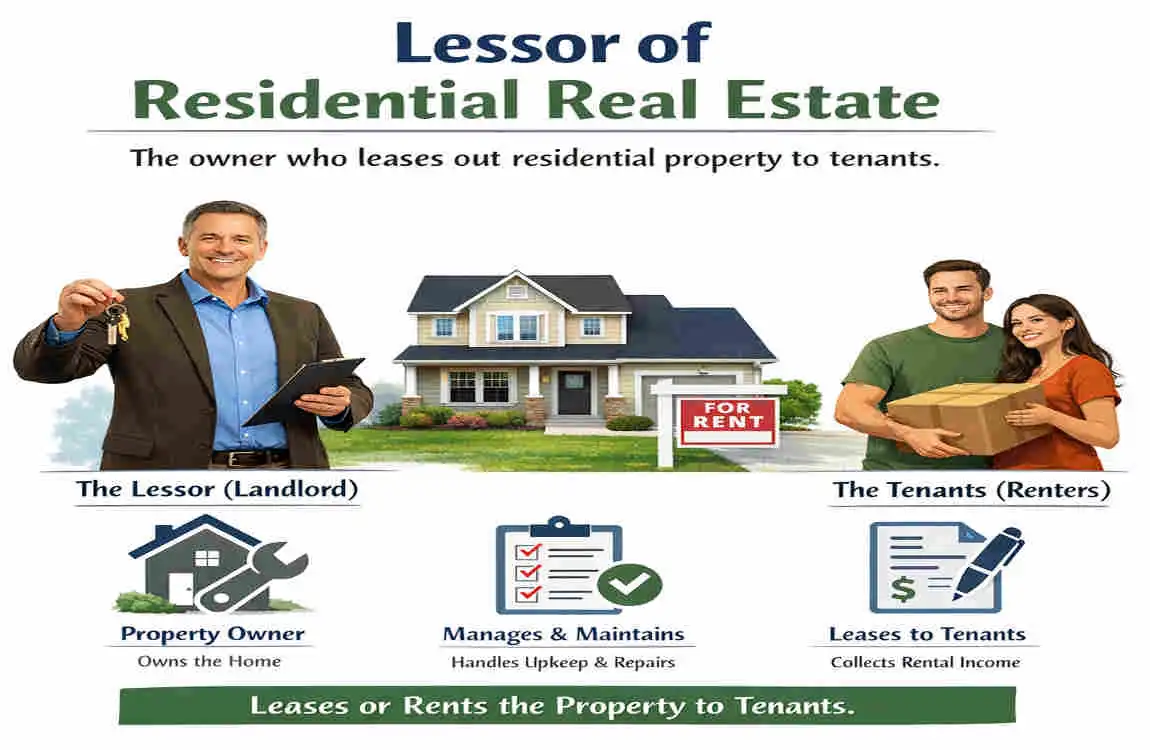
Navigating the real estate waters can feel overwhelming at first. You might hear technical terms thrown around and wonder what they actually mean. Let us start by clearing up some basic vocabulary. The term “lessor” is simply the formal, legal word for a landlord. When you lease out your property, you are the lessor, and the person renting it is the lessee, or tenant.
If you want to turn your property into a stress-free, money-making asset, you have come to the right place. Being a successful landlord is about much more than just handing over the keys and waiting for a rent check at the end of the month. It requires a solid understanding of your local tax laws, a firm grasp of your legal rights, and smart strategies to maximize your monthly income.
What Does It Mean to Be a Lessor of Residential Real Estate?

When someone asks, “Are you a lessor of residential real estate?” they are really asking if you are managing a property business. Here is exactly what it entails.
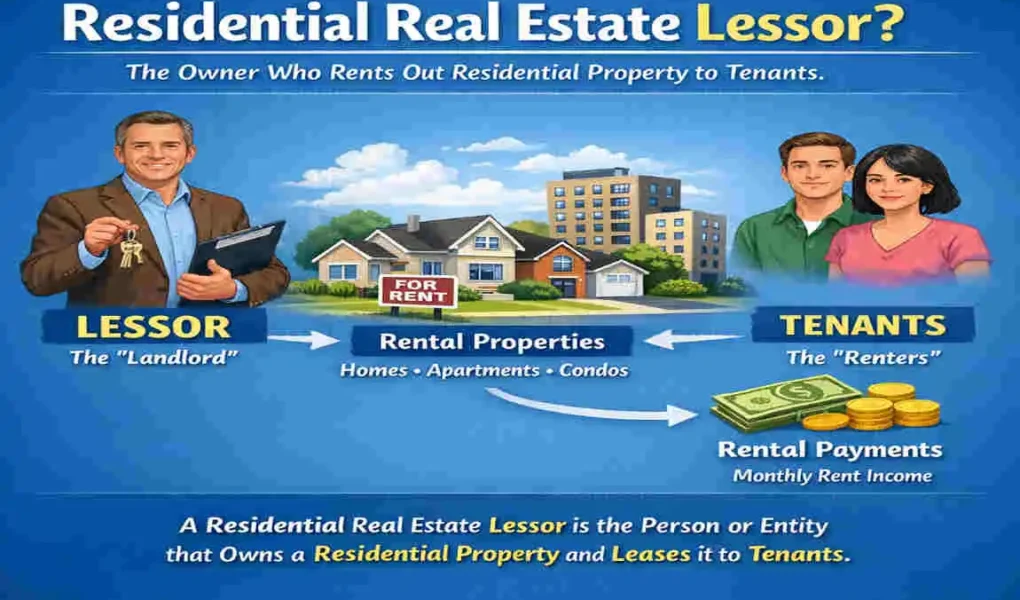
Being a lessor means you are the proud owner of a residential property, but instead of living in it yourself, you allow someone else to live there in exchange for regular rent payments. It sounds simple, but the role comes with a specific set of daily, weekly, and monthly duties.
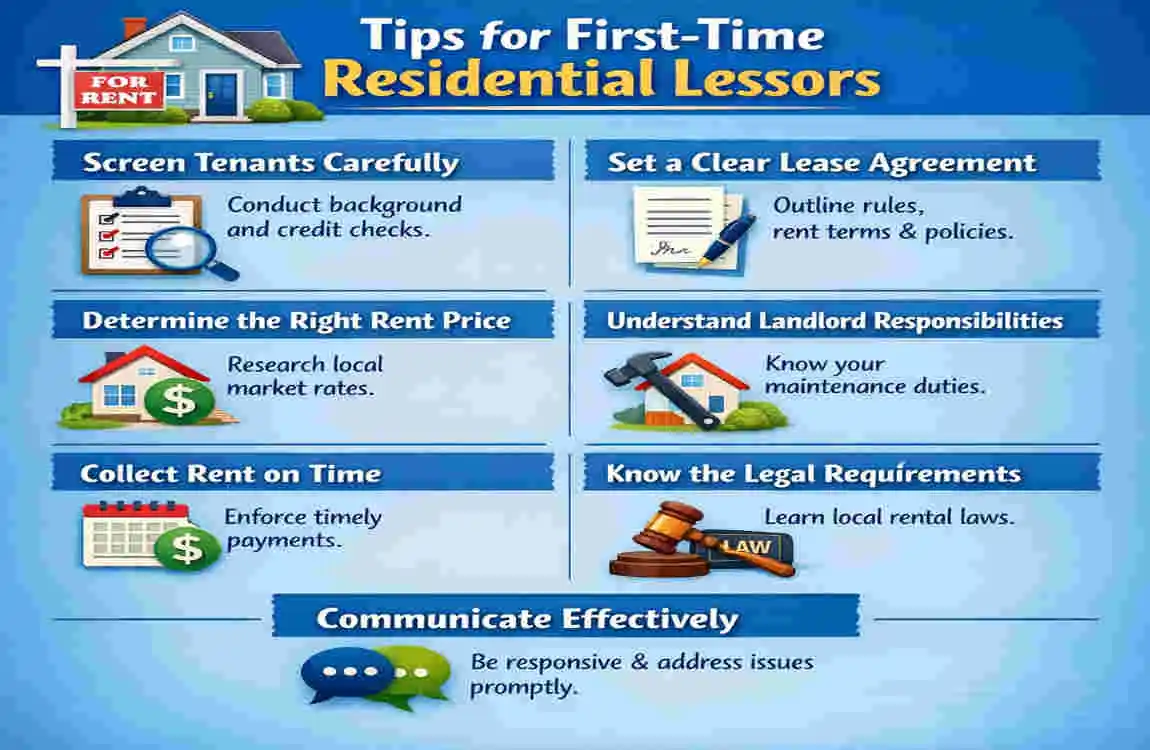
Your main responsibilities involve keeping the property in good shape. This means handling regular maintenance, fixing leaky pipes, ensuring the roof does not leak, and making sure the electrical systems are safe. On top of that, you are responsible for rent collection, managing tenant complaints, and ensuring your property remains competitive in the local market.
Conversely, you must also respect the rights of your lessee. Your tenant has the right to quiet enjoyment of the home, meaning you cannot just barge in unannounced whenever you feel like it.
Types of Lessors in the Market
lessors generally fall into two categories. First, there are individual lessors. These are everyday people who might own one or two extra houses or apartments as a side investment to build generational wealth.
Second, there are property companies or corporate landlords. These are larger businesses that own massive portfolios of residential real estate and manage hundreds of units at a time. Both types share the same basic goal: keeping units occupied and generating a steady return on investment.
A Look at the Current Market Overview
The current market trends are highly favorable for property owners. For example, recent market overviews show that in popular areas like, rental rates have jumped up by 12% year-over-year. As urban migration continues and the cost of buying a home rises, more families are choosing to rent.
This growing demand means your role as a lessor is more vital—and potentially more profitable—than ever before. But like any business venture, being a landlord comes with its highs and lows.
The Ups and Downs of Property Leasing
To give you a clear picture of what to expect, let us look at the advantages and disadvantages of leasing out your residential property.
Pros of Being a LessorCons of Being a Lessor
Consistent Income Stability: You receive a predictable flow of cash every single month. Tenant Issues: Dealing with late payments, complaints, or difficult personalities.
Asset Appreciation: The value of your real estate naturally increases over time. Maintenance Costs: Unexpected repairs, like a broken water pump, can eat into profits.
Tax Benefits: You can claim multiple deductions to lower your overall tax burden. Legal Risks: Potential for disputes, evictions, or lawsuits if laws are not followed.
Inflation Hedge: As the cost of living goes up, you can gradually increase your rent. Time Commitment: Managing a property requires your personal time and energy.
Are you a lessor of residential real estate who wants to minimize these cons while maximizing the pros? Let us move on to the financial side of things and see how you can keep more of your hard-earned money.
Essential Tax Guide for Residential Real Estate Lessors
Let us talk about the elephant in the room: taxes. No one likes dealing with taxes, but understanding the system is the fastest way to increase your take-home pay. This tax guide for lessors of residential real estate will break down the complex jargon into simple, bite-sized pieces.
Under the Income Tax Ordinance, the money you make from renting out your property is categorized strictly as “property income.” It is not considered business income unless you are running a registered property management company.
One of the most important concepts to understand is the withholding tax on rent. For the year 2026, if you are a registered “filer” (meaning you actively file your tax returns with the FBR), the standard withholding tax rate on rental income is generally around 10%. If you are a non-filer, this percentage can double, severely hurting your profits.
Therefore, becoming a registered tax filer is your first major step to success. You must also mark your calendar for the most crucial date of the year: 30 September. This is the annual filing deadline for your income tax returns. Missing this deadline can result in unnecessary headaches and financial penalties.
Top Tax Deductions and Credits for Landlords
Here is the best part about being a landlord: you do not have to pay taxes on the entire amount of rent you collect. The government allows you to subtract certain business expenses from your total rental income. This lowers your taxable income, meaning you pay less tax overall!
Here is a list of the top deductions you should be claiming:
- Repairs and Maintenance: You can deduct up to 25% of your gross rental income for general repairs and upkeep. This covers things like repainting the walls, fixing broken doors, or repairing plumbing issues.
- Depreciation on Property: Buildings experience wear and tear over time. You can generally claim a 10% straight-line depreciation deduction on the actual building structure (though not the land itself).
- Property Taxes and Utilities: Any local municipal property taxes or utility bills that you pay out of your own pocket (and not reimbursed by the tenant) are fully deductible.
- Interest on Loans: Did you take out a mortgage or bank loan to buy or build this residential real estate? The interest you pay on that loan can be deducted from your rental income.
- Agent Commissions: If you paid a real estate agent a fee or commission to find you a good tenant, that fee is completely deductible as a business expense.
To make this easier to understand, let us look at a practical, hypothetical example of how these deductions work in action.
Income / Expense Category Amount (PKR)Explanation
Gross Annual Rent 1,000,000 Total rent collected in one year.
Repair Allowance (25%) -250,000 Deducted for property upkeep.
Property Tax Paid -20,000 Paid to the local municipality.
Agent Commission -30,000 Fee paid for finding the tenant.
Total Deductions: 300,000. Total amount you can subtract.
Final Taxable Income 700,000: The amount you actually pay tax on!
In this scenario, because of smart deductions, you are saving taxes on PKR 300,000!
Avoiding Common Tax Pitfalls for Residential Lessors
Even experienced landlords can make mistakes. The most common pitfall is underreporting rent. Sometimes, lessors are tempted to declare a lower rental amount to save on taxes. Do not do this. With the FBR’s increasingly digitized tracking systems in 2026, catching underreported income is easier than ever.
Another major mistake is late filings. If you miss that 30 September deadline, you could face daily penalties of up to 0.1% of the tax payable. These tiny percentages add up very quickly and eat into your profits.
Furthermore, if you are a highly successful lessor with a massive portfolio, watch out for the “super tax.” This applies to high earners whose annual income exceeds PKR 150 million.
The best tip to avoid these pitfalls? Embrace technology. Use the FBR’s online Iris portal, which has been simplified for user-friendliness in recent years. Better yet, consult a certified Chartered Accountant (CA). Paying a professional a small fee to handle your taxes will save you more money in the long run.
Tenant Rights vs. Lessor Protections

Now that we have tackled taxes, let us move on to the law. Understanding legal rights for lessors of residential real estate is your shield against potential disasters. The law in to balance the power between the property owner and the tenant.
Core Legal Rights of Landlords
As the owner of the property, you hold significant legal rights. Your most powerful right is the right to evict a tenant, but you must do it legally. Under laws like the Qanoon-e-Shahadat (Law of Evidence) and local rent restriction ordinances, you cannot just throw someone’s furniture onto the street.
You have valid legal grounds for eviction if the tenant fails to pay rent, damages the property intentionally, or uses the residential home for commercial business without your permission. You also have the right to take your property back if you genuinely need it for your own personal use or for your immediate family.
Another crucial right is regarding rent increases. You are entitled to increase the rent, but there are limits. Provincial rent control laws dictate these boundaries. For instance, in Punjab, standard laws generally allow for a rent increase of 10% to 15% annually or upon the renewal of a lease agreement.
Lastly, you have the right to a security deposit. This protects you in case the tenant damages the property or skips out on the last month’s rent. By standard practice and local regulations, this is usually capped at a maximum of two months’ rent, and it must be fully refundable when the tenant leaves, provided the property is in good condition.
Key Responsibilities to Avoid Lawsuits
With great rights come great responsibilities. If you neglect these duties, you could find yourself facing a lawsuit or a dispute in court. Here is a checklist of your key responsibilities to keep you out of trouble:
- Provide a Habitable Property: This is non-negotiable. You must ensure the property is fit for human living. This means providing a functioning water supply, safe electricity wiring, and structural safety as mandated by standards like the Punjab Building Code.
- Draft Written Tenancy Agreements: Never rely on a verbal handshake. Always create a formal, written lease agreement. It must clearly state the rent amount, the duration of the lease, and the rules of the house. Ensure it is printed on legally required stamp paper to make it enforceable in a court of law.
- Honor Notice Periods: If you want a tenant to leave at the end of their lease, you must give them fair warning. The law typically requires a minimum of a one-month written notice for eviction or contract non-renewal.
Tenant Rights vs. Lessor Protections (2026 Updates)
The legal landscape is always evolving. In 2026, there have been updates that you need to be aware of. For example, there is a stronger focus on anti-harassment laws, particularly regarding new provincial ordinances in Punjab that protect tenants from illegal lockouts or having their utilities shut off forcefully by landlords.
If a dispute does happen, you cannot take the law into your own hands. You must go through the proper dispute resolution channels, which means taking your case to the Rent Controller courts in your specific city, such as the ones operating.
Here is a quick comparison to show the balance of power:
The Lessor’s ProtectionsThe Tenant’s Rights
Can evict for non-payment of rent. Cannot be evicted without a formal legal notice.
Can increase rent annually by 10-15%. Protected from sudden, extreme rent hikes.
Holds a security deposit for damages. Entitled to a refund if no damages occur.
Can inspect the property with prior notice. Has the right to privacy and quiet enjoyment.
When you respect the tenant’s rights, it becomes much easier to enforce your own protections.
Profit-Maximizing Tips for Residential Real Estate Lessors
Are you a lessor of residential real estate looking to boost your bottom line? Let us get to the fun part: making more money. Here are practical, actionable profit tips for lessors of residential real estate that you can implement right away.
Boost Rental Income Strategies
The first step to maximizing profit is ensuring you are charging the right price. Many landlords lose money simply because they have not done a proper market analysis. Do not just guess your rent based on what your neighbor charged three years ago. Use online property portals to check current listings in your exact neighborhood. If the average rent for a modern 2-bedroom apartment is PKR 50,000 per month, your property should be priced competitively around that mark.
If you want to charge more than the neighborhood average, consider the magic of furnishing. Offering a furnished or semi-furnished apartment can create a massive uplift in your rental income.
By simply adding a comfortable sofa, a bed, a dining table, and basic appliances like a refrigerator and an air conditioner, you can charge a Premium. Data shows that well-furnished units can command a 20% to 30% Premium over unfurnished ones. The initial cost of the furniture pays for itself very quickly through higher monthly rent.
Cost-Cutting and Efficiency Hacks for Landlords
Making more money is not just about raising the rent; it is also about lowering your expenses. Here are some efficiency hacks to cut down your operating costs:
- Invest in Energy-Efficient Upgrades: Electricity costs are a major concern. If you install solar panels on your rental property, you make the home incredibly attractive to tenants who want to escape high utility bills. You can charge higher rent for a solar-powered home, and it can result in up to 40% savings on overall energy costs.
- Use Property Management Apps: Ditch the old paper notebooks. In 2026, smart lessors use digital tools to track rent and maintenance. Using localized property management apps allows you to automate rent reminders, track expenses for tax time, and communicate with tenants seamlessly.
- Negotiate Bulk Maintenance Contracts: If you own multiple properties, do not hire a different plumber or electrician every time something breaks. Find a reliable local handyman or maintenance company and negotiate a bulk contract or a monthly retainer. This will save you a fortune in emergency call-out fees.
Scaling Your Portfolio: From One Property to Many
Once you have mastered managing one property, you should scale up. Going from one property to a larger portfolio requires strategic financing.
Look into bank financing options tailored for landlords. Major banks like HBL or ABL offer specific home loan products that you can use to leverage your current property equity to buy a second or third unit.
You can also explore Real Estate Investment Trusts (REITs). If you do not want the physical hassle of buying another brick-and-mortar house, investing in a REIT allows you to earn dividends from large-scale real estate projects without plunging into the day-to-day management.
For long-term scaling success, your biggest asset is an amazing tenant. Implement strict tenant screening. Always ask for proof of income, check their employment status, and ask for references from their previous landlords. Good tenants pay on time, take care of your property, and stay for years, which dramatically reduces your turnover costs. Finally, always invest in comprehensive property insurance to protect your growing portfolio against fire, natural disasters, or severe structural damage.
Common Challenges and How Lessors Overcome Them

Even with the best preparation, you will face hurdles. Let us briefly discuss the common challenges in residential real estate and how the pros handle them.
Dealing with Vacancies: An empty property is a landlord’s worst enemy because it costs you money every single day. To overcome high vacancy rates, aggressive and smart marketing is key. Do not just rely on a “To Let” sign on the gate. Take high-quality photos of the property, ensure it is freshly painted, and utilize social media platforms and classified websites. Staging a home—making it look clean, bright, and welcoming—can reduce your vacancy periods by up to 20%.
Handling Bad Tenants Sometimes, despite your best screening efforts, a bad tenant slips through. They might pay late, disturb the neighbors, or damage the walls. The solution here is strict professionalism. Do not let emotions take over. Keep an eviction checklist ready. Send formal written warnings immediately when rules are broken, document all communication, and if necessary, initiate the legal eviction process through the Rent Controller without delay.
Navigating Economic Shifts. Inflation is a reality that affects everyone. When the cost of building materials and maintenance goes up, your profit margins shrink. Smart lessors hedge against inflation by including “rent escalators” in their lease agreements. This is a simple clause stating that the rent will automatically increase by a set percentage (like 10%) every 12 months, ensuring your income keeps pace with the rising cost of living.
FAQs: Quick Answers for Residential Real Estate Lessors
Do you still have a few lingering questions? Here are some quick, straightforward answers to the most common queries we receive from landlords.
Are you a lessor of residential real estate? What taxes apply?
If you rent out a home, yes, you are a lessor! In, your rental income is taxed as “property income” by the FBR. For 2026, registered tax filers generally face a 10% withholding tax on rental income. Non-filers pay significantly higher rates, so registering as a filer on the FBR Iris portal is crucial for saving money.
What are the legal rights for evicting tenants?
You have the legal right to evict a tenant, but only on specific grounds. These include the non-payment of rent, intentional damage to the property, subletting without your permission, or if you require the property for your own personal, immediate family use. You must always serve a formal, written legal notice before initiating eviction.
What are the best profit tips for landlords?
To maximize profits in competitive cities like, start by offering furnished apartments, which can boost your rent by 20% to 30%. Additionally, invest in energy-efficient upgrades like solar panels to attract Premium tenants. Always use digital rent collection methods to ensure you are paid on time, every time.
How can I claim tax deductions on property repairs?
The FBR allows lessors to claim a standard deduction for repairs and maintenance to keep the property in good shape. You can deduct up to 25% of your gross annual rental income for these upkeep costs. This significantly reduces your overall taxable income. Keep all your maintenance receipts organized, just in case you are audited.
What is the maximum security deposit I can charge?
According to standard legal practices and rent restriction laws in most provinces, a landlord can usually ask for a maximum of two months’ rent as a security deposit. This money must be kept safe and is fully refundable at the end of the tenancy, minus any valid deductions for unpaid rent or physical damages caused by the tenant.