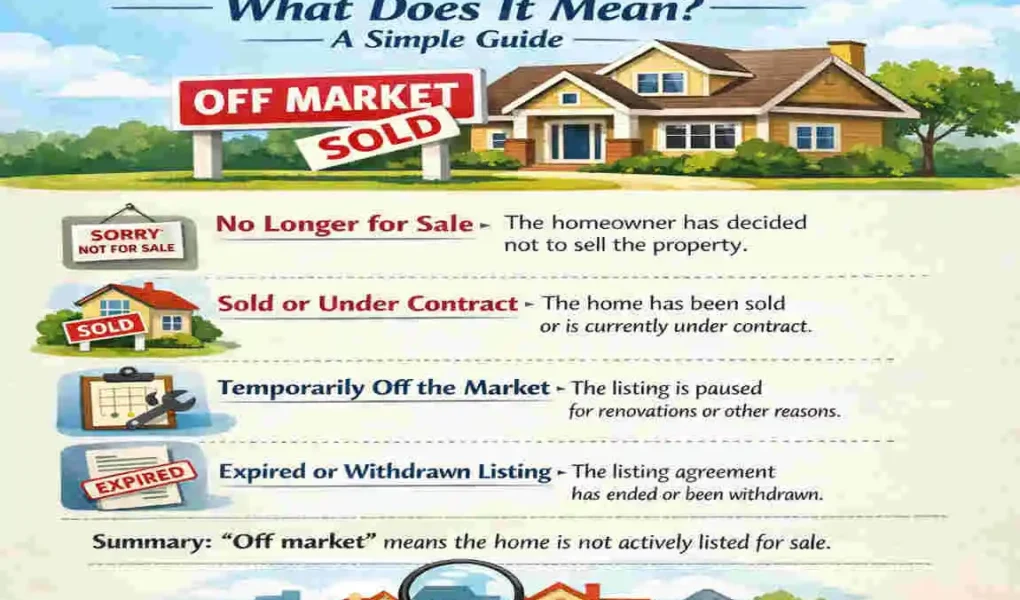
If you are house hunting, you may see a listing marked off market and wonder what that really means. In simple terms, it means the home is not currently being advertised for sale on public real estate platforms.
That does not always mean the home is sold. Sometimes the seller pauses the listing, the contract falls through, or the property needs repairs before it can be shown again.
This is why many buyers get confused when they ask, “If a house is off-market, what does it mean?” The status can change for several reasons, and each one matters differently.
What Does “Off Market” Mean?
Simple Definition
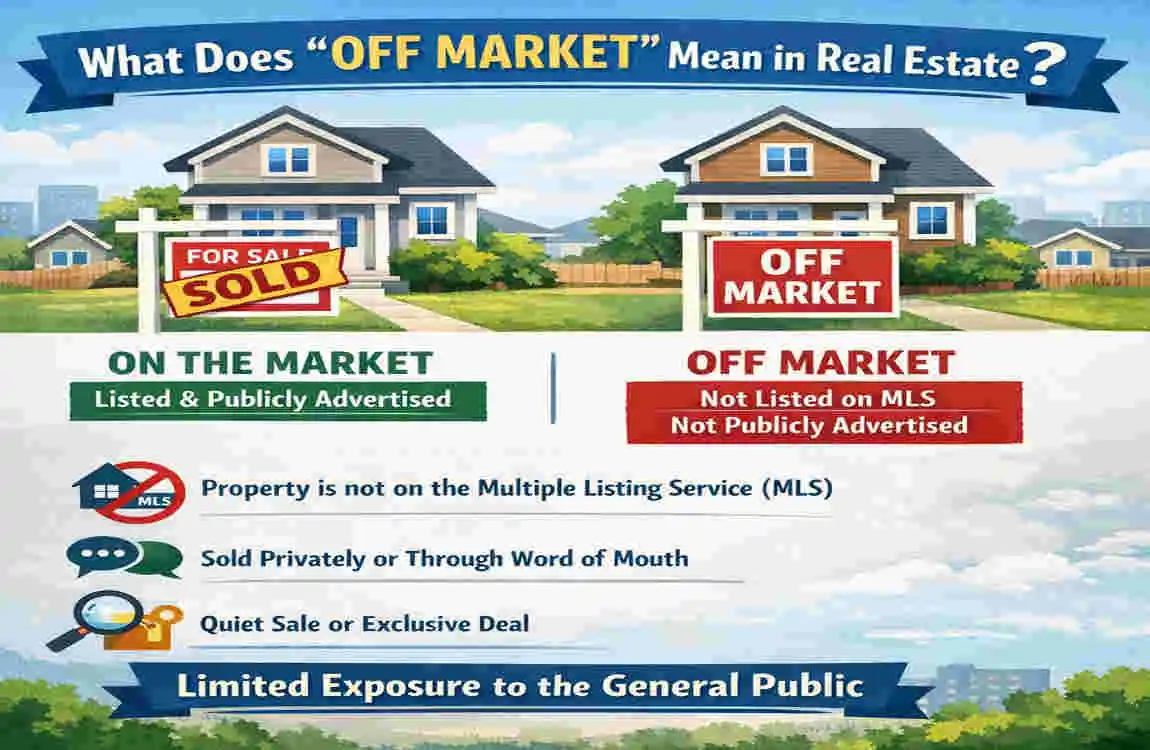
A house is off market when it is no longer actively listed for public buyers to see. In other words, the property is not being marketed as available at that moment.
This can happen for many reasons. The house may still be for sale, or the owner may have decided to stop selling for now.
Off Market vs Sold
This is the part that confuses many buyers. Off-market does not always mean sold.
A sold home has completed the full sale process. An off-market home may still be available, may be waiting to relist, or may be under private review.
Where You’ll See This Status
You may see off-market on:
- MLS
- Zillow
- Realtor websites
- Local listing services
Each platform may use the term a little differently, so it helps to look at more than one source.
Common Reasons a House Goes Off Market
Seller Accepted an Offer
One of the most common reasons is that the seller accepted an offer. At that point, the home may be removed from public listings while the buyer and seller work through the closing process.
Listing Expired
Sometimes the listing period ends. This is called an expired listing. The home is no longer active because the agreement with the agent has run out.
Seller Changed Their Mind
A seller may decide not to move after all. This can happen if plans change, another house deal falls through, or they no longer want to sell.
Home Needs Repairs or Renovation
Some sellers take a home off the market to fix problems first. They may want to repaint, repair damage, or update the property before relisting.
Seasonal Market Pause
In slower seasons, a seller may wait for a better time to sell. This is common when they want more buyers or better prices.
Personal or Financial Reasons
Family changes, job moves, money issues, or health concerns can also lead to a property being removed from the market.
Can You Still Buy an Off-Market House?
Contact the Listing Agent
Yes, sometimes you still can. If the home was recently listed, the agent may tell you whether the seller is still open to offers.
Reach Out to the Owner
In some cases, buyers contact the owner directly, especially if the house is a private off-market property. This should always be done politely and respectfully.
Submit a Backup Offer
If the home had an accepted offer, you may be able to submit a backup offer. That means you are next in line if the first deal fails.
Work with a Real Estate Agent
A skilled agent can help you understand whether buying an off-market house is a real possibility in your situation. They can also check whether the home may be back on the market soon.
Off Market vs Pending vs Contingent
Status Meaning Can You Make an Offer?
Off Market Removed from public listings Sometimes
Pending Seller accepted an offer Usually No
Contingent Offer accepted with conditions Sometimes
Sold Transaction completed No
This table shows why it is important to know the difference. Pending vs. off-market is not the same thing. A pending home is usually farther along in the sale process.
Why Sellers Remove Their Homes from the Market
Waiting for Better Prices
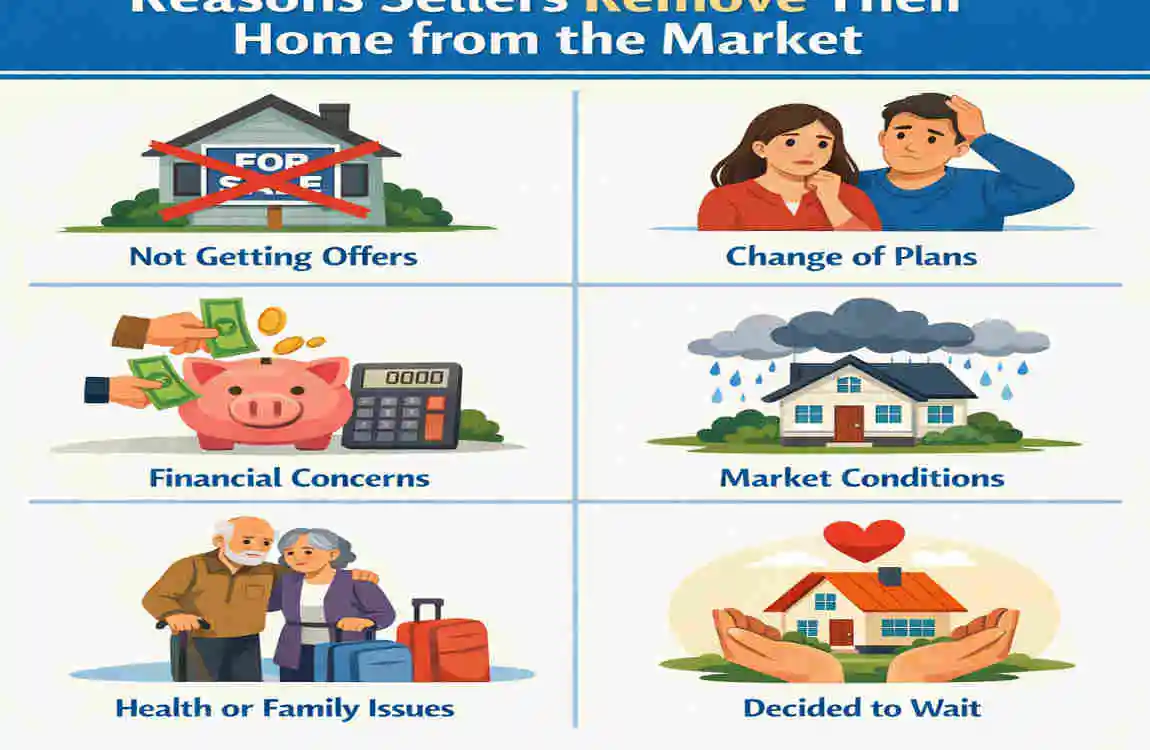
Some owners believe the market may improve. They may remove the home now and wait for a better selling price later.
Family or Job Changes
Life changes can force a pause. A seller may need to move, stay put, or rethink their plans.
Remodeling Before Relisting
A seller may want to improve the house before trying again. New paint, flooring, or repairs can make a big difference.
Privacy Concerns
Some sellers want more privacy. They may not want frequent showings, open houses, or public attention.
What Buyers Should Do When a House Is Off Market
Don’t Assume It’s Sold
This is the first rule. If a home is off-market, do not automatically assume someone has already bought it.
Monitor Listing Updates
A home may return later as a withdrawn listing or expired listing that gets relisted. Keep checking for changes.
Ask Your Realtor
Your agent can often tell you what happened and whether the seller may still be open to offers.
Look for Similar Homes
If the house is no longer available, move on to similar listings. That keeps your search active and realistic.
Advantages and Disadvantages of Off-Market Properties
Benefits
Off-market homes can sometimes offer good opportunities. You may face less competition, get more room to negotiate, and deal with a seller who wants a private sale.
Drawbacks
The downside is that information may be limited. It can be harder to find details, and the seller may not want to sell at all.
Signs an Off-Market Home May Return
Expired Listing
If the original listing expires, the seller may decide to relist later.
Renovation Activity
If you see repairs or updates happening, the home may come back after the work is done.
Price Changes Nearby
When similar homes in the area sell quickly or see price increases, the seller may return to the market.
Agent Indicates Future Listing
Sometimes the agent will hint that the property will be listed again soon.
Tips for Buying Off-Market Homes
If you are serious about buying, these simple steps can help:
- Build relationships with local agents
- Set property alerts
- Send a letter of interest
- Be mortgage pre-approved
- Act quickly if the home returns
These steps can improve your chances when looking at buying off-market homes.
Common Myths About Off-Market Homes

Off Market Always Means Sold
False. A house can be off-market for many reasons other than a completed sale.
Buyers Can’t Contact the Seller
Not always true. In some cases, contact is possible through an agent or direct outreach.
Off-Market Homes Are Always Cheaper
Not necessarily. Some are priced well, but others are not discounted at all.
Every Off-Market Home Will Return
Also false. Some dream homes never relist and stay out of the market for good.
Frequently Asked Questions
If a house is off market, what does it mean?
It means the property has been removed from public listings. It may have sold, expired, or been withdrawn by the seller.
Does off-market mean the house is sold?
No. A home can be off market without being sold.
Can I still make an offer on an off-market home?
Yes, in some cases. Contact the listing agent or homeowner to check availability.
Why would a seller take a house off the market?
Common reasons include accepted offers, repairs, personal changes, or waiting for better market conditions.
Will an off-market house come back on the market?
Yes, sometimes. Homes with expired or withdrawn listings are often relisted later.
| Topic | Information |
|---|---|
| What Does “Off Market” Mean? | An off-market house is a property that is not currently listed for sale on the Multiple Listing Service (MLS) or public real estate websites. |
| Common Reasons | The owner may have decided not to sell, the listing expired, the home was temporarily withdrawn, or it has already been sold. |
| Can You Buy an Off-Market House? | Yes. Buyers can contact the owner directly or work with a real estate agent to explore off-market opportunities. |
| Is It Already Sold? | Not always. Some off-market homes are sold, while others are simply not being actively marketed. |
| Advantages for Buyers | Less competition, potential for better negotiations, and access to exclusive properties. |
| Advantages for Sellers | Greater privacy, fewer public showings, and the ability to test buyer interest without a public listing. |
| How to Find Off-Market Homes | Work with a real estate agent, network locally, send direct mail to homeowners, or search public property records. |
| Can a House Return to the Market? | Yes. A homeowner can relist the property at any time if they decide to sell. |
| Key Takeaway | “Off market” simply means the home is not actively listed for sale, but it may still be available under certain circumstances. |