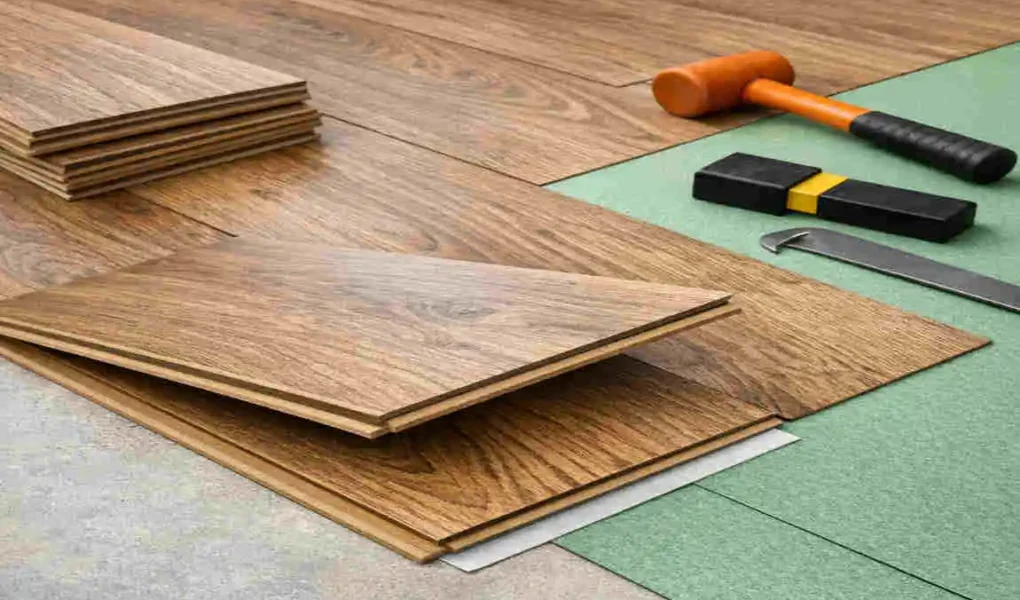
If you are shopping for new flooring, you may be asking yourself: are laminate floors toxic?
That is a fair question. Many homeowners worry about indoor air quality, strange smells after installation, and whether the materials used in flooring could affect their family’s health. The good news is that modern laminate flooring is generally safe, especially when you choose certified, low-VOC products from trusted brands.
What Is Laminate Flooring?

How Laminate Flooring Is Made
Laminate flooring is a layered product designed to resemble wood, stone, or other natural surfaces. It is designed to give you a stylish look at a lower price than many traditional flooring options.
The top layers are made to resist scratches and wear. Under that, the floor usually has a printed image layer that gives it the wood-like appearance. The bottom layer helps with stability.
Main Layers of Laminate Flooring
Laminate flooring often has four main parts:
- Wear layer: protects the surface
- Design layer: gives the floor its look
- Core layer: adds strength
- Backing layer: helps support the floor
This structure makes laminate popular in busy homes because it can handle daily use fairly well.
Where Laminate Floors Are Commonly Used
You will often see laminate flooring in:
- Living rooms
- Bedrooms
- Hallways
- Home offices
- Dining areas
It is a popular choice for homeowners who want something that looks nice, cleans easily, and costs less than hardwood.
Are Laminate Floors Toxic?
The Short Answer
The short answer is: usually no, not when the flooring is certified and made by a reputable manufacturer.
That said, some laminate flooring products can release VOCs and other chemicals, especially if they are low-quality or newly installed. So the real answer depends on the product you choose.
Understanding VOCs
VOCs mean volatile organic compounds. These are chemicals that can turn into gases and enter the air.
Some flooring materials give off small amounts of VOCs, especially when new. This process is often called off-gassing. In many homes, the amount drops over time.
Formaldehyde in Laminate Flooring
One chemical people often worry about is formaldehyde.
Some laminate products may contain small amounts in the glues or resins used during manufacturing. That does not mean every laminate floor is dangerous. Many modern products are made to meet strict safety rules and have much lower emissions than older flooring materials.
Why Modern Laminate Is Safer Than Older Products
Today’s laminate flooring is much better regulated than it used to be. Many products are tested for emissions and must meet safety standards before they are sold.
That means the flooring you buy now is often far safer than older laminate flooring made years ago.
What Chemicals Can Be Found in Laminate Flooring?
Adhesives and Resins
Some laminate flooring uses adhesives and resins to hold the layers together.
These materials help make the flooring durable, but they can also be the source of VOC emissions. This is why product quality matters so much.
Protective Surface Coatings
The top layer of laminate flooring is usually treated with protective coatings. These coatings help resist scratches, stains, and wear.
In most cases, this layer is not the main health concern. The bigger question is what is used inside the core and bonding layers.
Emission Levels Explained
Not all laminate flooring releases the same amount of chemicals. Some products emit very little, while others may release more immediately after installation.
That is why it helps to look for low-VOC options and products that meet recognised safety standards.
Health Risks of Poor-Quality Laminate Flooring
Eye, Nose, and Throat Irritation
If a laminate floor gives off too many VOCs, some people may notice:
- Watery eyes
- Nose irritation
- Sore throat
- Headaches
These symptoms often happen more in the first days after installation.
Allergies and Respiratory Issues
People with asthma, allergies, or sensitive breathing may react more strongly to poor indoor air quality.
If you are sensitive to smells or chemicals, choosing a safer laminate product matters even more.
Long-Term Exposure Concerns
Short-term exposure to small amounts of VOCs is often mild, but long-term exposure to higher levels is a bigger concern.
That is why you should avoid low-quality flooring and make sure your home has good airflow after installation.
How to Choose Safe Laminate Flooring

Look for Low-VOC Products
One of the easiest ways to choose safer flooring is to look for low-VOC labels.
Low-VOC laminate flooring is designed to emit fewer chemicals into the air, helping protect indoor air quality.
Check CARB Phase 2 or TSCA Title VI Compliance
These are safety standards that help limit formaldehyde emissions.
If a product meets CARB Phase 2 or TSCA Title VI standards, that is a good sign it has been tested for safer indoor use.
Choose Reputable Manufacturers
Trusted brands usually prioritise product testing and quality control.
Cheap, no-name products may save money upfront, but they can create more health concerns later.
Read Product Certifications
Before buying, look for labels such as:
- CARB Phase 2
- TSCA Title VI
- FloorScore
- Other indoor air quality certifications
These help you make a smarter choice.
Tips to Reduce Indoor Air Pollution
Ventilate Your Home
After installing new laminate floors, open windows and doors if possible. Fresh air helps remove odours and reduce indoor buildup.
Let New Flooring Off-Gas
If you can, let the flooring air out before and after installation. This is especially helpful with newly installed material.
Maintain Proper Indoor Humidity
Keep indoor humidity in a healthy range. Very damp air can affect flooring, while very dry air can make indoor comfort worse.
A balanced home environment is better for both your floors and your health.
Laminate Flooring vs Other Flooring Types
Flooring TypeToxicity LevelVOC EmissionsSafety
Laminate Low (Certified) Low Very Good
Hardwood Very Low Very Low Excellent
Vinyl Low to Moderate Moderate Good
Tile Very Low Minimal Excellent
Carpet Moderate Moderate Good
This table shows that certified laminate flooring can be a safe choice, especially if you want a budget-friendly floor with a wood-like look.
Pros and Cons of Laminate Flooring
Pros
Laminate flooring has many good points:
- Affordable
- Durable
- Easy to clean
- Scratch-resistant
- Many style options
It works well for busy homes and gives you a nice look without costing a lot.
Cons
There are also a few downsides:
- Some products may emit VOCs
- It cannot be refinished like real wood
- It is sensitive to moisture
These are important to know before you buy.
Common Myths About Laminate Flooring
All Laminate Floors Are Toxic
This is not true. Many modern laminate floors are made to meet strict safety rules.
Every Laminate Floor Contains Dangerous Chemicals
Also false. Some do contain adhesives and resins, but certified products are designed to keep emissions low.
Laminate Is Unsafe for Children and Pets
Not necessarily. Low-VOC, certified laminate flooring is generally safe for families when properly installed and ventilated.
Best Practices After Installing Laminate Floors
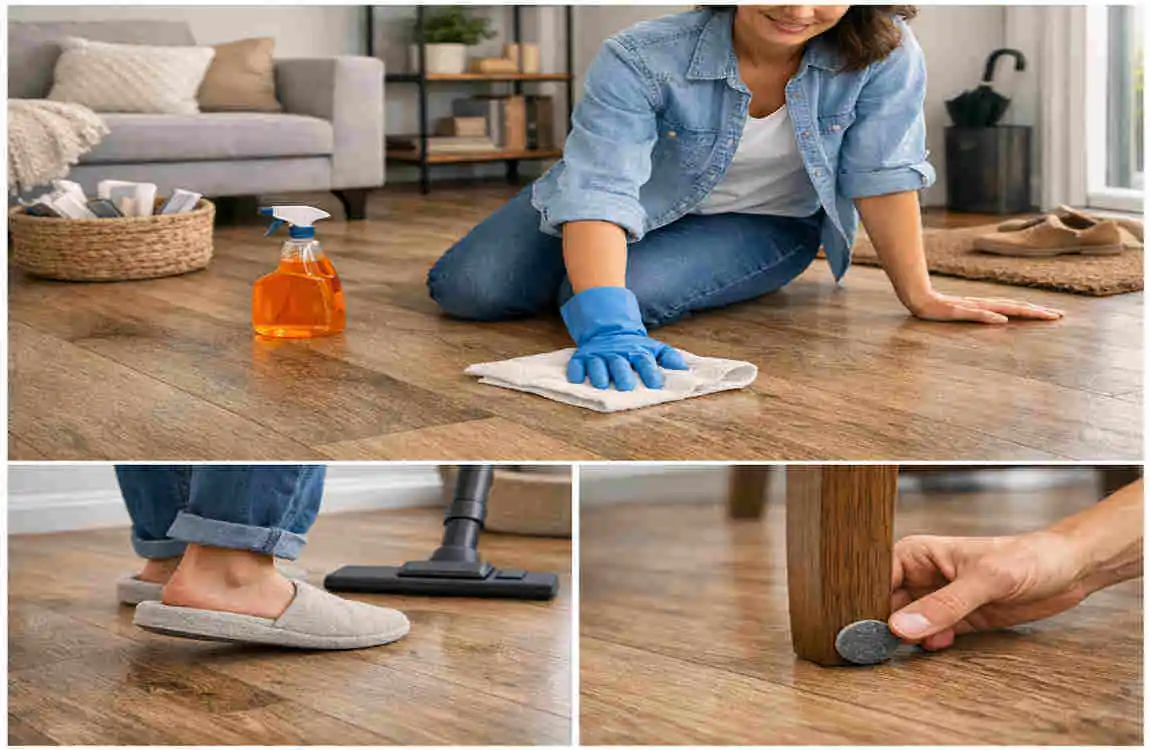
After installation, take a few simple steps to keep your home safe and comfortable:
- Open windows for ventilation
- Use air purifiers if needed
- Avoid harsh chemical cleaners
- Follow manufacturer care instructions
These habits can help reduce lingering odours and keep your indoor air cleaner.
Frequently Asked Questions
Are laminate floors toxic for pets?
No. Certified low-VOC laminate flooring is generally safe for pets after proper ventilation.
Do laminate floors contain formaldehyde?
Some products may contain small amounts in adhesives, but certified flooring meets strict safety standards.
How long do laminate floors release VOCs?
Most VOC emissions drop a lot within the first few days to weeks after installation.
Is laminate flooring safe for babies?
Yes, if you choose low-VOC certified laminate flooring and keep the room well-ventilated.
How can I tell if laminate flooring is safe?
Look for labels like CARB Phase 2, TSCA Title VI, or FloorScore, and buy from trusted brands.
Is laminate flooring safer than vinyl?
Both can be safe when certified, but low-VOC laminate often has very low emissions.
Can laminate flooring affect indoor air quality?
Poor-quality laminate can, but certified products usually have minimal impact.
| Topic | Information |
|---|---|
| Are laminate floors toxic? | Most modern laminate floors are considered safe when they meet low-VOC and formaldehyde emission standards. |
| Main concern | Older or low-quality laminate may release higher levels of formaldehyde and other volatile organic compounds (VOCs). |
| Health risks | Poor-quality flooring can cause eye, nose, and throat irritation, especially in poorly ventilated spaces. |
| Safe certifications | Look for CARB Phase 2, FloorScore, or GREENGUARD Gold certifications for safer products. |
| Children & pets | Certified laminate flooring is generally safe for children and pets after proper installation and ventilation. |
| Installation tips | Ventilate rooms well during and after installation to reduce indoor air pollutants. |
| Cleaning | Use non-toxic, laminate-safe cleaners and avoid harsh chemicals. |
| Best choice | Choose reputable brands that clearly state low-formaldehyde and low-VOC compliance. |
| Overall verdict | No, most modern laminate floors are not toxic when they are certified, properly installed, and maintained. |