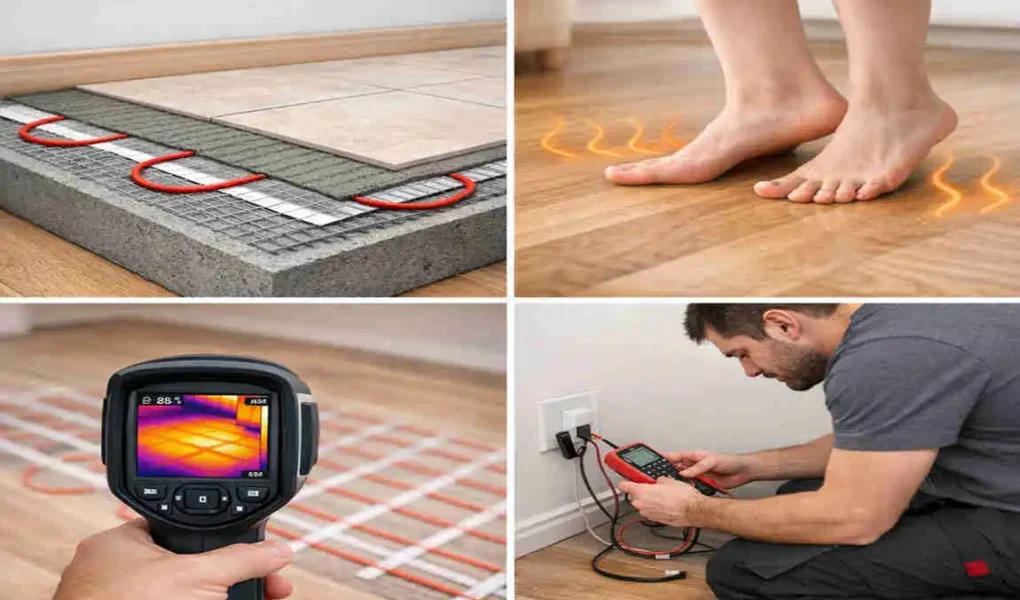
are heated floors safe
FLOOR

Are Heated House Floors Safe? Expert Insights on Risks, Benefits Safety Standards

It is a freezing Monday morning in the middle of January. You slowly roll out of your warm, cozy bed, dreading that initial shock when your bare feet hit the icy bathroom tiles. We have all been there. It is a harsh way to start the day. Now, imagine a completely different scenario. You step out of bed, and the floor beneath you is gently, invitingly warm. This is the everyday luxury of radiant floor heating.

Millions of homeowners are currently upgrading their homes to include this invisible, silent, and incredibly comfortable heating source. In fact, industry data shows that radiant systems will be installed in over 20% of United States homes by the end of 2026. However, as this trend skyrockets, a very important and practical question consistently tops the list of homeowner concerns: Are heated floors safe?”

It is a perfectly valid question. After all, you are essentially burying electrical cables or hot water pipes directly under the surface where you and your family walk, play, and sleep every single day. The idea of mixing electricity, heat, and sometimes water under your floors can sound like a recipe for disaster if you do not understand how the technology works.

What Are Heated Floors?

are heated floors safe

Before we can fully address the question of safety, we need to understand exactly what we are dealing with. How does the floor actually get warm?

At its core, underfloor heating works through a principle called radiant heat. Think about how you feel when you stand in direct sunlight on a cool day. Even if the air around you is chilly, the sun’s rays warm your body directly. Radiant floors work exactly the same way. Instead of heating the air and blowing it around the room (like a traditional forced-air furnace), the floor itself gently emits heat upward, warming the objects and people in the room directly.

There are two primary methods used to achieve this cozy effect: electric systems and hydronic (water-based) systems. Let’s break down how each one operates.

Electric Systems

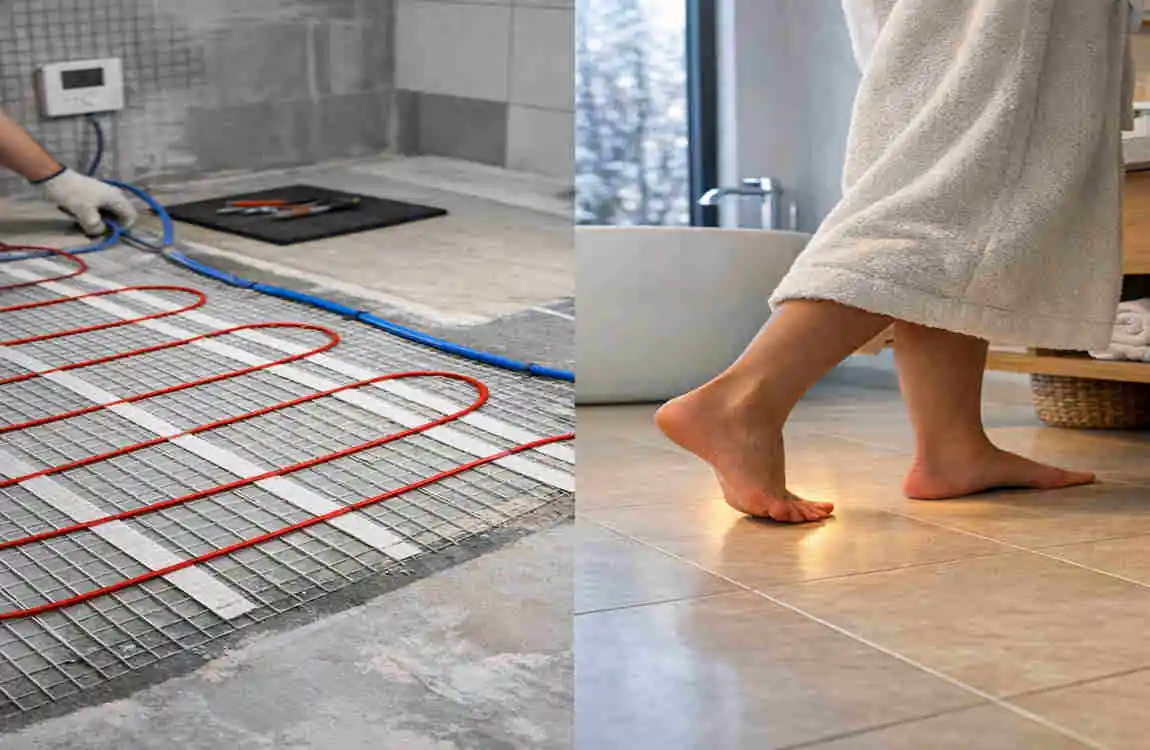
Electric radiant heating relies on specialized, highly insulated wires that heat up when an electrical current passes through them. If you have ever looked closely at the defroster lines on the rear windshield of your car, you have seen a similar concept in action.

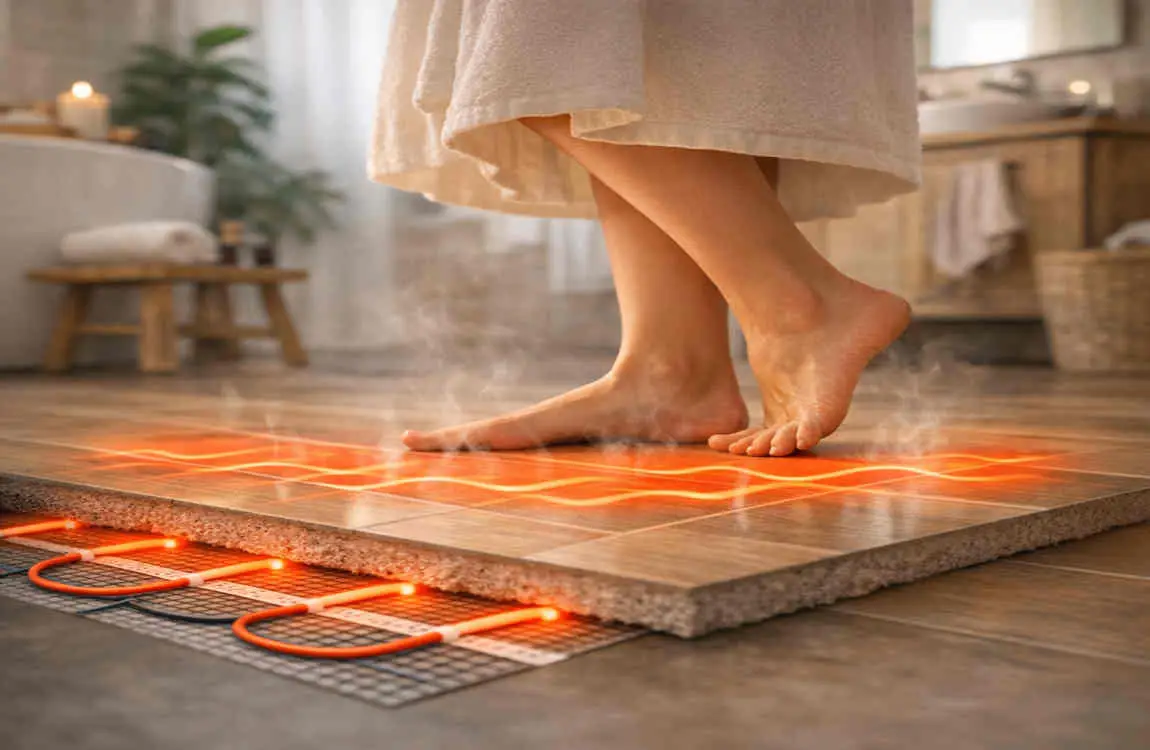
These heating cables are meticulously arranged and embedded right into your floor. Sometimes they come as loose wires that an installer weaves into a custom pattern, but more often, they are pre-attached to flexible fiberglass mesh mats. These electric heating mats are unrolled over your subfloor, covered in a layer of thin-set mortar, and then topped with your final flooring material, which is usually tile or stone.

The Pros of Electric: The biggest advantage of electric systems is that they are relatively simple and highly customizable. They are excellent for specific, small-scale room upgrades, like a main bathroom remodel. They are also considered very DIY-friendly for experienced homeowners, although connecting the final electrical thermostat should always be left to a licensed electrician for ultimate safety.

Hydronic Systems

The second type of underfloor heating is called a hydronic system. Instead of using electrical resistance wires, hydronic systems rely on hot water to warm the floor.

In these setups, a boiler or a dedicated water heater pumps heated water through a continuous loop of flexible plastic tubing called PEX (cross-linked polyethylene). This tough, durable tubing is snaked back and forth across the entire floor beneath the surface. As the hot water quietly travels through the tubes, the heat transfers up through the floorboards and into the room.

The Pros of Hydronic: While they are significantly more complex and expensive to install initially, hydronic systems are the champions of whole-home energy efficiency. Once the water is heated, it costs very little to keep it circulating, making this method perfect for heating large open-concept living spaces or entire houses.

Benefits of Heated Floors

Now that you know how they work, you might be wondering if going through the installation process is actually worth it. The truth is, the benefits of underfloor heating extend far beyond just keeping your toes warm on a winter morning. When discussing underfloor heating risks, we also have to look at how these systems can actively improve your living environment.

Comfort & Health

The most immediate and noticeable benefit is the unparalleled level of thermal comfort. Traditional heating systems pump out hot air from vents. Because hot air naturally rises, the heat rushes up to the ceiling, leaving the floor level cold. This creates uncomfortable drafts and uneven temperature zones throughout the room.

Radiant floors flip this dynamic completely upside down. They provide a perfectly even, consistent heat that starts at your feet and slowly rises. This creates an ideal temperature profile for the human body: roughly 75-79°F at your feet, gradually cooling to about 68-72°F at your head level. You feel more comfortable overall.

Furthermore, heated floors offer massive health benefits, especially for families with young children, the elderly, or anyone suffering from allergies or asthma. Forced-air systems act like giant dust distribution networks. Every time the blower kicks on, it circulates dust mites, pet dander, pollen, and mold spores throughout the air you breathe. Because radiant systems do not use blowing air, they vastly reduce airborne allergens, creating a much cleaner, healthier indoor air quality. Plus, a warm, dry floor prevents the damp conditions where mold and mildew typically thrive.

Energy Savings

Do not let the luxury aspect fool you; heated floors are incredibly pragmatic. They are widely recognized for their impressive energy savings. Because radiant heat warms you directly, you can actually set your wall thermostat several degrees lower than you normally would with a traditional furnace, yet you will feel exactly the same level of warmth.

Additionally, because the heat is evenly distributed across the entire square footage of the room, there are no cold spots to compensate for. Experts estimate that a well-designed radiant floor system can be up to 30% more energy-efficient than traditional baseboard or forced-air heating, ultimately lowering your monthly utility bills.

Aesthetics and Space

Let’s talk about interior design. Radiators are bulky, wall vents can dictate where you place your furniture, and baseboard heaters are often unsightly dust traps.

Heated floors are entirely invisible. Because the entire system is hidden beneath the flooring, you regain complete freedom over your interior design. There are no hot metal units to burn young children, no tripping hazards, and no ugly grates to vacuum around.

Benefits vs. Traditional Heating

To give you a clearer picture, let’s look at how heated floors stack up against the old ways of warming a home.

Feature Heated Floors Radiators / Forced Air

Heat Distribution: Completely even, gentle floor-level warmth. Highly uneven, top-down heat with cold drafts

Energy Efficiency High (25-30% potential savings on bills) Lower efficiency (heat is lost in ducts/ceilings)

Health Impact Significantly reduces circulating allergens, blows, and circulates dust and pet dander.

Aesthetics: Completely invisible, zero space taken. Bulky, visible, dictates furniture placement.

Common Safety Myths Debunked

are heated floors safe

Despite the massive benefits, the persistent question remains: Are heated floors safe? The short, definitive answer according to international safety standards is yes.

However, human nature makes us inherently cautious about mixing electricity and heat near our living spaces. Over the years, several persistent myths have circulated that make homeowners hesitate. Let’s tackle these directly and look at the actual science and safety standards that bust these myths wide open.

hey Are a Major Fire Hazard

This is easily the most common fear. The thought process makes sense: “If I put electrical wires under my wooden floors or carpets, won’t they eventually overheat, spark, and burn my house down?”

The Reality: This myth is completely busted. Modern radiant floor heating safety standards are incredibly strict. First, the electrical cables used in these systems are not like the cheap wires inside a toaster. They are heavily insulated, armored, and designed specifically to be buried in mortar.

More importantly, these systems are fundamentally designed not to get that hot. The internal temperature sensors and the smart thermostats that control them have hard-coded maximum limits. By standard code, the floor surface temperature is electronically capped at around 85°F (29°C). This is barely warmer than room temperature and nowhere near the ignition point of wood, carpet, or any other standard building material. There is virtually zero risk of spontaneous combustion or a fire starting from a properly installed modern floor mat.

They Produce Dangerous Electromagnetic Fields (EMF)

Another concern that pops up frequently on internet forums is the fear of Electromagnetic Fields, or EMFs. Because electrical current is flowing through the floor under your feet, some people worry about long-term exposure to radiation or even cancer risks.

The Reality: We are surrounded by EMFs every day. Your cell phone, your microwave, and your Wi-Fi router all emit them. However, you do not need to worry about your floors. Decades ago, early electric floor systems did produce measurable EMFs. Today, that is no longer the case.

Modern, high-quality heating cables (like the industry-standard ThermoTile mats) utilize an ingenious dual-core wire design. In this setup, two heating wires run parallel to each other inside the same cable, but the electrical current runs in opposite directions. Because the currents are opposing, they naturally cancel out each other’s electromagnetic field. The result is an incredibly low to zero-EMF heating system that is completely safe for you, your children, and your pets to sleep on.

Myth 3: They Can Cause Severe Foot Burns

If you have ever accidentally stepped on a hot radiator or touched a glowing space heater, you know how painful thermal burns can be. Will your floors get hot enough to burn a baby’s hands or your pet’s paws?

The Reality: Absolutely not. As mentioned earlier, the system is designed to provide warmth, not extreme heat. The maximum surface temperature is strictly regulated to stay below 85°F. To put that in perspective, the normal human body temperature is 98.6°F. The floor will actually feel slightly cooler than your own skin. It feels pleasantly warm, much like sand on a sunny morning, but it is physically impossible for it to cause a thermal burn.

To ensure absolute safety, modern systems feature multiple layers of protection:

  • Built-in Overheat Protection: If the sensor detects a temperature spike, the system instantly cuts power.
  • GFCI Requirements: All electric systems must be connected to a Ground Fault Circuit Interrupter. If the system detects even a tiny electrical leak, it shuts down within milliseconds.
  • Armored Wiring: The heating elements are wrapped in tough, protective shielding to prevent physical damage.

Potential Risks & How to Mitigate Them

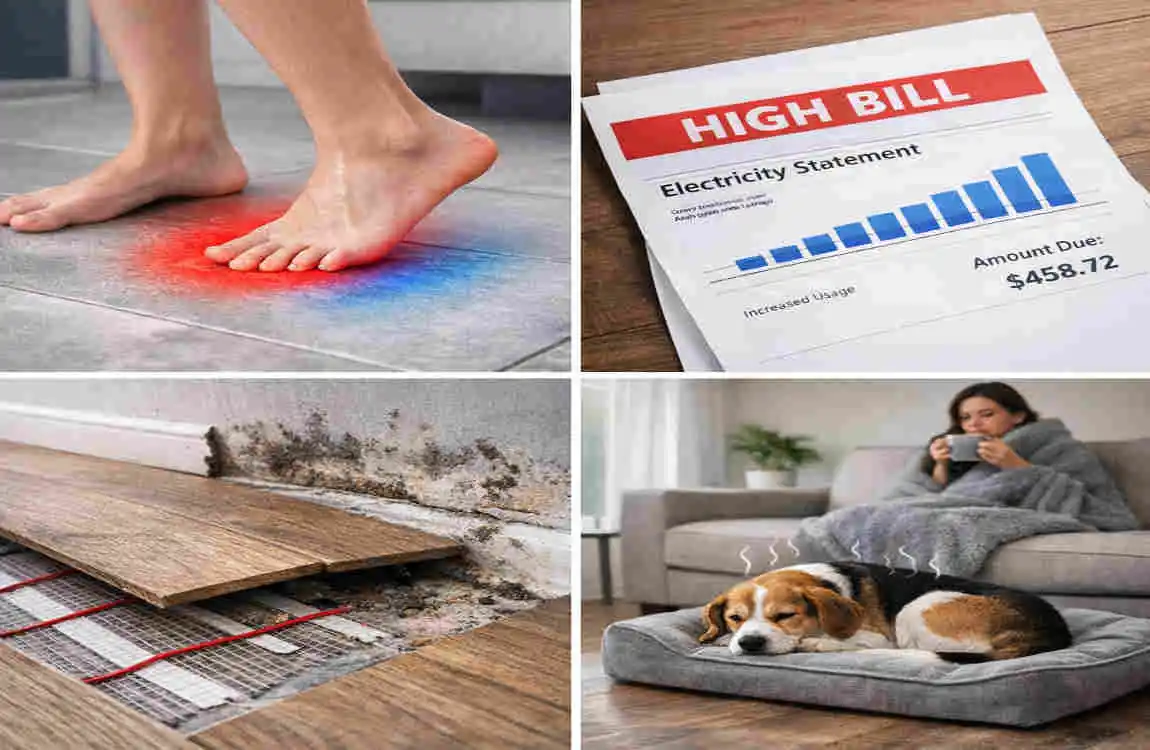
We have established that the myths of spontaneous fires and severe burns are unfounded. However, no home improvement project is without its genuine considerations. While the overarching answer to “Are heated floors safe?” is yes, there are practical risks associated with poor installation or system neglect. Here is an honest look at the real risks and exactly how you can mitigate them.

Electrical Issues and Faulty Wiring

The Risk: The most legitimate danger associated with electric radiant floors comes from human error during installation. If an amateur DIY installer accidentally nicks the wire with a trowel, fails to test the resistance properly, or connects the system to an overloaded electrical breaker, it can lead to short circuits. While a GFCI will catch this and shut the system down, a broken wire underneath tile means you have a dead, useless floor that is very expensive to fix.

The Mitigation: Always rely on professional installation, or at the very least, professional supervision. An installer will use a digital multimeter and an alarm device called a “megger” continuously during the installation process. This ensures that if a wire is compromised, they know instantly before the tile is laid down. Furthermore, always have a certified electrician handle the final wiring to the main electrical panel.

Water Leaks in Hydronic Systems

The Risk: If you opt for a water-based system, the concern shifts from electricity to plumbing. Homeowners worry that the pipes hidden in the concrete might burst or slowly leak, causing catastrophic hidden water damage, mold growth, and structural rot.

The Mitigation: While a valid concern, massive leaks are incredibly rare with modern materials. Today’s systems use seamless PEX tubing. PEX is an incredibly tough, flexible material that can withstand high pressure and fluctuating temperatures without cracking like old copper or PVC pipes. To mitigate any remaining risk, installers perform strict pressure tests on the system before the floor is sealed. Additionally, incorporating smart leak detectors near the boiler manifold can instantly alert you and shut off the water supply if a pressure drop is detected.

Floor Damage and Warping

The Risk: Heat causes materials to expand. If you install a powerful heating system directly under natural hardwood floors or delicate ceramic tiles without the proper preparation, the fluctuating temperatures can cause the wood to severely warp, cup, or crack the tile grout over time.

The Mitigation: This is easily avoided by using the correct complementary materials. For tile, installers use specialized uncoupling membranes. These flexible mats sit between the heating wires and the tile, absorbing the stress of expansion and contraction so your tiles never crack. If you are using wood flooring, you must choose engineered hardwood (which is designed to handle heat) rather than solid hardwood, and carefully follow the manufacturer’s guidelines for maximum temperature settings.

Vulnerable Groups: Pets and Young Children

The Risk: While the floor will not burn them, animals and babies cannot easily regulate their own body temperatures. A dog sleeping for hours on a heated floor might become uncomfortably overheated and dehydrated without realizing it immediately.

The Mitigation: This is where modern smart home technology shines. Utilize highly programmable thermostats. You can set the floors to warm up in the morning and evening, but cool down during the day. You can also strategically map the layout so that specific areas (like right under the dog bed or inside a small closet) do not have heating cables running beneath them, creating natural “cool zones.”

Risks Comparison

Risk Type: Electric Systems, Hydronic Systems, Best Mitigation Strategy

Shock / Fire Very Low Practically None Professional GFCI wiring, thorough multimeter testing.

Water Leaks None Low Seamless PEX tubing, pre-installation pressure tests, leak detectors.

Overheating / Warping Rare Rare Smart thermostats, uncoupling membranes, engineered wood.

Safety Standards & Certifications

are heated floors safe

The safety of these systems is not left to chance or the good intentions of manufacturers. The radiant heating industry is governed by a massive, strict web of international building codes and independent testing laboratory standards. When you ask, “Are heated floors safe?” the answer is backed by rigorous scientific testing.

Strict US Building Codes

In the United States, electrical safety is primarily governed by the National Electrical Code (NEC). Specifically, NEC Article 424 is dedicated entirely to fixed electric space-heating equipment, which includes radiant floors.

This code dictates exactly how thick the insulation around the wires must be, how far apart the cables must be spaced to prevent heat pooling, and mandates the absolute requirement of GFCI protection. Furthermore, building codes universally restrict the maximum operating temperature of the floor surface to that safe 85°F limit we discussed earlier. Local building inspectors will strictly check for compliance with these codes before signing off on a renovation.

International Testing and Certifications

Reputable heating manufacturers do not just promise safety; they prove it in laboratories. Before a heating mat or a roll of PEX tubing can be sold, it must pass brutal stress tests.

For electric systems, look for the UL (Underwriters Laboratories) or ETL (Intertek) listed marks. These independent organizations test the cables by subjecting them to extreme voltages, attempting to crush them, and soaking them in water to ensure the insulation never fails under real-world conditions.

For hydronic water systems, the CSA (Canadian Standards Association) and similar bodies rigorously test the PEX tubing for burst pressure, longevity, and resistance to chemical degradation. When a product carries these certification stamps, it means it has survived conditions far worse than your bathroom floor will ever experience.

Installation Best Practices

Even the safest, most heavily certified product can become dangerous if installed recklessly. Industry safety standards also cover the physical installation.

  • Proper Spacing: Cables must never be allowed to cross over one another or touch, as this creates a concentrated “hot spot” that can melt the wire.
  • Sensor Placement: The thermostat temperature sensor must be placed perfectly flush between two heating wires, ensuring it reads the true temperature of the floor to prevent overheating.
  • Subfloor Integrity: The system must be installed on a structurally sound, clean, and properly insulated subfloor to direct the heat upward safely.

Types of Heated Floors: Safety Breakdown

While both major types of radiant heating are fundamentally safe, their risk profiles differ slightly depending on where and how you plan to use them. Let’s break down the unique safety considerations for electric, hydronic, and retrofit installations.

Electric Mat and Cable Systems: The Bathroom Champions

Because electric systems rely on running active electrical currents directly under the floor, it is natural to feel hesitant about putting them in the wettest room in the house: the bathroom.

However, electric systems are actually the premier choice for bathroom remodels, and they are completely safe to use even right up to the edge of the shower—the secret lies in the manufacturing. The heating cables are heavily sealed with waterproof fluoropolymer jackets. Look for systems with high IP (Ingress Protection) ratings, which verify that the cables are completely impervious to water.

Furthermore, because these systems are equipped with dual-core EMF-shielded technology, you can comfortably step right out of the bathtub onto a warm, electrically heated tile without a second thought, completely protected by the required GFCI circuit.

Hydronic Systems: Safe, Steady, and Heavy-Duty

Hydronic systems carry a completely different safety profile. From an electrical shock or fire hazard standpoint, they are virtually invincible. There is zero electricity running through the floor itself—only warm water.

The safety concerns with hydronic heating are concentrated at the source: the boiler or water heater. Boilers require proper venting to exhaust carbon monoxide safely, and they require regular maintenance to ensure the pressure valves are functioning correctly. As long as the central boiler is professionally maintained, the floors themselves are entirely benign. This makes them an incredibly safe choice for entire living rooms, basements, and bedrooms.

Retrofits vs. New Builds: Navigating the Hidden Risks

The context of your project heavily influences the safety of the installation. Installing heated floors in a brand-new construction is relatively straightforward. The architects design the floor joists to handle the weight, and the subfloor is perfectly clean and level.

However, retrofitting heated floors into an older, existing home carries higher intrinsic risks. In older homes, the wooden subfloor might be uneven, rotting, or structurally weak. If you lay heavy mortar, heating cables, and heavy tile over a weak, flexing subfloor, the floor will eventually crack, potentially severing the electric heating wire underneath.

When doing a retrofit, the primary safety focus must be on subfloor preparation. You may need to reinforce the floor joists, lay down thick cement backer board, or pour a self-leveling underlayment to create a solid, stable foundation before the heating elements even touch the floor.

Installation Guide: Ensuring Safety Every Step of the Way

are heated floors safe

Safety isn’t just a feature of the product; it is an active process during the installation. If you are hiring a professional, knowing these steps helps you ensure they are doing the job correctly. If you are an experienced DIYer tackling an electric mat installation, meticulously following these steps is paramount.

Thoroughly Assess the Subfloor and Electrical Load. Before purchasing anything, inspect your subfloor. It must be completely rigid, clean, and free of any sharp nails or debris that could puncture a wire. Next, assess your home’s electrical panel. Does your bathroom circuit have enough spare amperage to handle the extra load of a heating mat without constantly tripping the breaker? You may need an electrician to pull a dedicated circuit.

Choose the Right System and plan the Layout. Measure your walkable floor space carefully. You must not install heating mats directly under flat-bottomed cabinets, toilets, or heavy appliances, as this traps the heat and causes system failure. Map out exactly where the mats will run, ensuring you maintain the manufacturer’s required distance from the walls.

Wire, Test, and Test Again. This is the most critical safety step. Unroll the mats and use hot glue or tape to secure them. Do not cross the wires. Before you mix a single drop of mortar, use a digital multimeter to test the ohms resistance of the cable. Compare the reading to the factory tag. Test it again. Connect a loud “megger” alarm that will scream if the wire is accidentally cut later. Finally, ensure the system is wired to a dedicated GFCI.

Thinset, Tile, and Thermostat Placement. Carefully install the floor temperature sensor wire exactly halfway between two heating cables. Using a plastic trowel (never a sharp metal one that could nick a wire), gently cover the mats in a layer of modified thin-set mortar. Lay your tiles over the top, being incredibly careful not to drop heavy tools on the exposed wires.

Final Certification and Curing Patience Test the wires one last time before wiring the thermostat. Crucial warning: Do not turn the system on immediately to test the heat! You must wait for the mortar to cure fully, which usually takes up to 28 days. Turning it on too early will bake and crack the mortar, destroying the integrity of your safe, new floor. Also, remember to avoid placing thick, dense carpets over heated floors, as they can trap heat and trigger the safety shutoffs.

Always end your project by having a certified electrical inspector review the work to ensure total peace of mind.

Cost vs. Safety Value

When planning a renovation, budget is always top of mind. The initial cost of installing heated floors typically ranges from $5 to $12 per square foot for materials, plus the cost of professional electrical and tile installation. Hydronic systems can cost significantly more upfront due to the boiler and plumbing requirements.

It can be tempting to search the internet for the absolute cheapest heating mats available to cut corners. However, when it comes to burying high-voltage electricity under your family’s feet, bargain hunting is a massive safety risk.

Cheap, uncertified imported mats often feature inferior wire insulation that can degrade over time, leading to short circuits or dead floors. Investing in Premium, UL-listed systems with dual-core wire technology guarantees safety and longevity.

Furthermore, this upfront investment yields long-term value. Because radiant heat is highly efficient, many homeowners see a return on their investment within roughly five years through lower winter utility bills. A high-quality, safely installed system will last for decades without the frequent breakdowns, noisy fans, or duct-cleaning costs associated with traditional forced-air furnaces. You are buying robust safety and reliable longevity.

Expert Insights & Case Studies

To solidify the safety profile of radiant floors, we can look to the professionals who install and inspect them every single day.

Leading electrical inspectors and heating engineers routinely emphasize the reliability of modern systems. As one master electrician noted, “When we follow the NEC guidelines and utilize GFCI breakers, the risk of shock from an electric floor mat drops to practically zero. The technology is incredibly mature; the wire shielding is robust, and the thermostats are highly intelligent.”

Industry case studies consistently back this up. Independent post-installation audits of residential electric and hydronic underfloor heating systems have repeatedly demonstrated that over 99% of properly installed systems operate flawlessly and safely for their entire projected lifespan. The incredibly rare failures that do occur are almost universally traced back to severe installation errors (like a severed wire during tiling) rather than a flaw or danger inherent in the product itself. When you trust the professionals and follow the code, the system is exceptionally safe.

Frequently Asked Questions (FAQs)

Are heated floors safe for wet environments like bathrooms and showers?

Yes, absolutely. This is their most popular application. Electric heating mats designed for bathrooms feature thick, waterproof fluoropolymer insulation. As long as you purchase mats with the correct waterproof IP rating and ensure they are connected to a GFCI breaker, they are completely safe from water interference, even under shower floors.

Can heated floors cause cancer or health issues due to EMFs?

No. There is zero scientific evidence linking modern heated floors to cancer. Reputable modern electric mats use a specialized dual-core wiring design. Because the electrical currents run in opposite directions next to each other, they actively cancel out each other’s electromagnetic field. They produce virtually zero EMFs and are perfectly safe for long-term daily exposure.

What is the maximum safe temperature for a heated floor?

Industry safety standards and building codes dictate that the surface temperature of the floor should never exceed 85°F (29°C). Most modern programmable thermostats have this hard-coded limit built right in. This temperature feels comfortably warm to bare skin but is far below the threshold required to cause burns or ignite flammable materials.

Which is safer: a hydronic system or an electric system?

Both are exceptionally safe when installed correctly, but they have different risk profiles. Hydronic systems carry absolutely zero electrical shock risk in the floor, but they do carry a very small risk of water leaks. Electric systems carry zero risk of water damage, and their shock/fire risks are heavily mitigated by thick wire armor and fast-acting GFCI breakers. Your choice should be based on your heating needs and budget, not a fear of one over the other.

Is it safe to install heated floors as a DIY project?

While rolling out the mats and laying the tile can be a manageable DIY project for a highly experienced homeowner, the final electrical connections should always be handled by a licensed professional. The risks of overloading a circuit, failing to test the wire resistance properly, or bypassing GFCI protections are too high for a novice. For hydronic systems, DIY is generally not recommended at all due to the complex plumbing and boiler integration required.

You may also like...

Leave a Reply

Your email address will not be published. Required fields are marked *