How Cockroaches Sneak Into Your House
Cleaning

How Do Cockroaches Get Into My House? 6 Sneaky Entry Points + Cleaning Tips to Seal

If that has ever happened to you, you are not alone. Many homeowners ask the same worried question: how do cockroaches get into my house if I clean often? It can feel unfair, especially when your home looks neat on the surface. But cockroaches do not need a dirty home to survive. They need tiny entry points, a little food, and a bit of moisture.

That is why homes in busy, warm, and humid cities often face this problem. In places like Lahore, for example, older buildings, shared walls, drain lines, and monsoon moisture can create the perfect setup for roaches to move in quietly. They can slip through gaps as small as a quarter inch, hide in dark spaces, and stay close to water sources.

The good news is this: you can address many of these problems with the right cleaning habits and a few smart sealing steps.

Entry Point How Cockroaches Use It Quick Cleaning & Sealing Tips
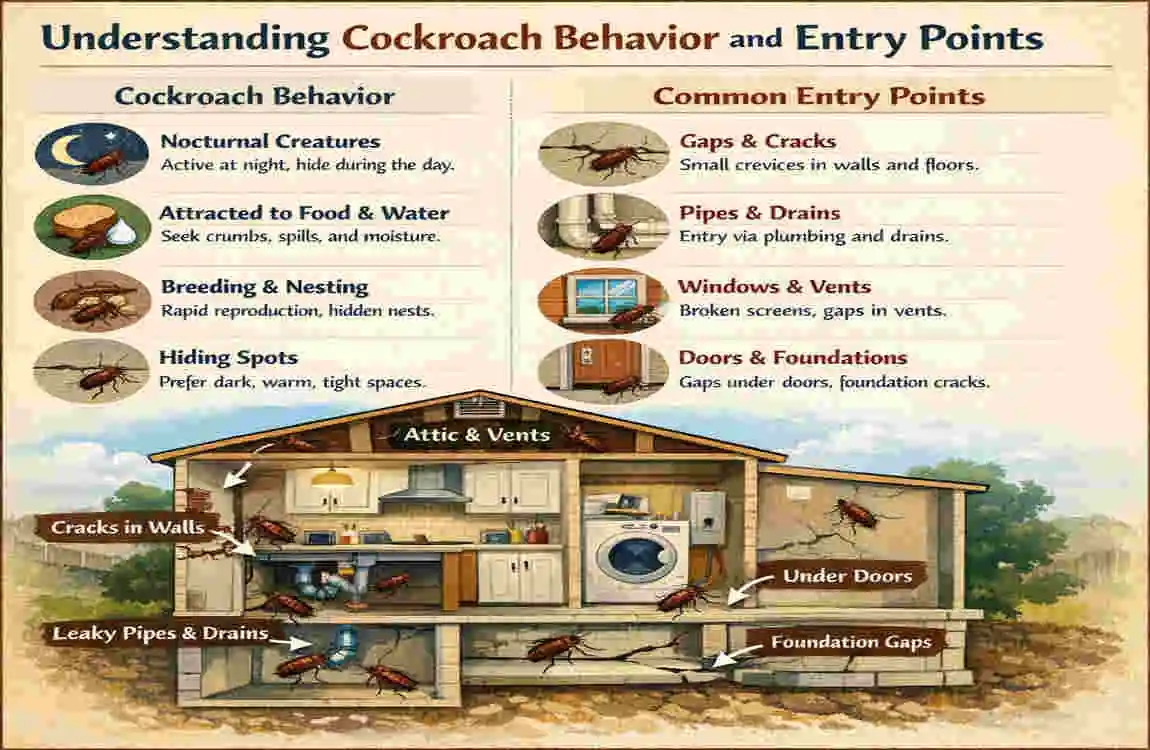
Under doors and door frames Roaches slip through gaps below exterior and interior doors, especially if seals are worn. Install door sweeps, replace torn weather‑stripping, and vacuum gaps regularly to remove crumbs and debris that attract them.
Cracks in walls, floors, and baseboards Tiny cracks and gaps around skirting, tiles, and foundations let roaches crawl in and hide. Use silicone sealant or expanding foam to fill visible cracks; sweep and mop baseboards weekly to remove food residue.
Windows and broken screens Open or damaged windows and torn screens give easy access at ground and higher levels. Check and repair window screens, re‑caulk frames, and clean window tracks to remove dust and dead insects that attract roaches.
Plumbing, pipes, and drains Pipes through walls, leaks, and floor drains act as hidden tunnels and moisture sources. Tight‑seal gaps around pipes with sealant, repair leaks promptly, and pour a mix of hot water and vinegar down drains monthly.

Why Cockroach Entry Points Matter More Than You Think

How Cockroaches Sneak Into Your House

Cockroaches do not always come from one obvious place. In many homes, they enter through several cockroach entry points at once. That is why spraying one corner and hoping for the best usually fails. If you do not block the entry and remove the attractants, the roaches keep coming back.

Think of it this way: if your home has food crumbs, standing water, and open gaps, you are not just inviting one cockroach. You are creating a path for more. Some hide in walls. Some move through pipes. Some arrive in boxes from the market. That is why a cleaning-only approach without sealing often falls short.

To really seal cockroaches out, you need two things:

  • Remove what attracts them
  • Close the places they use to get inside

When those two steps work together, your results improve fast. You do not just reduce sightings. You also reduce nesting, egg laying, and repeat infestations.

That is the heart of this guide. It is not just about cleaning harder. It is about cleaning smarter.

6 Sneaky Cockroach Entry Points You Should Check First

Quick view of the most common entry points

Before we go deep into each one, here is a simple overview of where roaches usually enter and how you can respond.

Entry PointSneaky FactorQuick Seal HackPrevention Score (1–10)

Cracks in foundation and walls Fits tiny gaps near soil and masonry Caulk and patch cracks 9

Gaps around doors and windows Slips through worn seals and loose frames Door sweeps and weatherstripping 8

Utility lines and pipes Uses hidden holes around plumbing and cables Foam sealant and silicone 7

Drains and sinks Travels through dry or open drain traps Keep traps wet and clean 10

Vents and dryer exhausts Enters through unscreened openings Fine mesh screens 9

Grocery bags and boxes Hides in packaging and egg cases Inspect and discard cardboard quickly 6

This table gives you a good starting point. Now let us look at each cockroach entry point in detail.

Cracks in Foundation and Walls

One of the most common cockroach entry points is also one of the easiest to ignore. Small cracks in the foundation, loose plaster, and gaps in walls may look harmless, but to a cockroach they are wide-open doors.

Roaches are flat, quick, and very good at squeezing into tight places. If your home has older walls, settling soil, or minor damage around the base of the building, roaches can move in from the outside, from the yard, or even from neighboring spaces. In many older Lahore homes, this is a real issue because building movement and weather changes can widen tiny gaps over time.

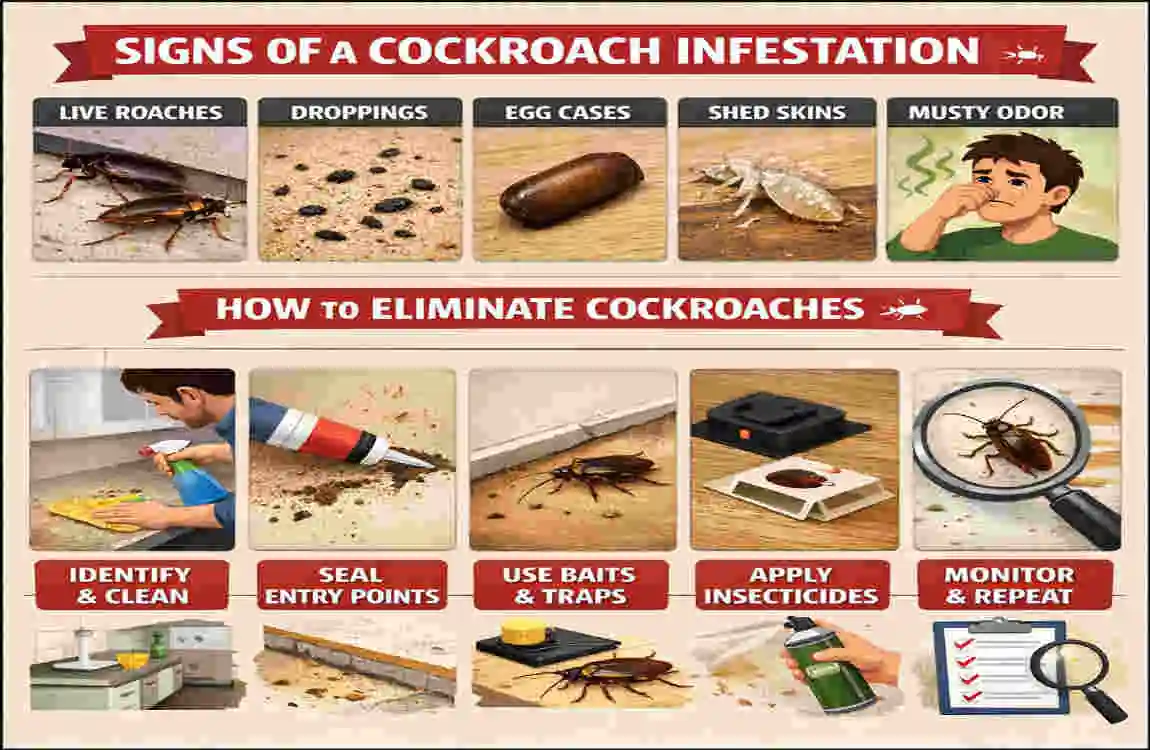
What makes this sneaky is that you usually do not notice it until you see the signs. You may spot small droppings that look like black pepper or coffee grounds near baseboards, under sinks, or along wall edges. You may also notice a musty smell in quiet corners.

The best way to check is simple. At night, use a flashlight and look closely along exterior walls, around floor edges, and near basement-style openings if your home has them. Roaches often move at night, so a late inspection can reveal where they are hiding.

If you want to seal cockroaches out, patching cracks should be one of the first jobs on your list. Even a small repair can cut off a major route.

What this means for your cleaning routine

A smart how-do-cockroaches-get-into-my-house cleaning tip is not just about wiping surfaces. It is also about spotting where the roaches are entering in the first place. Clean along wall edges regularly, and make sure dust or crumbs don’t hide the signs of activity.

 Gaps Around Doors and Windows

Doors and windows should protect your home, but worn seals can do the opposite. Loose weatherstripping, uneven door frames, and broken window seals are all common cockroach entry points.

This problem often gets worse in humid weather. During monsoon season, moisture can soften materials, shift frames slightly, and make gaps easier to use. A roach does not need a big opening. If the gap is wide enough to crawl through, it is wide enough for them.

You may notice activity near thresholds, especially at night or early morning. If a cockroach keeps appearing near the same door, that is a strong clue. You may also feel air drafts, see light coming through the bottom of a door, or notice that a window does not close tightly.

The good news is that this is one of the easiest problems to fix. A door sweep, fresh weatherstripping, or a tighter window seal can make a huge difference. These small updates help seal cockroaches out and also improve energy efficiency.

For many homes, especially busy family homes, this is a fast win. It does not take much time, but it can close one of the main entry points into your house.

Simple check to do today

Stand inside your home at night and look for light coming in around doors and windows. If you can see light, air, or movement, a roach can probably use that space too.

Utility Lines and Pipes

Roaches love hidden routes. That is why utility lines are such important entry points for cockroaches. Plumbing pipes, electrical cables, AC lines, and gas lines often pass through walls with small unfinished gaps around them. Those holes may not look serious, but cockroaches use them like tunnels.

This is especially common in homes where plumbing repairs or renovations were done quickly and the gaps were never properly sealed. Roaches can travel through these spaces from neighbors, service areas, crawl spaces, or sewer-connected areas.

You may notice activity around meters, under sinks, behind toilets, or near pipe entry points. If you see droppings, shed skins, or roach movement in those areas, utility lines may be the problem.

A simple seal can make a big difference. Use a suitable foam or silicone material for the job, depending on the opening’s size and location. The goal is to block the route without leaving messy gaps behind. If you are unsure about electrical areas or larger utility holes, it is wise to get help from a professional.

When building your home pest-cleaning routine, do not stop at the visible surfaces. Look behind appliances, under sinks, and around every pipe that enters the wall. That is where many infestations start.

Why this matters for roach control

If you only clean the kitchen and ignore the hidden entry routes, you may keep attracting roaches without realizing it. That is why a strong how do cockroaches get into my house cleaning tip plan always includes sealing utility gaps.

Drains and Sinks

If you want to understand one of the most serious cockroach entry points, look at your drains. Cockroaches can travel through sink drains, shower drains, floor drains, and even toilet plumbing when conditions allow.

This is a major issue in homes where drain traps dry out. A drain trap is designed to hold water and prevent sewer gases and pests from rising. But if that water evaporates, the barrier weakens. That means sewer roaches may move into the home through the plumbing system.

This is one reason roaches sometimes appear in bathrooms or kitchens even when the room looks spotless. The path is coming from below, not from the counter.

Signs are usually easy to spot. You may see a roach near a tub, sink, or shower drain. You may also smell something odd from a drain that has not been used for a while. In some homes, especially in warm weather, the problem worsens because water evaporates more quickly.

A good cockroach drain trap habit is simple: keep drains active and wet. Pour water into unused drains every week. In some homes, a small amount of mineral oil can slow evaporation in the trap. Enzyme cleaners can also help keep drain areas cleaner without leaving heavy residue.

For homes in Lahore, this matters even more during hot months and humid monsoon weather. Moisture and plumbing issues often go hand in hand, so drain maintenance should always be part of your home pest control routine.

Important cleaning tip

This is one of the best answers to the question of how to keep cockroaches out of my house, as it fixes both the access point and the moisture problem at the same time.

Vents and Dryer Exhausts

Vent openings are another one of those cockroach entry points people forget about. Kitchen vents, bathroom vents, attic vents, and dryer exhaust lines can all give roaches a way in if they are not properly screened.

Roaches like dark, protected, warm spaces. Vents can give them exactly that. Dryer vents are especially attractive because they often collect lint, warmth, and moisture. If the vent cover is damaged or the screen is missing, roaches may enter and hide inside.

You may hear movement in duct spaces, or you may notice roaches in laundry areas and near wall openings. Sometimes the first clue is just a random roach in a room that seems otherwise clean.

A fine mesh cover can help block entry without reducing airflow too much. The point is to let air move while keeping pests out. Regular cleaning of lint and dust around vent areas also helps. If you neglect the vent area, it becomes a quiet tunnel for pests.

This is one of the most overlooked places to seal cockroaches out. People think of doors and windows first, but vents often create the hidden path.

Good habit to remember

If you are building a smarter cleaning routine, check the vents whenever you deep-clean the home. It only takes a few minutes, but it can save you from a bigger problem later.

Grocery Bags and Boxes

Not all cockroach entry points are structural. Some roaches hitchhike right into your home through packaging. Cardboard boxes, grocery bags, delivery cartons, and storage containers can carry cockroaches or egg cases from a store, warehouse, or another infested space.

This is especially important if you bring home cardboard from supermarkets, storage areas, or shared building trash rooms. Cockroaches love cardboard because it is dark, soft, and easy to hide in. Egg cases can sit unnoticed inside folds, corners, or taped seams.

You may first notice the problem in your pantry, near dry food, or inside cupboards where grocery items are stored. If a box or bag arrived from outside and was placed directly in the kitchen, that might have been enough.

The prevention step is simple. Inspect bags and boxes before bringing them inside. Shake them out if needed. Throw away outer cardboard quickly rather than storing it indoors. Keep food in hard, airtight containers rather than leaving it in flimsy packaging.

This habit alone will not solve every roach problem, but it will reduce the chances of bringing in new pests.

A practical reminder

A great how-do-cockroaches-get-into-my-house cleaning tip is to treat every outside package as a possible hiding place until you check it. That one habit can prevent a lot of trouble.

Cleaning Tips That Help Seal Entry Points and Stop Roaches

How Cockroaches Sneak Into Your House

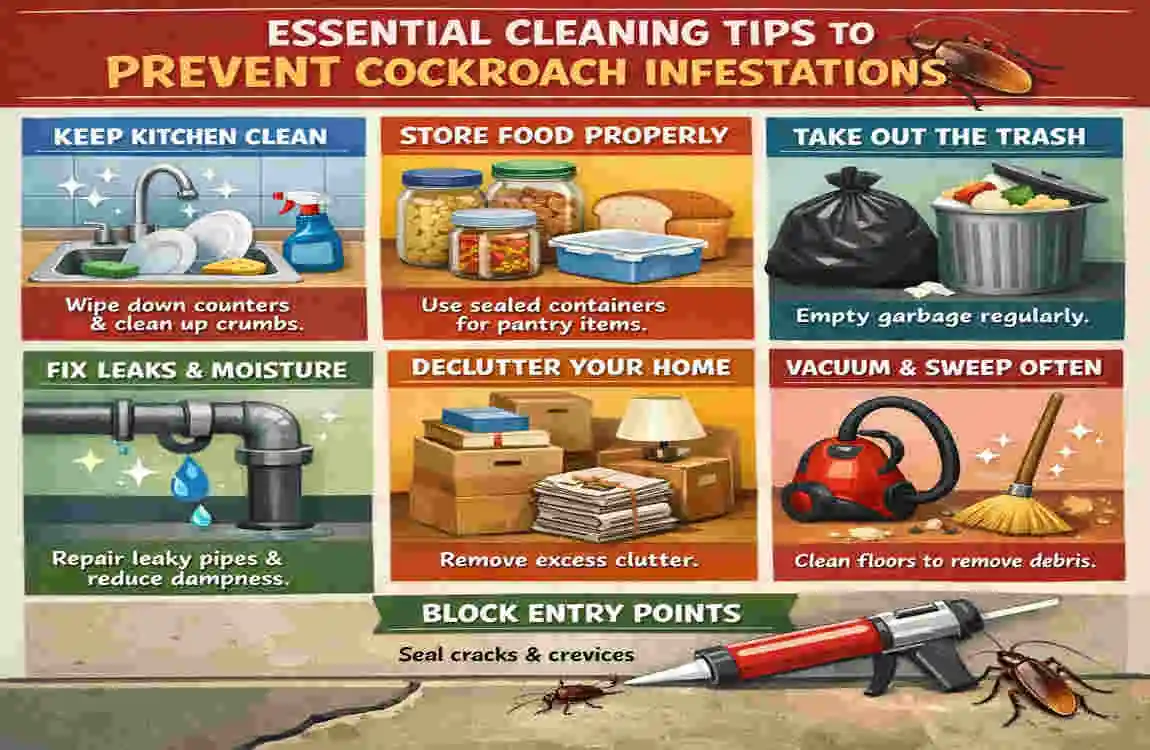
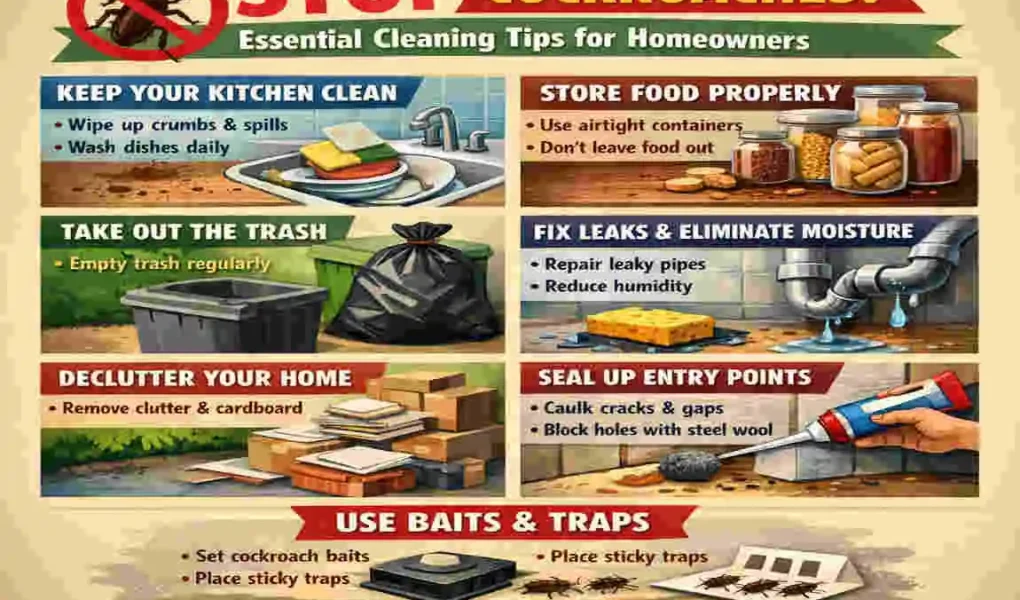
Now that you know where cockroaches get in, let us talk about what to do next. Cleaning is not just about making the home look nice. It is one of the best ways to remove the things that attract roaches in the first place.

The goal is simple: remove food, remove water, remove hiding places, and block access.

How Do Cockroaches Get Into My House Cleaning Tip: Kitchen Deep Clean

If you want the fastest results, start in the kitchen. Cockroaches love kitchens because kitchens offer crumbs, grease, water, and plenty of hiding spots. That is why a kitchen deep clean is one of the most powerful ways to prevent roaches kitchen problems.

Start by wiping counters, stove tops, cabinet fronts, and table surfaces every day. Do not forget the hidden spots, like behind the toaster, under the microwave, and around the fridge base. Crumbs often collect there without being noticed. Sweep and mop under appliances whenever possible.

Trash also matters. Empty kitchen trash daily, especially if it contains food scraps. Use a bin with a tight lid. Store grains, flour, snacks, and pet food in airtight containers. Loose food packaging gives roaches an easy meal and often a place to hide.

A simple cleaning sequence helps:

  1. Wipe surfaces with a mild vinegar solution or regular cleaner.
  2. Sweep or vacuum crumbs from corners and under cabinets.
  3. Wash dishes before bed instead of leaving them overnight.
  4. Clean grease around the stove and exhaust areas.

If you choose to use boric acid, place it only in hidden, hard-to-reach areas and keep it out of reach of children and pets. Safety always comes first.

A clean kitchen does not just look better; it also feels better. It removes the very conditions that let roaches survive.

How Do Cockroaches Get Into My House Cleaning Tip: Drain Maintenance

Drain care is one of the most powerful roach-control steps you can take. If you ignore drains, you may keep wondering why roaches keep coming back even after cleaning everything else.

Focus on sinks, shower drains, floor drains, and any drain that is not used often. Run water through these drains at least once a week to keep the traps wet. This is especially useful in warm weather or during long vacations when water may dry out.

You can also carefully pour boiling water down some drains if the plumbing allows it, or use an enzyme-based cleaner to help break down buildup. This keeps the drain cleaner and less appealing to pests.

For a strong cockroach drain-trap routine, don’t just run water once and forget it. Make it part of your weekly schedule. If a drain smells, gurgles, or dries out quickly, it needs attention.

In Lahore homes, this step can matter even more during humid months. Moisture and drainage problems often go hand in hand, so keeping traps active is a smart defense.

If you want to seal cockroaches out where they are most likely to come in, this is one area you should not skip.

How Do Cockroaches Get Into My House Cleaning Tip: Seal and Caulk

Cleaning alone is not enough if your home still has open cracks and gaps. That is why sealing matters so much. A complete how-do-cockroaches-get-into-my-house cleaning tip routine should always include a sealing check.

Look around the outside of your home first. Check cracks in walls, gaps near windows, openings around pipes, and spaces near door frames. Then move indoors and look around sinks, baseboards, cabinets, and utility access points.

Use caulk for small cracks and silicone around pipe openings. Door sweeps can block the gap under exterior doors. Weatherstripping can tighten loose windows and improve the seal around frames. For larger areas, foam sealant may work, but use the right product for the right space.

Here is a simple tool list to get started:

  • Caulk gun
  • Silicone sealant
  • Door sweep
  • Weatherstripping
  • Utility hole filler or foam sealant

You do not need fancy tools to begin. Many home improvement supplies are affordable and easy to find. Even a small sealing project can make a big difference in how well you seal cockroaches out.

This is especially useful for older homes and apartments where shared walls and old pipe openings make entry easy.

How Do Cockroaches Get Into My House Cleaning Tip: Declutter and Vacuum

Clutter gives cockroaches room to hide, travel, and nest. Cardboard boxes, paper piles, unused containers, and stuff stored on the floor all create shelter. That is why decluttering is such an important part of any home pest cleaning routine.

Start by removing old cardboard, broken boxes, and paper stacks from kitchens, storage rooms, and utility areas. These items are especially attractive to roaches because they offer darkness and shelter.

Next, vacuum regularly. Focus on corners, under furniture, around baseboards, and inside cabinet edges. If your vacuum has a crevice tool, use it to reach narrow spaces where crumbs and egg cases may hide. After vacuuming, empty the canister or bag right away to prevent pests from staying inside the machine.

A quick wipe with a mild bleach solution or regular disinfectant can help clean the area after vacuuming, especially in problem spots.

Decluttering is not just about appearance. It removes shelter. And when roaches lose shelter, they become easier to detect and control.

How Do Cockroaches Get Into My House Cleaning Tip: Moisture Control

If food brings cockroaches in, water helps them stay. That is why moisture control is one of the most important pieces of the puzzle.

Check under sinks, behind toilets, around washing machines, and near water heaters for leaks. Even a small drip can keep cockroaches alive and active. Dry off wet bathroom floors and keep sink areas as dry as possible after use. If your bathroom stays damp, use ventilation or a dehumidifier if you have one.

This also helps around kitchen sinks and dish areas. Do not leave standing water in trays, basins, or containers overnight. Empty pet water bowls if possible and wipe around them.

The fewer water sources you leave out, the harder it is for roaches to settle in. They cannot survive as well without moisture, so this is one of the smartest long-term habits you can build.

A dry home is not just cleaner; it’s safer. It is less inviting to pests.

How Do Cockroaches Get Into My House Cleaning Tip: Nightly Routine

How Cockroaches Sneak Into Your House

A simple nightly routine can protect your home more than you might think. Before bed, do a quick sweep of the kitchen and the surrounding areas. Wipe counters, put away food, load or wash dishes, and sweep visible crumbs from the floor.

This takes only a few minutes, but it removes the food sources roaches look for at night. Since cockroaches are most active in the dark, a clean kitchen before bedtime makes your home far less appealing to them.

This is one of the easiest habits to maintain because it fits into normal family life. You do not need a full deep clean every night. You just need a small reset.

If you want a simple rule to remember, use this: no food out, no dishes left, no crumbs on the floor.

That one habit alone can help you prevent roaches kitchen problems from building up again.

Cleaning and Sealing Plan: What to Do First

If the list feels like a lot, do not worry. You do not need to fix everything in one day. Start with the biggest problems first.

Here is a simple order that works well for most homes:

  1. Clean the kitchen and remove food sources
  2. Check and wet drain traps
  3. Seal cracks, gaps, and utility openings
  4. Inspect doors, windows, and vents
  5. Declutter storage areas
  6. Repeat weekly

This order matters because it attacks the problem from both sides. You remove what attracts roaches, then you block their access. That is how you get better results with less stress.

If you live in a place like Lahore, pay extra attention to plumbing, drain lines, and monsoon-related dampness. Older buildings and shared utility systems can make roach problems more stubborn. Hence, a steady routine works better than a one-time cleanup.

You can also compare your progress with other home upkeep tasks, such as a 2026 Home Maintenance Checklist or Best Plumbing Fixes for Lahore Homes. Those kinds of routines often overlap with pest prevention because leaks, cracks, and poor seals are all connected.

Long-Term Prevention Plan for a Roach-Free Home

Keep the routine simple and repeat it

The best way to stay ahead of cockroaches is not to wait for a full infestation. Instead, build a routine that you can keep doing. A strong home pest cleaning routine should be easy enough to repeat every week without feeling overwhelming.

Use a monthly checklist to stay organized. Inspect the outside of your home for cracks. Check door sweeps and window seals. Look under sinks and behind appliances. Test drains that are not used often. Vacuum hidden corners. And keep pantry food sealed tightly.

You can also use natural repellents like bay leaves in dry storage areas, but treat them as a support tool, not a full solution. They may help with odor control and storage freshness, but they do not replace cleaning and sealing.

When to call a professional

Sometimes a home needs more than DIY cleaning. If you keep seeing roaches during the day, find droppings in several rooms, or notice egg cases in multiple hidden places, the problem may be larger than expected. At that point, calling a pest professional can save time and frustration.

Professional help is especially useful if the infestation appears to be coming from shared walls, sewer connections, or hidden spaces you cannot easily reach.

The key is not to panic. Just respond early. The sooner you act, the easier it is to seal cockroaches out and keep them out.

A simple prevention mindset

Think of roach prevention as a habit, not a one-time job. Clean often. Seal gaps. Watch for moisture. Inspect storage. And repeat.

That is the formula.

FAQ

How do cockroaches get into my house cleaning tip for apartments?

In apartments, roaches often enter through cockroach entry points such as shared walls, drain lines, pipe openings, and gaps around doors or cabinets. Focus on drains, kitchen cleanliness, and sealing small openings around pipes and baseboards.

Do clean houses get roaches?

Yes. A clean house can still get roaches if there are entry points, moisture, or nearby infestations. Cleaning helps a lot, but you still need to seal off entry points and remove hiding spots.

What is the fastest seal tip?

If you need the quickest win, start with door sweeps and weatherstripping. These can block a surprisingly common route and help you prevent roaches kitchen and hallway problems fast.

Are boric acid treatments safe for kids and pets?

Boric acid can be helpful when used carefully in hidden places, but it must be kept out of reach of children and pets. Follow label directions and avoid placing it where it can be touched or eaten.

You may also like...

Leave a Reply

Your email address will not be published. Required fields are marked *