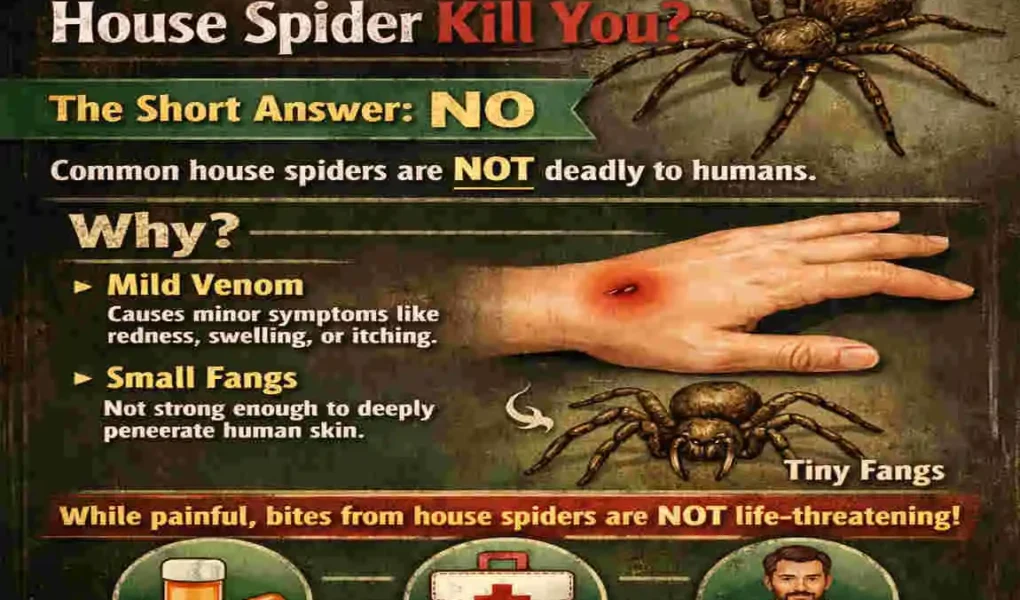
If you have ever seen a spider in your bathroom, basement, or bedroom, you may have wondered if a house spider can kill you. The short answer is rarely. Most common house spiders are small, shy, and far more interested in catching insects than bothering people.
Still, fear is normal. A spider crawling across the wall can feel scary, especially if you do not know what kind it is. Many people also worry because spider bites are often talked about dramatically.
What Is a Common House Spider?
Characteristics of House Spiders
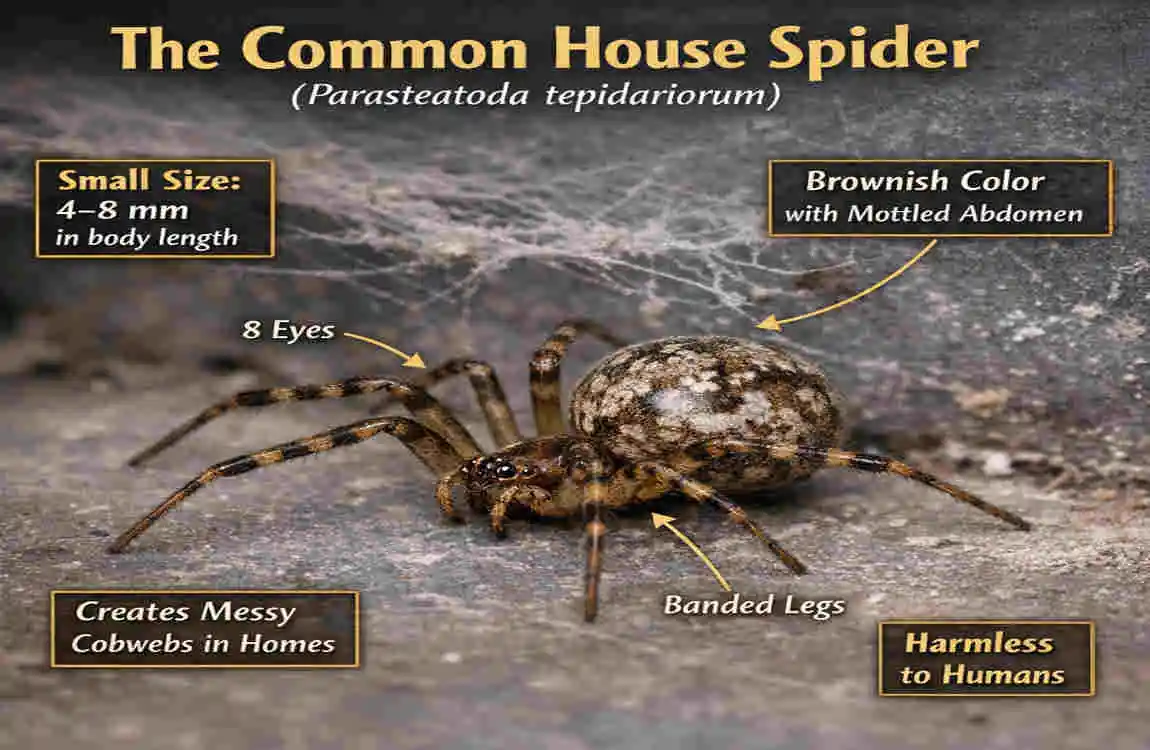
Common clean house spiders are usually small to medium-sized and have thin legs with simple body markings. They are often brown, gray, tan, or slightly yellowish.
Most of them do not look dramatic or colorful. They blend in with walls, corners, and furniture, which is one reason people notice them only when they move.
Where Do House Spiders Live?
You will often find house spiders in:
- Corners of rooms
- Basements
- Garages
- Attics
- Behind furniture
- Near ceilings and windows
They prefer quiet places where they are not disturbed much. That is why they are often seen in hidden spots.
Why House Spiders Enter Homes
House spiders usually come inside for shelter, food, and warmth.
If your home has insects like flies, mosquitoes, or ants, spiders may stay because they have something to eat. They may also move indoors during colder weather or when outdoor conditions become too dry.
Can a House Spider Kill You?
The Short Answer
No, a common house spider is not considered deadly to healthy humans. Most house spiders are harmless and would rather run away than bite.
Their bite, if it happens at all, is usually mild and short-lived.
Are Their Bites Dangerous?
A bite from a common house spider may cause:
- Slight redness
- Mild itching
- Small swelling
- Temporary discomfort
For most people, these symptoms go away on their own. Serious reactions are very rare.
Can Spider Venom Be Fatal?
House spiders do have venom, but it is mainly used to catch insects, not people. In common house spiders, that venom is usually too weak to cause serious harm to healthy adults.
So while the word “venom” sounds alarming, it does not mean the spider is dangerous in the way many people imagine.
What Happens If a House Spider Bites You?
Common Symptoms
If a house spider bites you, you may notice:
- Redness
- Mild pain
- Itching
- Swelling
Sometimes the area may feel warm or look like a small bug bite. Many people never even realize a spider bit them.
Symptoms That Require Medical Attention
You should get medical help if you notice:
- Trouble breathing
- A strong allergic reaction
- Severe or spreading swelling
- Pain that gets worse instead of better
- Signs of infection, like pus or fever
If the bite keeps getting more painful or the skin changes color badly, it is best to speak with a healthcare professional.
Which Spiders Are Actually Dangerous?
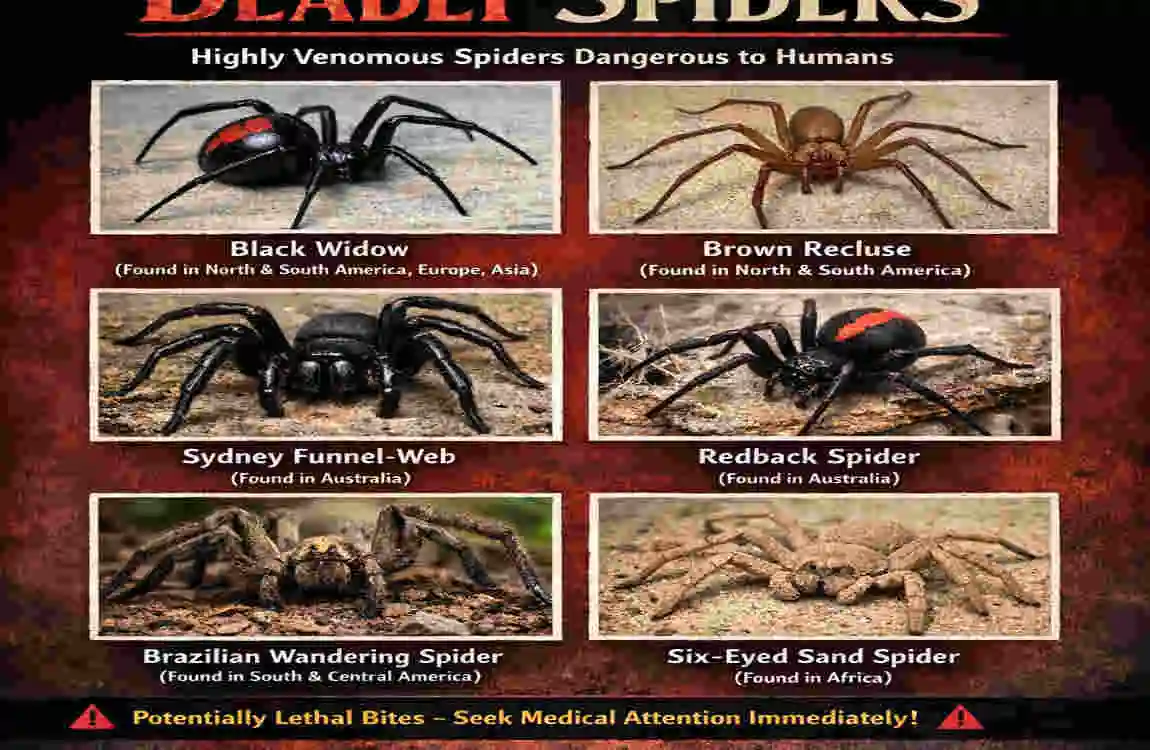
Not every spider is the same. Some are harmless, while others can cause real problems.
Black Widow Spider
The black widow is one of the best-known dangerous spiders. It has a shiny black body and a red hourglass marking on the underside of its abdomen.
Its bite can cause severe pain, muscle cramps, and other symptoms that may need medical care.
Brown Recluse Spider
The brown recluse is another spider that can be harmful. It is usually light brown and has a violin-like marking on its back.
Its bite can sometimes cause skin damage and may need treatment, especially if the reaction is strong.
Why These Are Different from Common House Spiders
The main difference is bite severity. Common house spiders are usually mild and harmless, while black widow and brown recluse spiders can cause more serious reactions.
Here is a simple comparison:
Spider Type Dangerous?Bite SeverityFound Indoors?
Common House Spider Rarely Mild Yes
Black Widow Yes Severe Sometimes
Brown Recluse Yes Moderate to Severe Sometimes
Why People Think House Spiders Are Dangerous
Common Myths
Many people think all spiders are dangerous because they do not know which species they are seeing. A small harmless spider can look scary if you are not familiar with it.
Fear of Spiders (Arachnophobia)
Some people have a strong fear of spiders. That fear can make even a harmless spider seem like a serious threat.
Misidentification of Spider Species
This is a big one. Many people mistake harmless house spiders for dangerous species. In reality, most spiders seen in clean homes are not black widows or brown recluses.
How to Treat a House Spider Bite
First Aid Steps
If a common house spider bites you, try these simple steps:
- Wash the area with soap and water.
- Apply ice or a cold compress to reduce swelling.
- Elevate the area if needed.
- Take pain relief if you need it and if it is safe for you.
Keep the bite clean and watch it for changes.
When to Visit a Doctor
See a doctor if:
- The pain becomes severe
- You develop trouble breathing
- The area becomes infected
- You think the spider may have been a dangerous species
- You are unsure what kind of spider bit you
It is always better to be careful if symptoms do not improve.
How to Prevent House Spiders in Your Home
Keep Your Home Clean
Spiders often stay where they can find insects. A clean home has fewer bugs, which means fewer spiders.
Vacuum corners, sweep floors, and clear away crumbs and clutter.
Seal Cracks and Gaps
Check windows, doors, vents, and walls for small openings. Spiders can slip through tiny spaces.
Use caulk, weatherstripping, or mesh screens to close those gaps.
Reduce Indoor Insects
If you want fewer spiders, reduce the insects they eat. Fix leaks, clean food spills, and remove standing water.
Remove Webs Regularly
If you see webs, remove them often. This helps discourage spiders from settling in.
Natural Spider Repellents
Many people use natural methods such as peppermint oil, vinegar spray, or citrus scents. These may help, but they work best when combined with cleaning and sealing entry points.
Quick Prevention Tips
- Vacuum frequently
- Store boxes neatly
- Reduce clutter
- Repair window screens
- Keep outdoor lights away from doors
Are House Spiders Beneficial?
They Help Control Household Pests
Yes, in many cases house spiders are actually helpful. They eat flies, mosquitoes, and other small insects.
That means they can quietly reduce pest activity inside your clean home.
Benefits vs. Risks
For most homes, the risk from common house spiders is very low. The main concern is usually fear, not danger.
So while you may not want them in your living space, they are not usually a threat to your health.
Common Myths About House Spiders
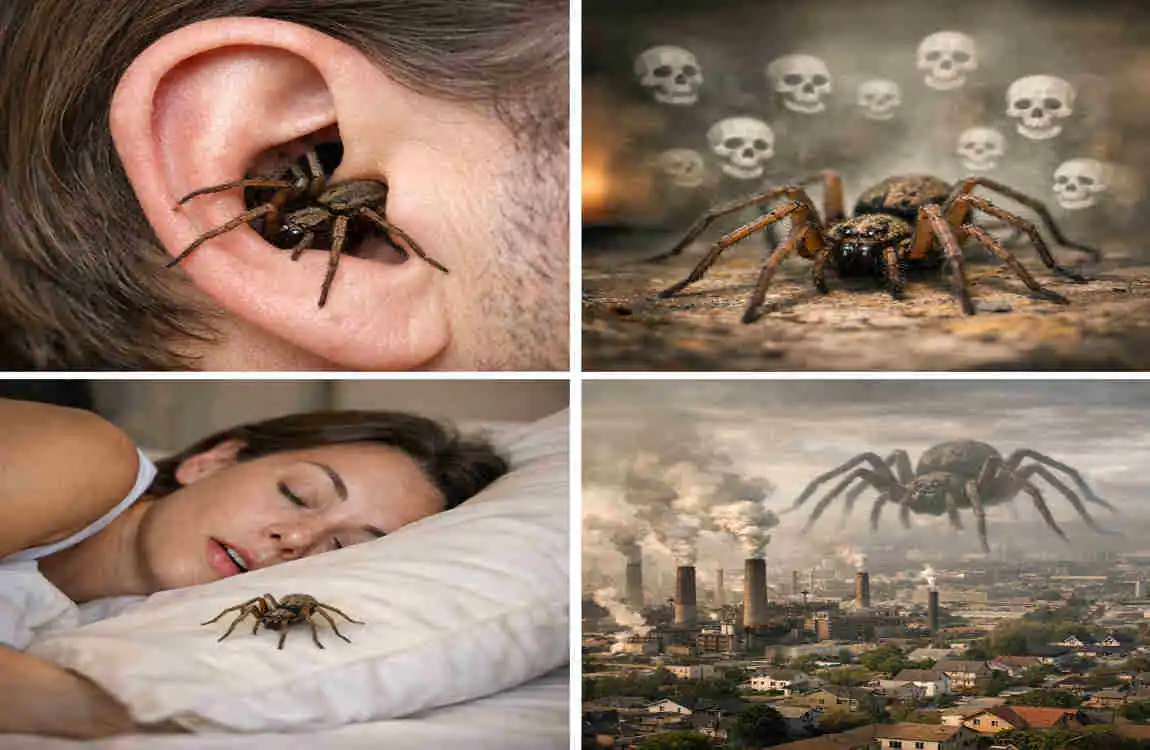
All Spiders Are Deadly
This is false. Most spiders are not dangerous to humans.
Every Spider Bite Is Poisonous
Spiders are venomous, not poisonous. That means they inject venom through a bite, but not every bite causes harm.
House Spiders Attack Humans
False. House clean spiders usually avoid people and bite only if trapped or threatened.
Spiders Lay Eggs in People
This is a scary myth with no truth behind it.
You Swallow Spiders While Sleeping
This is one of the most famous spider myths. It is not true.
These myths spread fear, but facts help you stay calm and make better decisions.
Frequently Asked Questions
Can a house spider kill you?
No. Common house spiders are not considered deadly to humans.
What should I do if a house spider bites me?
Clean the area, apply a cold compress, and watch for symptoms. Get medical help if the reaction becomes severe.
Are house spider bites poisonous?
They are venomous, not poisonous, but the venom is usually too mild to cause serious harm.
How can I identify a common house spider?
They are usually small, brown or gray, with long thin legs, and often appear in corners, basements, and garages.
Should I remove house spiders from my home?
If they bother you, yes. But remember, they also help reduce other insect populations.
Which spider bites are considered dangerous?
Black widow and brown recluse bites can be more serious and may need medical care.
| Topic | Information |
|---|---|
| Can a Common House Spider Kill You? | No. Common house spiders are not dangerous enough to kill humans. |
| Scientific Name | Often refers to Parasteatoda tepidariorum or similar harmless indoor spider species. |
| Venom | They have mild venom used to catch insects, not to harm people. |
| Are Bites Common? | No. House spiders rarely bite unless they feel trapped or threatened. |
| Symptoms of a Bite | Mild redness, slight swelling, itching, or temporary discomfort that usually disappears within a few days. |
| Can the Bite Be Fatal? | No. A healthy person is not at risk of death from a common house spider bite. |
| Who Should Be Careful? | People with severe allergies may experience a stronger reaction and should seek medical care if symptoms worsen. |
| Benefits of House Spiders | They help control pests by eating flies, mosquitoes, ants, and other insects. |
| When to See a Doctor | If you develop severe pain, difficulty breathing, fever, or signs of infection after any spider bite. |
| Key Takeaway | Common house spiders are generally harmless, beneficial, and extremely unlikely to pose a serious threat to humans. |