Effective Cleaning Tips: Should You Kill House Centipedes?
Cleaning

Effective Cleaning Tips: Should You Kill House Centipedes?

Have you ever spotted a house centipede scurrying across your floor and wondered whether you should squish it or let it be? These little critters are common in homes, but many people are unsure about how to handle them.

What Are House Centipedes?

Effective Cleaning Tips: Should You Kill House Centipedes?

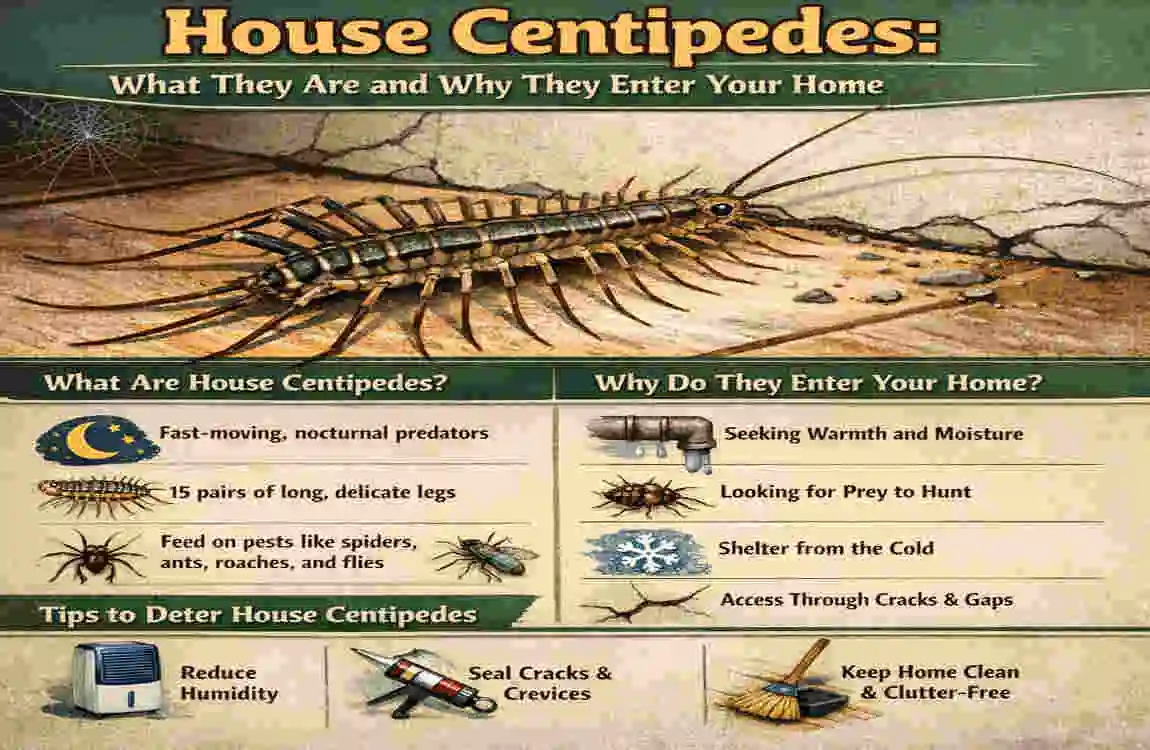
House centipedes are small, fast-moving insects found worldwide in homes. They have long, segmented bodies with many legs, which can make them appear quite intimidating. But don’t let their appearance fool you – these creatures play an essential role in the ecosystem of your home.

Identifying Features

House centipedes are typically about 1-1.5 inches long, with a grayish-yellow body and dark stripes running down their sides. They have 15 pairs of long, thin legs, which they use to move quickly and navigate their surroundings. Their antennae are also quite long, which helps them sense their environment and find prey.

Habits and Behaviors

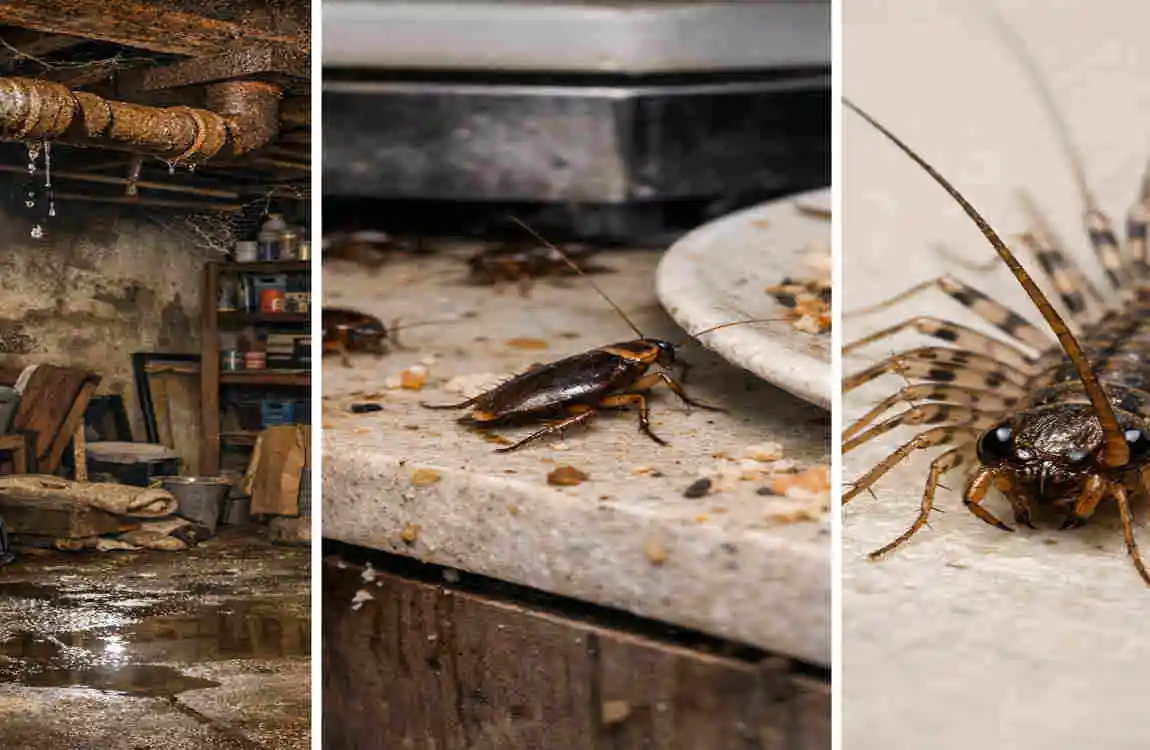
House centipedes are nocturnal creatures, which means they are most active at night. During the day, they tend to hide in dark, damp places, such as basements, bathrooms, and under sinks. They are carnivorous and feed on other insects, such as spiders, cockroaches, and silverfish. In fact, house centipedes can be beneficial to have around, as they help control other pest populations in your home.

Common Hiding Places

As mentioned earlier, house centipedes prefer dark, damp environments. Some common hiding spots include:

  • Under sinks and in bathroom cabinets
  • In basements and crawl spaces
  • Behind baseboards and in wall voids
  • In piles of laundry or clutter
  • Underneath furniture and appliances

Are House Centipedes Harmful?

Despite their intimidating appearance, house centipedes are generally not harmful to humans. However, there are some myths and misconceptions about these creatures that we should address.

Health Risks and Myths

One common myth is that house centipedes are venomous and can cause serious harm to humans. While they do have venom, it’s not potent enough to cause anything more than mild skin irritation. In fact, most people won’t even feel a house centipede bite, as their jaws are too small to penetrate human skin.

Another myth is that house centipedes spread disease. There is no evidence to support this claim, as they do not carry or transmit any known diseases to humans.

Do They Bite? How Dangerous Are Their Bites?

As mentioned earlier, house centipedes do have venom, but their bites are generally not dangerous to humans. If you are bitten by a house centipede, you may experience some mild swelling, redness, or itching at the site of the bite. However, these symptoms should resolve on their own within a few hours.

Psychological Impact

For some people, the sight of a house centipede can be pretty unsettling. If you have a fear of insects or arachnids, seeing one of these creatures in your home can cause anxiety or distress. However, house centipedes are not harmful and can actually be beneficial to have around.

Should You Kill House Centipedes? Pros and Cons

Effective Cleaning Tips: Should You Kill House Centipedes?

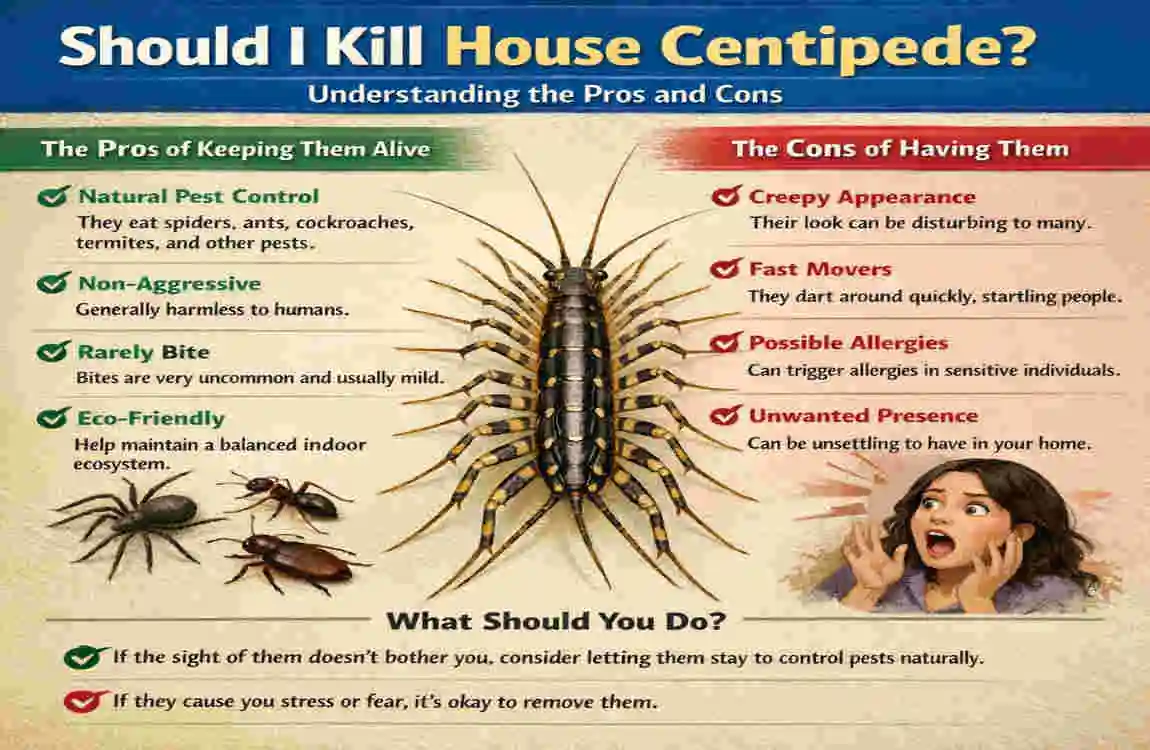
Now that we’ve covered the basics of house centipedes, let’s discuss the pros and cons of killing them.

Reasons to Kill House Centipedes

There are a few reasons why you might want to kill house centipedes in your home:

  • Allergic Reactions or Fear Factor: If you or someone in your household is allergic to insect bites or has a fear of insects, you may want to eliminate house centipedes to reduce the risk of an allergic reaction or emotional distress.
  • Prevent Breeding and Reduce Numbers: If you have a large population of house centipedes in your home, killing them can help prevent them from breeding and reduce their numbers over time.
  • Maintaining a Clean and Pest-Free Environment: Some people prefer a completely pest-free home and may choose to kill house centipedes as part of their overall pest control strategy.

Reasons to Avoid Killing Them

On the other hand, there are also some compelling reasons to avoid killing house centipedes:

  • Natural Pest Control Benefits: As mentioned earlier, house centipedes feed on other insects, such as spiders and cockroaches. By leaving them alone, you can harness their natural pest control abilities to keep other pest populations in check.
  • Limits on Chemical Use: If you choose not to kill house centipedes, you may be able to avoid using harsh chemicals or pesticides in your home, which can be better for the environment and your health.
  • Alternative Humane Solutions: Instead of killing house centipedes, you can try catching and releasing them outside or using natural repellents to deter them from your home.

Practical Cleaning Tips to Control House Centipedes

Practical Cleaning Tips to Control House Centipedes

Now that we’ve covered the pros and cons of killing house centipedes, let’s talk about some practical cleaning tips to control their populations in your home.

Decluttering to Eliminate Hiding Spots

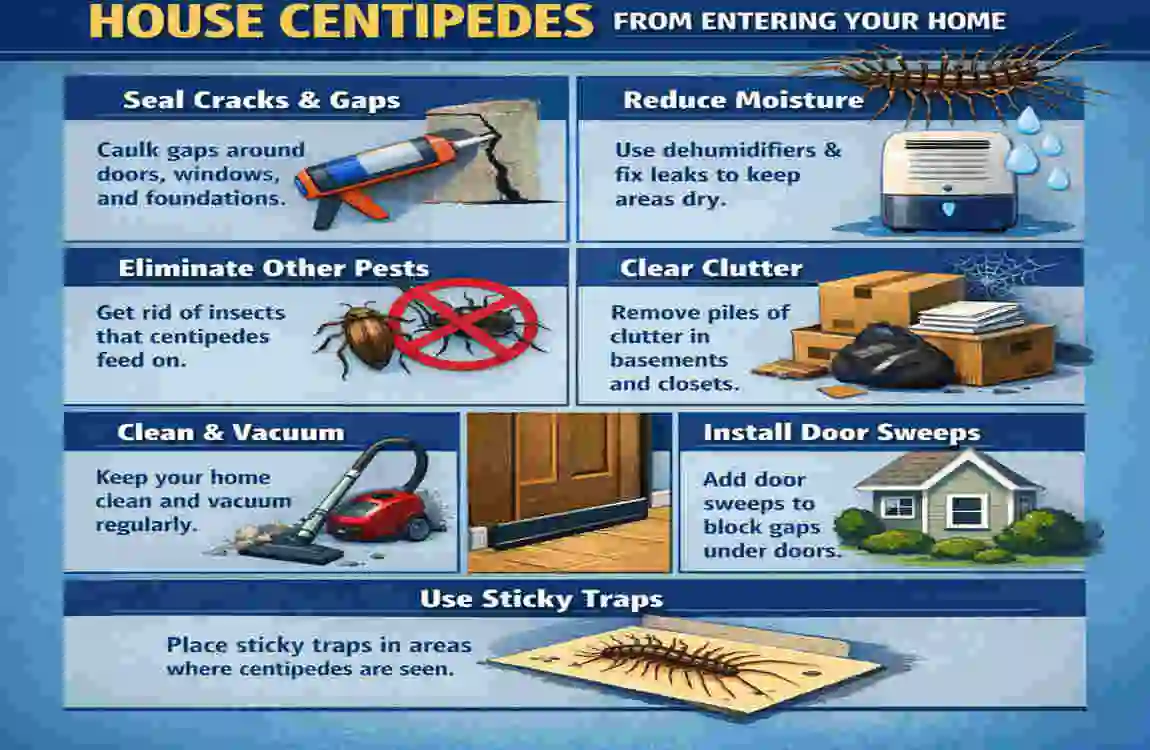
One of the most important things you can do to control house centipedes is to declutter your home. By removing piles of laundry, boxes, and other clutter, you can eliminate potential hiding spots for these creatures. Make sure to regularly clean and organize your home to keep clutter at bay.

Regular Sweeping, Vacuuming, and Mopping

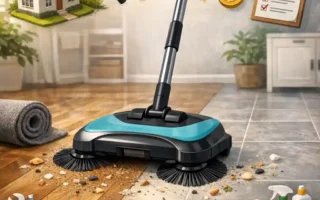
Another key to controlling house centipedes is to regularly sweep, vacuum, and mop your floors. This will help remove any food sources or debris that might attract these insects. Pay special attention to areas where house centipedes are commonly found, such as bathrooms, kitchens, and basements.

Managing Moisture Levels and Fixing Leaks

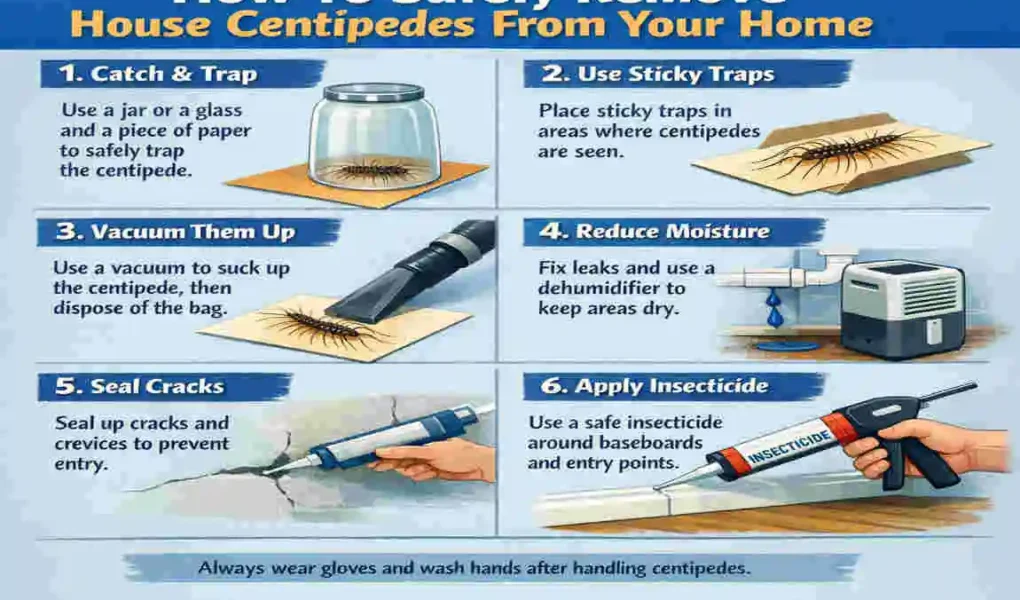
House centipedes thrive in damp environments, so it’s important to manage moisture levels in your home. Make sure to fix any leaks or water damage promptly, and use a dehumidifier if necessary to keep your home dry. By reducing moisture, you can make your home less hospitable to house centipedes.

Sealing Cracks, Crevices, and Entry Points

House centipedes can enter your home through small cracks and crevices, so it’s important to seal these entry points to keep them out. Use caulk or weatherstripping to seal gaps around doors, windows, and baseboards. You can also use mesh screens to cover vents and other openings.

Proper Storage and Handling of Firewood, Boxes, and Other Common Hiding Places

If you have firewood, boxes, or other items that can serve as hiding places for house centipedes, make sure to store them properly. Keep firewood at least 20 feet away from your home and elevate it off the ground. Store boxes and other items in sealed containers to prevent house centipedes from taking up residence.

Natural and Chemical Pest Control Methods

If you’re still struggling with house centipedes despite your best cleaning efforts, consider using natural or chemical pest control methods. Let’s explore some of your options.

Safe Natural Repellents and Deterrents

There are several natural repellents and deterrents that you can use to keep house centipedes away from your home. Some options include:

  • Diatomaceous Earth: This powdery substance is made from the fossilized remains of diatoms and can be sprinkled around entry points and hiding spots to deter house centipedes.
  • Essential Oils: Certain oils, such as peppermint, tea tree, and lavender, can repel house centipedes. Mix a few drops of oil with water in a spray bottle and apply it to areas where house centipedes are commonly found.
  • Cayenne Pepper: Sprinkling cayenne pepper around entry points and hiding spots can also help deter house centipedes, as they dislike the spicy scent.

When and How to Use Insecticides Effectively and Safely

If natural methods aren’t working, you may need to resort to using insecticides to control house centipedes. However, it’s essential to use these products safely and effectively. Here are some tips:

  • Read and Follow Label Instructions: Always read and follow the label instructions carefully when using insecticides. This will help ensure you use the product correctly and safely.
  • Target Specific Areas: Instead of spraying insecticide throughout your entire home, focus on areas where house centipedes are commonly found. This will help minimize your exposure to the chemicals.
  • Use the Right Product: Use an insecticide labeled explicitly for house centipedes. Some products may be more effective than others, so do your research before making a purchase.

Pros and Cons of DIY Pest Treatments vs Professional Pest Control

When it comes to controlling house centipedes, you have two main options: DIY pest treatments or professional pest control. Let’s take a look at the pros and cons of each approach.

Ultimately, the best approach will depend on your specific situation and preferences. If you have a severe house centipede infestation, professional pest control may be the best option. However, if you’re dealing with a few stray centipedes, DIY treatments might be sufficient.

How to Handle a House Centipede Encounter

If you do encounter a house centipede in your home, don’t panic. There are several safe and humane ways to handle the situation.

Safe Ways to Catch and Release Centipedes

If you’re not comfortable killing house centipedes, you can try catching and releasing them outside. Here’s how:

  1. Find a Container: Grab a small container, such as a jar or cup, and place it over the centipede.
  2. Slide a Piece of Paper Underneath: Carefully slide a piece of paper or cardboard under the container to trap the centipede.
  3. Release the Centipede Outside: Take the container outside and release the centipede in a safe location, away from your home.

When to Consider Professional Removal

If you’re dealing with a severe house centipede infestation or can’t control the population on your own, consider professional removal. A pest control professional can assess the situation and develop a plan to eliminate the centipedes and prevent future infestations.

Tips for Preventing Future Infestations

To prevent future house centipede infestations, make sure to:

  • Keep Your Home Clean and Dry: Regularly clean and declutter your home, and manage moisture levels to make your home less hospitable to house centipedes.
  • Seal Entry Points: Seal cracks, crevices, and other openings to prevent house centipedes from entering.
  • Use Natural Repellents: Use natural repellents, such as diatomaceous earth or essential oils, to deter house centipedes from your home.

Maintaining a Healthy and Pest-Free Home

Effective Cleaning Tips: Should You Kill House Centipedes?

By following the tips and strategies outlined in this article, you can maintain a healthy and pest-free home. Remember, effective cleaning is the key to controlling house centipedes and other pests.

Routine Cleaning Schedule for Pest Prevention

To keep your home pest-free, it’s essential to establish a routine cleaning schedule. This should include:

  • Daily: Sweep or vacuum floors, wipe down counters and surfaces, and take out the trash.
  • Weekly: Mop floors, clean bathrooms, and dust furniture and surfaces.
  • Monthly: Deep clean your home, including carpets, upholstery, and hard-to-reach areas.

Monitoring and Early Detection Strategies

In addition to regular cleaning, it’s also essential to monitor your home for signs of pests and take action early if you spot any. Some strategies include:

  • Regular Inspections: Inspect your home regularly for signs of pests, such as droppings, nests, or damaged food packaging.
  • Traps and Monitors: Use traps and monitors to detect and control pest populations before they become a problem.
  • Professional Inspections: Consider hiring a pest control professional to inspect your home annually and provide recommendations for pest prevention.

Creating an Environment Unfavorable for Centipedes and Other Pests

Finally, you can create an environment that is unfavorable for house centipedes and other pests by:

  • Reducing Moisture: Keep your home dry by fixing leaks, using a dehumidifier, and improving ventilation.
  • Eliminating Food Sources: Store food in sealed containers, clean up crumbs and spills, and take out the trash regularly to eliminate food sources for pests.
  • Sealing Entry Points: Seal cracks, crevices, and other openings to prevent pests from entering.

FAQs About House Centipedes and Cleaning

Let’s wrap up with some frequently asked questions about house centipedes and cleaning.

Can House Centipedes Survive in Clean Homes?

Yes, house centipedes can survive in clean homes. While a clean home can help reduce their populations, these creatures can still find food and shelter in even the tidiest of spaces. However, by following the cleaning tips outlined in this article, you can make your home less hospitable to house centipedes and other pests.

What Attracts House Centipedes Inside?

House centipedes are attracted to homes for several reasons, including:

  • Food: House centipedes feed on other insects, so if you have a problem with spiders, cockroaches, or other pests, you may also attract house centipedes.
  • Moisture: These creatures thrive in damp environments, so homes with high humidity or moisture issues may be more attractive to them.
  • Shelter: House centipedes seek out dark, hidden spaces during the day, so cluttered or messy homes may provide more hiding spots.

Are Centipedes More Common in Certain Seasons?

House centipedes can be found in homes year-round, but they may be more common in certain seasons. In many areas, house centipedes are more active during spring and summer, when temperatures are warmer and air moisture is higher. However, this can vary depending on your location and climate.

How Fast Do Centipedes Reproduce?

House centipedes can reproduce quickly, with females laying up to 35 eggs at a time. The eggs hatch within a few weeks, and the young centipedes reach maturity within a few months. This means that a small house centipede population can quickly grow into a larger infestation if left unchecked.

You may also like...

Leave a Reply

Your email address will not be published. Required fields are marked *