If you are thinking about building a home in Alaska, you need to plan carefully. Alaska is not like most other states. Cold weather, remote areas, high transportation costs, and special building needs can all raise the price.
So, when people ask how much it costs to build a house in Alaska, the answer depends on many factors, such as land, design, materials, and location. A small home in a more accessible area may cost far less than a large custom home in a remote place.
The good news is that smart planning can help you stay in control of your budget. If you understand the major cost areas early, you can make better choices and avoid expensive surprises later.
How Much Does It Cost to Build a House in Alaska?
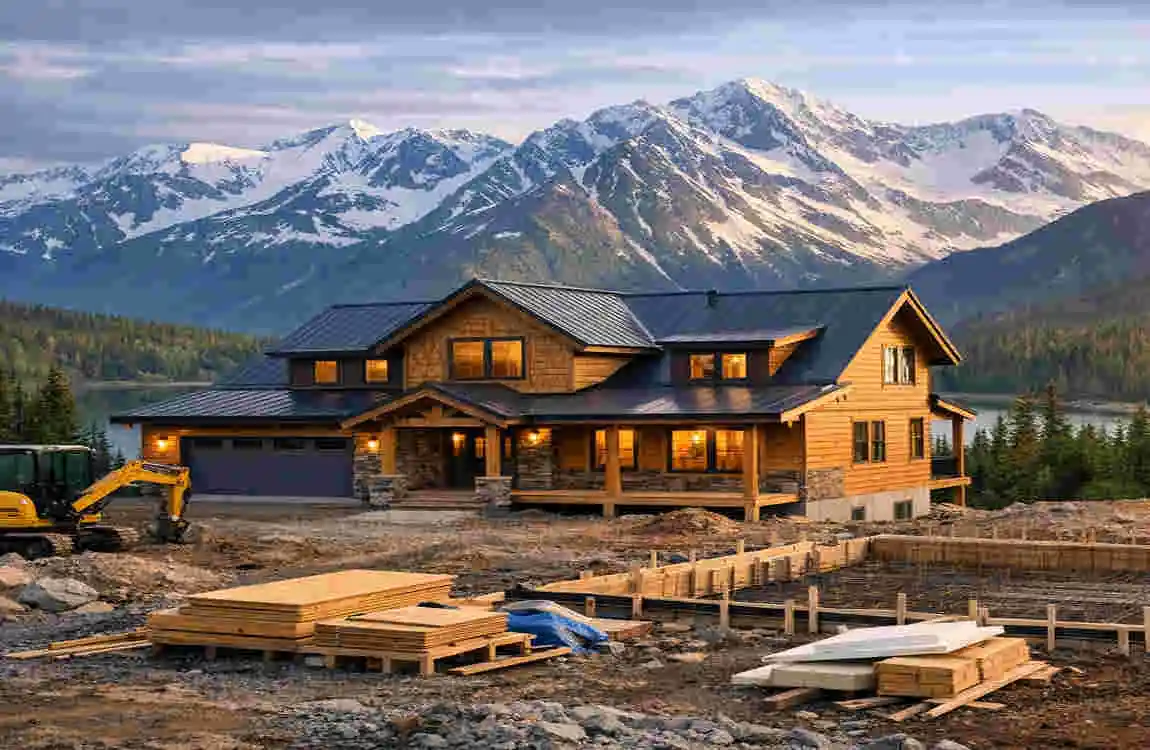
Average Cost Per Square Foot in Alaska
The cost to build a house in Alaska usually starts higher than in many other states. In many cases, you may see prices around $200 to $350+ per square foot, and sometimes more for custom or remote builds.
This range changes based on several things:
- Location: Building in Anchorage is often easier and cheaper than in remote villages.
- Home size: Larger homes can lower the cost per square foot, but the total price is still higher.
- Materials: Better materials often cost more, but they last longer in harsh weather.
- Design complexity: Simple homes are usually cheaper than custom or luxury designs.
- Contractor availability: Fewer skilled builders in some areas can drive up prices.
Average Total Cost to Build a Home in Alaska
Here is a simple look at common build costs:
Home Size Estimated Construction Cost
1,000 sq. ft. home $200,000–$350,000+
1,500 sq. ft. home $300,000–$500,000+
2,000 sq. ft. home $400,000–$700,000+
Luxury custom home $800,000+
These are only estimates. Your real cost may be higher if the land is hard to reach or if you need special utilities, strong insulation, or a custom foundation.
Major Factors That Affect Alaska House Construction Costs
Location and Accessibility
Where you build matters a lot.
In Anchorage or other connected areas, materials and labour are easier to find. That usually keeps costs more manageable. But in rural Alaska, building becomes more expensive because supplies may need to be flown or shipped in.
Transportation alone can add a large amount to your budget. If your site is far from roads, ports, or supply centres, every part of the project may cost more. Even simple things like lumber, windows, and concrete can become expensive once delivery is added.
Land Purchase and Site Preparation
Before you build, you need land. Land prices vary a lot depending on the area, access, and nearby services.
After you buy land, you may also need to pay for:
- Clearing trees and brush
- Excavation
- Driveway installation
- Utility hookups
- Drainage work
If the land is uneven or hard to reach, site preparation may cost much more than expected. This is one of the biggest reasons why the total price can rise quickly.
Climate and Weather Requirements
Alaska luxury homes must handle snow, wind, freezing temperatures, and long winters. That means your house needs to be built with extra care.
You may need:
- Strong foundations
- Thick insulation
- Wind-resistant framing
- Snow-load-friendly roofs
- Reliable heating systems
These features help protect your home, but they also increase cost. Still, they are worth it because they help reduce future repair bills and energy waste.
Labor and Contractor Costs
Skilled labour can be harder to find in some parts of Alaska. That can raise contractor rates.
If you live in a remote area, you may also need to pay more for travel, lodging, and extra time on the project. That is why it is so important to hire a builder who has real Alaska experience. A contractor who understands local weather, soil, and building rules can save you money in the long run.
Cost Breakdown of Building a House in Alaska
Land and Site Development Costs
This is the first major area of spending. It includes the work required to prepare the land for construction.
Common costs may include:
- Land surveys
- Soil testing
- Excavation
- Drainage systems
- Utility installation
If the ground is unstable or wet, site development can become more expensive. Alaska soil conditions can be tricky, so you should never skip this step.
Foundation Costs
The foundation is one of the most important parts of your home.
In Alaska, many homes need frost-resistant foundations to deal with freezing ground. Some homes use crawl spaces, while others use basements or slab systems depending on the site.
Concrete, rebar, labour, and engineering all affect the price. A strong foundation costs more upfront, but it protects your home for years.
Framing and Exterior Construction
This stage includes the home’s main structure and outer shell.
You will pay for:
- Lumber
- Roofing
- Siding
- Windows
- Exterior doors
Because Alaska weather is harsh, you need durable materials. Better windows, thicker walls, and stronger roofs may cost more now, but they can lower long-term heating and repair costs.
Interior Finishing Costs
Once the shell is built, the inside work begins.
This includes:
- Flooring
- Cabinets
- Bathrooms
- Lighting
- Paint
- Appliances
Interior finishing can be simple or high-end. If you want to control cost, choose practical finishes first and upgrade later when needed.
Heating and Energy Costs
Heating is a huge part of Alaska homeownership. Your home must stay warm through long winters, so energy design matters.
Popular options include:
- Heat pumps
- Wood stoves
- Boilers
- Strong insulation systems
A well-insulated home with an efficient heating setup can save money every month. In Alaska, this is not just a comfort issue. It is a budget issue too.
Popular House Designs for Alaska Homes
Modern Alaska Cabin Style Homes
Many people love cabin-style homes in Alaska because they fit the landscape well.
These homes often feature natural materials, simple rooflines, and large windows for mountain or forest views. They feel warm, cosy, and practical.
Energy-Efficient Homes
If you want lower heating bills, an energy-efficient home is a smart choice.
These homes may include:
- Passive solar design
- High-performance insulation
- Triple-pane windows
- Efficient heating systems
They cost more upfront in some cases, but they often save money over time.
Modern Custom Homes
Modern custom homes can be beautiful and highly functional.
They may feature open floor plans, smart home features, large kitchens, and luxury finishes. Just remember that custom details usually increase construction cost.
Steps to Plan Your Alaska Home Construction Project
Set a Realistic Budget
Start with a full budget, not just the build cost.
Your budget should include:
- Land
- Construction
- Permits
- Utility connections
- Emergency funds
- Future maintenance
It is smart to set aside extra money for unexpected costs. In Alaska, unexpected expenses are common.
Choose the Right Location
The location affects everything.
Think about:
- Climate conditions
- Road access
- Utilities
- Nearby services
- Community needs
A cheaper piece of land is not always the better deal if it costs too much to build on later.
Hire an Experienced Alaska Builder
Your builder should understand local conditions.
Check for:
- Proper licensing
- Past Alaska projects
- Good reviews
- Experience with cold-weather homes
A skilled builder can help you avoid delays, poor artistry, and cost overruns.
Create a Detailed Home Design Plan
The more detailed your plan, the fewer surprises you will face.
Make sure your plan covers:
- Floor layout
- Building materials
- Energy efficiency
- Storage needs
- Future expansion
A clear plan helps you stay on schedule and within budget.
Ways to Reduce House Building Costs in Alaska
Choose a Simple Home Design
Simple homes usually cost less.
A smaller footprint, a plain roof shape, and an efficient room layout can save money on labour and materials.
Use Local and Durable Materials
Whenever possible, use materials that are easy to get in Alaska.
This can reduce shipping costs and make repairs easier later. Durable materials also last longer in tough weather.
Build During the Right Season
Weather affects construction speed and cost.
When possible, plan your project during a season that gives builders better working conditions. That can help reduce delays and extra labour charges.
Consider Prefabricated Homes
Prefab homes can be a smart option for some buyers.
They are often faster to install, may reduce labour costs, and can be a good choice if you want a more predictable budget.
Common Mistakes to Avoid When Building a House in Alaska
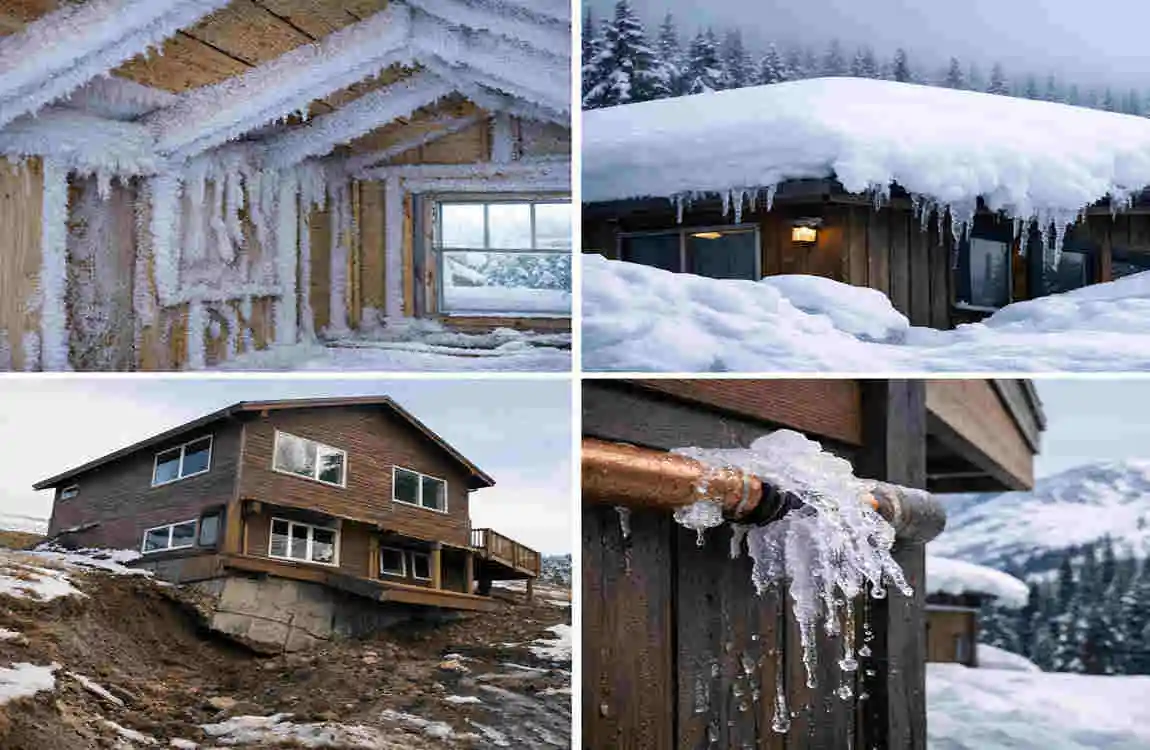
Underestimating Heating Costs
This is one of the biggest mistakes.
If you do not plan for strong insulation and efficient heating, your monthly bills may become very high.
Ignoring Soil and Foundation Issues
Alaska ground can be difficult.
If you ignore soil testing or foundation design, you could face cracking, drainage trouble, or major repairs later.
Choosing Inexperienced Contractors
An inexperienced builder may cause delays and overspending.
In Alaska, local experience matters a lot because weather and site conditions can be tough.
Not Planning for Extreme Weather
Your home must be ready for snow loads, storms, and freezing temperatures.
If you skip these needs, you may pay for it later through repairs and energy loss.
Alaska House Construction Timeline
Planning and Design Phase
This stage includes your budget, permits, and home design.
It may take several weeks or months depending on how detailed the project is.
Construction Phase
This is where the actual building happens.
It includes foundation work, framing, roofing, interior work, and utility setup. Weather can significantly affect this stage.
Final Inspection and Move-In
Before move-in, your home should be checked for safety, proper functioning, and code compliance.
Once everything passes inspection, you can move in with more peace of mind.
Is Building a House in Alaska Worth It?
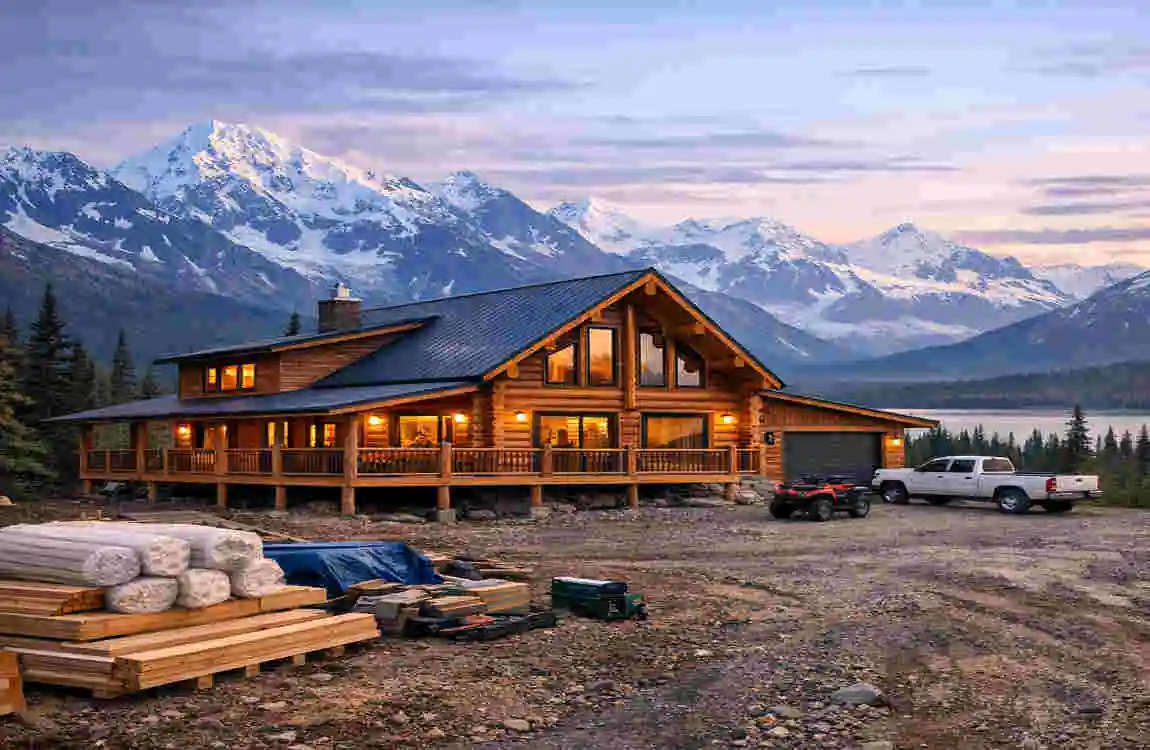
For many people, yes.
A custom home gives you more control over layout, materials, and energy efficiency. You can design a home that fits your lifestyle and the local climate.
It can also offer long-term value, especially if you plan to stay in Alaska for years. Plus, many homeowners love the feeling of living close to nature in a home that is truly their own.
FAQ
How much does it cost to build a house in Alaska?
The cost depends on size, materials, location, and design. Many homes fall between $200 and $700+ per square foot depending on complexity.
Is it cheaper to buy or build a house in Alaska?
Buying may be cheaper in some areas, but building lets you create a home that better fits Alaska’s weather and energy needs.
What is the cheapest way to build a house in Alaska?
A smaller home, simple design, affordable materials, accessible land, and prefab options can help lower costs.
How long does it take to build a house in Alaska?
Most homes take about 8 to 18 months to build, depending on weather, location, permits, and project size.
| Category | Information |
|---|---|
| Average Construction Cost | Building a house in Alaska typically costs around $200–$400+ per square foot, depending on location, materials, and design complexity. |
| Small Home Cost | A compact 1,000 sq. ft. home may cost approximately $200,000–$400,000 to build. |
| Large Luxury Home Cost | Custom homes with premium finishes can exceed $500,000–$1 million+. |
| Main Cost Factors | Land location, labor availability, transportation costs, foundation type, insulation, heating systems, and material choices greatly affect the budget. |
| Best Home Designs for Alaska | Energy-efficient designs, modern cabins, log homes, and compact layouts are popular because they handle cold climates well. |
| Foundation Planning | Many Alaska homes require strong foundations such as insulated slabs or deep foundations to deal with frozen ground conditions. |
| Energy Efficiency Tips | Use high-quality insulation, triple-pane windows, efficient heating systems, and airtight construction to reduce long-term costs. |
| Material Selection | Durable materials like treated wood, metal roofing, and weather-resistant siding help homes withstand Alaska’s harsh weather. |
| Planning Considerations | Consider snow loads, winter access, permits, utility connections, and transportation costs before starting construction. |
| Money-Saving Tip | Building a simple design, choosing local materials, and planning construction during favorable seasons can help reduce expenses. |