If you are new to home heating, learning how to turn on a heater can make cold days much more comfortable. It also helps you stay safe and avoid wasting energy. The good news is that most heating systems are easy to use once you understand the basics.
Homes can have different types of heaters, such as gas furnaces, electric heaters, heat pumps, wall heaters, and space heaters. Each one works a little differently, but the main idea is the same: set the thermostat, turn the system on, and let warm air move through your home.
Understanding Your Home Heating System
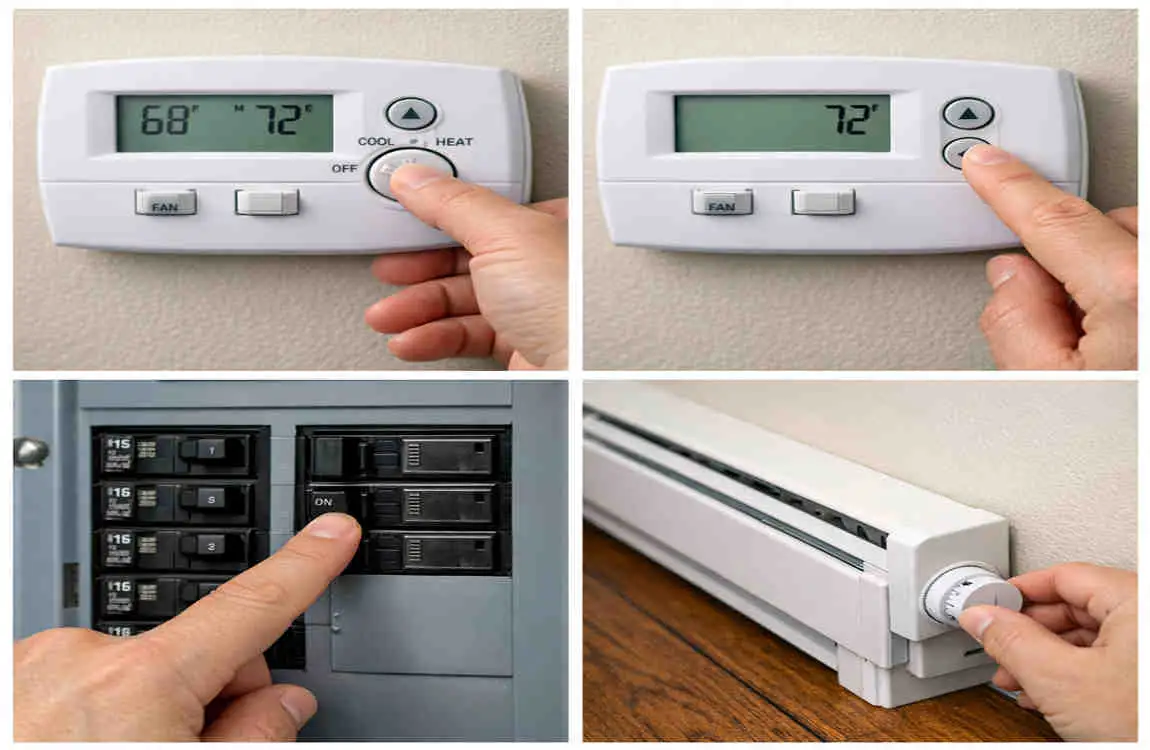
Before you try to turn anything on, it helps to know what type of heating system you have. That makes the process easier and safer.
Common Types of Home Heaters
Here are the most common systems found in homes:
- Central heating systems
- Electric heaters
- Gas furnaces
- Heat pumps
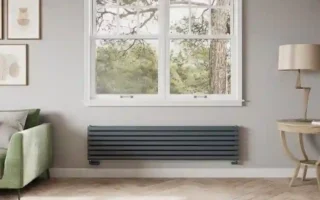
- Wall heaters
- Space heaters
How Different Heating Systems Work
A heater does not just make heat. It also moves that heat through your home.
Some systems warm air and push it through vents. Others use electric coils or gas-fired heat to warm a room directly—a heat pump works by moving heat from outside to inside, even in cold weather.
Knowing this helps you understand how to use a home heater properly.
How to Turn On a Heater in a House
Check the Heater and Power Supply
First, make sure the heater is connected properly. Check if the unit is plugged in, switched on, or connected to power.
If you have a gas heater, confirm the gas supply is on. If the heater still does not start, check the circuit breaker to see if anything has tripped.
Set the Thermostat Correctly
Your thermostat controls when the heater turns on.
Set it to Heat mode, then choose a temperature higher than the current room temperature. For example, if your room is 65°F, set it to 70°F. This tells the system to start heating.
Turn On the Heater
Now use the heater switch or thermostat controls.
You may hear the system start after a short pause. In a central heating system, warm air should start coming out of the vents soon after. For a space heater or wall heater, you should feel warmth from the unit itself.
Adjust Temperature Settings
Once the heater is running, choose a comfortable setting.
Most people find 68°F to 72°F comfortable for daily use. Try not to set the temperature too high, as it can increase energy costs and put extra stress on the system.
How to Turn On Different Types of Home Heaters
Turning On a Gas Furnace
A gas furnace usually starts when the thermostat asks for heat.
Check that the gas valve is open, set the thermostat to heat mode, and wait for ignition. If you smell gas or hear unusual sounds, turn it off and get help right away.
Turning On an Electric Heater
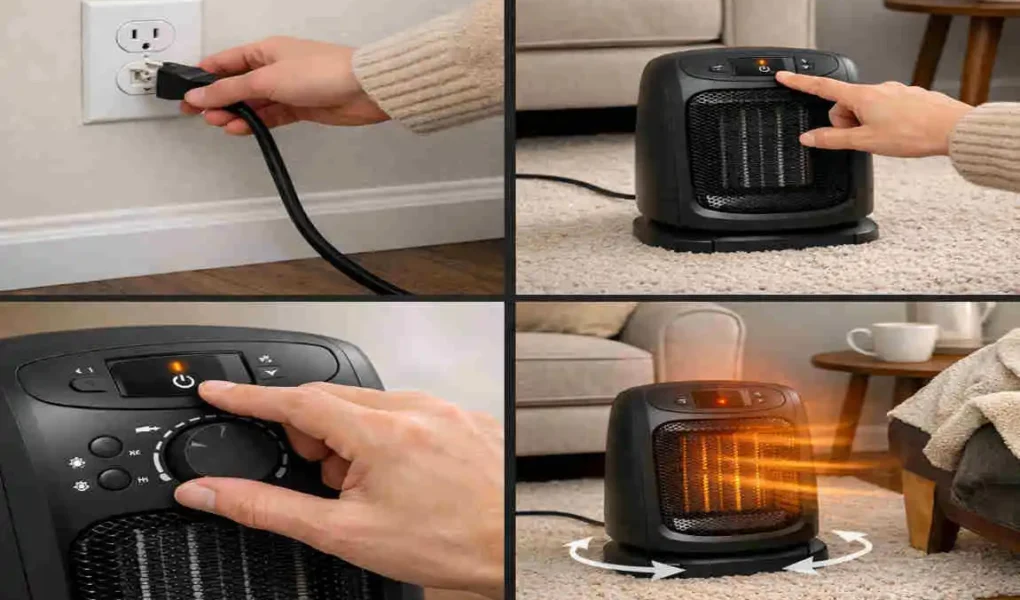
For an electric heater, plug it into a safe outlet and press the power button.
Then choose the heat level you want. Be careful not to overload the outlet with too many devices.
Turning On a Heat Pump
Set your thermostat to heating mode and give the system a little time.
A heat pump may feel slower than a furnace, but that is normal. It works best when the home is properly insulated.
Turning On a Space Heater
Place the heater on a flat, stable surface.
Turn it on, select the heat setting, and keep it away from curtains, furniture, and bedding. Never leave it running when you are not in the room.
Common Heater Controls Explained
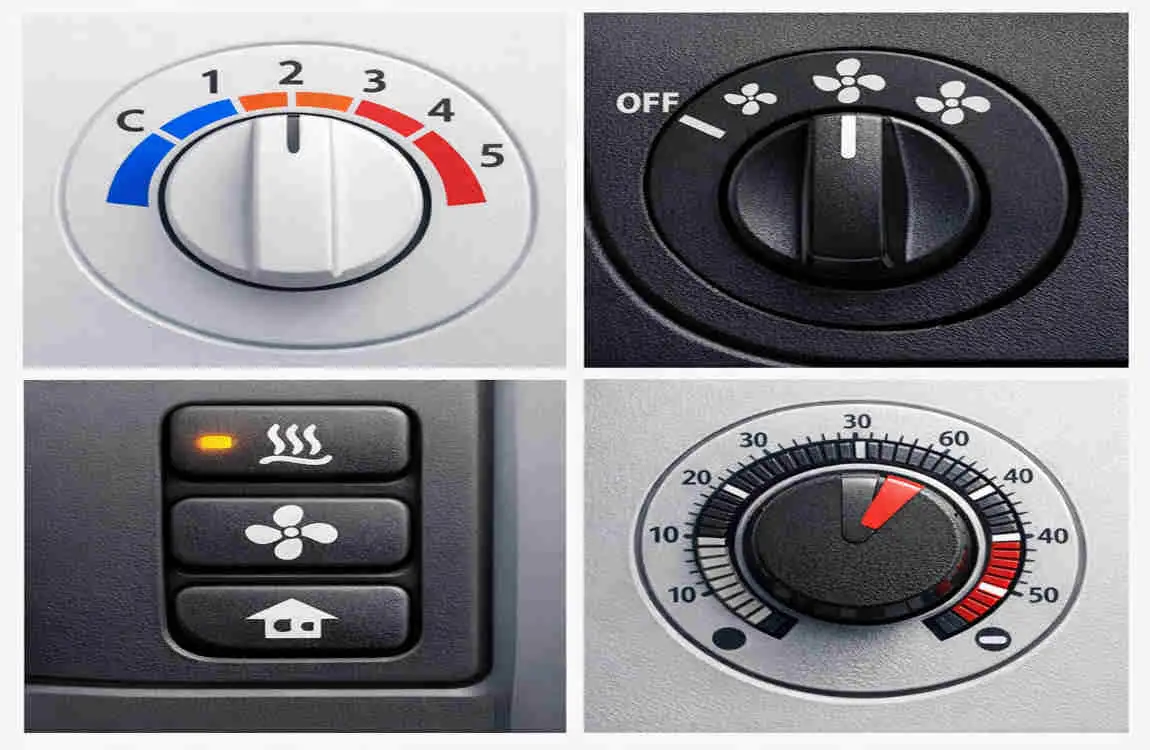
Thermostat Settings
Your thermostat may have a few modes:
- Heat mode: warms the home
- Cool mode: cools the home
- Auto mode: switches as needed
- Fan mode: moves air without heating
- Emergency heat mode: backup heat for some systems
Temperature Settings
A good home heating setup is not about using the highest number. It is about using the right one.
Lower the temperature a bit at night or when you leave home. That can help you save energy without losing comfort.
Timer and Smart Features
Some heaters come with smart controls or programmable thermostats.
These let you set heating times, change temperatures from your phone, and avoid heating an empty house.
Safety Tips When Using a Home Heater
Inspect Your Heater Before Use
Before turning it on, look for dust, damage, loose parts, or blocked vents.
If your heater has filters, clean or replace them. This helps the system work better and keeps the air cleaner.
Prevent Fire Hazards
Keep anything flammable away from heaters.
Do not place clothes, paper, curtains, or furniture too close. Also, never cover vents or leave portable heaters alone for long periods.
Gas Heater Safety
If you use gas, safety matters even more.
Install carbon monoxide detectors, check for gas leaks, and have the system inspected regularly. This is one of the most important heater safety tips for any home.
Why Is My Heater Not Turning On?
Thermostat Problems
Sometimes the problem is simple.
The thermostat may be set to the wrong mode, need new batteries, or have a fault.
Power Supply Issues
If the heater has no power, check the breaker, plug, and wiring.
A tripped breaker is a common reason for a heater not turning on.
Dirty Filters
Dirty filters block airflow. When that happens, the system may overwork or shut off.
Cleaning filters often improves performance fast.
Furnace or Heater Malfunctions
If the heater still does not work, the problem may be inside the system.
Ignition issues, broken parts, or worn-out components may need professional repair.
How to Maintain Your Home Heater
Replace or Clean Air Filters Regularly
Fresh filters help air move freely. They also support better heating and lower energy use.
Clean Heating Vents
Dust and dirt can collect in vents over time.
A quick cleaning improves airflow and helps your home feel warmer.
Schedule Annual Heater Inspections
Have your system checked once a year before the cold season.
That can prevent breakdowns and keep your heater running safely.
Energy-Saving Tips for Using a Home Heater
If you want to know how to make a house warmer without wasting money, these simple steps can help:
- Use a programmable thermostat
- Seal doors and windows
- Improve insulation
- Keep vents clear
- Lower the temperature when sleeping or away
These small habits can make a big difference in comfort and cost.
Common Mistakes Beginners Make
Setting the Temperature Too High
Many people think a very high setting heats the house faster. It usually does not.
It only increases bills and puts more stress on the system.
Ignoring Maintenance
A heater works best when it is clean and checked often.
Skipping maintenance can lead to poor heating and safety risks.
Blocking Heating Vents
Furniture, rugs, or curtains can block airflow.
That causes rooms to heat unevenly and reduces system performance.
Benefits of Properly Using a Home Heater
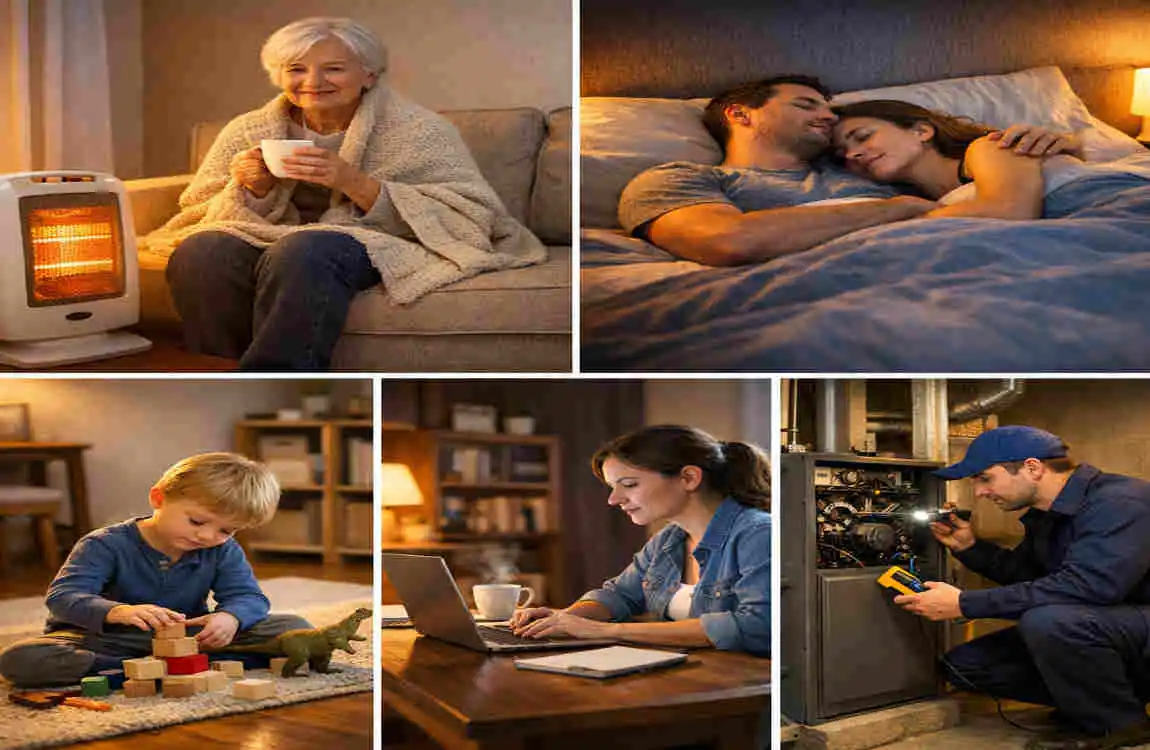
Using your heater the right way gives you several benefits:
- Better indoor comfort
- Lower energy costs
- Longer heater lifespan
- Improved safety
- More efficient heating performance
When you understand how to operate a thermostat and maintain your system, your smart home becomes easier to manage in cold weather.
FAQ
How do I turn on a heater in my house for the first time?
Set the thermostat to Heat, choose a temperature above the current room temperature, and wait for the system to start.
Why is my heater not turning on?
Common causes include thermostat issues, power problems, dirty filters, or a broken heating part.
What temperature should I set my home heater?
Many homeowners set their thermostats to 68°F to 72°F for comfort and energy savings.
How long does it take for a heater to warm a house?
Most systems start blowing warm air within a few minutes, but the whole home may take longer to heat up.
Should I leave my heater running all day?
It depends on your system and comfort needs. A programmable thermostat can help save energy.
How often should I service my home heater?
Once a year is usually best, especially before winter.
Is it safe to use a space heater overnight?
It is usually safer not to leave a portable heater unattended or running while you sleep.
| Topic | Information |
|---|---|
| Choose the Right Heater | Select a heater based on room size, heating needs, and energy efficiency. Common types include space heaters, electric heaters, gas heaters, and oil-filled radiators. |
| Read the Manual First | Always check the manufacturer’s instructions before using a new heater to understand settings, safety features, and maintenance needs. |
| Place the Heater Safely | Keep the heater on a flat, stable surface away from curtains, furniture, bedding, and other flammable materials. |
| Set the Correct Temperature | A comfortable indoor temperature is usually around 68°F–72°F (20°C–22°C). Avoid overheating rooms to save energy. |
| Use Heat Settings Properly | Start with a medium setting and adjust gradually. Use lower settings when maintaining warmth instead of running at maximum power. |
| Improve Heating Efficiency | Close doors and windows, seal drafts, use curtains, and improve insulation to help your heater work better. |
| Keep Airflow Clear | Do not block vents or place objects near the heater, as restricted airflow can reduce performance and create safety risks. |