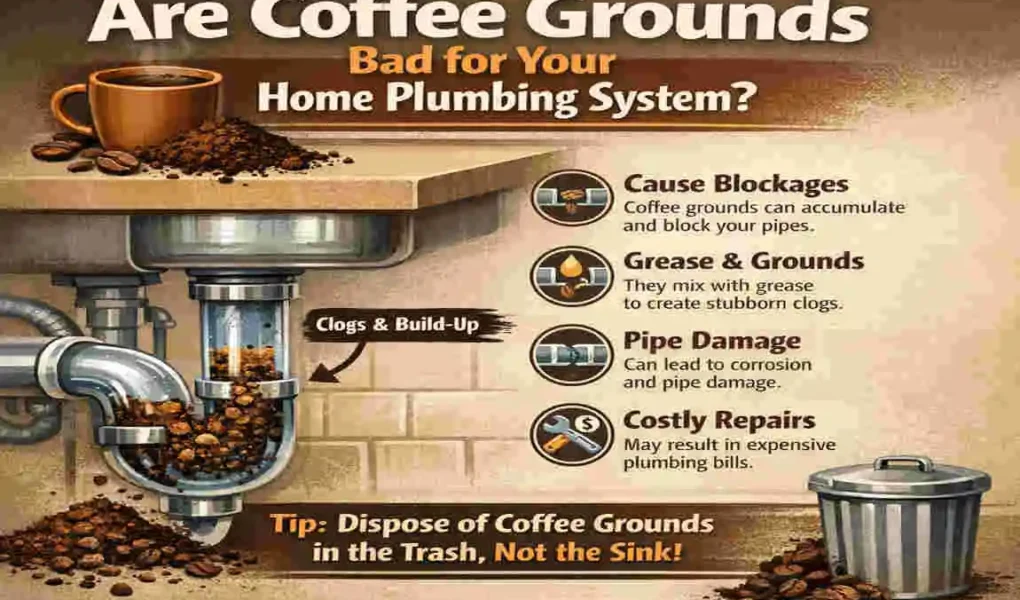
are coffee grounds bad for home plumbing
Plumbing

Are Coffee Grounds Harmful to Home Plumbing? Truth & Tips

Every morning, millions of homeowners brew their favorite cup of coffee and face the same dilemma. What should you do with those leftover coffee grounds? If you’re like most people, you might have tossed them down the sink without a second thought. After all, they’re just tiny particles that seem harmless enough.

Here’s the thing, though. Your morning coffee ritual might be creating a ticking time bomb in your pipes. The question “Are coffee grounds bad for home plumbing?” isn’t just something plumbers discuss among themselves. It’s a genuine concern that affects countless households every single day.

Think about it for a moment. Those innocent-looking grounds from your morning brew could be silently accumulating in your pipes right now. They might be forming stubborn clogs that’ll cost you hundreds of dollars to fix. And the worst part? Most homeowners don’t realize there’s a problem until it’s too late.

But don’t worry! You’re about to discover the truth about coffee grounds and your plumbing system. We’ll explore what really happens when those grounds go down your drain. You’ll learn practical, easy-to-follow tips that’ll protect your pipes and save you money. Plus, we’ll share some surprisingly creative ways to use those leftover grounds that’ll make you wonder why you ever threw them away.

Understanding Coffee Grounds and Home Plumbing

are coffee grounds bad for home plumbing

What Makes Coffee Grounds So Problematic?

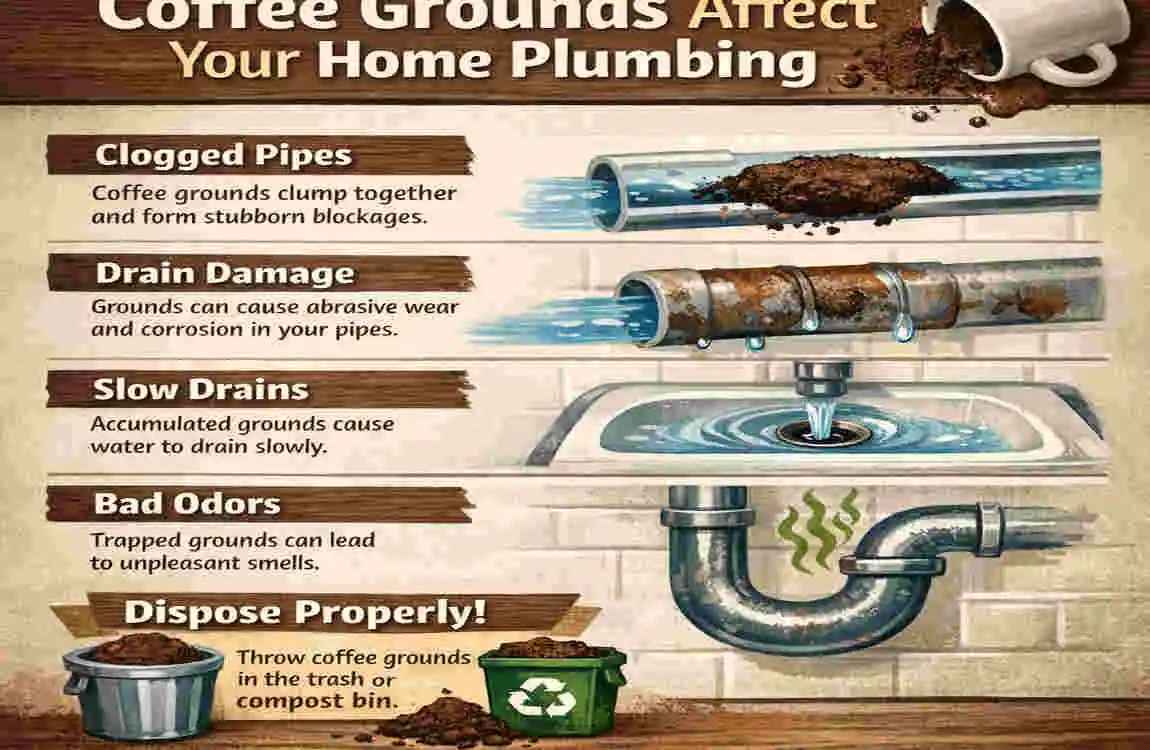
Let’s start with the basics. Coffee grounds aren’t just simple dirt particles that wash away easily. They’re actually complex little troublemakers made up of organic fibers, natural oils, and residual water. When you look at used coffee grounds under a microscope, you’d see a dense network of plant fibers that love to stick together.

These fibers act like tiny sponges. They absorb water and expand, creating a paste-like substance that’s surprisingly stubborn. The natural oils in coffee grounds make matters worse. They help the grounds plumbing clump together and stick to pipe walls like glue. It’s this sticky, clumpy nature that makes coffee grounds such a nightmare for your plumbing system.

How Your Home Plumbing Actually Works

Your home’s plumbing system is more delicate than you might think. Water flows through a network of pipes that gradually decrease in size as they move away from your home. Think of it like a highway system. Your main sewer line is the interstate, while the pipes under your sink are like neighborhood streets.

When water goes down your drain, it needs to flow smoothly through these pipes. Any obstruction slows down the flow. Over time, even small obstructions can accumulate and form major blockages. Your pipes rely on water pressure and gravity to move waste along. But coffee grounds? They laugh in the face of both.

The Garbage Disposal Myth

Many homeowners believe their garbage disposal can handle anything. This is a dangerous misconception, especially when it comes to coffee grounds. Your garbage disposal chops up food waste into smaller pieces, sure. But it doesn’t make those pieces disappear.

Coffee grounds don’t break down the way other food waste does. Even after going through your disposal, they remain essentially unchanged. They’re still dense, they still clump together, and they still love to stick to your pipes. Running coffee grounds through your disposal might make things worse. It spreads them throughout your plumbing system, giving them more opportunities to cause plumbing problems.

The difference between regular drains and garbage-disposal drains is simple. Regular drains have no mechanism to break down solids. Garbage disposals give you a false sense of Security. They make you think you’re solving the problem when you’re really just postponing it.

Are Coffee Grounds Bad for Home Plumbing? The Truth Explained

What the Experts Say

Professional plumbers have a unanimous answer when asked, “Are coffee grounds bad for home plumbing?” They’ll tell you it’s one of the worst things you can put down your drain. In fact, many plumbers report that coffee grounds are among the top five causes of kitchen sink clogs they encounter.

Research from the National Association of Home Builders shows that clogs caused by coffee grounds account for nearly 15% of all kitchen plumbing issues. That’s a staggering number when you consider all the different things that go down our drains. Master plumbers often share horror stories of pipes completely blocked by years of coffee ground accumulation.

Common Plumbing Problems Caused by Coffee Grounds

The Slow Buildup Problem

Coffee grounds don’t usually cause instant clogs. They’re sneaky saboteurs that work slowly over time. Each time you rinse grounds down the drain, a few stick to the inside of your pipes. They create a rough surface that catches more ground the next time. Before you know it, you’ve got layers upon layers of compacted coffee sludge.

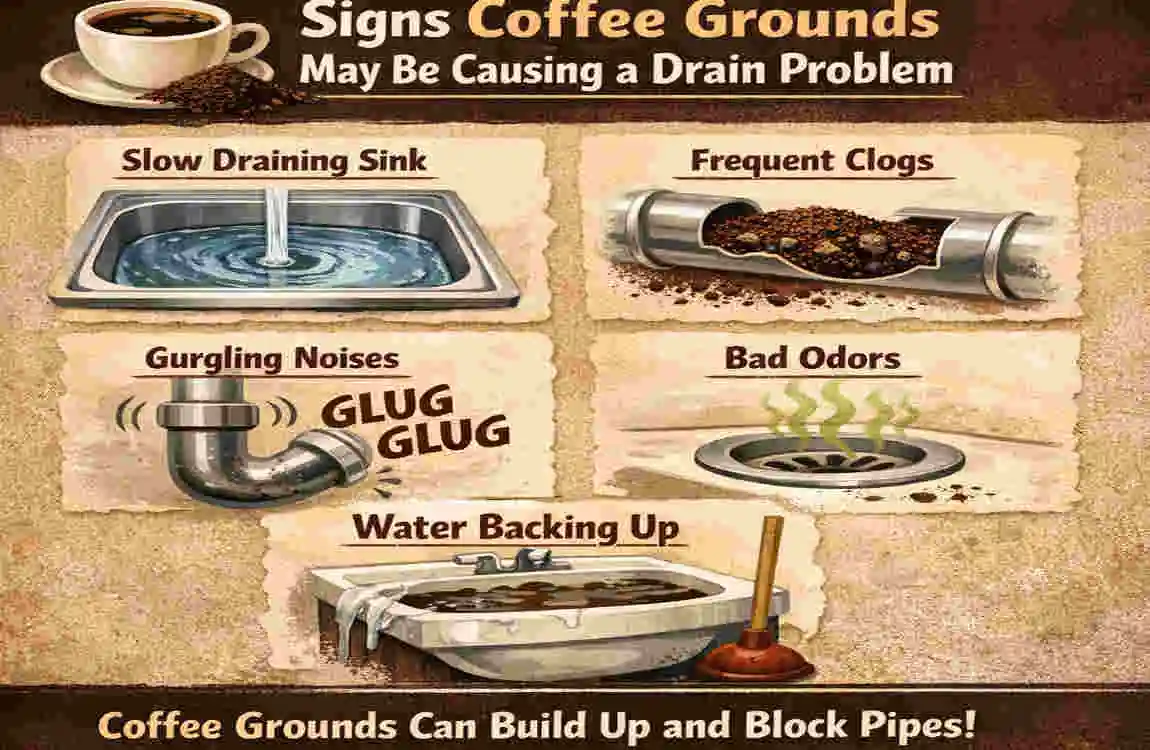
This buildup restricts water flow gradually. You might notice your sink draining more slowly each week. You may need to run the garbage disposal longer. These are early warning signs that coffee grounds are accumulating in your pipes.

The Grease and Coffee Combo Disaster

Here’s where things get really messy. Coffee grounds love to mix with grease and fats in your pipes. When these substances combine, they create a concrete-like substance that’s incredibly difficult to remove. Think about it like making a really gross cement mixture in your pipes.

This combination happens more often than you’d think. You could rinse a greasy pan after disposing of coffee grounds. Or bacon grease from breakfast meets yesterday’s coffee grounds in your plumbing pipes. The result? A rock-hard blockage that might require professional intervention to remove.

Long-Term Effects on Your Plumbing System

are coffee grounds bad for home plumbing

The damage from coffee grounds goes beyond simple clogs. Repeated blockages put stress on your entire plumbing system. Your pipes weren’t designed to withstand constant pressure from a backed-up water line. Over time, this stress can weaken joints and cause pipes to crack.

There’s also the corrosion factor to consider. When coffee grounds sit in your house pipes, they create an acidic environment. This acidity slowly eats away at pipe materials, especially in older homes with metal pipes. You might not notice the damage for years, but when problems finally surface, they’re often expensive to fix.

When Coffee Grounds Are Less Harmful

Let’s be fair here. Not every situation is a plumbing disaster waiting to happen. Some modern homes have high-powered garbage disposals and wider plumbing systems that handle coffee grounds more effectively. If you have a commercial-grade disposal and only dispose of small amounts occasionally, you might avoid major issues.

Homes with regular professional plumbing maintenance also fare better. If you’re getting your pipes cleaned annually, small amounts of coffee grounds might not accumulate enough to cause problems. But here’s the catch – why risk it when there are so many better disposal options?

Supporting Evidence from the Field

Professional plumber Mike Davidson from Davidson Plumbing Services shares his experience: “In my 20 years of plumbing, I’ve pulled pounds of compacted coffee grounds from residential pipes. Homeowners are always shocked when they see what’s been lurking in their plumbing.”

A study by the Municipal Water Management Association found that coffee grounds contribute significantly to municipal sewer blockages. They estimate that proper disposal of coffee grounds could reduce residential plumbing calls by up to 20%. That’s a lot of headaches prevented and money saved.

Why Coffee Grounds Should Not Be Flushed Down the Drain

The Mechanics of Drain Accumulation

Your drain system works on a simple principle – water carries waste away through smooth pipes. But coffee grounds throw a wrench in this system. They’re heavier than water, so they tend to settle at the bottom of pipes rather than flow through. This is especially problematic in horizontal pipe sections where water flow is slower.

Picture your pipes like a river. Fast-moving water in the center carries lighter debris away. But heavy particles like coffee grounds sink and accumulate along the riverbed. In your copper pipes, this “riverbed” becomes a growing layer of coffee sludge that increasingly restricts flow over time.

Real-Life Clogging Scenarios

Let me paint you a picture of what happens in real homes. Sarah from Birmingham thought nothing of rinsing her French press in the kitchen sink every morning. Six months later, her sink wouldn’t drain at all. The plumber pulled out what looked like a coffee-scented concrete block from her pipes. The bill? £350 for a job that could have been prevented entirely.

Then there’s Tom’s story. He ran a home-based coffee roasting business and regularly cleaned his equipment in the utility sink. Within a year, not only was his sink clogged, but the blockage had backed up into his washing machine drainage. The extensive repair work cost him over £800 and several days without laundry facilities.

Environmental Impact on Municipal Systems

The problem doesn’t stop at your property line. Coffee grounds that make it through your home’s plumbing end up in municipal wastewater systems. These systems aren’t designed to handle large volumes of coffee grounds. They can clog municipal pipes, damage treatment equipment, and increase maintenance costs for everyone.

Water treatment facilities report that coffee grounds are among the most problematic residential waste products they handle. They don’t break down in water treatment processes and must be manually removed. This increases operational costs, which are eventually passed on to consumers through higher water bills.

The Compound Effect Over Time

are coffee grounds bad for home plumbing

Even if you only rinse a teaspoon of grounds daily, the accumulation is shocking. That’s about 365 teaspoons per year, or roughly 8 cups of compacted grounds. Now imagine that building up in your pipes year after year. It’s like slowly filling your plumbing with cement, one spoonful at a time.

The insidious part is that problems develop so gradually that you don’t notice until it’s too late. Your pipes might be 90% clear for years, functioning normally. Then suddenly, that last 10% closes up, and you’re facing a complete blockage. It’s not a question of whether coffee grounds will cause problems—it’s a question of when.

Safe and Eco-Friendly Ways to Dispose of Coffee Grounds

Composting: The Gold Standard of Coffee Ground Disposal

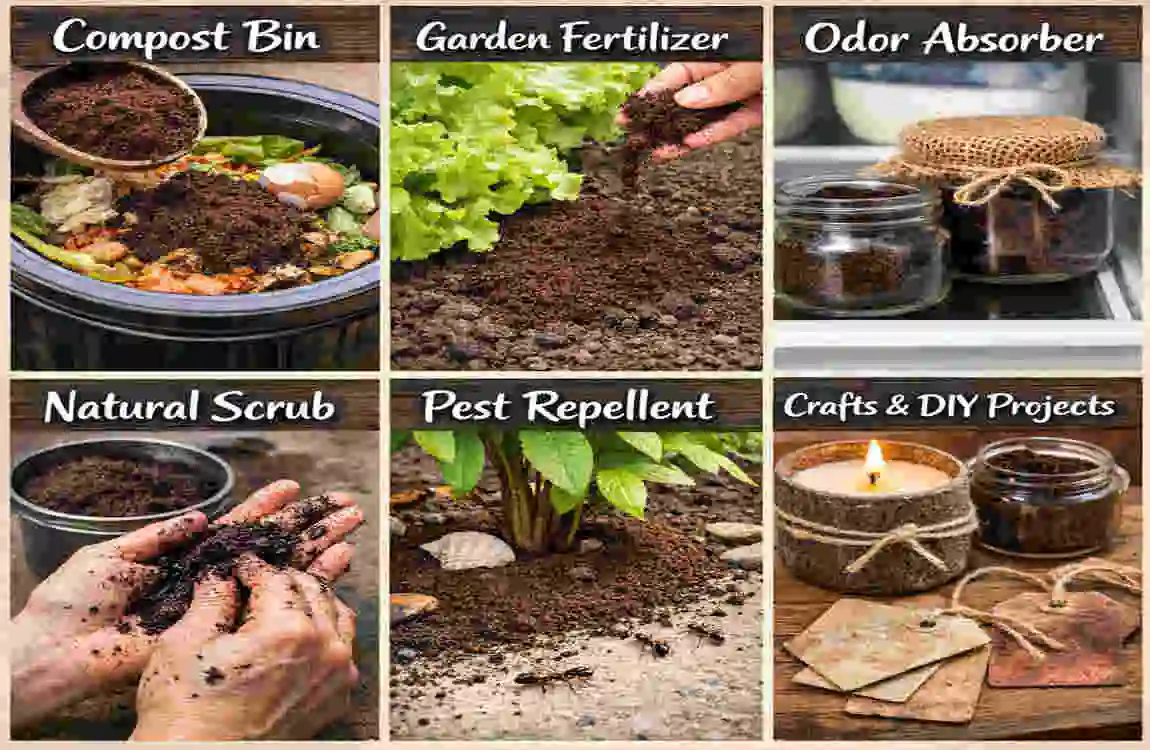
Composting is hands-down the best way to dispose of coffee grounds. These grounds are actually gardening gold! They’re rich in nitrogen, which is essential for healthy compost. When you add coffee grounds to your compost bin, you create nutrient-rich soil that your plants will love.

Here’s how to do it right. Add your coffee grounds to your compost bin along with “brown” materials like dried leaves or newspaper. The ideal ratio is about one part coffee grounds to three parts brown material. This balance prevents your compost from becoming too acidic. Turn your compost regularly, and within a few months, you’ll have beautiful, dark compost perfect for your garden.

Don’t have a traditional compost bin? No problem! You can create a simple compost system with just a plastic container with air holes. Even apartment dwellers can compost using small countertop composters or by participating in community composting programs.

Garden and Household Uses That’ll Amaze You

Natural Fertilizer for Acid-Loving Plants

Your azaleas, rhododendrons, and blueberries will thank you for coffee ground fertilizer. Sprinkle used grounds around these plants once a month during the growing season. The grounds slowly release nitrogen into the soil and improve drainage. Just don’t overdo it—a thin layer is plenty.

Pest Control That Actually Works

Coffee grounds are surprisingly effective at deterring certain pests. Slugs and snails hate crossing coffee ground barriers. Create a protective ring around vulnerable plants and watch these pests look elsewhere for their dinner. Some gardeners also report success using coffee grounds to deter cats from using garden beds as litter boxes.

Creative Household Applications

Use the How It Works Application Method

Deodorizer Absorbs odors naturally. Place dried grounds in an open container in the fridge or freezer.

Cleaning Scrub Gentle abrasive action Mix with dish soap for tough grease on pots

Hand Exfoliant removes dead skin and odor. Rub on hands after handling fish or garlic.

Furniture Scratch Filler Darkens minor scratches. Mix with oil, apply to dark wood scratches.

Drain Freshener eliminates odors. Place in the drain basket, not down the drain.

Minimizing Your Coffee Waste Footprint

Being mindful about coffee waste goes beyond just the grounds. Consider the entire lifecycle of your coffee consumption. Buy coffee in bulk to reduce packaging waste. Use reusable filters instead of paper ones. And when possible, support local roasters who use sustainable practices.

You can also reduce waste by being precise with your brewing. Measure your coffee carefully to avoid making more than you’ll drink. Leftover brewed coffee can be frozen in ice cube trays for iced coffee later. Every small step counts toward reducing your environmental impact.

Preventative Plumbing Tips to Avoid Clogs from Coffee Grounds and Other Debris

Regular Drain Maintenance Schedule

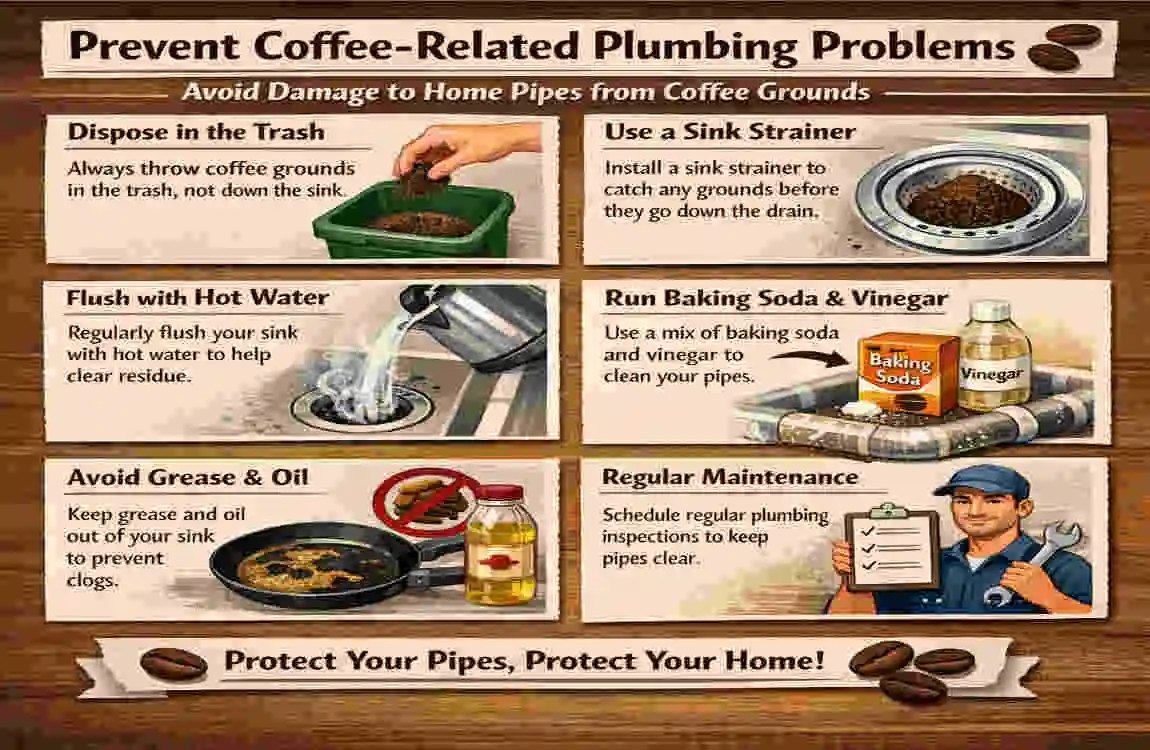
Prevention is always cheaper than repair. Establishing a regular drain maintenance routine will save you countless headaches and potentially thousands in repair costs. Here’s a simple monthly routine that takes just minutes but makes a huge difference.

On the first Sunday of each month, flush your drains with hot water for 2 full minutes. The heat helps dissolve grease buildup and pushes small debris through your pipes. Follow this with a mixture of baking soda and vinegar – pour half a cup of baking soda down the drain, then a cup of white vinegar. Let it fizz for 30 minutes, then flush with hot water again.

Every three months, use an enzyme-based drain cleaner. These natural cleaners use beneficial bacteria to break down organic buildup in your pipes. They’re safe for your plumbing and the environment, unlike harsh chemical cleaners that can damage pipes over time.

Smart Strainer and Filter Solutions

The easiest way to keep coffee grounds out of your pipes? Don’t let them get there in the first Place. Install fine mesh strainers in all your sinks. These inexpensive devices catch coffee grounds, food particles, and other debris before they enter your plumbing system.

For coffee lovers, consider getting a dedicated coffee ground catcher. These specialized strainers fit perfectly in your sink and have ultra-fine mesh explicitly designed for coffee particles. Empty them into your compost bin or trash after each use. It takes seconds and saves you from future plumbing disasters.

Garbage Disposal Best Practices

If you absolutely must use your garbage disposal occasionally, follow these golden rules:

  • Run cold water before, during, and after using the disposal
  • Never put coffee grounds down without lots of water
  • Keep the disposal running for at least 30 seconds after the grounds are gone
  • Follow up with dish soap to help break up any oily residue
  • Limit disposal use to essential situations

Remember, your garbage disposal isn’t a magic portal that makes waste disappear. Everything you put down there has to go somewhere, and that somewhere is through your pipes design.

Warning Signs You Shouldn’t Ignore

are coffee grounds bad for home plumbing

Your plumbing system always gives warning signals before a significant problem develops. Learning to recognize these signs can help you address issues before they become expensive emergencies.

Watch for these red flags:

  • The sink is draining more slowly than usual
  • Gurgling sounds from drains
  • Water backs up in other drains when you run water
  • Unpleasant odors coming from drains
  • Need to plunge sinks frequently

If you notice any of these signs, stop putting anything questionable down your drains immediately. Address the issue with safe cleaning methods or call a professional before the home problem worsens.

You may also like...

Leave a Reply

Your email address will not be published. Required fields are marked *