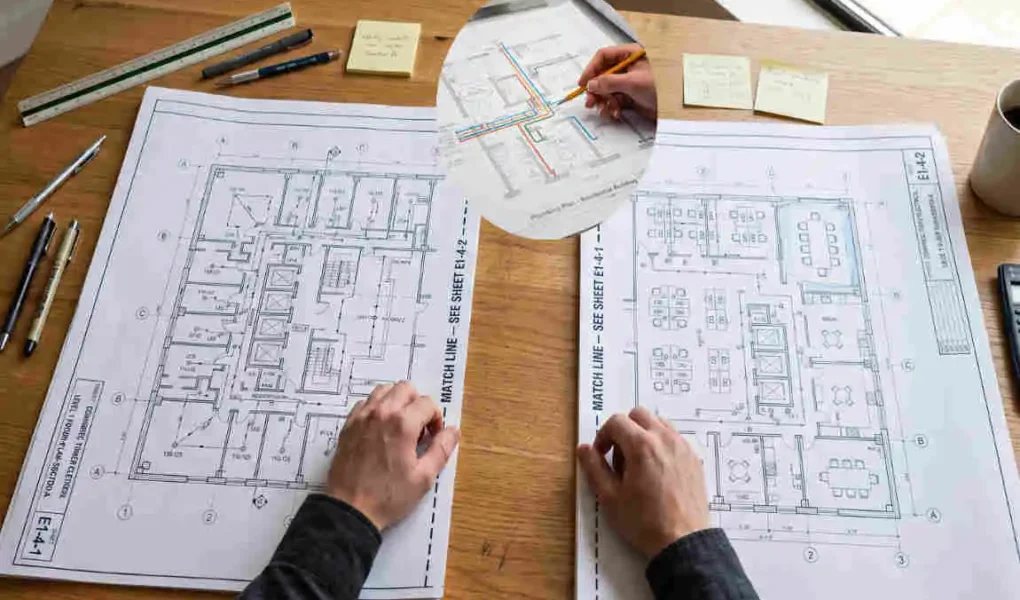
If you have ever looked at construction paperwork or plumbing documents and wondered what is a riser diagram plumbing, you are not alone. A plumbing riser diagram is a simplified drawing that shows how important parts of a plumbing system connect, particularly across different levels of a house.
What Is a Plumbing Riser Diagram?
Simple Definition of a Plumbing Riser Diagram
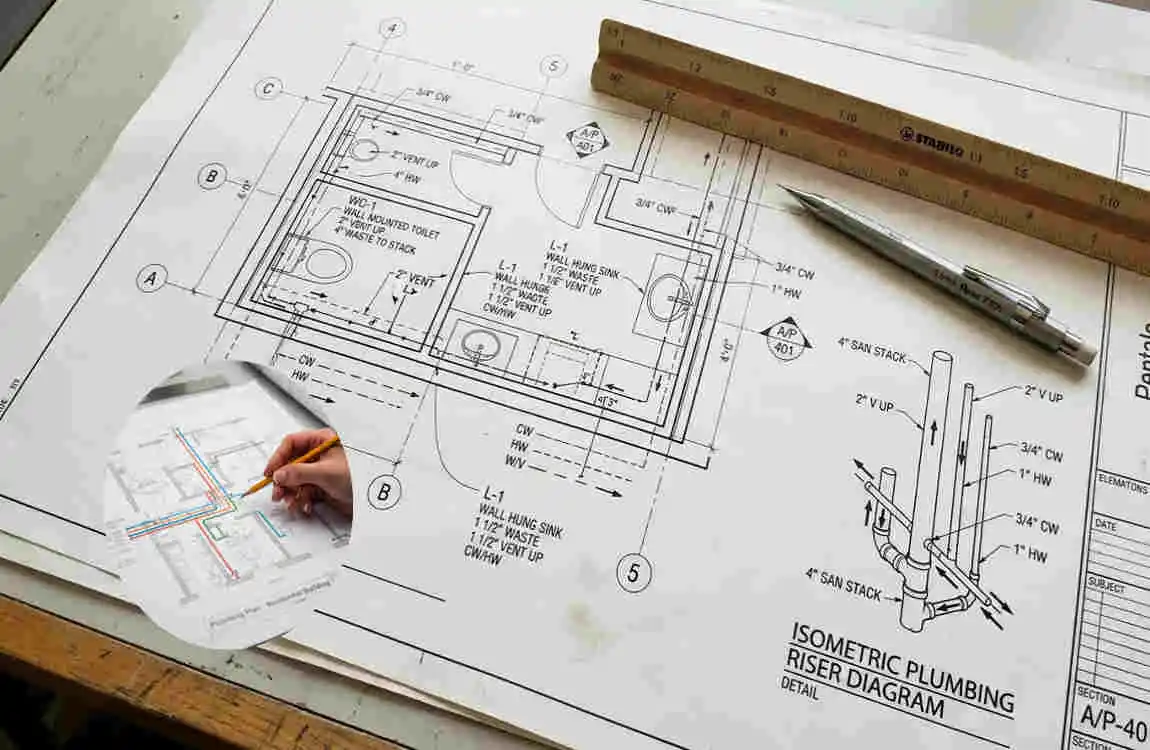
A plumbing riser diagram is a simplified drawing of a plumbing system, usually emphasizing vertical connections between different floors or levels.
Think of it as a plumbing map. It does not necessarily represent the exact physical position of every pipe. Instead, it helps show how the major plumbing components connect and work together.
A detailed plumbing floor plan usually looks at the house from above. A riser diagram focuses more on the vertical relationship between plumbing components.
What Does a Riser Diagram Show?
Depending on the project, a riser diagram may identify:
- Water supply pipes carrying hot and cold water
- Drain and waste pipes carrying wastewater away
- Vent pipes that allow the drainage system to function properly
- Plumbing fixtures such as toilets, sinks, showers, and tubs
- Water heaters
- Valves and important connections
- Pipe sizes and flow directions
- Floor levels and connections between stories
The amount of detail can vary. A simple residential diagram may be relatively easy to understand, while a large building can have a much more complicated drawing.
Why Is It Called a “Riser” Diagram?
The word riser is commonly associated with a pipe that runs vertically between levels. In a multi-story house, plumbing lines may travel from one floor to another through walls, chases, or other designated spaces.
A riser diagram represents these connections in a way that makes the vertical plumbing system easier to understand.
Why Does a Plumbing Riser Diagram Matter for Your House?
Helps You Understand Your Plumbing System
Most plumbing is hidden behind walls, below floors, or inside ceilings. That makes it difficult to know exactly where everything goes.
A riser diagram provides a simplified overview. You can see how supply lines connect to fixtures and how wastewater and vent lines relate to those fixtures.
This can be particularly helpful when you experience a plumbing problem and need to identify which part of the system may be involved.
Makes Repairs and Remodeling Easier
A plumbing diagram can be valuable before making changes to your kitchen or bathroom.
For example, if you want to move a sink, add a bathroom, replace a water heater, or change a fixture, understanding the existing plumbing connections can help identify potential challenges.
A plumber can also use the available documentation to better understand the existing system before opening walls or changing pipes.
Supports Plumbing Inspections and Permits
Some construction and remodeling projects require plumbing drawings as part of the approval or inspection process. The exact requirements depend on the project and applicable local building and plumbing regulations.
A riser diagram may therefore become part of the documentation used by contractors, designers, plumbers, or inspectors.
Main Parts of a Plumbing Riser Diagram
Water Supply Lines
Water supply lines deliver water from the home’s main water source to fixtures.
A diagram may distinguish between hot and cold water lines. Cold water generally comes directly from the supply system, while hot water travels from the water heater to fixtures that require heated water.
Seeing these connections on a diagram can make the home’s water distribution system easier to understand.
Drainage and Waste Pipes
Drain pipes carry used water away from fixtures. Sinks, showers, tubs, toilets, and other plumbing fixtures depend on properly designed drainage.
A riser diagram can show how individual fixture drains connect to larger drain lines. This gives you a basic understanding of how wastewater moves through the home.
Vent Pipes
Vent pipes are an important part of a drainage system. They help maintain proper air pressure within the plumbing system and support smooth drainage.
Proper venting also helps protect the water seals in plumbing traps. Without proper venting, drainage can become problematic and unpleasant odors may enter living spaces.
Plumbing Fixtures and Connections
Fixtures such as toilets, sinks, showers, tubs, and utility sinks may appear on a riser diagram using symbols or labels.
The drawing can show which pipes connect to each fixture and how those connections relate to the larger plumbing system.
Because symbols differ between drawings, it is useful to check the diagram’s legend whenever one is provided.
Valves and Important Components
Shutoff valves and other important components may also be identified.
Knowing where valves are located can be useful during maintenance. If a fixture develops a leak, identifying the appropriate shutoff point can help a homeowner or plumber isolate that part of the system.
Plumbing Riser Diagram vs. Plumbing Floor Plan
What a Plumbing Floor Plan Shows
A plumbing floor plan normally provides a top-down view of a floor.
It can show where toilets, sinks, showers, and other fixtures are positioned and may illustrate horizontal pipe routing throughout that level.
This makes a floor plan particularly useful for understanding the physical layout of plumbing fixtures.
What a Riser Diagram Shows
A riser diagram focuses more on the vertical relationships and system connections.
For a multi-story home, it can help show how plumbing from an upper bathroom connects with lower floors and larger supply, drainage, or vent systems.
The two drawings can work together rather than replacing one another.
Feature Plumbing Riser Diagram Plumbing Floor Plan
Main view Vertical/system view Top-down view
Shows floors Emphasizes connections between levels Shows individual floor layouts
Pipe relationships Highlights vertical connections Highlights horizontal routing
Fixtures Shows connected fixtures Shows fixture locations
Main purpose Understand system connections Understand plumbing layout
How to Read a Plumbing Riser Diagram
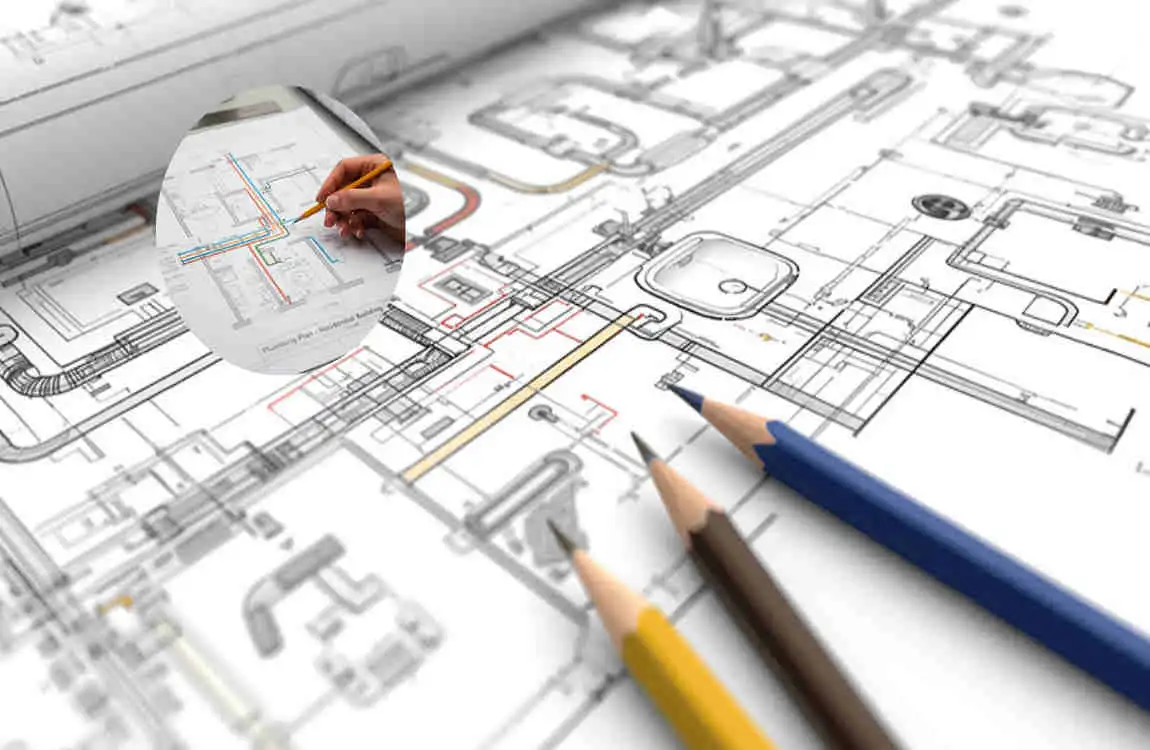
Start With the Main Water Supply
Begin by identifying where water enters the house or where the main supply connects to the plumbing system.
From there, follow the supply lines toward individual fixtures. Look for labels that distinguish hot and cold water piping.
You do not need to understand every technical detail. Start by following the major connections and identifying which fixtures they serve.
Follow the Drain and Vent Lines
Next, look at the drainage and vent pathways.
Pay attention to arrows, labels, pipe sizes, and connection points. These details can help you understand how wastewater leaves fixtures and how vent pipes support the drainage system.
If the diagram seems complicated, follow one fixture at a time rather than trying to understand the entire system immediately.
Learn Common Plumbing Symbols
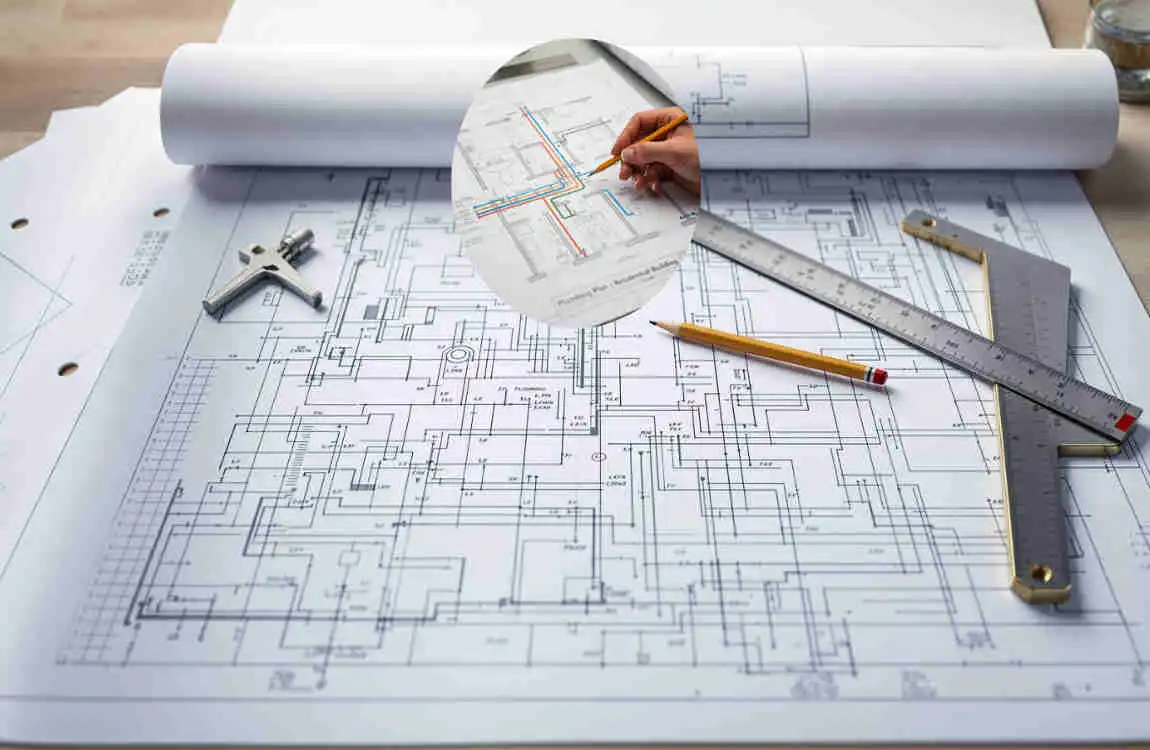
Plumbing drawings often use symbols and abbreviations to save space. Symbols may represent fixtures, valves, drains, vents, cleanouts, and other components.
However, symbols can vary between drawings. If a legend is included, use it as your main reference.
When you are unsure about a symbol or technical notation, ask a qualified plumber rather than assuming what it means.
When Does a Homeowner Need a Plumbing Riser Diagram?
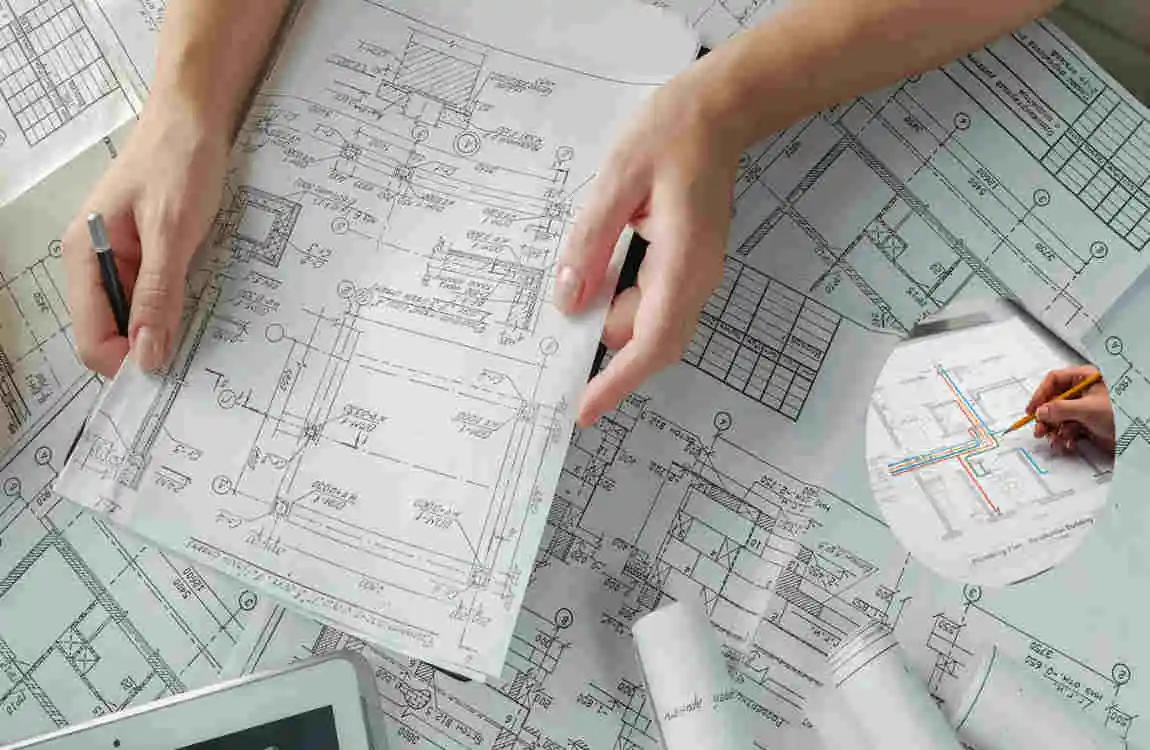
During New Home Construction
During construction, plumbing diagrams help builders and plumbers coordinate the installation of different components.
They can also help inspectors understand the planned system and identify relationships between plumbing levels.
For a homeowner, keeping copies of these construction documents can be useful long after the house is completed.
During Bathroom or Kitchen Remodeling
Remodeling can change more than the visible fixtures.
Moving a toilet, sink, shower, or other fixture may require changes to water supply, drainage, and vent connections. A riser diagram can provide useful information about the existing system before work begins.
This can help you and your contractor identify possible complications early.
When Troubleshooting Plumbing Problems
A diagram may also be useful when investigating leaks, drainage issues, or other plumbing concerns.
For example, if several fixtures appear to have a related drainage problem, the diagram may help a professional understand how those fixtures connect.
It is not a substitute for professional diagnosis, but it can provide valuable background information.
When Buying or Selling a House
Plumbing documentation can be a useful part of a home’s records.
If a house has undergone renovations, keeping diagrams and permits can give future owners information about what changed and how the plumbing system was arranged.
Common Questions Homeowners Have About Plumbing Riser Diagrams
Is a Plumbing Riser Diagram Required for Every House?
No. A riser diagram isn’t required for every home.
Whether you need one depends on factors such as construction type, scope of work, building requirements, and local regulations. New construction and major remodeling projects are more likely to involve formal plumbing drawings.
Can a Homeowner Create a Plumbing Riser Diagram?
A homeowner can create a basic sketch for personal records.
For example, you might draw the locations of major shutoff valves, water heater connections, and visible plumbing routes.
However, you may need a professional drawing for construction, engineering, or permitting.
What Is the Difference Between a Plumbing Riser and a Riser Diagram?
A riser generally refers to a vertical section of piping that connects different levels.
A riser diagram, on the other hand, is the drawing that illustrates plumbing components and their connections, including those vertical relationships.
In simple terms, the riser is part of the plumbing system. In contrast, the riser diagram visually represents that system.
Where Can I Find My House’s Plumbing Diagram?
Start by checking your home’s construction and renovation records.
Possible sources include builders, plumbers, contractors, renovation documents, inspection paperwork, and available local permitting records.
Older homes may not have a complete diagram. In that situation, a plumber may be able to document the existing system during an inspection or renovation.