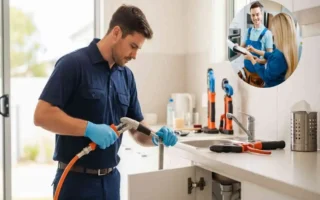
A house plumbing business can be a strong opportunity because homeowners regularly need help with leaks, clogged drains, broken fixtures, water heaters, and plumbing installations. These problems often need quick attention, which creates steady demand for reliable plumbers.
| Requirement | What You Need |
|---|---|
| Plumbing Skills | Experience in residential plumbing repairs and installations |
| License & Permits | Required plumbing license, permits, and business registration |
| Tools & Equipment | Pipe tools, drain equipment, safety gear, and testing tools |
| Work Vehicle | Reliable van or truck for carrying tools and materials |
| Insurance | General liability and appropriate business insurance |
| Startup Budget | Money for tools, vehicle, licenses, insurance, and marketing |
| Marketing | Website, local SEO, referrals, reviews, and local advertising |
| Pricing Strategy | Competitive prices that cover costs and provide a healthy profit |
| Services | Repairs, installations, maintenance, and emergency plumbing |
| Customer Service | Reliable communication, quality work, and professional service |
| Profitability | Strong demand, controlled expenses, repeat customers, and efficient operations |
If you are considering starting this type of business, one of the first questions to ask is: Is a house plumbing business profitable? The answer can be yes, but profitability depends on several factors. Your pricing, operating costs, location, customer demand, artistry, and marketing all play an important role.
Is House Plumbing Business Profitable?
Yes, a residential plumbing business can be profitable when it is managed properly. Plumbing services can generate income from repairs, installations, maintenance, and emergency calls.
The biggest advantage is that plumbing is an essential home service. When a pipe leaks or a drain becomes seriously blocked, homeowners usually cannot delay the problem for long.
However, being a skilled plumber alone does not guarantee strong profits. You also need to understand pricing, expenses, scheduling, customer service, and marketing.
Emergency services can sometimes bring higher-value jobs because customers are willing to pay for fast assistance. Regular maintenance and repeat customers can also create more predictable income.
What You Need to Start a House Plumbing Business
Plumbing Skills and Experience
Strong plumbing knowledge is the foundation of the business. You should understand common residential plumbing systems and know how to diagnose and repair problems safely.
Depending on your location, you may also need specific licenses, certifications, training, or practical experience before providing certain plumbing services.
Business Registration and Insurance
You will generally need to register your business and understand local permit and plumbing license requirements.
Insurance is also important. General liability insurance can help protect your business if accidental property damage or other covered problems occur during a job.
Tools, Equipment, and Vehicle
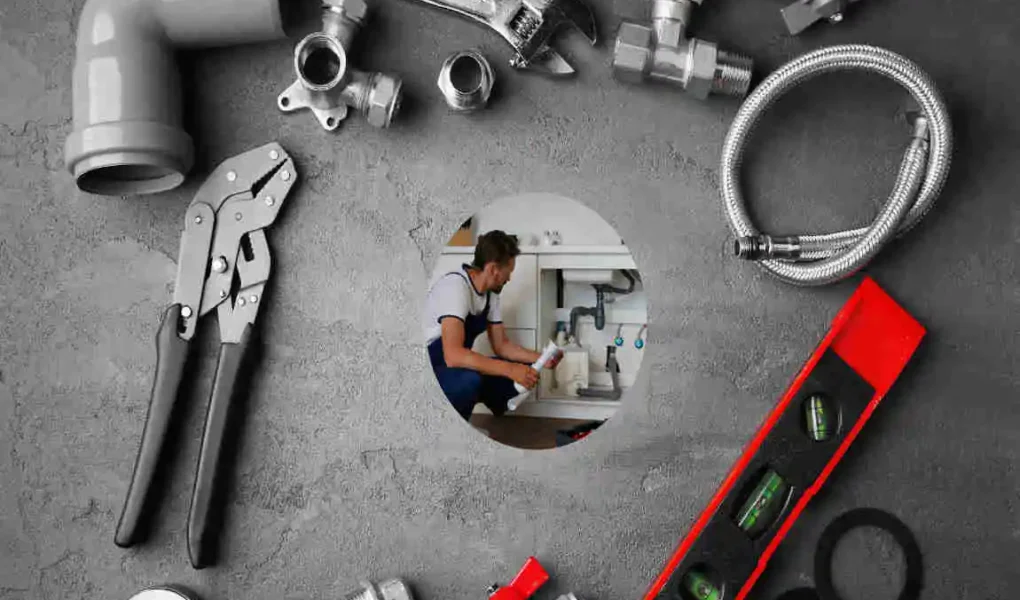
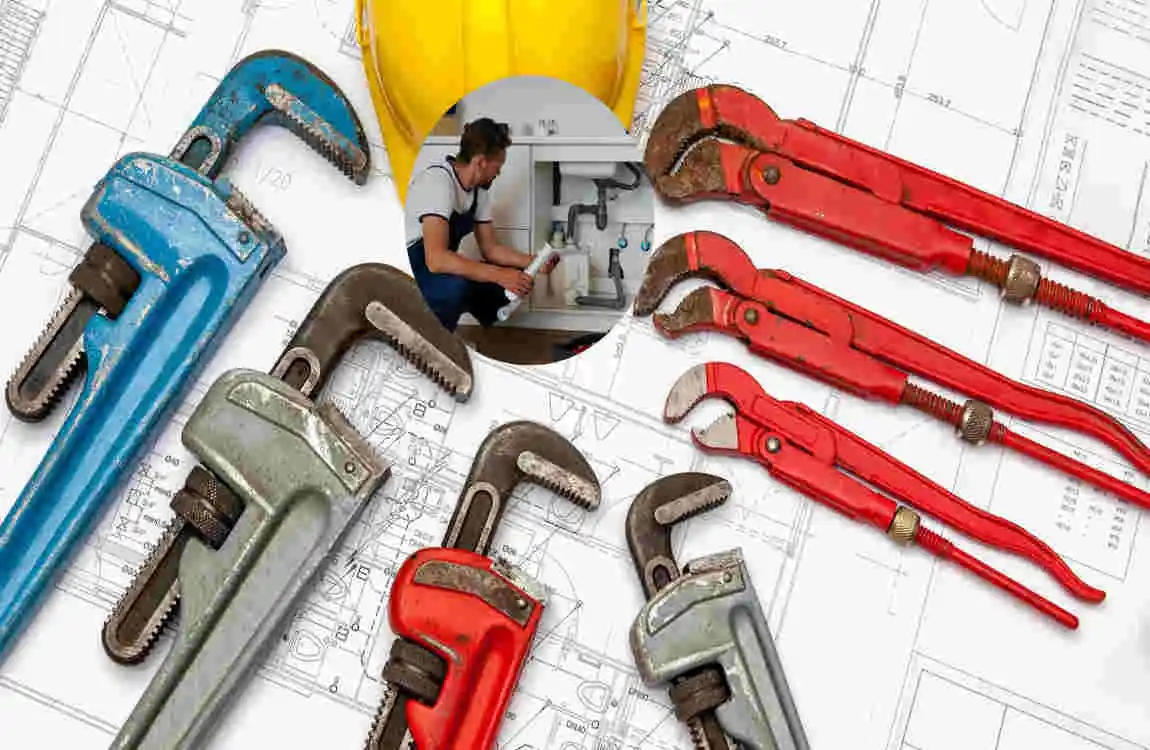
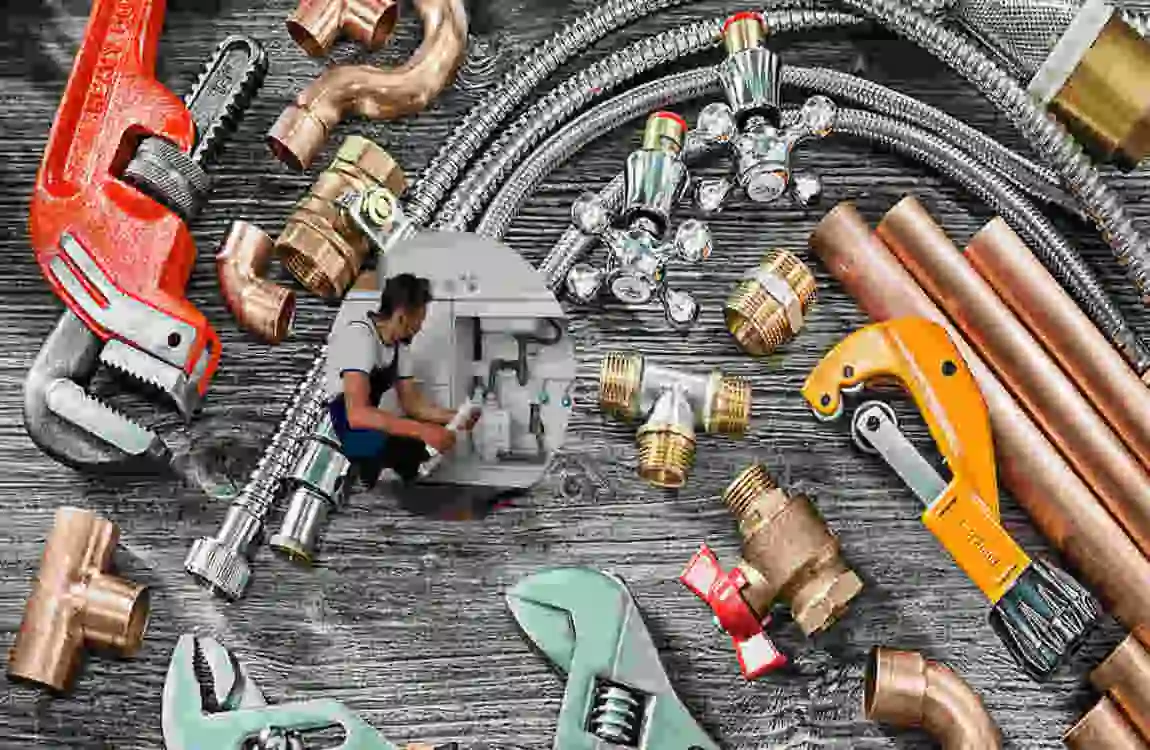
A professional plumber needs dependable tools. Basic equipment may include pipe wrenches, adjustable wrenches, cutters, plungers, inspection tools, and safety equipment.
More advanced work may require drain-cleaning machines, inspection cameras, specialized repair tools, and other equipment.
A reliable work vehicle is also valuable because you need to transport tools, replacement parts, and equipment to customers’ homes.
How Much Does It Cost to Start a Plumbing Business?
Startup costs can vary significantly depending on how you operate. A solo plumber working from a basic service vehicle may spend much less than a company starting with several employees and fully equipped vehicles.
Typical expenses can include:
- Business registration and licensing
- Plumbing tools and equipment
- Vehicle purchase or setup
- Fuel and maintenance
- Insurance
- Advertising and marketing
- Phone and internet services
- Website and business software
- Accounting and administrative costs
Starting small can help you control expenses. As revenue becomes more consistent, you can reinvest in better equipment, additional vehicles, employees, and marketing.
How a House Plumbing Business Makes Money
Residential Plumbing Repairs
Repairs are one of the most common sources of plumbing income. Homeowners may need help with leaking pipes, faucets, toilets, water heaters, clogged drains, and damaged fixtures.
Small repairs can also lead to larger jobs when the plumber discovers an underlying plumbing problem.
Installation Services
Installation work can provide another valuable revenue stream. Services may include bathroom and kitchen plumbing, water heater installation, new fixtures, replacement pipes, and other residential plumbing systems.
Offering installation alongside repair services lets a business serve customers at different stages of homeownership and renovation.
Emergency Plumbing
Emergency plumbing can be especially valuable because customers often need immediate assistance.
A burst pipe, overflowing toilet, major leak, or serious drain blockage can cause significant damage if ignored. A plumbing company that offers dependable emergency response can potentially charge more for urgent work.
The key is to provide fast, professional, and transparent service.
Maintenance Services
Maintenance can turn occasional customers into long-term clients. Regular inspections can help homeowners identify plumbing problems before they become expensive repairs.
You can also offer recurring maintenance services where appropriate. This approach can create repeat business while strengthening customer relationships.
How to Make a Plumbing Business More Profitable
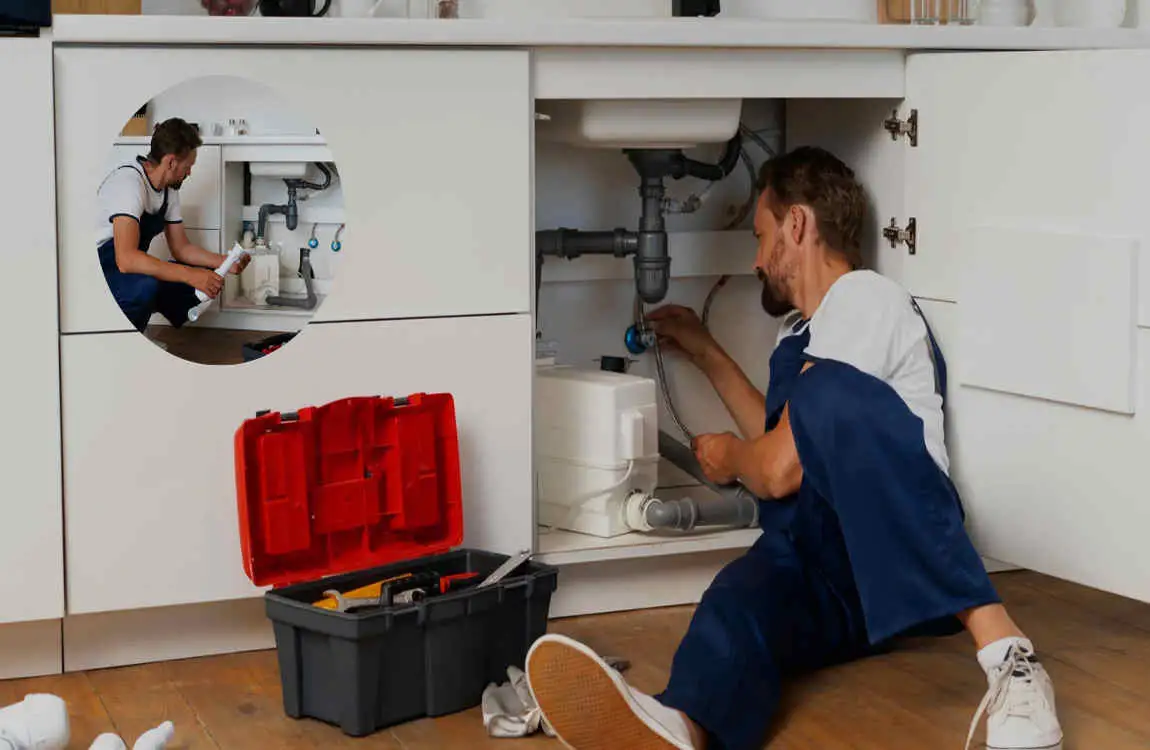
Profitability isn’t just about getting more customers. You also need to make sure your business keeps enough money after expenses.
Set prices that are competitive in your market while still covering labor, transportation, equipment, insurance, administrative costs, and other expenses.
Focus on quality artistry because poor repairs can lead to complaints, refunds, and a damaged reputation.
Offering several residential services can also increase each customer’s value. For example, a customer who contacts you for a leaking faucet may later need water heater maintenance or other plumbing work.
Efficient scheduling is equally important. Grouping jobs by location and avoiding unnecessary travel can reduce fuel costs and increase the number of jobs you can complete.
Marketing Strategies for a Residential Plumbing Business
Local SEO
Local search can be extremely useful for a plumbing company. Homeowners often search for terms such as “plumber near me,” “emergency plumber,” or a location-specific plumbing service.
A well-optimized Google Business Profile and local online presence can help your company appear when nearby homeowners need help.
Website and Online Reviews
A professional website gives potential customers an easy way to understand your services. Include your service areas, contact details, plumbing services, and useful customer information.
Positive reviews can also build trust. After completing a successful job, you can politely encourage satisfied customers to leave honest feedback.
Social Media and Local Advertising
Social media can help you demonstrate your work and remain visible in the local community. Photos of completed projects, maintenance tips, and simple plumbing advice can show potential customers that you understand the job.
Local advertising can also help a new plumbing company compete with established businesses.
Common Challenges of Running a Plumbing Business
Running a plumbing company comes with challenges. Competition can be strong, particularly in areas with many established contractors.
Unexpected costs can also reduce profits. Vehicles require maintenance, tools can break, and emergency jobs may require additional equipment or parts.
Managing schedules can become difficult as the customer base grows. You may also struggle to find qualified plumbers and keep cash flow consistent.
Good planning can make these challenges easier to manage. Keep accurate records, monitor expenses, communicate clearly with customers, and avoid taking on more work than your business can handle.
Pros and Cons of Starting a House Plumbing Business
Pros Cons
Consistent demand for plumbing services Startup and equipment expenses
Multiple ways to generate revenue Licensing requirements
Potential for repeat customers Physically demanding work
FAQ
Is a house plumbing business profitable?
Yes. A house plumbing business can be profitable because residential plumbing is an essential service with recurring demand. Actual profits depend on pricing, customer volume, expenses, competition, and business management.
How much money can a residential plumbing business make?
Income varies based on location, services, workload, pricing, and operating costs. A solo plumber and a larger plumbing company can have very different revenue and profit levels.
How much does it cost to start a plumbing business?
Startup costs depend on equipment, vehicle needs, licensing, insurance, marketing, and whether you work alone or hire employees. Starting small can reduce the initial investment.
Do you need a license to start a plumbing business?
Licensing requirements vary by location and the type of plumbing work being performed. Check your local regulations before offering professional plumbing services.
What plumbing services are the most profitable?
Emergency repairs, specialized repairs, installations, water heater services, and maintenance can all be profitable. The best opportunities depend on local demand and your operating costs.
How can a small plumbing business get more customers?
Focus on local SEO, positive reviews, referrals, a professional website, social media, and reliable customer service. Satisfied customers can become a key source of repeat business and referrals.