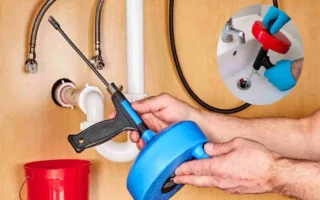
Homeowners often want to move a bathroom sink to improve the layout, add storage, or make the room feel more open. In many cases, the job starts with learning how to move bathroom sink plumbing while keeping the bathroom working properly.
| Aspect | Information |
|---|---|
| Project | Moving a bathroom sink to a new location |
| Best First Step | Plan the new sink position and measure the available space |
| Water Supply | Shut off the water and reroute the hot and cold supply lines |
| Drain Plumbing | Move or extend the drainpipe while maintaining proper drainage |
| P-Trap | Reposition the P-trap beneath the new sink location |
| Vent Plumbing | Check that the sink remains properly connected to the plumbing vent |
| Sink Installation | Secure the sink, faucet, and cabinet or vanity in the new position |
| Main Tools | Adjustable wrench, pipe cutter, screwdrivers, drill, measuring tape, and plumbing fittings |
| Important Check | Test all connections for leaks before closing walls or floors |
| Common Challenge | Limited access to existing pipes behind walls or beneath the floor |
| DIY Option | Suitable for experienced homeowners when the plumbing changes are simple |
This project isn’t just about moving the sink. It also means adjusting the water lines, drain, and sometimes the vent system. A little planning goes a long way here, because the plumbing behind the wall or under the floor must still work smoothly after the move.
Understanding Bathroom Sink Plumbing Before Moving It
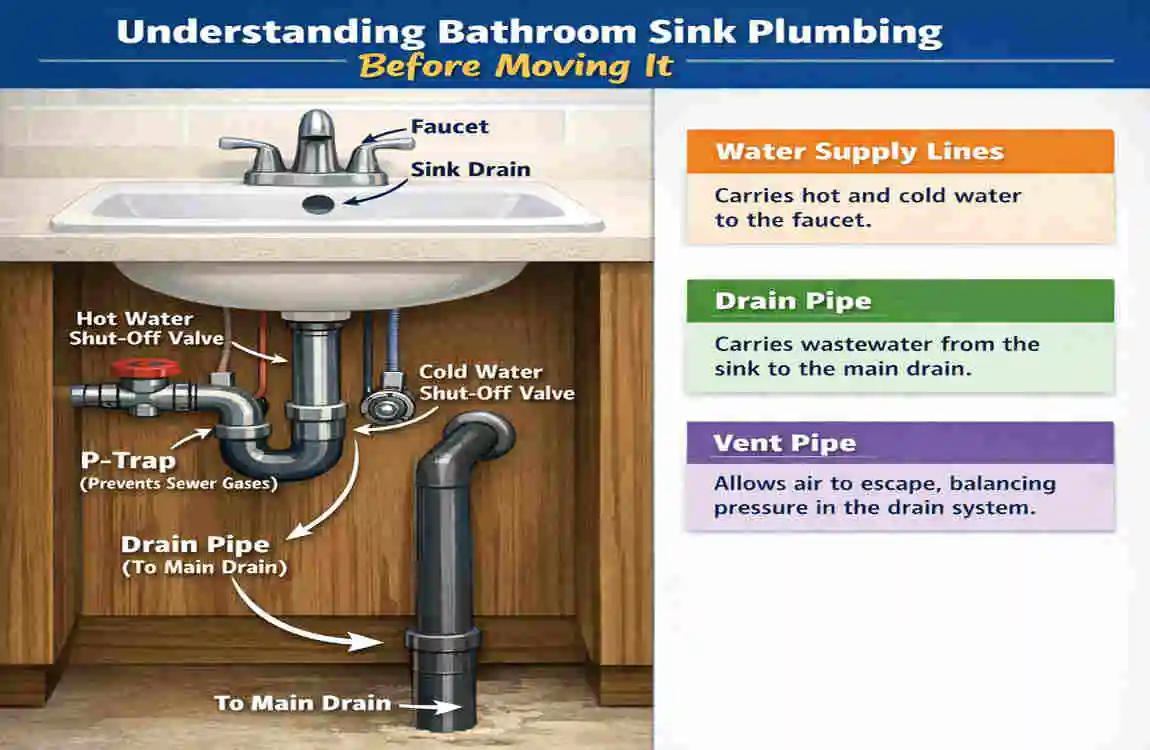
Basic Parts to Know
A bathroom sink depends on a few key parts. The water supply lines bring water to the faucet. The drainpipe carries used water away. The P-trap helps block sewer gas, and the vent helps drainage flow the right way.
Why the Current Layout Matters
The existing plumbing location matters because it affects how far the sink can move and how much work it will take. Some bathrooms are easy to update, while others need more wall or floor work. That is why you should check every layout before removing anything.
How to Move Bathroom Sink Plumbing
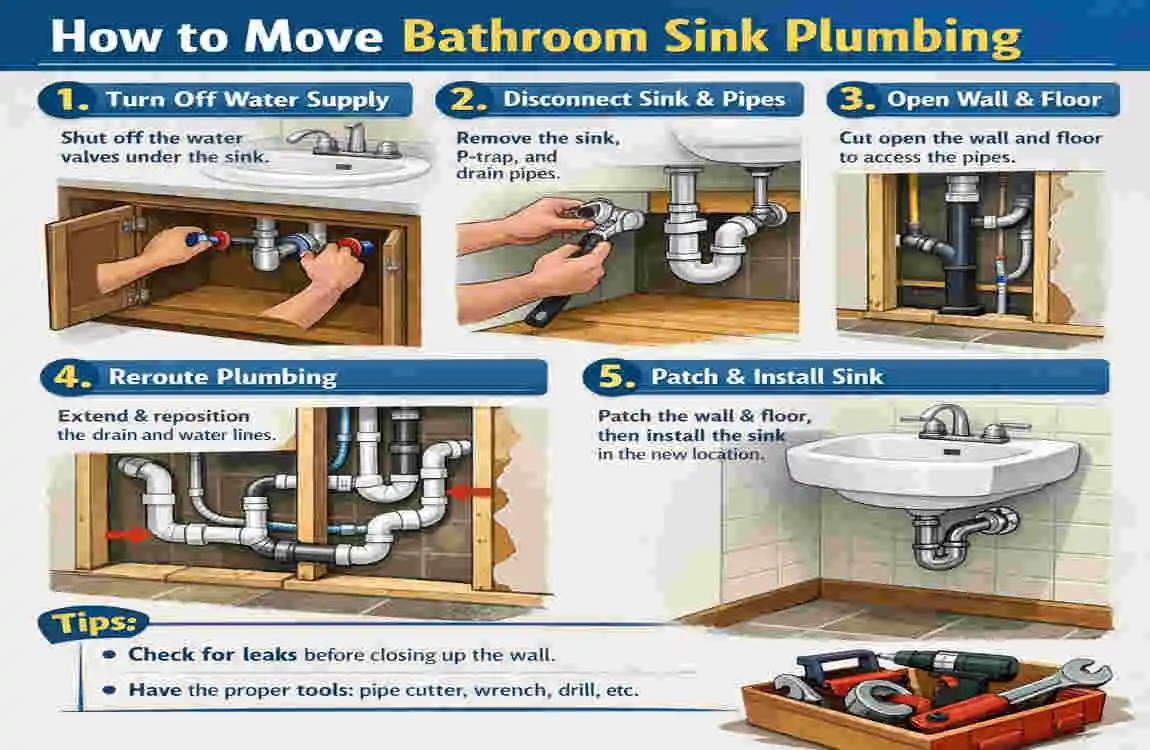
Start by carefully planning the new sink location. Then turn off the water supply and remove the old sink. After that, disconnect the plumbing and mark where the new water lines and drain will go.
Next, extend or reroute the supply pipes and move the drain and P-trap as needed. Also check whether the vent system can support the new setup. Once everything is in place, reinstall the sink, reconnect the pipes, and test for leaks.
What to Consider Before Relocating a Bathroom Sink
Before you begin, think about the available space, the distance to the new spot, and how the drain will slope. You also need to check what is behind the wall or below the floor.
Some bathrooms allow easy access, while others make the work harder. Local plumbing rules may also affect what you can do.
Factor | Why It Matters
Drain slope Helps water flow out properly
Wall access Affects how easy the move will be
Venting Supports proper drainage
Permits May be required in some areas
Common Mistakes When Moving a Bathroom Sink
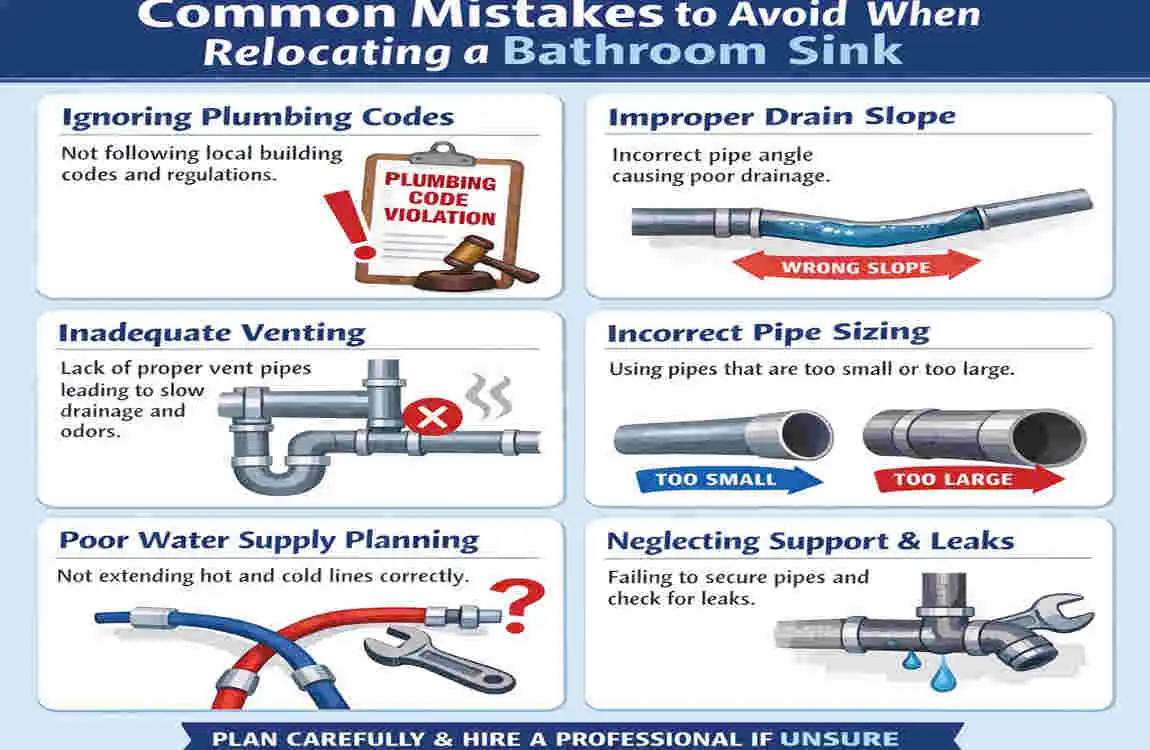
- Moving the sink without planning the drain route
- Incorrect drain slope
- Poorly connected supply lines
- Ignoring the vent system
- Skipping leak testing before closing the wall
These mistakes can lead to slow drainage, leaks, or costly repairs.
DIY or Hire a Plumber?
Some experienced homeowners can handle simple tasks like removing the sink and reconnecting basic supply lines. But drain changes and vent work are usually more complicated.
If the plumbing is hidden, the layout is tight, or you want to avoid water damage, hiring a licensed plumber is often the safer choice. A plumber can also help reduce mistakes that might cost more later.
Cost of Moving Bathroom Sink Plumbing
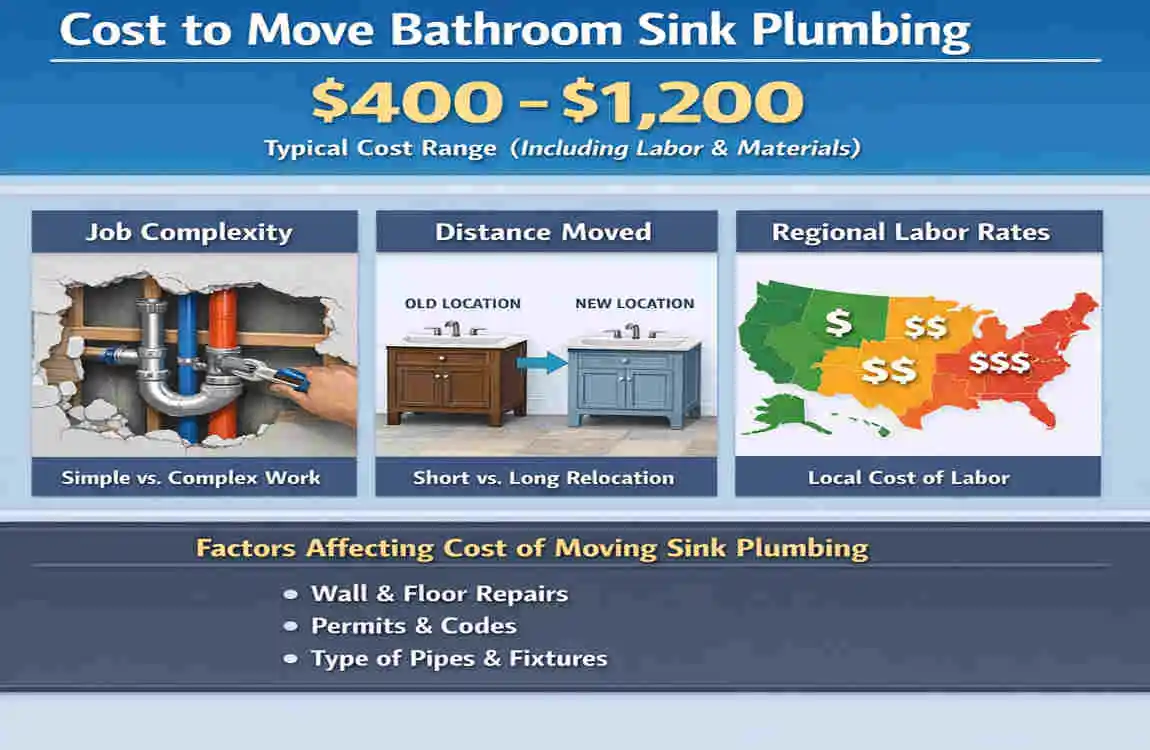
The cost depends on the distance of the move, the type of plumbing work needed, and whether you need to open walls or floors. New fittings, labor, repairs, and possible permit fees can all affect the total.
A simple move may cost less, while a more complex one can cost much more. The more the plumbing has to change, the more the price usually rises.
FAQ
Can you move a bathroom sink to another wall?
Yes, but it depends on the plumbing layout and how far the sink needs to move.
How difficult is it to move bathroom sink plumbing?
It can be a simple job or a tricky one, depending on access, drain routing, and venting.
Can bathroom sink plumbing be moved without opening the wall?
Sometimes, but many moves need wall access to reroute pipes safely.
How far can you move a bathroom sink from the existing drain?
That depends on the slope, venting, and your bathroom’s overall plumbing setup.
Do you need a plumber to relocate a bathroom sink?
Not always, but a plumber is often the best choice for drain or vent changes.