how does plumbing snake work
Plumbing

Ultimate Guide: How Does a House Plumbing Snake Work?

It is a busy Monday morning, and you are already running late for work. You step into the shower only to find yourself standing in ankle-deep water that refuses to go down. Or you are washing dishes after dinner, and the kitchen sink starts filling up with murky, foul-smelling water. Sound familiar? If you have ever dealt with a stubborn drain clog, you already know just how frustrating and time-consuming it can be.

Most people reach for a bottle of chemical drain cleaner as their first line of defense. But what if there was a better, safer, and more effective way to tackle those pesky blockages? Enter the plumbing snake, also known as a drain auger. This simple yet incredibly powerful tool has been a trusted companion for professional plumbers for decades, and it is now more accessible than ever for everyday homeowners like you.

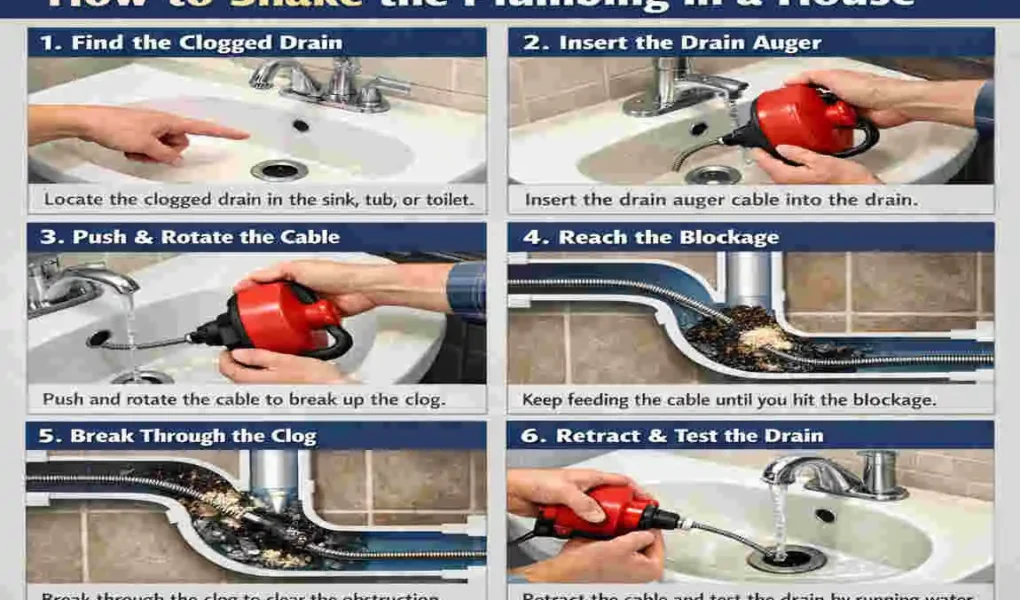
Step Action Tips
1. Prepare Clear drain area; have bucket/rags ready. Wear gloves; remove standing water if possible.
2. Insert Feed auger head into drain opening slowly. Push gently past initial resistance like P-traps.
3. Rotate Turn crank/motor clockwise while advancing. Feel for clogs; don’t force to avoid pipe damage.
4. Work Clog Maintain rotation/pressure to break or hook debris. Pull back slowly once snagged.
5. Flush & Test Withdraw snake; run hot water 2-3 minutes. Check flow; repeat if needed

What Is a Plumbing Snake?

how does plumbing snake work

Before we dive into the mechanics of how a plumbing snake works, let us first get a clear picture of what this tool actually is. Understanding its design and purpose will make the rest of this guide much easier to follow.

Core Components of a Plumbing Snake

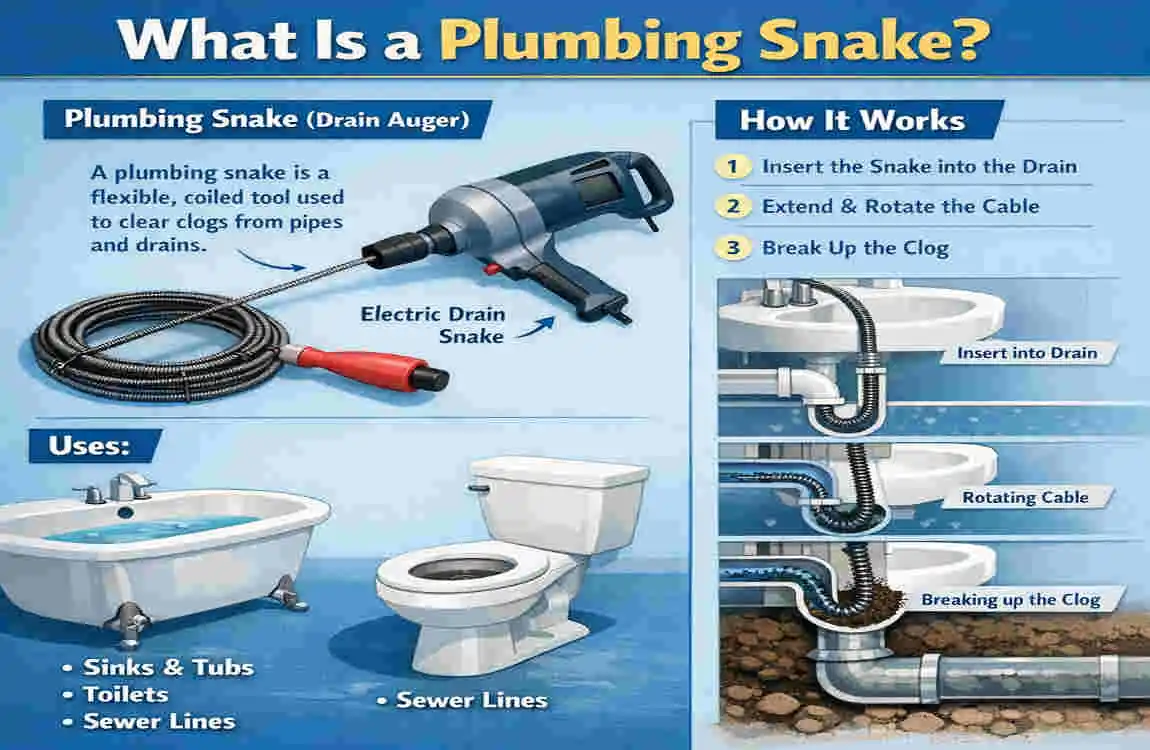
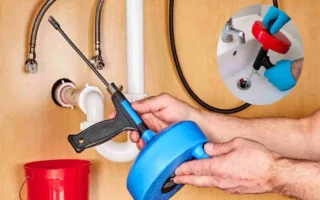
A plumbing snake is a handheld or motorized tool designed to physically reach into your pipes and remove or break apart clogs. Despite the somewhat intimidating name, it is actually a pretty straightforward device. Here are its main parts:

  • Flexible Cable or Coil: This is the long, thin, spring-like metal wire that does the heavy lifting. It is flexible enough to bend around the curves and turns inside your plumbing system without getting stuck. Most household models feature cables ranging from 15 to 50 feet in length, depending on the type.
  • Auger Head: Attached to the tip of the cable, this is the business end of the tool. It can come in different shapes. Some have a hook design for grabbing and pulling out debris like hair clumps. Others feature a cutter or corkscrew tip that is designed to bore through tough blockages like grease buildup.
  • Handle or Drum: On the other end, you will find either a simple crank handle for manual models or a drum housing that stores the coiled cable. You turn the handle to rotate the cable, which is what gives the snake its power to navigate through pipes and attack clogs.

A Brief History

The plumbing snake was originally invented as a professional plumber’s tool, designed to tackle clogs that were too stubborn for a basic plunger. Over the years, manufacturers began creating smaller, more affordable versions specifically for homeowners. Today, you can walk into almost any hardware store and pick up a reliable drain auger for as little as $20 to $50. It is one of those tools that, once you own one, you will wonder how you ever lived without it.

Plumbing Snake vs. Chemical Drain Cleaners

You might be wondering why you should bother with a plumbing snake when you can pour some chemical cleaner down the drain. That is a fair question. Let us break down the key differences so you can see why a plumbing snake often comes out on top.

FeaturePlumbing SnakeChemical Drain Cleaner

Mechanism: The rotating cable physically breaks up or retrieves clogs. Dissolves blockages using harsh chemical reactions.

Pipe Safety: Very low risk of damage when used correctly. It can corrode and weaken pipes over time, especially older ones.

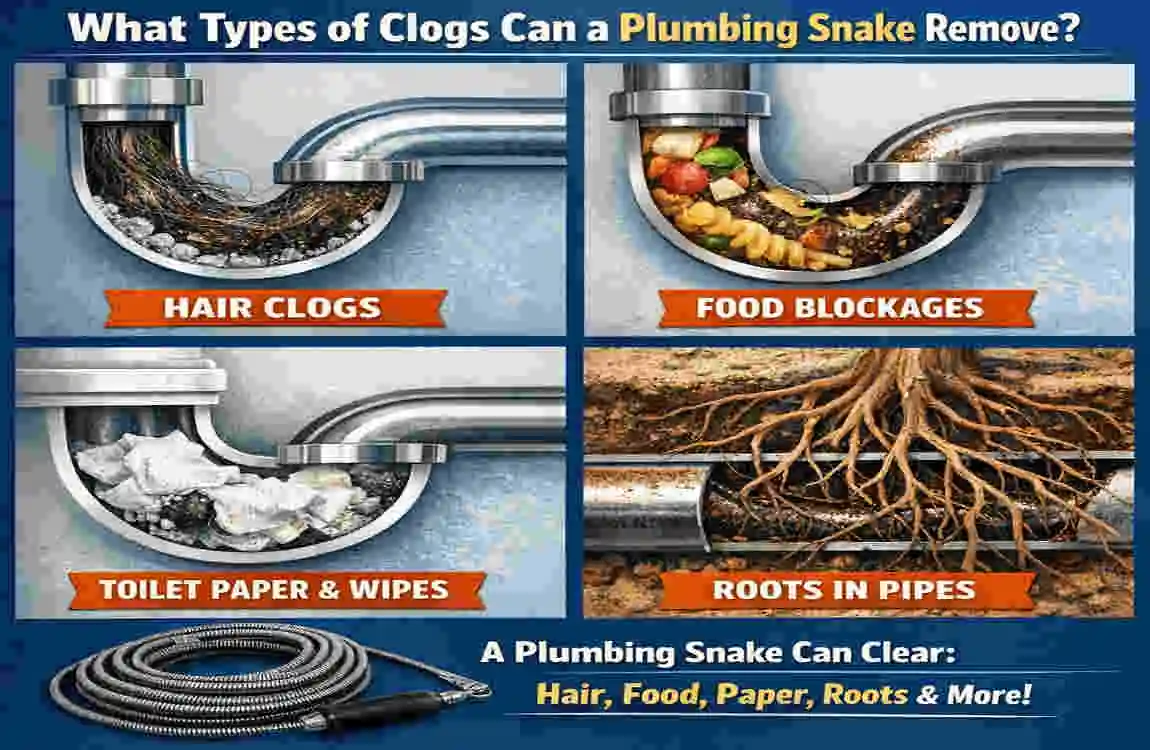
Clog Types Handled: Hair, grease, soap scum, food debris, and small objects. Primarily organic matter only; struggles with physical objects.

Cost $20–$100 one-time purchase (reusable) $5–$15 per use (ongoing expense)

Environmental Impact: No chemicals, completely eco-friendly. Introduces toxic chemicals into the water system.

Effectiveness on Tough Clogs: Highly effective on most household clogs. Often ineffective on severe or compacted blockages

As you can see, chemical cleaners might seem convenient, but they come with real downsides. They can eat away at your pipes, they are terrible for the environment, and they often only provide a temporary fix. A plumbing snake, on the other hand, addresses the root cause of the clog by physically removing it. It is a one-time investment that pays for itself after a single use.

Types of Plumbing Snakes

Not all plumbing snakes are created equal. The right tool for the job depends on the type of drain you are dealing with, the severity of the clog, and your comfort level with DIY plumbing. Let us walk through the main types so you can figure out which one is best for your situation.

Manual (Handheld Auger)

This is the most common and beginner-friendly option. A manual handheld auger features a simple crank handle attached to a flexible cable, usually around 15 to 25 feet long. You feed the cable into the drain by hand and turn the crank to rotate it.

Best for: Bathroom sinks, shower drains, and bathtub drains where clogs are relatively close to the drain opening.

Pros: Affordable (usually under $30), easy to use, compact enough to store in a closet or under the sink.

Cons: Limited reach and power. Not ideal for deep or severely compacted clogs.

If you are a homeowner looking for a basic tool to keep on hand for occasional clogs, this is your best starting point.

Closet Auger (Toilet Auger)

Do not let the name confuse you. A “closet” in plumbing terms refers to a water closet, which is another word for a toilet. A closet auger is specifically designed for toilet clogs and features a protective rubber or vinyl sheath that prevents the metal cable from scratching or damaging the porcelain bowl.

Best for: Toilet clogs caused by excess toilet paper, wipes, or small objects.

Pros: Specifically shaped to navigate the tight curves of a toilet’s internal trap. The protective coating keeps your toilet scratch-free.

Cons: Only works for toilets. You cannot use it on sinks or other drains because of its specialized design.

If you have kids in the house (and the creative “flushing experiments” that come with them), a closet auger is a must-have.

Drum Snake

A drum snake stores its coiled cable inside a canister or drum housing. You rotate the drum either by hand or with an attached crank to feed and retract the cable. These models typically offer longer cables, sometimes up to 50 feet, giving you more reach into your plumbing system.

Best for: Longer drain runs, such as from a bathtub to the main drain line, or clogs that are located further down the pipe.

Pros: Greater reach than a basic handheld auger. The drum keeps the cable contained and easier to manage.

Cons: Slightly more expensive and bulkier than a simple handheld model.

Motorized or Electric Snake

When you need serious power, a motorized snake is the way to go. These tools use an electric motor to rotate the cable automatically, so you do not have to crank by hand. They can handle tougher clogs that manual models cannot budge.

Best for: Stubborn, compacted clogs like heavy grease buildup, thick root intrusions near the drain opening, or hardened mineral deposits.

Pros: Much more powerful than manual options. Saves time and physical effort. Some models come with interchangeable auger heads for different clog types.

Cons: More expensive (typically $50 to $300 for homeowner models). Requires more care to avoid damaging pipes if you are inexperienced.

Hydraulic and Sectional Snakes

These are the professional-grade machines that licensed plumbers use for the biggest jobs. Hydraulic snakes use water pressure in combination with the cable, while sectional snakes feature cables that come in separate sections that can be connected together, allowing them to reach 100 feet or more into sewer lines.

Best for: Main sewer line blockages, tree root intrusions, and large-scale commercial plumbing.

Pros: Incredibly powerful and versatile. Can handle virtually any clog.

Cons: Expensive, heavy, and not practical for the average homeowner. These are best left to the professionals.

Buying Tips for Homeowners

If you are shopping for your first plumbing snake, here is some practical advice:

  • Stick to a budget of $25 to $50 for a quality manual or drum snake. That is more than enough for typical household clogs.
  • Choose a cable length of at least 15 feet to handle most sink and shower clogs. If you want more versatility, go for 25 feet.
  • Look for a comfortable grip on the handle. You will be cranking it for a while, so ergonomics matter.
  • Consider buying a separate closet auger if toilet clogs are a recurring issue in your home.

How Does a Plumbing Snake Work?

how does plumbing snake work

Now we arrive at the heart of this guide. Understanding how a plumbing snake works comes down to grasping four basic mechanical steps. The beauty of this tool lies in its simplicity. It uses physics, specifically torque and flexibility, to navigate through your pipes and eliminate blockages without causing damage. Let us break it down.

Insertion

The process begins when you feed the flexible cable into the drain opening. You start by loosening the setscrew or thumbscrew on the drum or handle to release a few inches of cable. Then, you gently guide the tip of the auger into the drain.

The cable is designed to be rigid enough to push forward through standing water and soft debris, yet flexible enough to bend around the curves and joints inside your pipes. This is a critical design feature. Your home’s plumbing is not a straight shot. It includes P-traps, S-traps, and various bends, and the snake needs to navigate all of them smoothly.

As you feed the cable in, gravity and the gentle pressure you apply help it slide deeper into the pipe. You should feel relatively little resistance at this stage, unless the clog is very close to the drain opening.

Advancement Through the Pipe

Once the cable is inside the drain, you begin turning the crank handle in a clockwise direction. This rotation is what propels the cable forward through the pipe. Think of it like a corkscrew boring into a cork. The spinning motion creates torque, which is the rotational force that helps the cable push through water, navigate around bends, and advance toward the clog.

Here is where the engineering really shines. As the cable encounters a bend in the pipe, the clockwise rotation helps it follow the curve naturally rather than jamming against the pipe wall. The flexible coil design means the cable can make turns that a rigid rod never could.

You will want to maintain a steady, moderate pace as you crank. Rushing this step can cause the cable to kink or bunch up inside the pipe, which creates more problems than it solves. Patience is your best friend here.

Engaging the Clog

This is the moment of truth. When the auger head reaches the blockage, you will feel a noticeable change in resistance. The cable will suddenly become harder to push forward, and you might feel it “grab” or “catch” on something. This tells you that you have found the clog.

What happens next depends on the type of auger head and the nature of the clog:

  • Hook-style heads latch onto soft debris like hair clumps, pulling them toward you when you retract the cable.
  • Cutter or blade heads slice through compacted material like grease or soap buildup, breaking it into smaller pieces that can be flushed away.
  • Corkscrew or spiral heads bore directly into the clog, breaking it apart from the center outward.

The key action here is to keep rotating the cable while applying gentle forward pressure. The continuous rotation ensures the auger head stays engaged with the clog and does not simply push it further down the pipe. You are essentially drilling into the blockage, fragmenting it, or wrapping it around the auger so you can pull it out.

Retrieval and Flushing

Once you feel the resistance ease up, or once you are confident the auger has grabbed onto the debris, it is time to reverse the process. Slowly crank the handle in the opposite direction (or pull the cable back steadily) to retract the cable from the pipe.

As the cable comes out, it will likely bring the clog material with it. Do not be surprised if what you see is not pretty. Hair clumps, grease globs, soap scum, and other unidentifiable gunk are all common culprits. Have a bucket or an old towel ready to catch the debris.

After the cable is fully retracted, run hot water through the drain for several minutes. This flushes away any remaining fragments and confirms that the clog has been fully cleared if the water drains smoothly and quickly. Congratulations! You have successfully snaked your drain.

If the water is still draining slowly, you may need to repeat the process one or two more times to clear the blockage fully.

The Physics Behind It

Let us take a quick moment to appreciate the simple physics at work here. The torque generated by turning the handle transfers rotational energy along the entire length of the cable, all the way to the auger tip. This is similar to how a drill bit works, but on a much longer and more flexible scale.

The flexibility of the cable allows it to conform to the shape of the pipe, distributing force evenly and preventing damage to the pipe walls. When used correctly, a plumbing snake applies just enough force to break through or grab the clog without putting excessive stress on the plumbing system. This is why it is so much safer than chemical alternatives, which can create heat and pressure buildup inside your pipes.

Step-by-Step: Using a Plumbing Snake at Home

Now that you understand the mechanics behind how a plumbing snake works, let us put that knowledge into action. This section is your practical, hands-on guide to snaking a drain yourself. Follow these steps carefully, and you will be clearing clogs like a seasoned pro in no time.

Safety First

Before you touch the snake, take a moment to gear up. Plumbing work can be messy, and safety should always come first.

  • Wear rubber gloves. You will be handling dirty water and debris. Thick rubber gloves protect your hands and give you a better grip on the cable.
  • Put on safety glasses or goggles. When you retract the cable, dirty water and debris can splash back at you. Protect your eyes.
  • Clear the area around the drain. Move any toiletries, cleaning supplies, or rugs out of the way. Give yourself plenty of room to work.
  • Lay down old towels or a plastic sheet under your workspace to catch drips and debris.
  • If you previously used chemical drain cleaner, wait at least 24 hours before snaking. Residual chemicals in the standing water can splash and cause burns.

Preparing the Drain

The preparation step varies depending on which drain you are working on.

For sinks:

Remove the drain stopper or strainer first. Remove the P-trap (the U-shaped pipe under the sink) as well. This gives you more direct access to the pipe and prevents the snake from getting caught on the trap. Place a bucket under the P-trap to catch any water that spills out when you disconnect it.

For bathtubs and showers:

Remove the drain cover or screen. Some covers lift off, while others require a screwdriver. If your tub has an overflow plate, you can also feed the snake through the overflow opening for a more direct path to the clog.

For toilets:

Use a closet auger only. Do not use a regular drain snake on a toilet, as it can scratch the porcelain. Insert the auger into the bowl with the protective sheath resting against the drain opening.

The Snaking Process

Here is the step-by-step process:

  1. Loosen the setscrew on the snake’s drum or handle to release about 6 to 12 inches of cable.
  2. Guide the auger tip into the drain opening. Be gentle. Do not force it. Let the cable find its way naturally.
  3. Tighten the setscrew so the cable does not uncoil freely. You want to control how much cable goes in at a time.
  4. Begin cranking the handle clockwise while applying light forward pressure. The cable will start advancing into the pipe.
  5. Release more cable as needed. Every time you feed in the exposed length, loosen the setscrew, pull out another 6 to 12 inches, tighten it again, and continue cranking.
  6. When you feel resistance, you have likely reached the clog. Keep rotating the handle and push gently. You should feel the auger head engaging with the blockage.
  7. Work the clog. Continue cranking for 30 seconds to a minute. You may feel the resistance suddenly give way, which means you have broken through. Alternatively, the cable may feel like it has “grabbed” something, which means you are ready to pull the debris out.
  8. Retract the cable slowly. Crank in reverse or carefully pull the cable back. Have your bucket ready to catch whatever comes out.
  9. Clean the auger tip and inspect what you pulled out. This can help you understand what caused the clog and prevent it in the future.
  10. Test the drain. Run hot water for two to three minutes. If it flows freely, you are done. If not, repeat the process.

Common Pitfalls to Avoid

Even though snaking a drain is relatively simple, there are a few mistakes that can cause problems:

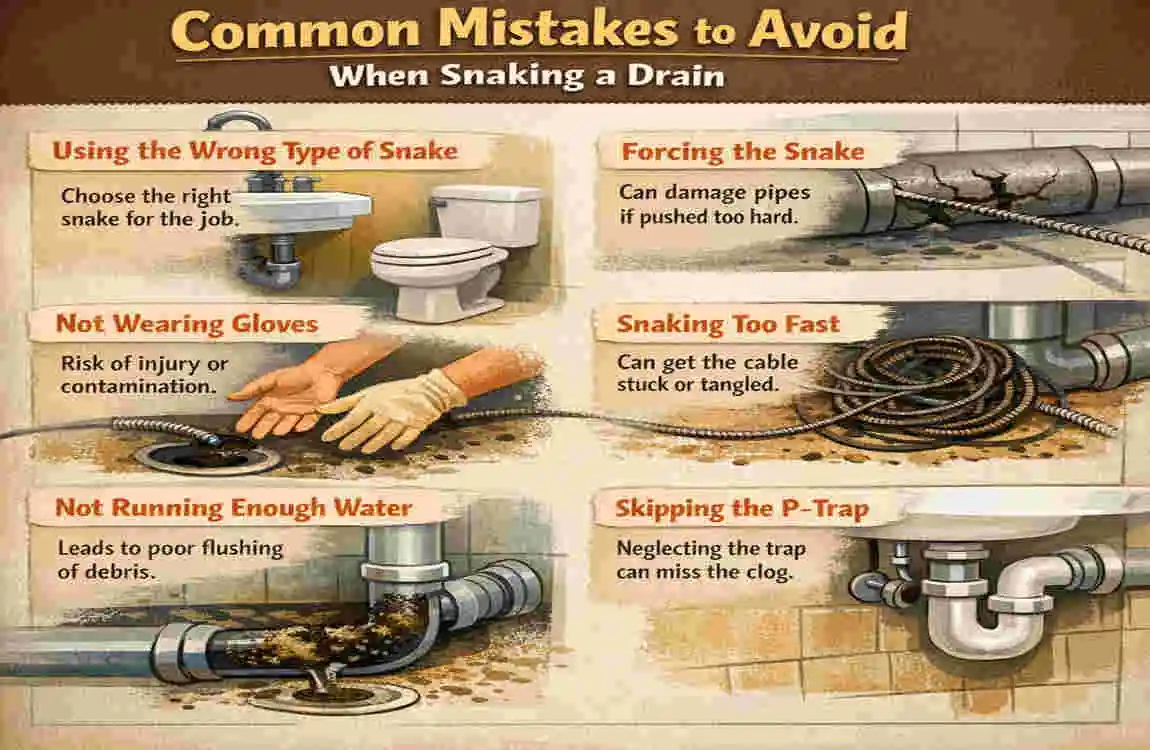
  • Do not force the cable. If you hit resistance that will not budge, no matter how much you crank, stop. Forcing the cable can damage your pipes, especially if they are older or made of PVC. The resistance might be a pipe joint, not a clog.
  • Watch your angle in toilets. The internal trap of a toilet has a very specific curve. If you push too hard at the wrong angle with a standard snake (instead of a closet auger), you can crack the porcelain or get the cable stuck.
  • Do not overfeed the cable. If you let too much cable into the pipe without maintaining tension, it can coil up inside the pipe and become tangled. Always keep the cable taut.
  • Never snake a drain after pouring chemical cleaner without waiting. The combination of splashing chemical water and physical agitation is a recipe for chemical burns.

Best Practices and Pro Tips

how does plumbing snake work

You now know the basics of how a plumbing snake works and how to use one. But let us take things a step further. These expert tips will help you get the most out of your tool, extend its lifespan, and handle clogs more efficiently.

Clean Your Snake After Every Use

You would be surprised how many people skip this step. After you finish snaking a drain, rinse the entire cable thoroughly with hot water. Use an old rag to wipe down the cable as you retract it into the drum. This removes grease, hair, and grime that can cause the cable to rust or become stiff over time.

Once it is clean, spray a light coating of machine oil or WD-40 on the cable before storing it. This prevents corrosion and keeps the cable flexible for the next time you need it.

Store It Properly

Keep your plumbing snake in a dry location, like a garage shelf or utility closet. Moisture is the enemy of metal tools. If the cable stays wet, it will rust, and a rusty cable is both less effective and more likely to break inside your pipe. Trust me, that is a problem you do not want.

Know When to Upgrade

If you find yourself snaking drains more than a couple of times a year, it might be worth investing in a motorized or electric snake. The time and effort savings are significant, and the added power means you can tackle tougher clogs that a manual model might struggle with.

For homeowners who deal with frequent kitchen sink clogs (grease is a stubborn enemy), an electric model with a cutting head attachment can be a game-changer.

Preventive Maintenance

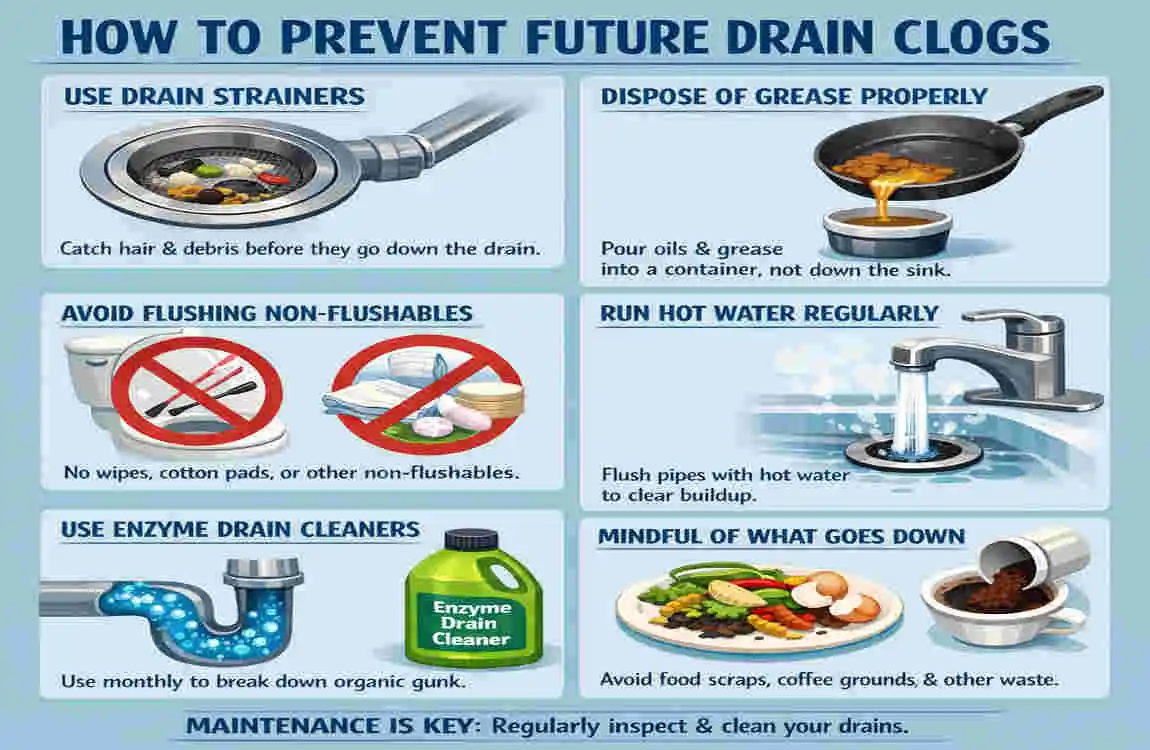
The best clog is the one that never happens. Here are some simple habits that can dramatically reduce how often you need to reach for the snack:

  • Use drain screens on all your sinks and showers to catch hair and debris before they enter the pipe.
  • Run hot water down the kitchen sink for 30 seconds after doing dishes. This helps melt and flush away grease before it solidifies.
  • Once a month, pour a mixture of baking soda and vinegar down your drains, followed by hot water. This natural cleaning method helps dissolve minor buildup without harming your pipes.
  • Never pour cooking grease or oil down the drain. Let it cool, then dispose of it in the trash.

The Eco-Friendly Advantage

Here is something worth thinking about. A plumbing snake is a completely reusable tool with zero chemical waste. Every time you use it instead of a bottle of chemical drain cleaner, you are keeping harsh chemicals out of your local water system. Over the course of a few years, that adds up to a meaningful environmental benefit, and it saves you money too.

When to Call a Professional Plumber

As much as we love a good DIY solution, there are times when a plumbing snake is not enough. Knowing when to put down the tool and pick up the phone can save you from turning a manageable problem into an expensive disaster.

Warning Signs That You Need Professional Help

Pay attention to these red flags:

  • Recurring clogs in the same drain. If you are snaking the same drain every few weeks, the underlying problem is bigger than a simple blockage. There could be a pipe defect, bellied pipe, or root intrusion that a household snake cannot fix.
  • Multiple drains are clogging at the same time. When your kitchen sink, bathtub, and toilet all start draining slowly around the same time, the issue is likely in your main sewer line, not in an individual branch pipe.
  • Gurgling sounds from drains or toilets. This usually indicates a venting problem or a deep blockage that is causing air to get trapped in the system.
  • Sewage smell coming from drains. A persistent foul odor is a sign that waste is not flowing properly through your system. This can indicate a serious blockage or even a broken pipe.
  • Water is backing up into other fixtures. If flushing the toilet causes water to come up in the shower, you have a main line problem that requires professional equipment.

What Professionals Bring to the Table

Licensed plumbers have access to tools and technology that go far beyond what is available at your local hardware store:

  • Video camera inspection allows plumbers to send a tiny camera through your pipes to see exactly what is causing the problem and where it is located. No guesswork involved.
  • Hydro-jetting uses high-pressure water streams to blast away stubborn buildup, tree roots, and mineral deposits from inside the pipes. It is like a power washer for your plumbing.
  • Sectional and hydraulic machines can reach deep into your main sewer line, sometimes 100 feet or more, to clear blockages that no household tool can touch.
  • Expertise and diagnosis. A professional can identify whether your clog is a symptom of a bigger issue, like pipe corrosion, improper slope, or root damage, and recommend the right long-term fix.

Do Not Wait Too Long

Here is a piece of advice from experienced plumbers: the longer you wait, the worse it gets. A small clog that could have been an easy fix can turn into a complete sewer backup that damages your floors, walls, and foundation. If your DIY efforts are not working after two or three attempts, it is time to call in the pros.

If you are in the Lahore area, our team at Anta Plumbing is ready to help. We offer professional drain snaking, video inspection, and full sewer line services. Contact us today to schedule a free consultation!

Frequently Asked Questions

To round out this guide, let us tackle some of the most common questions people have about how plumbing snakes work. These answers should clear up any remaining confusion and help you feel confident about using this tool.

How Does a Plumbing Snake Work on Hair Clogs?

Hair clogs are one of the most common reasons people reach for a drain snake, especially in bathroom sinks and shower drains. When the auger head reaches a hair clog, it works by wrapping the hair around the corkscrew or hook tip. As you continue to rotate the cable, more and more hair winds around the auger, creating a tight bundle. When you retract the cable, the entire hair mass comes out with it. For best results, use a snake with a hook or barbed tip, which grabs hair more effectively than a cutting head.

Manual vs. Electric: Which Is Better for Beginners?

If you are new to drain snaking, start with a manual model. It gives you more control and a better “feel” for what is happening inside the pipe. You can sense the resistance, the bends, and the moment you hit the clog. An electric model spins the cable much faster and with more force, which can be harder to control if you are inexperienced. Once you are comfortable with the manual process and understand how the tool interacts with your pipes, consider upgrading to electric for tougher jobs.

Can I Use a Plumbing Snake on PVC Pipes?

Yes, you can safely use a plumbing snake on PVC pipes, which are the white plastic pipes commonly found in modern homes. However, you need to be gentler than you would with metal pipes. PVC is lighter and can be damaged by excessive force or aggressive cable rotation. Use a manual snake rather than an electric one for PVC, and avoid forcing the cable if you feel strong resistance. If the cable is catching on a joint rather than a clog, stop and reassess.

How Far Can a Plumbing Snake Reach?

It depends on the model. Handheld manual augers typically reach 15 to 25 feet, which is sufficient for most household drain clogs. Drum snakes can reach 25 to 50 feet, making them suitable for longer runs. Professional-grade machines can extend 100 feet or more into main sewer lines. For the average homeowner, a 25-foot cable handles the vast majority of situations.

Is a Plumbing Snake the Same as a Drain Auger?

Essentially, yes. The terms “plumbing snake” and “drain auger” are used interchangeably. “Snake” is the more colloquial, everyday term, while “auger” is the more technical name. Both refer to the same type of tool: a flexible cable with an auger head that you feed into a drain to clear clogs. You might also hear it called a “drain snake” or “plumber’s snake.” They all mean the same thing.

Can a Plumbing Snake Damage My Pipes?

When used correctly, a plumbing snake poses very little risk to your pipes. The flexible cable is designed to navigate through pipes without scraping or gouging the interior walls. However, damage can occur if you use excessive force, use the wrong type of snake for the job (like a regular snake in a toilet), or use a motorized snake on fragile or old pipes without proper care. As long as you follow the instructions in this guide and use common sense, your pipes will be just fine.

How Often Should I Snake My Drains?

There is no set schedule, but a good rule of thumb is to snake your drains only when you notice slow drainage or a clog. Preventive snaking is not really necessary if you are practicing good drain maintenance, like using screens, running hot water, and avoiding pouring grease down the drain. However, if you have an older home with aging pipes, a once-a-year preventive snaking of your main drains can help catch buildup before it becomes a problem.

You may also like...

Leave a Reply

Your email address will not be published. Required fields are marked *