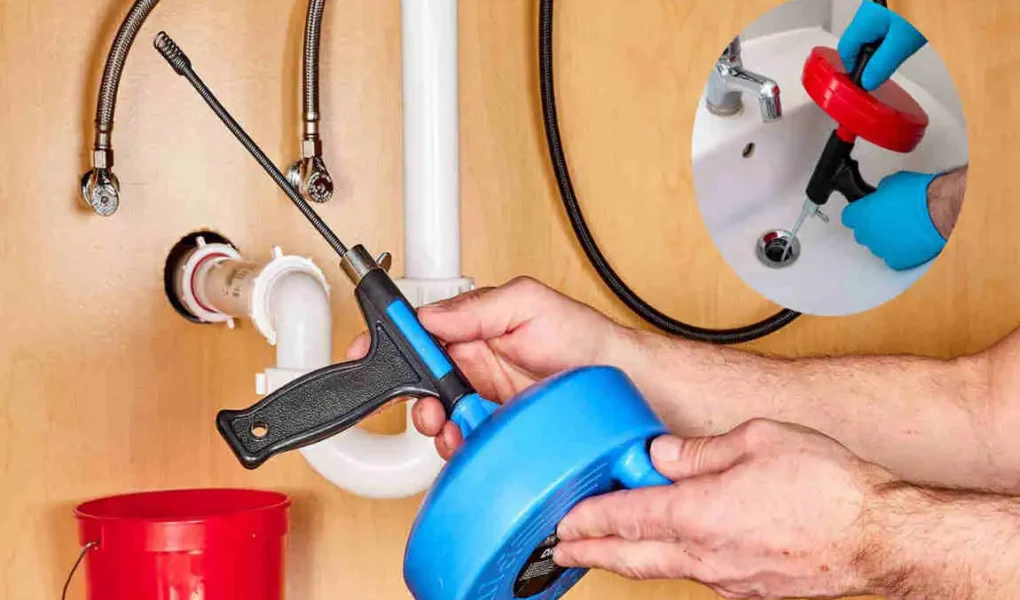
A clogged toilet is one of those household problems that can quickly become frustrating. A plunger can solve many simple blockages, but some clogs are too stubborn to move with plunging alone. That is when a toilet plumbing snake, also known as a toilet auger, can be useful.
Learning how to use a house plumbing snake for a toilet doesn’t have to be complicated. With the right tool and a gentle approach, you can often clear a blockage without calling a plumber right away.
What Is a Plumbing Snake for a Toilet?
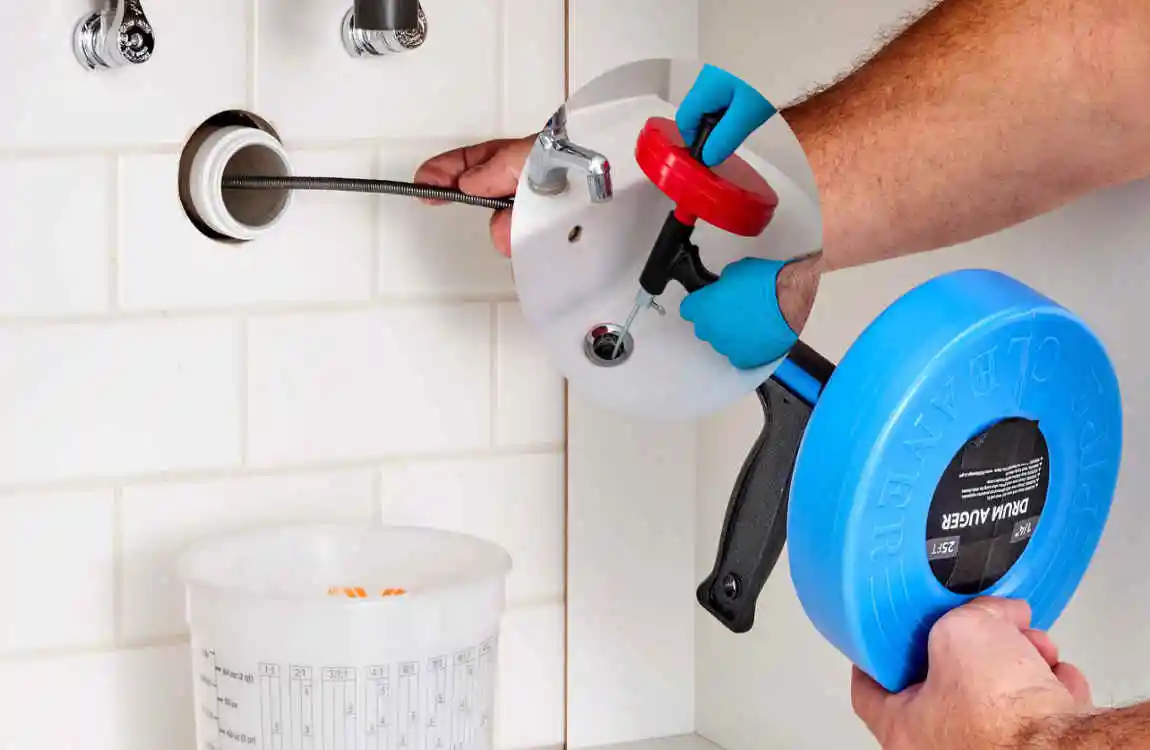
A plumbing snake is a tool with a long, flexible cable designed to reach a blockage through a drain. For toilets, the preferred version is usually called a toilet auger.
The cable moves through the toilet’s built-in trap, where objects and waste can sometimes become stuck. By turning the handle, you can guide the cable toward the obstruction and either break it apart or pull it back out.
A toilet auger usually has a protective design that makes it more suitable for porcelain toilets than an ordinary metal drain snake.
When Should You Use a Toilet Snake?
Start with a plunger for a basic clog. If several careful plunging attempts don’t restore normal drainage, an auger may be the next option.
An auger is especially useful when you suspect something has lodged deeper inside the toilet trap.
Toilet Auger vs. Regular Plumbing Snake
A toilet auger is specifically designed for toilets. Its curved guide and protective coating help the cable move through the fixture while reducing the risk of scratching the porcelain.
A regular plumbing snake is generally designed for sinks, tubs, and other drains. Its exposed cable may be less suitable for a toilet and can potentially damage the surface if used incorrectly.
For this reason, choose a toilet-specific auger whenever possible.
How To Use A House Plumbing Snake Toilet Step By Step
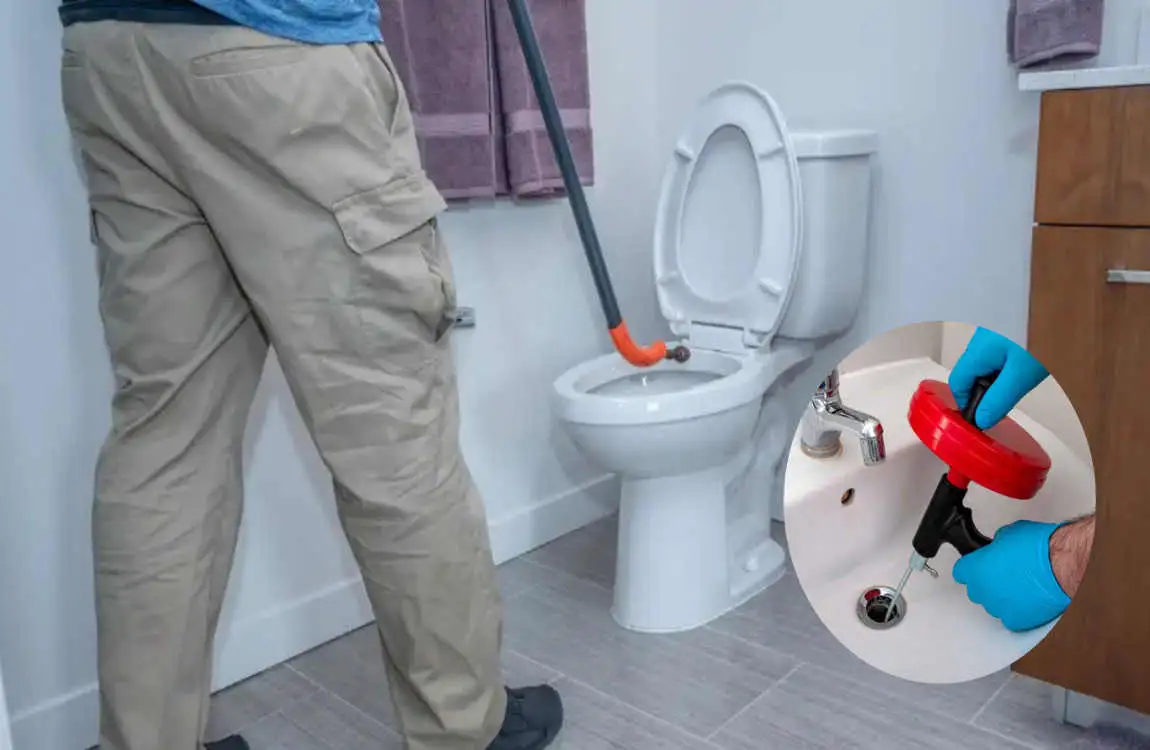
Using a toilet snake is fairly straightforward, but patience matters more than force. Your goal is to reach the blockage and work through it gradually.
Prepare the Area
Before starting, put on rubber gloves and place old towels around the toilet. This protects your hands and floor from dirty water.
If the bowl is very full, reduce the water level before inserting the auger. You want enough water for normal operation but not so much that the bowl is likely to overflow.
Keep the area around the toilet clear so you can turn and control the tool comfortably.
Insert the Snake Carefully
Position the curved end of the toilet auger into the toilet drain opening. Keep the protective guide against the porcelain as you begin.
Feed the cable into the drain slowly and gently. Do not immediately push with force if you feel resistance.
The toilet’s trap has bends, so some resistance is normal. Let the cable follow the shape of the trap rather than forcing it straight through.
Turn and Work the Handle
Once the cable is inside the drain, slowly turn the auger’s handle. The rotating movement helps the cable travel farther into the trap.
Continue feeding the cable gradually while turning the handle. If you encounter a blockage, you may feel additional resistance.
At this point, gentle back-and-forth movement can help the cable make contact with the obstruction.
Break Up or Retrieve the Clog
When the cable reaches the blockage, don’t force it. Instead, rotate the handle and gently work the cable against the obstruction.
Depending on the type of clog, the auger may break the material apart or catch an object so that you can pull it back.
If you believe a solid object such as a toy or another item has fallen into the toilet, try to retrieve it rather than pushing it farther into the plumbing.
Remove and Test the Toilet
After clearing the blockage, slowly withdraw the cable, turning the handle as needed.
Clean the auger thoroughly after removing it. Wipe down the area around the toilet, too.
Before flushing normally, check the water level and drainage. If the bowl drains properly, try a careful test flush while watching the water level.
If the water rises again, stop flushing and investigate further rather than repeatedly flushing a blocked toilet.
Common Mistakes To Avoid When Using a Plumbing Snake
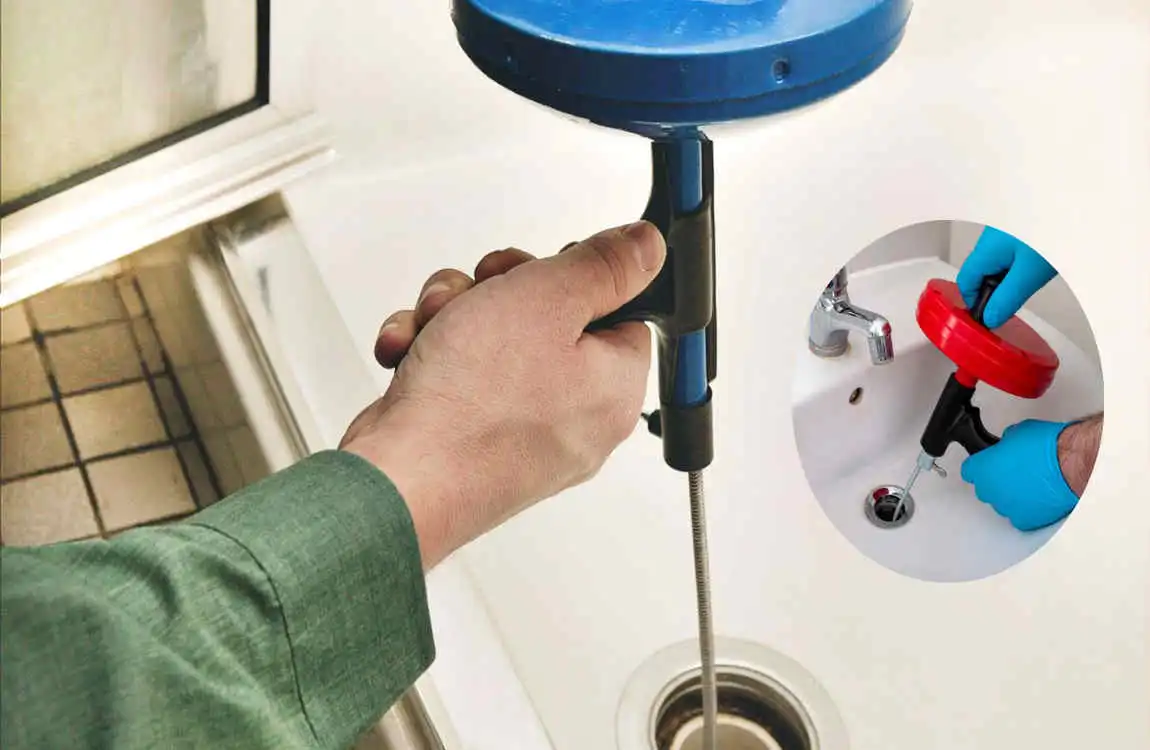
A plumbing snake can be useful, but incorrect handling can create additional problems.
- Forcing the cable too hard: Excessive pressure can damage the toilet or push an obstruction deeper.
- Using the wrong type of snake: A toilet auger is generally better suited to porcelain fixtures.
- Scratching the porcelain: An unsuitable or poorly positioned metal cable can damage the toilet’s surface.
- Flushing repeatedly: Repeated flushing can cause an already blocked toilet to overflow.
- Ignoring a solid object: If an object is stuck in the trap, breaking it apart may not solve the problem.
If the auger will not move through the blockage, the toilet keeps backing up, or you suspect a larger plumbing problem, stop DIY work and call a professional plumber.
How To Prevent Future Toilet Clogs
Preventing a clog is usually easier than removing one. Simple habits can reduce the chance of dealing with a blocked toilet.
Use a reasonable amount of toilet paper and avoid treating the toilet like a general waste bin. Keep unsuitable materials away from the toilet, especially if children are present in the home.
Pay attention to early warning signs. A toilet that drains more slowly than usual may be showing signs of a developing blockage.
Items You Should Never Flush
Common items that can contribute to toilet blockages include:
- Wipes, even when marketed as flushable
- Paper towels
- Sanitary products
- Cotton products
- Excessive amounts of toilet paper
- Small household objects
Dispose of these materials using the appropriate waste system instead of flushing them.
Regular Toilet Maintenance
Regularly check how quickly the toilet drains and whether the water level behaves normally after flushing.
If you notice gurgling sounds, slow drainage, or repeated minor clogs, address the issue early. A small drainage problem can become much harder to manage if you ignore it.
When To Call A Professional Plumber
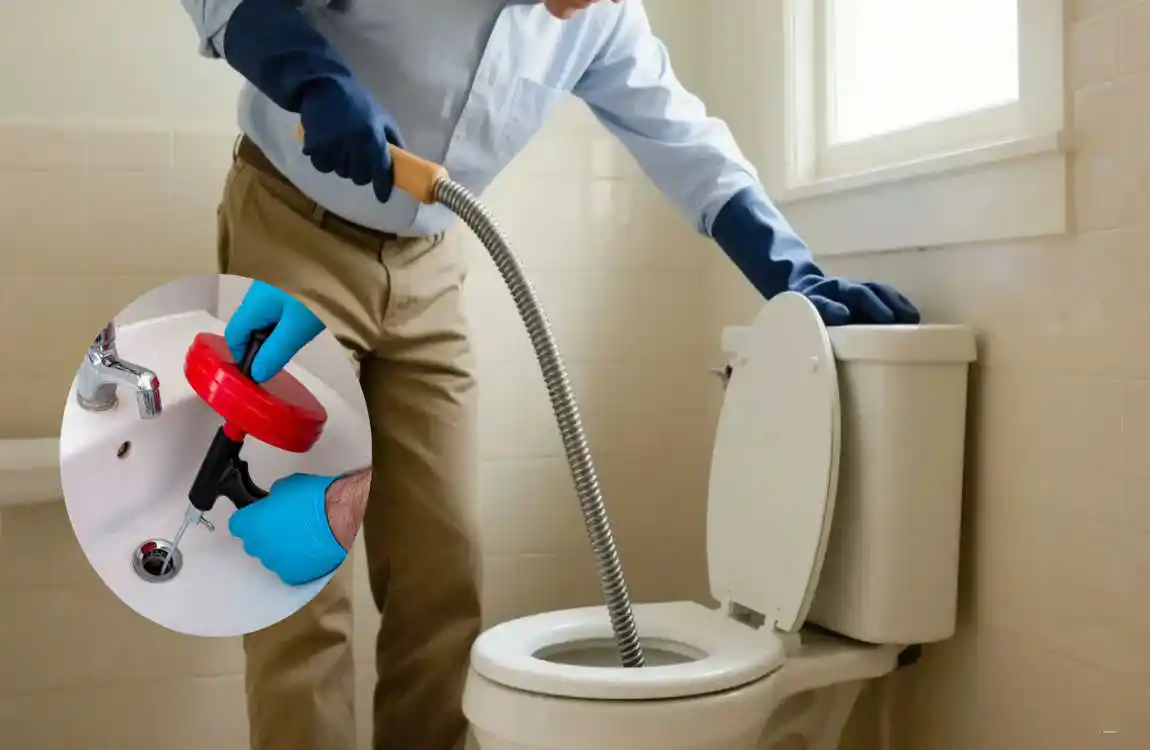
Not every toilet blockage is suitable for DIY repair. Professional help becomes more appropriate when basic methods fail or when several plumbing fixtures are affected.
Repeated toilet clogs are particularly important to investigate. They may indicate a deeper plumbing problem.
Signs of a Main Drain Problem
If your toilet clogs at the same time sinks, showers, or other toilets drain slowly, the issue may not be limited to one fixture.
Other warning signs can include sewage odors, wastewater backing up, repeated blockages, or multiple affected drains.
A blockage in a larger drain line requires different equipment and may need professional diagnosis.
Safety Considerations
Be careful when working around standing wastewater. Wear gloves, protect nearby surfaces, and wash your hands thoroughly afterward.
Avoid using chemical drain cleaners in a toilet. These products may create hazardous splashes and can complicate later plumbing work.
If you are uncomfortable handling wastewater or cannot identify the source of the blockage, getting professional assistance is the safer option.
| Step | What to Do | Helpful Tip |
|---|---|---|
| Prepare the Area | Put on rubber gloves and place towels around the toilet. | Protect the floor from dirty water or splashes. |
| Lower the Water Level | If the bowl is nearly full, remove some water with a container. | This helps prevent overflow while working. |
| Choose the Right Snake | Use a toilet auger or closet auger designed for toilets. | Avoid forcing a standard metal drain snake into porcelain. |
| Insert the Snake | Place the curved end of the auger into the toilet drain opening. | Insert it slowly and carefully. |
| Turn the Handle | Rotate the handle while gently feeding the cable into the drain. | Steady pressure works better than excessive force. |
| Reach the Clog | Continue turning until the cable encounters resistance. | The resistance may indicate the blockage. |
| Break or Catch the Clog | Rotate and move the cable gently to break apart or grab the obstruction. | Do not force the cable if it becomes stuck. |
| Pull Out the Snake | Slowly rotate the handle in the opposite direction and withdraw the cable. | Keep the tool steady to avoid splashing. |
| Test the Toilet | Flush carefully once the water level is normal. | Stop immediately if the bowl begins filling again. |
| Clean the Tool | Wash and disinfect the auger after use. | Store it dry and ready for future plumbing problems. |
| Call a Plumber if Needed | Get professional help if the clog remains or keeps returning. | Multiple blocked drains can indicate a deeper plumbing problem. |
FAQ About Using a Plumbing Snake on a Toilet
Can I use a regular plumbing snake to unclog a toilet?
A regular drain snake may not be the best choice for a toilet. A toilet auger is specifically designed to work through the toilet trap. It is generally better suited to protecting the porcelain fixture.
How far should I put a plumbing snake into a toilet?
Feed the cable gradually and only as far as necessary. Let the cable follow the bends in the toilet trap rather than forcing it deeper when you encounter strong resistance.
Can a plumbing snake damage a toilet?
Yes, improper use can potentially scratch porcelain or cause damage. Using the correct toilet auger and avoiding excessive force greatly reduces this risk.
What should I do if the plumbing snake does not unclog the toilet?
Do not keep forcing the tool. Stop and reassess the blockage, but if the toilet remains blocked or repeatedly backs up, a professional plumber may need to inspect the drain.
Is a toilet auger better than a plunger?
They serve different purposes. A plunger often works for ordinary toilet clogs. An auger can help when a blockage is more stubborn or deeper in the toilet trap.
How do I know if my toilet clog is in the main sewer line?
Look for problems affecting more than one fixture. If multiple toilets or drains are slow, backing up, or producing unusual sounds, the issue may involve a larger drain or sewer line rather than just one toilet.