Termites can cause serious damage while remaining hidden for a long time. If you are wondering how to find a termite nest in your house, start by looking for evidence rather than expecting to see the entire colony.
Common clues include mud tubes, damaged or hollow wood, discarded wings, termite droppings, and live termites. Finding these signs can help you understand where termite activity may be occurring and whether you need a professional inspection.
Remember that the nest itself may be underground or hidden inside walls, floors, or wooden structures. You may find signs of an infestation without finding the actual colony.
Signs That Can Help You Find a Termite Nest
Before searching for a nest, inspect areas where termites are most likely to leave visible evidence. Take your time and look closely around wooden parts of your home.
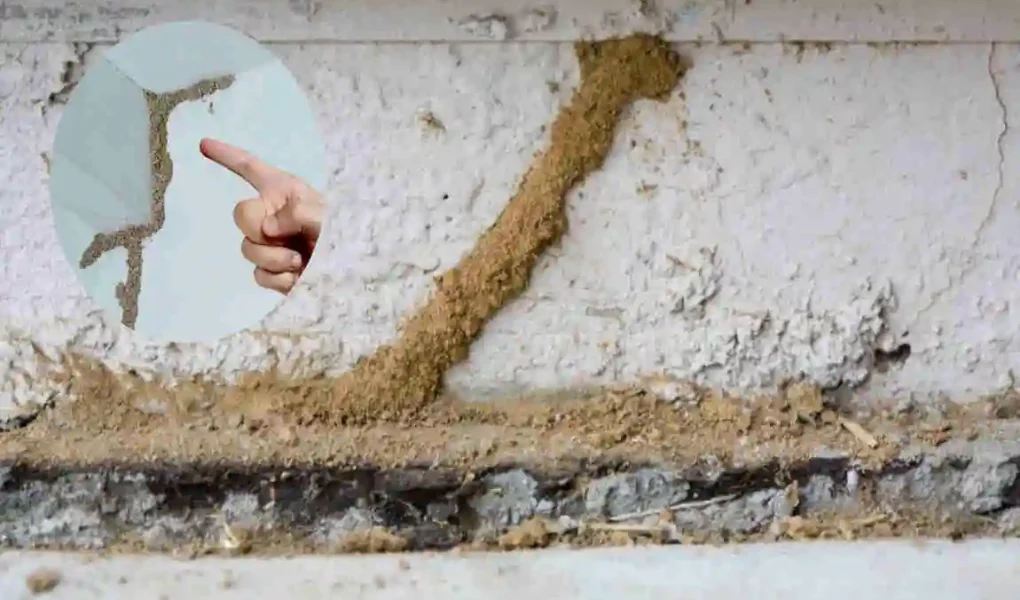
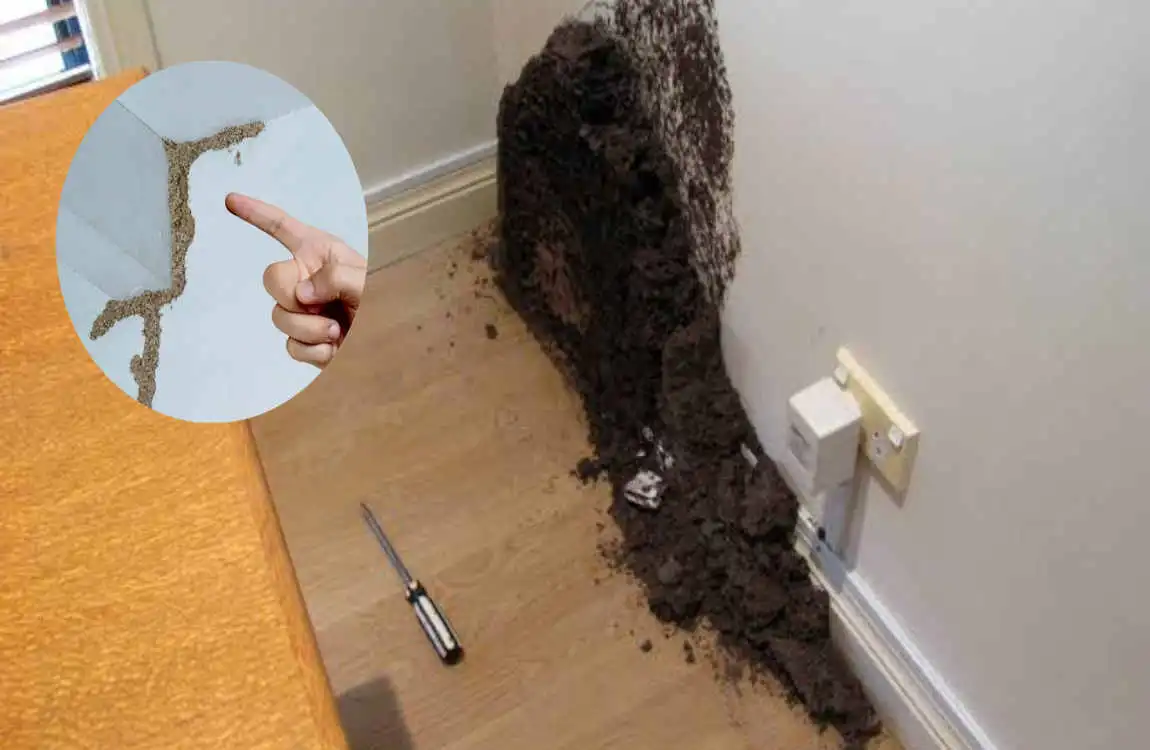
Look for Mud Tubes
Mud tubes are one of the easiest signs of subterranean termites to recognize. They are narrow, tube-like structures made from soil and other materials.
You may find them along foundations, basement walls, crawl spaces, wooden supports, and other protected surfaces. Termites use these tubes to move safely between their colony and a food source.
If you find a mud tube, don’t destroy it right away. Its location can show where termites may be entering your home.
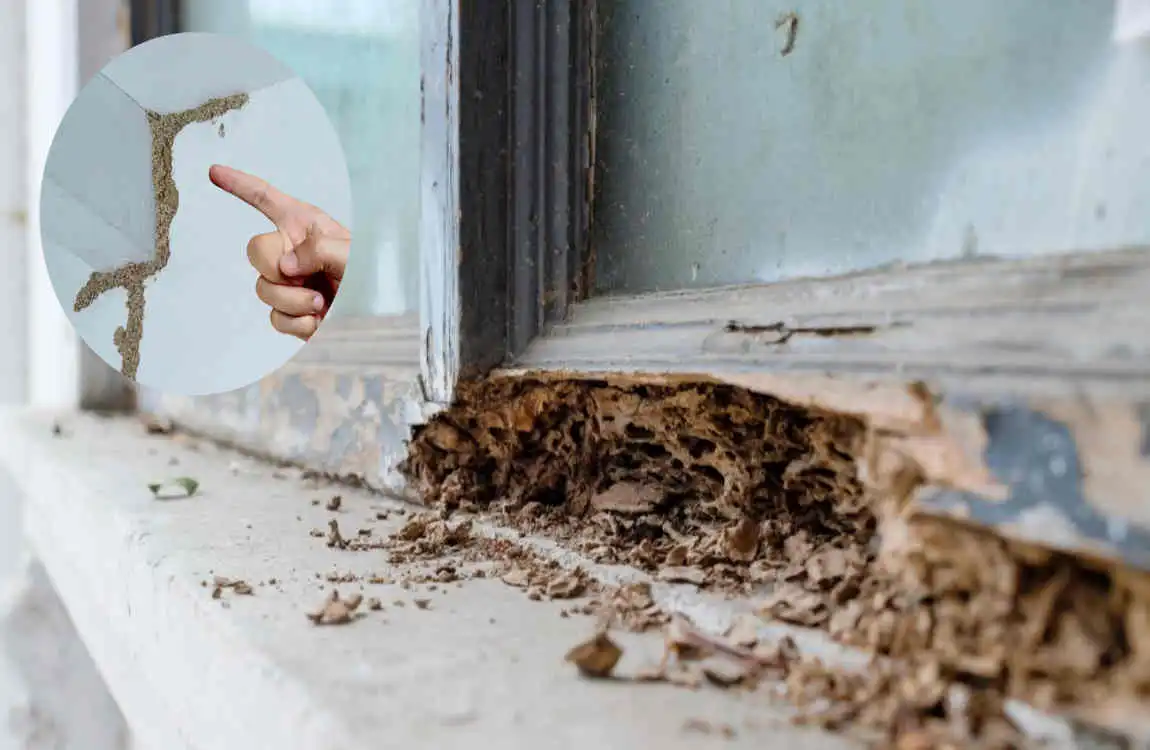
Check for Damaged Wood
Termites feed on materials containing cellulose, including many types of wood. Check wooden areas for signs such as soft spots, blistering, cracks, hollow sounds, or weakened surfaces.
You might also notice wood that appears damaged from the inside while looking relatively normal on the outside. This happens because termites can eat wood from the inside.
Pay particular attention to wooden beams, flooring, door frames, baseboards, and other structural wood.
Watch for Swarmers and Discarded Wings
Flying termites, often called swarmers, may appear when a mature colony produces reproductive termites.
If you notice small winged insects around windows, doors, lights, or other bright areas, inspect nearby wooden structures for additional signs.
Discarded wings can also be an important clue. Swarmers shed their wings after landing, so piles of small wings near windowsills or other openings may indicate nearby termite activity.
How to Find a Termite Nest in a House
To determine where termites are active, inspect areas that provide access to wood, moisture, soil, and protection.
You do not necessarily need to locate the exact colony to identify a problem. Finding several signs in one area can help reveal a likely route of termite activity.
Inspect Walls and Baseboards
Carefully examine baseboards, wooden trim, wall edges, and areas around doors and windows.
Termites can move behind walls and through small concealed spaces. This means an infestation may not be obvious even when termites are damaging the structure.
Look for bubbling paint, unusual cracks, hollow-sounding wood, mud deposits, or other changes around wooden trim.
Check Basements, Crawl Spaces, and Foundations
Dark and protected areas deserve special attention. If your house has a basement or crawl space, inspect the foundation and wooden supports carefully.
Look for mud tubes, damp wood, damaged beams, and soil-to-wood contact. These areas can give termites easy access to the building.
Use a flashlight to inspect corners and spaces that are difficult to see from normal standing areas.
Examine Attics and Wooden Structures
Do not limit your inspection to ground-level areas. Check attics for signs around roof framing, beams, wooden supports, and other timber components.
Look for damaged wood, droppings, discarded wings, and unusual tunnels or debris.
Because attic spaces can be difficult to access safely, avoid entering an unsafe area to search for termites.
Where Termites Commonly Hide
Termite activity depends on the species and conditions around your home. The colony may not actually be inside the house.
Some termites live underground, while others can establish colonies in or around wooden structures. Termites may also travel considerable distances through concealed pathways.
Around Moisture-Damaged Areas
Moisture can make wood more vulnerable to termite activity. Inspect areas near leaking pipes, damaged gutters, poor drainage, damp walls, and water-damaged wood.
If you find both moisture damage and termite evidence, address the water problem and the potential infestation.
Keeping wooden structures dry and improving drainage can reduce conditions that make the area attractive to termites.
Near the Foundation
The foundation is another important area to inspect, particularly when dealing with subterranean termites.
Termites can potentially enter through soil-to-wood contact, cracks, concealed gaps, and other access points. Inspect the exterior foundation and accessible interior areas.
Pay close attention to areas where soil, mulch, plants, or wood touch the building.
How to Check for a Hidden Termite Infestation
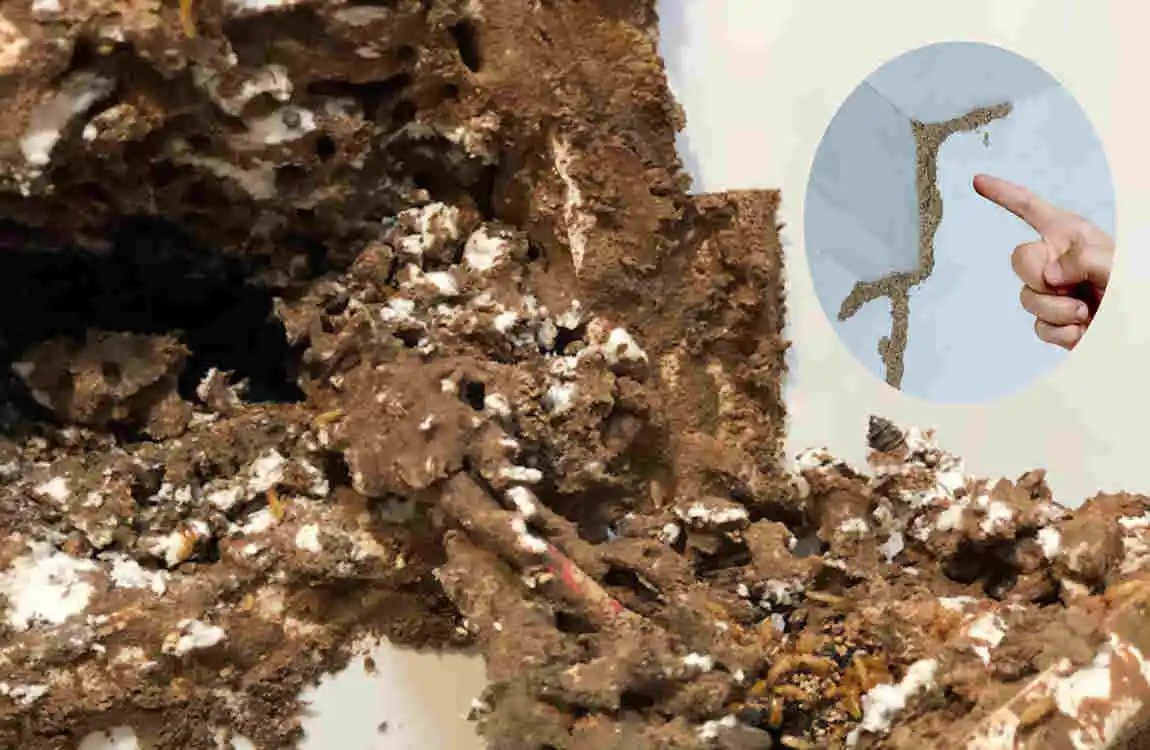
A careful visual inspection can help you find clues, but remember that termites often remain hidden. Avoid damaging your home to search for a colony.
Tap or Probe Suspicious Wood
Gently tap suspicious wood and listen for an unusually hollow sound. A small, non-destructive probe may also help identify wood that feels unusually soft.
However, do not aggressively cut, drill, or break structural wood. Damage from an inspection can create additional problems and may weaken already damaged materials.
Look for Frass and Other Debris
Some termites leave small piles of droppings, commonly called frass, near active areas.
You may notice tiny pellets or debris around wooden structures, windowsills, flooring, or other locations.
Frass alone does not prove termites are present, but it can be a useful clue when combined with other evidence.
Use a Flashlight for Dark Areas
A bright flashlight can make hidden signs much easier to spot. Slowly inspect corners, cracks, wall edges, crawl spaces, foundations, and wooden joints.
Look for changes in wood texture, mud tubes, insects, wings, droppings, and moisture.
A simple inspection can help you spot suspicious areas before deciding whether you need professional help.
When to Call a Termite Professional
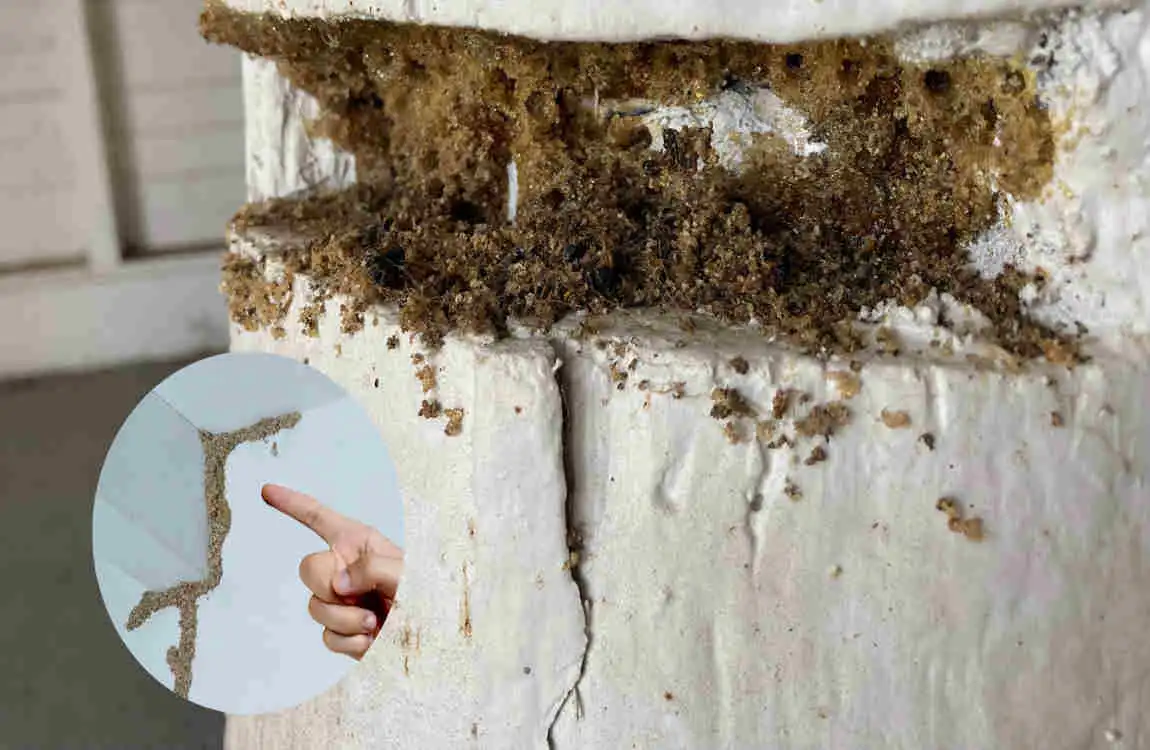
A professional termite inspection is appropriate when you find multiple signs of activity, significant wood damage, live termites, repeated swarmers, or evidence in areas that you cannot safely inspect.
Termites can travel through concealed spaces, so treating only the visible area may not address the complete problem.
Why Finding the Exact Nest Can Be Difficult
Finding the actual termite nest is not always possible for a homeowner. The colony may be underground, inside soil, within walls, or in another inaccessible structural area.
You might see termites entering through one location even though the colony is elsewhere.
For this reason, focus on identifying signs, possible entry points, and areas of damage rather than tearing into walls or flooring.
What a Professional Inspection Can Reveal
A termite professional can examine hard-to-access areas and determine where evidence of activity is concentrated.
An inspection may help identify active areas, entry points, damaged wood, moisture problems, and the likely extent of the infestation.
Professional inspectors may also use specialized methods to detect activity that a basic visual inspection cannot identify.
| What to Check | What You May Notice | What It Could Mean |
|---|---|---|
| Mud Tubes | Thin, dirt-like tunnels along walls or foundations | Possible subterranean termite activity |
| Damaged Wood | Hollow sounds, soft spots, blistering, or weakened wood | Termites may be feeding inside the wood |
| Discarded Wings | Small piles of wings near windows, doors, or lights | May indicate a termite swarm |
| Live Termites | Small pale or brown insects in wood or hidden areas | Strong sign of active infestation |
| Termite Droppings | Small piles resembling sawdust or tiny pellets | May indicate drywood termite activity |
| Walls & Baseboards | Cracks, bubbling paint, or unusual damage | Termites may be active behind the surface |
| Basement & Crawl Space | Mud, moisture, damaged supports, or tubes | Common area for hidden termite activity |
FAQ About Finding a Termite Nest in a House
How do I find a termite nest in my house?
Look for mud tubes, damaged wood, discarded wings, termite droppings, and live termites around foundations, walls, crawl spaces, and wooden structures.
Where do termites usually build their nests?
It depends on the species. Some termites live underground, while others establish colonies inside or near wooden structures.
Can termites live inside walls?
Yes. Termites can travel through wall cavities and wooden framing, which can make an infestation difficult to see.
How can I tell if termites are active?
Fresh mud tubes, live termites, new wood damage, swarmers, and recently discarded wings can all indicate possible ongoing activity.
Should I break open walls to find termites?
No. Avoid unnecessary structural damage. A professional inspection can help locate hidden termite activity without extensively opening walls or other structures.