If you are planning a kitchen upgrade, you may have already heard people ask what’s an in-frame kitchen. It is a common question, especially for homeowners who want a kitchen that feels both elegant and practical.
An in-frame kitchen is a style where the doors and drawers sit inside a visible frame attached to the cabinet body. This gives the kitchen a strong, crafted look that feels more refined than many standard cabinet styles.
More and more homeowners are choosing this design because it combines traditional craftsmanship with modern usefulness. It looks stylish, feels sturdy, and can be customised to suit different homes.
What Is an In-Frame Kitchen?
Understanding the In-Frame Cabinet Design
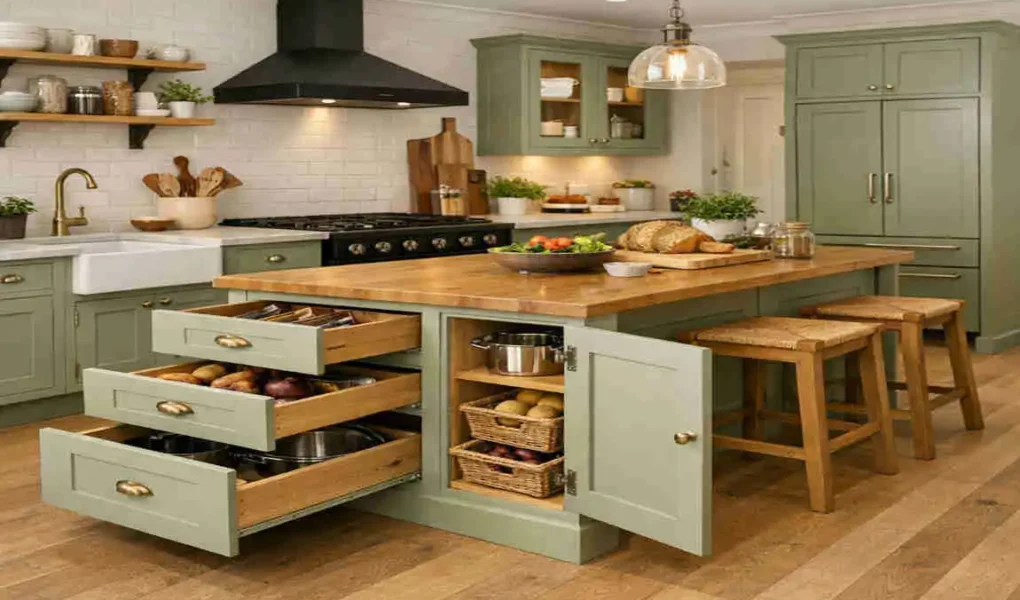
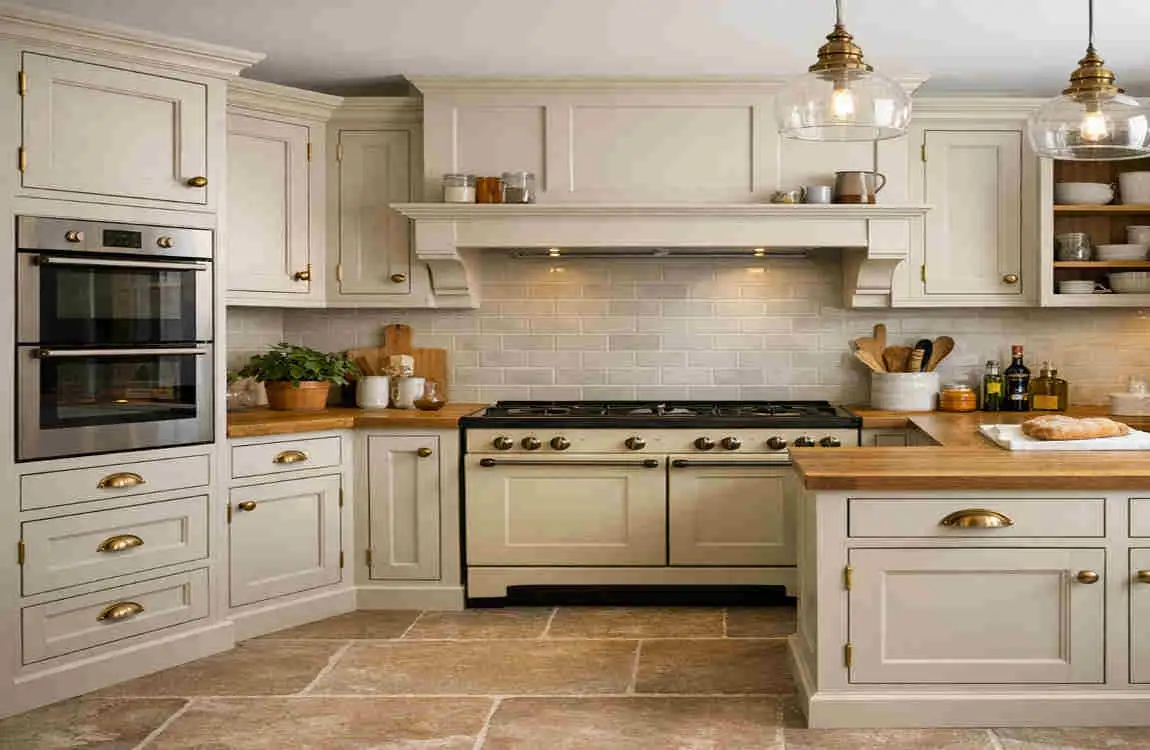
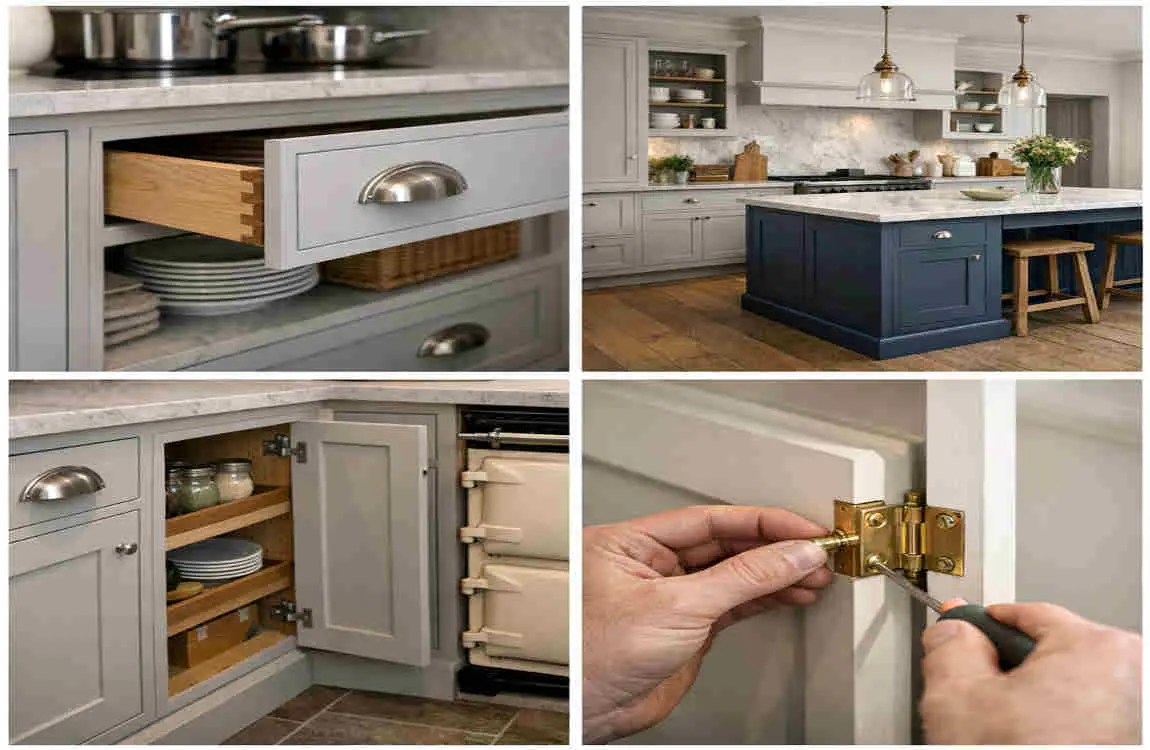
An in-frame kitchen is built around a visible wooden frame. The cabinet doors and drawers fit neatly inside that frame instead of covering it.
This frame is a key part of the design. It remains visible around each cabinet opening, giving the kitchen a classic, well-built look. The style feels more detailed and solid than many other kitchen types.
A typical in-frame kitchen includes:
- Cabinet frame
- Doors
- Drawers
- Hinges
- Storage space inside the cabinet box
This type of kitchen is often chosen by people who want a warm, high-quality finish.
How In-Frame Kitchens Work
The build process is fairly simple to understand. First, a strong frame is fixed to the cabinet box. Then the doors and drawers are fitted inside that frame.
The hinges are attached to the frame, which helps keep everything in place. Because of this structure, the cabinet tends to feel firm and durable.
This is one reason many people see an in-frame kitchen as a long-term investment.
Why Are They Called “In-Frame” Kitchens?
The name comes from the way the doors sit inside the frame. Instead of hanging over the cabinet edges, they are placed neatly within the border.
That small detail changes the whole look. It creates a more crafted appearance and gives the kitchen a touch of traditional charm.
Key Features of an In-Frame Kitchen
Visible Cabinet Frames
The visible frame is the most recognisable part of this kitchen style. It adds shape, depth, and character to the cabinets.
This feature makes the kitchen feel more structured and attractive. If you like a home that feels polished and timeless, this design can be a great match.
Traditional Craftsmanship
In-frame kitchens are often linked with skilled artistry. They usually involve careful joinery, quality materials, and close attention to detail.
That is why they often feel more premium. Even when the design is simple, the craftsmanship makes it stand out.
Flush-Fitting Doors and Drawers
The doors and drawers fit neatly within the frame, so the finish looks clean and balanced.
This helps the kitchen feel elegant without looking too plain. It also improves alignment, which adds to the overall quality feel.
Custom Design Options
One of the best parts of this style is flexibility. You can shape it to match your taste and your home.
Common customisation choices include:
- Cabinet colors
- Wood finishes
- Door styles
- Handles and hardware
- Countertop materials
This makes it easy to create anything from a classic kitchen to a more modern one.
Strong and Long-Lasting Construction
The frame adds extra strength to the cabinet system. This can help reduce movement and wear over time.
If you want a kitchen that feels solid and dependable, this is one of the biggest reasons to consider an in-frame design.
In-Frame Kitchen vs Frameless Kitchen: What’s the Difference?
These two styles may look similar at first, but they are built differently and feel different in use.
FeatureIn-Frame KitchenFrameless Kitchen
Cabinet Style Traditional framed design Modern box-style design
Door Position Inside cabinet frame Attached directly to cabinet box
Appearance Classic and elegant Minimal and sleek
Durability Highly durable Durable but lighter construction
Cost Usually more expensive More budget-friendly
Style Traditional, luxury, farmhouse Contemporary, modern
Which Kitchen Style Is Better?
There is no single best choice. It depends on what you want from your kitchen.
If you want premium looks, strong build quality, and a classic feel, an in-frame kitchen may suit you well. If you want something more affordable and modern-looking, frameless cabinets may be a better fit.
Think about your budget, your home style, and how long you want the kitchen to last.
Benefits of Choosing an In-Frame Kitchen
Timeless and Elegant Appearance
One of the biggest reasons people love this style is its timeless look. It does not feel trendy in a way that fades quickly.
Instead, it has a classic charm that works well in many homes, from old houses to modern farmhouse spaces. It also fits beautifully in luxury kitchens.
Improved Durability
Because the frame supports the cabinet structure, the kitchen often feels stronger than standard cabinet systems.
This strength can help the cabinets last longer and stay in good shape for many years. That makes the style a smart choice for long-term use.
Premium Custom Look
An in-frame kitchen can be tailored to your needs. You can choose the layout, finish, door style, and hardware that match your space.
This gives you a more personal kitchen design rather than a one-size-fits-all look.
Better Investment Value
A high-quality kitchen can add appeal to your home. Many buyers notice craftsmanship, materials, and design quality right away.
So while the upfront cost may be higher, the style can improve the overall value and feel of your home.
Flexible Design Choices
This kitchen style works well with many looks, including:
- Classic shaker doors
- Painted cabinets
- Natural wood finishes
- Modern handles and fittings
That flexibility is a big reason why an in-frame kitchen is such a popular search topic among homeowners.
Drawbacks of an In-Frame Kitchen
Higher Cost
In-frame kitchens usually cost more because they need more detail, better materials, and skilled labour.
The final price depends on the cabinet size, finish, and custom features you choose.
Slightly Less Storage Space
The frame can reduce a small amount of internal width inside each cabinet. It is not a huge loss, but it is worth knowing.
If storage is your top priority, you should plan carefully.
Longer Installation Time
These kitchens take more time to build and fit properly. The detailed construction means the process is slower than with simpler cabinets.
Requires Skilled Installation
A good result depends on experienced installers. If the kitchen is not fitted properly, the doors and drawers may not align well.
Popular In-Frame Kitchen Design Ideas
Traditional In-Frame Kitchen
This style uses:
- Wooden cabinets
- Decorative handles
- Classic colors
- Stone countertops
It feels warm, rich, and traditional.
Modern In-Frame Kitchen
This version keeps the frame but uses simpler details. It often includes:
- Neutral colors
- Clean lines
- Minimal hardware
- Smooth finishes
This is a good choice if you want a more updated look.
Farmhouse In-Frame Kitchen
A farmhouse version may use:
- Shaker-style doors
- Open shelving
- Natural materials
- Warm tones
It feels relaxed and welcoming.
Luxury In-Frame Kitchen
For a more premium style, you may see:
- Custom cabinetry
- High-end appliances
- Designer lighting
- Special finishes
This version creates a strong statement in the home.
What Materials Are Used for In-Frame Kitchens?
Solid Wood Cabinets
Solid wood is one of the most popular choices. It looks natural, feels strong, and lasts well over time.
It also gives the kitchen a warm and authentic feel.
MDF and Painted Finishes
MDF is often used for painted doors because it gives a smooth surface. This makes it easy to create a neat, even finish.
It is a practical option when you want a polished painted look.
Hardware Choices
The right handles and fittings can change the whole style of the kitchen.
Popular options include:
- Brass handles
- Stainless steel fittings
- Soft-close hinges
- Premium drawer systems
How Much Does an In-Frame Kitchen Cost?
The cost depends on several things:
- Kitchen size
- Cabinet materials
- Level of customization
- Installation costs
- Countertops and appliances
In general, an in-frame kitchen is considered a premium option. That is because it takes more time, care, and skill to build.
If you want quality and longevity, the higher cost may be worth it.
Is an In-Frame Kitchen Right for Your Home?
Choose an In-Frame Kitchen If You Want:
- Long-lasting cabinets
- A luxury appearance
- Traditional craftsmanship
- Custom design options
Consider Other Options If You Prefer:
- Lower costs
- Faster installation
- Maximum storage space
- Ultra-modern styles
This is why it helps to ask not only what an in-frame kitchen is, but also whether it fits your lifestyle.
Maintenance Tips for an In-Frame Kitchen
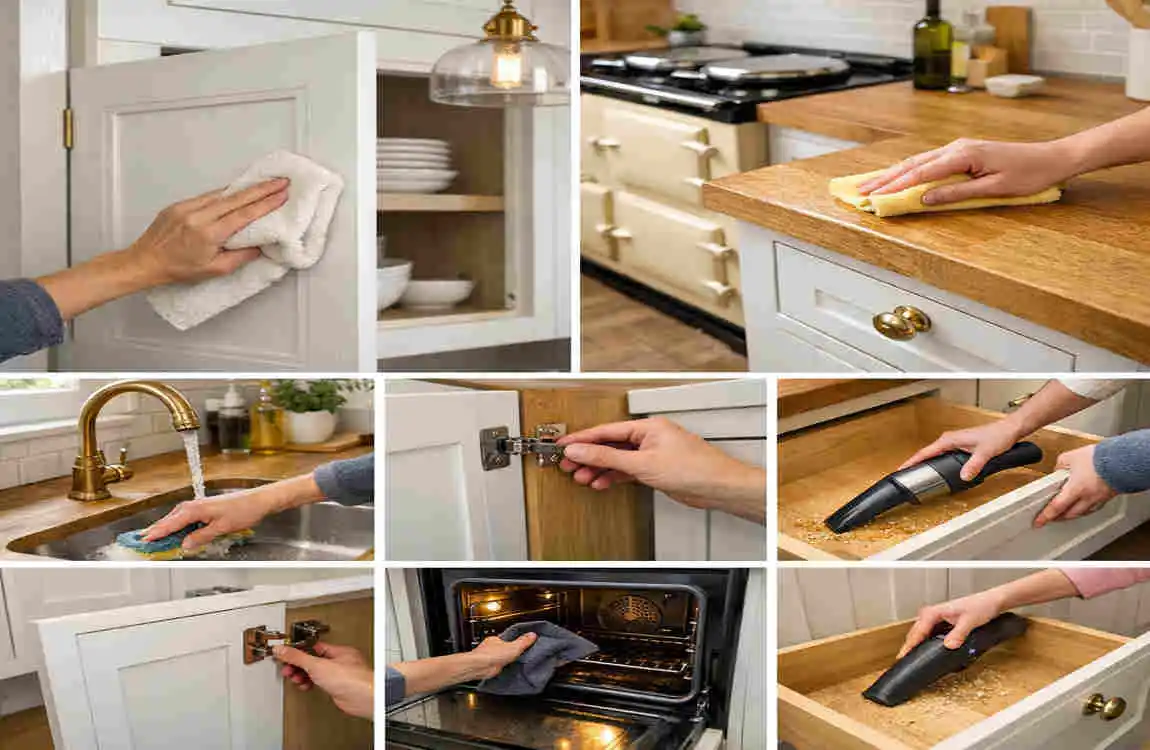
Keeping this kitchen style in good shape is fairly easy if you stay consistent.
- Clean cabinets regularly
- Avoid too much moisture
- Check hinges from time to time
- Use gentle cleaning products
- Repair scratches quickly
A little care goes a long way.
Frequently Asked Questions
Q: What’s an in-frame kitchen?
An in-frame kitchen is a cabinet style where doors and drawers are fitted inside a visible cabinet frame, creating a strong and traditional appearance.
Q: Are in-frame kitchens better than normal kitchens?
They offer excellent durability and a premium look, but they usually cost more than standard kitchen designs.
Q: Are in-frame kitchens expensive?
Yes, they generally cost more because they need skilled craftsmanship, quality materials, and detailed construction.
Q: Do in-frame kitchens last longer?
Yes, the framed structure adds strength and can help the kitchen last for many years.
Q: Can an in-frame kitchen look modern?
Yes, simple doors, neutral colours, and modern hardware can make it look stylish and current.
Q: Do in-frame kitchens reduce storage space?
The frame may slightly reduce cabinet space, but smart design can help maximise storage.
| Feature | Description |
|---|---|
| Definition | An in-frame kitchen is a cabinet style where the doors and drawers are fitted inside a solid frame attached to the front of the cabinet box, creating a traditional, high-quality appearance. |
| Style | Offers a classic, elegant, and handcrafted look often seen in traditional, shaker, country, and luxury kitchen designs. |
| Cabinet Structure | Uses a visible front frame that surrounds each cabinet opening, adding strength and a premium finish. |
| Appearance | Creates clean lines, balanced proportions, and a furniture-like feel compared with standard frameless kitchens. |
| Benefits | Provides excellent durability, long-lasting performance, and a timeless design that can increase a kitchen’s visual appeal. |
| Features | Includes solid wood frames, custom finishes, detailed craftsmanship, soft-close hinges, and made-to-measure cabinet options. |
| Pros | More durable, luxurious appearance, highly customizable, and ideal for classic home interiors. |
| Cons | Usually costs more, requires skilled craftsmanship, and offers slightly less storage space than frameless cabinets. |
| Best For | Homeowners who want a premium, traditional kitchen with a long-lasting and elegant design. |
| Maintenance | Easy to maintain with regular cleaning and proper care of cabinet doors and hardware. |