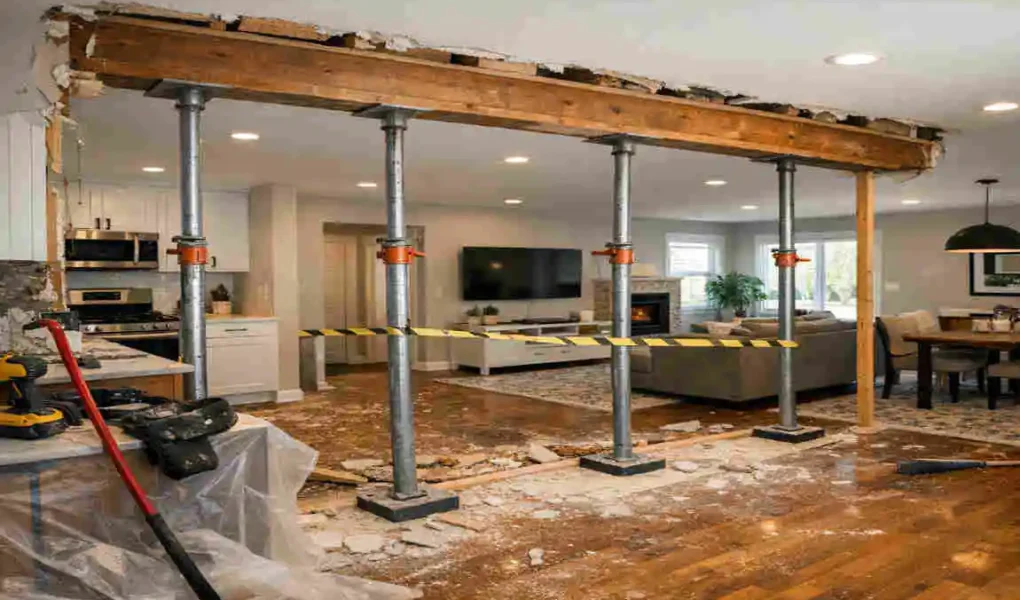
If you are thinking about opening up a room, making your home feel bigger, or changing the layout, you may be asking Can I remove a wall in my house without a permit. It is a very common question, and a very important one.
Some walls are simple and only divide space. Other walls help hold up the house. That difference matters a lot. Removing the wrong wall can lead to serious damage, expensive repairs, and permit problems later.
Can I Remove a Wall in My House Without a Permit?
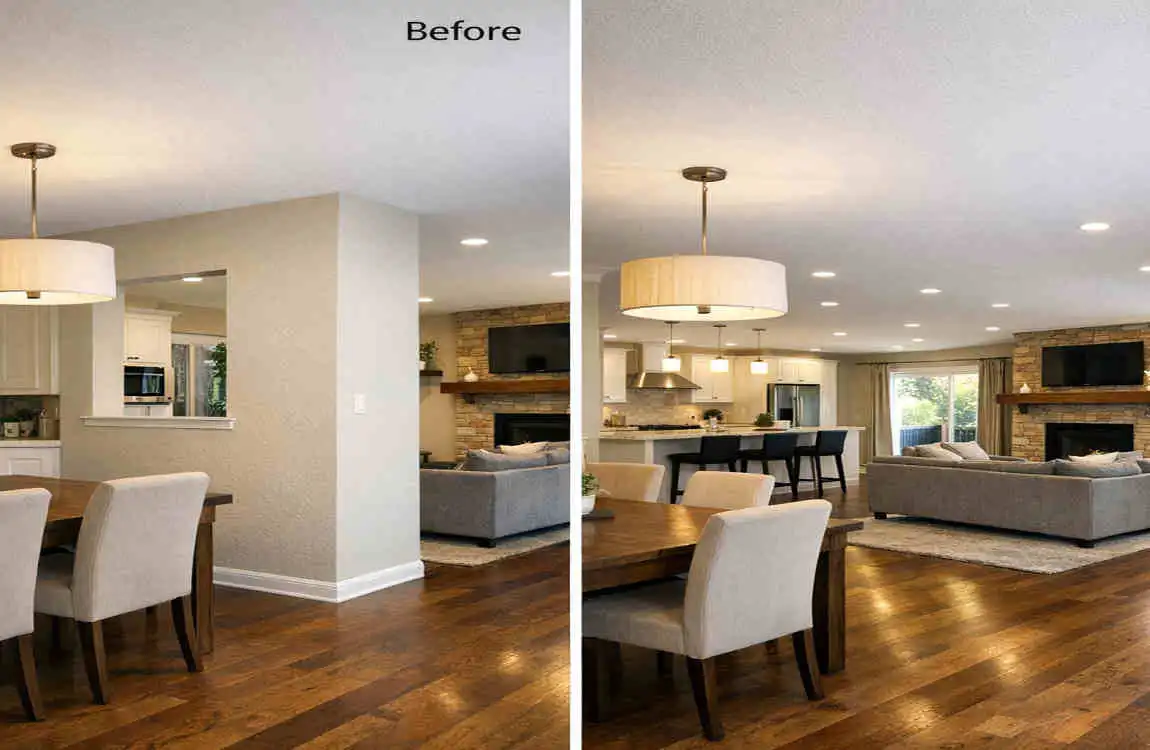
The Short Answer
Sometimes, yes — but not always.
Whether you need a permit depends on the type of wall, the work involved, and your local building codes. A simple non-load-bearing wall may not need a permit in some places, while a wall with wiring, plumbing, or structural support often does.
The rule can also change based on your city or state. So even if a friend did it without a permit, your area may have different rules.
Why Building Permits Exist
Permits are not just paperwork. They help protect you, your luxury home, and anyone living there.
They exist for a few main reasons:
- Safety
- Structural integrity
- Electrical and plumbing protection
- Compliance with local laws
A permit allows the work to be checked, reducing the risk of hidden problems later.
Understanding the Difference Between Load-Bearing and Non-Load-Bearing Walls
What Is a Load-Bearing Wall?
A load-bearing wall helps support the weight of the house above it. That weight may come from the floor, roof, or another level of the home.
If you remove this wall without proper support, the structure can shift or sag. That is why these walls should never be taken down casually.
What Is a Non-Load-Bearing Wall?
A non-load-bearing wall does not support the home’s weight. It mainly divides rooms and creates separate spaces.
These walls are often easier and cheaper to remove. Still, they may contain wires, pipes, or ducts, so they are not always as simple as they look.
Simple Ways to Identify Wall Types
You should not guess. But here are a few clues that may help:
- Floor joists: If the wall runs across joists in a certain way, it may be carrying weight.
- Basement inspection: Walls directly above beams or support points may be structural.
- Roof direction: Walls that line up with roof framing can sometimes be load-bearing.
- Professional inspection: A structural engineer or contractor can confirm it safely.
If you are unsure, treat the wall as potentially load-bearing until someone with experience checks it.
When Is a Permit Required?
Removing a Load-Bearing Wall
A permit is usually required if you remove a load-bearing wall. In many cases, you will also need a plan for a support beam or other structural replacement.
Removing a Wall with Electrical Wiring
If the wall has wiring inside it, electrical work is involved. That often means a permit is required, even if the wall itself is not structural.
Removing a Wall with Plumbing
Walls that contain water lines or drain pipes usually require permits because plumbing changes must comply with local codes.
Walls Containing HVAC Ducts
If the wall holds heating or cooling ducts, removing it may affect airflow and system performance. That can trigger permit requirements too.
Exterior Wall Removal
Removing an exterior wall is a major structural change. This almost always requires approval, plans, and inspections.
Situations Where a Permit May Not Be Required
Small Cosmetic Changes
If you are only making minor changes, such as removing trim, drywall patches, or a non-structural decorative piece, a permit may not be required.
Removing Simple Partition Walls
Some basic interior partition walls may not require a permit in certain areas, especially if they do not contain wiring, plumbing, or structural support.
Local Exceptions
Rules vary a lot. What is allowed in one town may not be allowed in another.
Always verify with your local building department before starting work. That one call can save you a lot of trouble.
Risks of Removing a Wall Without a Permit
Structural Damage
This is the biggest risk. If the wall supports weight, removing it can lead to floor sagging, cracked ceilings, or worse.
Home Inspection Problems
If you sell your home later, an inspector may notice the unpermitted work. That can slow down the sale or force you to fix the issue.
Insurance Claim Issues
If a problem happens after unpermitted work, your insurance company may question the claim. That can become a serious headache.
Fines and Legal Penalties
Some cities can issue fines or require you to stop work until you get the proper approval.
Reduced Property Value
Unpermitted remodeling can make buyers nervous. It may also lower your home’s value if the work was not done correctly.
What Happens If You Remove a Wall Without a Permit?
Possible Stop-Work Orders
If inspectors or neighbors report the work, your city may order you to stop immediately.
Mandatory Repairs
You may be required to open the wall back up, fix the problem, or install proper support.
Selling Your Home Later
During a sale, unpermitted work can become a big issue. Buyers may ask for proof that the project was approved.
Permit Retroactively
In some cases, you can apply for a permit after the work is done. But that may require inspections, documents, and possibly more repairs.
How to Know If Your Wall Is Safe to Remove
Review Building Plans
If you have the original luxury house plans, they may show which walls are structural.
Hire a Structural Engineer
This is one of the safest ways to get a clear answer. An engineer can tell you whether the wall can come out and what support is needed.
Consult a Licensed Contractor
An experienced contractor may identify warning signs and guide you through the next steps.
Contact Your Local Building Department
This is often the simplest way to understand what your city requires. They can tell you whether permits are needed for your project.
Step-by-Step Process for Removing a Wall Legally

Inspect the Wall
First, figure out whether the wall is load-bearing, has wiring, or contains plumbing.
Obtain Required Permit
If your local rules require a permit, apply before touching the wall.
Prepare Construction Plans
For structural projects, you may need a sketch or full plan showing how the wall will be replaced with proper support.
Remove Utilities
Electricity, plumbing, and ductwork should be disconnected safely by qualified people.
Install Structural Support If Needed
If the wall carries weight, you may need a beam, posts, or other support before removal is complete.
Schedule Final Inspection
Once the work is done, the city may need to inspect it to make sure everything meets code.
Typical Cost of Removing a Wall
Project Type Average Cost
Non-load-bearing wall $300–$1,500
Load-bearing wall $2,000–$10,000+
Structural beam installation $1,500–$8,000
Permit fees $50–$500
Structural engineer $300–$1,200
Costs can rise quickly if the wall contains electrical, plumbing, or HVAC systems.
DIY vs Hiring a Professional
DIY Pros
- Lower cost
- Minor demolition
If the wall is simple, small, and clearly non-structural, a DIY approach may seem tempting.
DIY Cons
- Safety risks
- Permit confusion
- Structural mistakes
The biggest problem is that it is easy to misjudge a wall. One mistake can become expensive very fast.
Benefits of Hiring Professionals
- Code compliance
- Insurance
- Faster completion
- Quality artistry
If the wall may be structural, or if utilities are involved, hiring a professional is usually the smarter choice.
Common Mistakes Homeowners Make
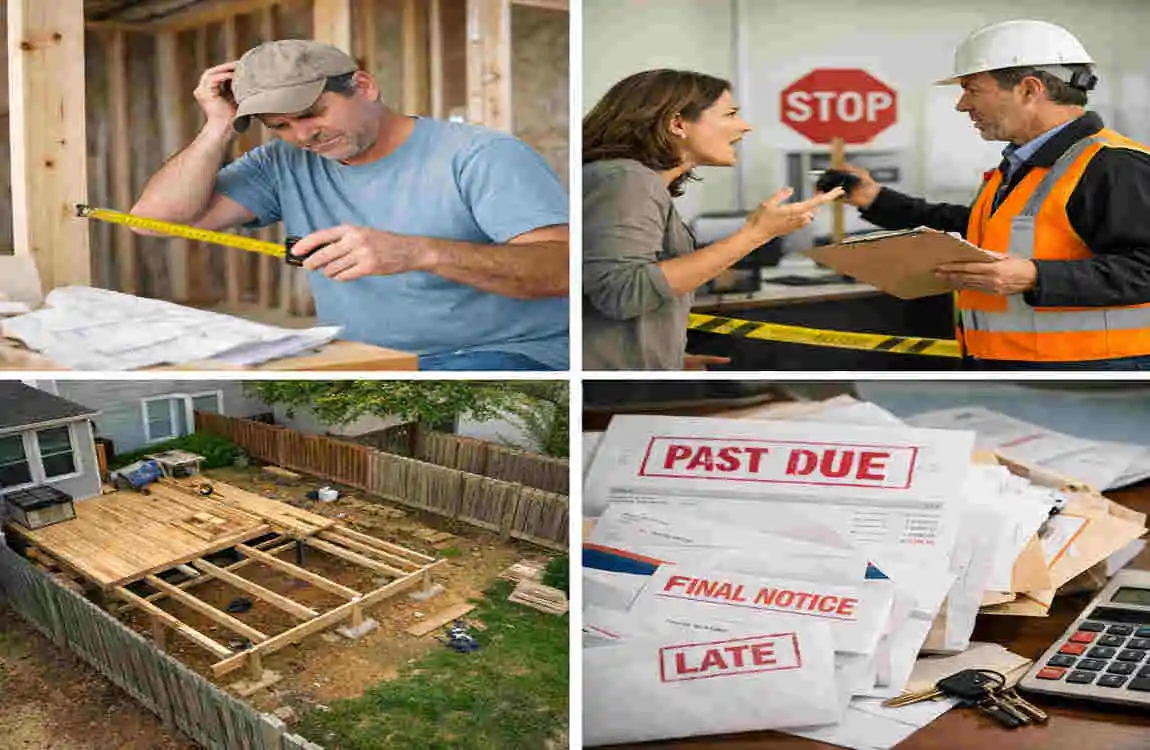
Assuming Every Interior Wall Is Safe
Not every inside wall is harmless. Some support important weight even if they look ordinary.
Ignoring Hidden Utilities
Walls often hide wires, pipes, and vents. Cutting into them without checking first can cause damage or injury.
Skipping Permit Applications
This is a common shortcut, but it can lead to fines, delays, and problems during resale.
Not Installing Proper Support Beams
If a load-bearing wall comes out, a support system must replace it. Without that, the house may shift.
Tips for a Safe Wall Removal Project
Here are a few smart home steps to keep in mind:
- Confirm wall type first
- Obtain permits when required
- Shut off utilities
- Protect surrounding rooms
- Hire professionals for structural work
- Schedule inspections
These simple steps can save you time, money, and stress.
Frequently Asked Questions
Can I remove a wall in my house without a permit?
Sometimes. Cosmetic or non-load-bearing walls may not need permits in some areas, but many local jurisdictions still require approval.
How can I tell if a wall is load-bearing?
Check building plans, inspect joists, or hire a structural engineer.
What happens if I remove a load-bearing wall?
It can cause structural damage, sagging floors, cracked ceilings, or even partial collapse.
Do I need a permit if electrical wires are inside the wall?
In most cases, yes, because electrical work usually requires permits and inspections.
Can I sell my house after unpermitted wall removal?
Yes, but unpermitted work can delay the sale, reduce value, or require retroactive permits and repairs.
How much does a wall removal permit cost?
Permit fees typically range from $50 to $500, depending on your location and project scope.
| Topic | Information |
|---|---|
| What Is It? | Removing an interior or exterior wall without first obtaining the required building permit from your local authority. |
| Is a Permit Required? | Often yes, especially for load-bearing walls or structural changes. Requirements vary by city and state. |
| Load-Bearing Walls | Removing a load-bearing wall without approval can compromise your home’s structural integrity and create safety hazards. |
| Non-Load-Bearing Walls | Some jurisdictions may allow removal without a permit, but you should always verify local building codes. |
| Possible Consequences | Fines, stop-work orders, mandatory inspections, costly repairs, or being required to restore the wall. |