If you use propane for heating, cooking, water heating, or other household needs, it is important to recognize the smell of a possible leak. So, what does propane smell like in a house? Propane itself is naturally odorless, but a strong-smelling odorant is added to help people detect leaks.
| Topic | Information |
|---|---|
| What does propane smell like in a house? | Propane itself is naturally odorless, but an odorant is added to help detect leaks. It commonly smells like rotten eggs, sulfur, or a skunk-like odor. |
| Why does propane smell? | Propane companies add an odorant, usually a sulfur-containing compound such as mercaptan, because pure propane has no noticeable smell. |
| Where might you notice the smell? | The odor may be noticed near propane appliances, gas lines, tanks, regulators, stoves, fireplaces, heaters, or water heaters. |
| Is a propane smell dangerous? | A strong or unusual propane odor can indicate a gas leak and should be treated as a safety emergency. |
| What should you do? | Leave the area and move to a safe location. Avoid flames, smoking, sparks, and operating electrical switches. Contact the appropriate emergency service or propane supplier from a safe location. |
Most people describe the smell as similar to rotten eggs, sulfur, or a skunk-like odor. If you suddenly notice this unusual smell indoors, do not ignore it. It could indicate that propane is escaping from an appliance, connection, pipe, or tank.
What Does Propane Smell Like in a House?
The Typical Smell of Propane
Pure propane has no natural smell. To make leaks easier to detect, propane is given an odorant, commonly a sulfur-containing compound such as mercaptan.
This added odor produces the familiar smell associated with propane. It may remind you of rotten eggs, sulfur, or a skunk.
The odor can be quite noticeable even when the amount of escaping gas is relatively small. However, you should never rely on your ability to smell propane as the only safety measure.
Why Propane Has a Strong Odor
The strong odor is intentional. Since propane cannot normally be detected by smell in its pure form, the added odorant provides an important warning.
If you notice a strong gas-like or rotten-egg smell in your home, treat it seriously. Do not assume the smell will disappear on its own.
Where Can You Notice a Propane Smell in Your House?
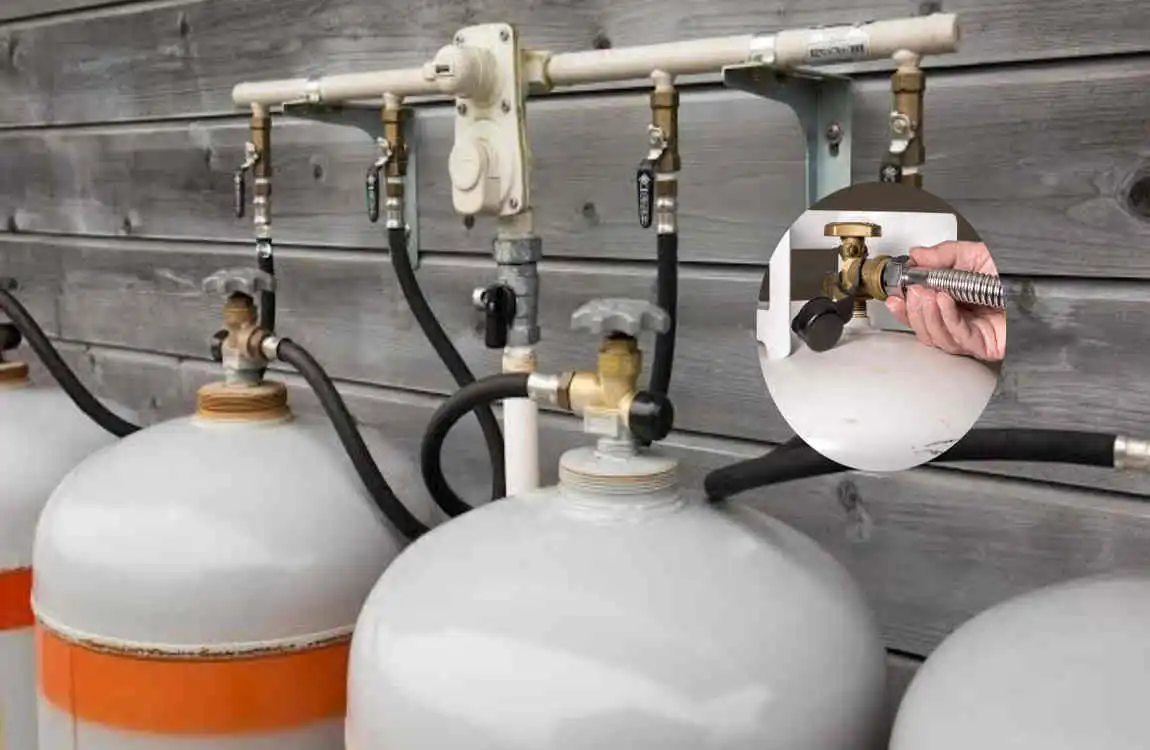
Common Areas Where Propane Leaks May Occur
A propane odor may be noticed around equipment or areas where propane is used, including:
- Propane appliances and fittings
- Gas lines and connections
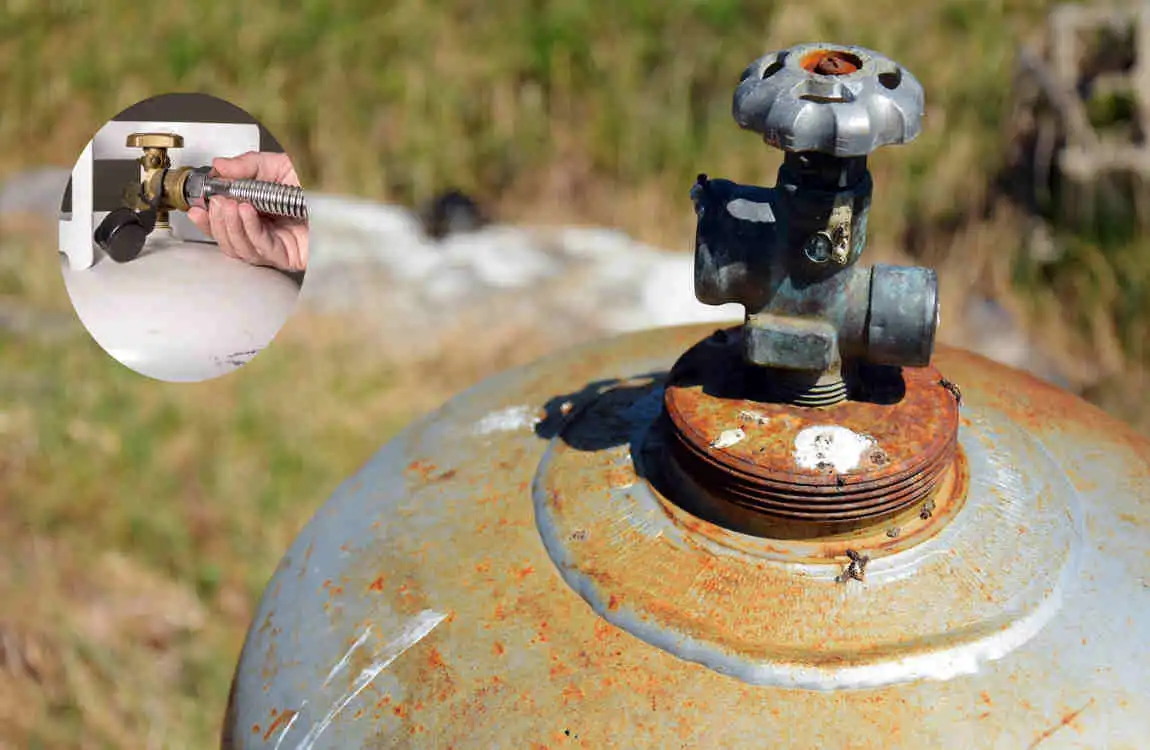
- Propane tanks and regulators
- Stoves, fireplaces, heaters, and water heaters
A damaged connection, faulty appliance component, or equipment problem can potentially allow propane to escape.
What a Propane Leak Smell May Be Like
The smell may be strongest close to the source of a leak. However, propane can move through a home depending on airflow, ventilation, and the building layout.
This means you may notice the smell in a different room than where the problem is. Do not try to follow the smell to find the leak yourself.
What Should You Do If Your House Smells Like Propane?
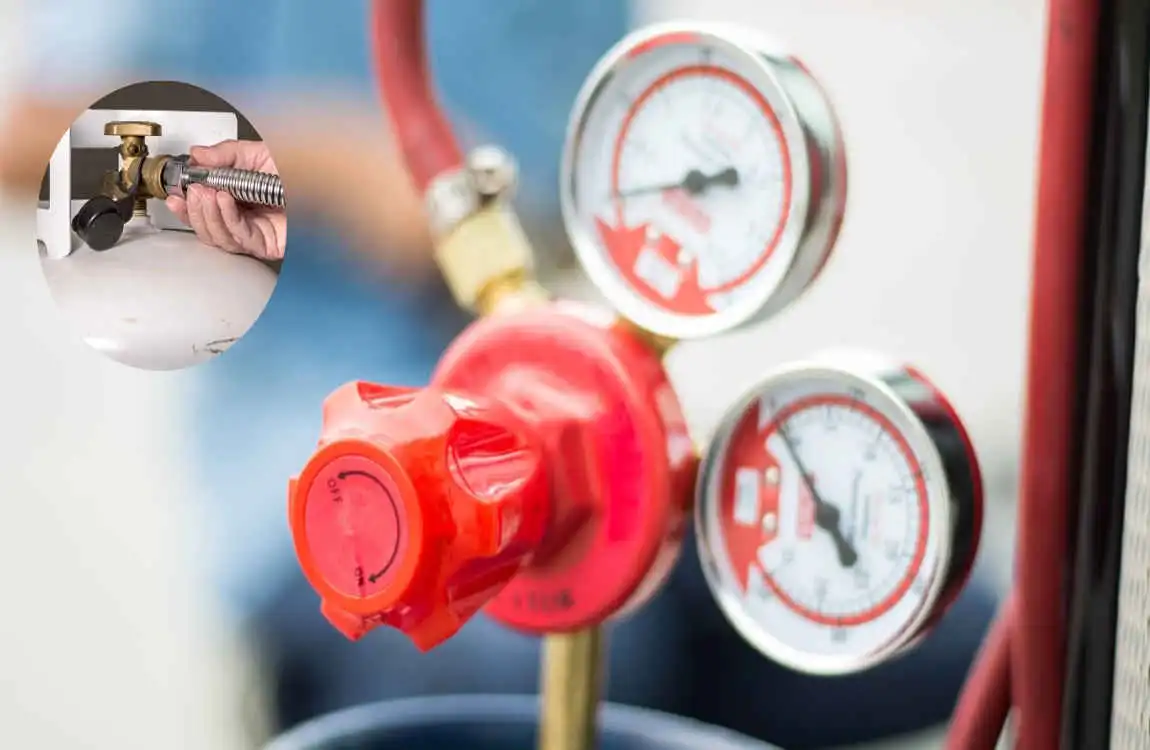
Leave the Area Safely
If you strongly suspect a propane leak, leave the building immediately. Take other people and pets with you if you can do so without delaying your exit.
Move to a safe location away from the suspected gas and wait there.
Avoid Flames, Sparks, and Electrical Switches
Do not light matches, smoke cigarettes, or create other flames near the suspected leak.
Avoid operating electrical switches, appliances, phones, or other devices in areas where propane may be present. A spark could potentially ignite accumulated gas.
Contact the Appropriate Emergency or Propane Service
Once you are safely outside and away from the suspected leak, contact your local emergency service or propane supplier for assistance.
A qualified professional should inspect a suspected propane leak. Do not attempt to repair a propane line, appliance, tank, or connection yourself.
How to Tell the Difference Between Propane and Other Household Smells
Propane vs. Rotten Egg Smell
Propane may smell very similar to rotten eggs because the odorant added to propane produces a sulfur-like smell.
Because of this similarity, you can’t always identify the source by smell alone. If the odor could be propane, take the safer approach and treat it as a potential gas leak.
Propane vs. Sewer Gas
Sewer gas can also produce an unpleasant sulfur-like odor. This can sometimes make it difficult to determine what is causing a smell in your home.
However, do not investigate by deliberately getting closer to the odour. If propane is a possibility, leave the area and have a professional check it.
Propane vs. Household Chemical Odors
Cleaning products, drains, paints, and other household materials can create strong or unusual smells.
Even so, identifying the exact source should not involve taking risks. If you notice an odour that could reasonably be propane, prioritise safety over trying to identify it by smell alone.
How to Prevent Propane Leaks at Home
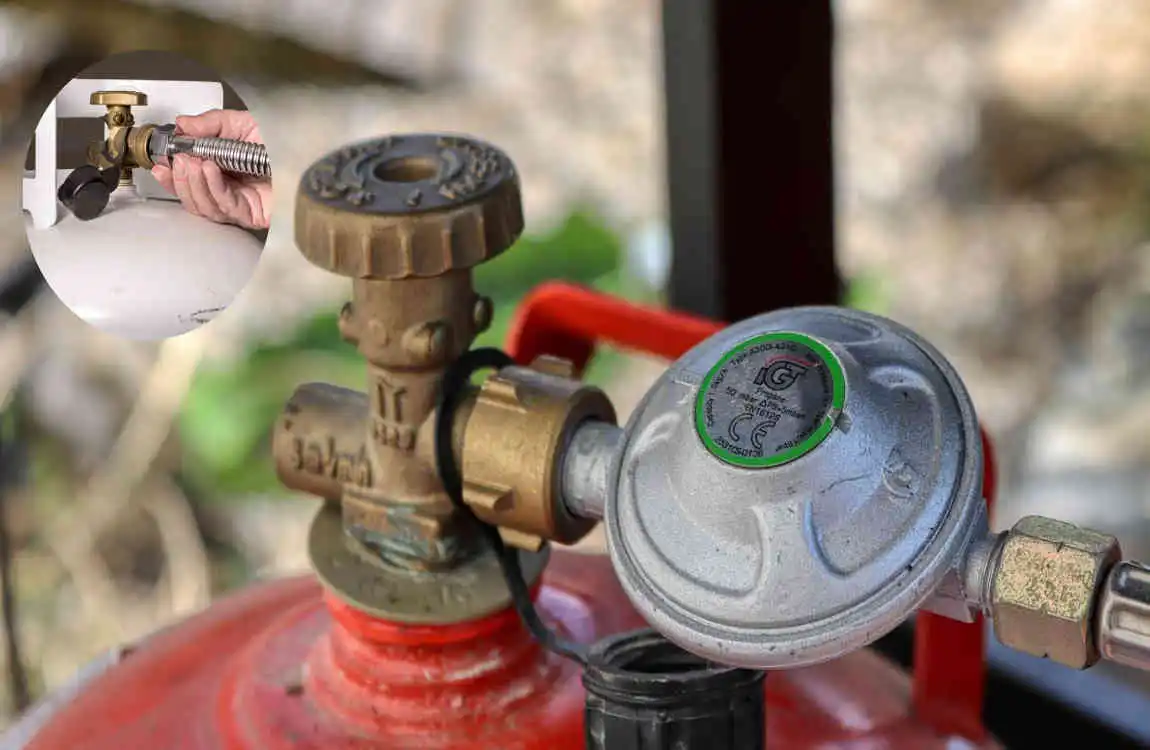
Maintain Propane Appliances
Regular maintenance can help keep propane appliances working safely. Have appliances inspected per the manufacturer’s recommendations, and address unusual odours or equipment problems promptly.
Do not ignore appliances that make unusual sounds, produce unusual odours, or show performance problems.
Check Connections and Equipment
Keep propane equipment in good condition. A qualified professional should evaluate damaged pipes, fittings, hoses, regulators, or connections.
Avoid making DIY repairs to propane systems because incorrect work can create additional safety risks.
Install Appropriate Gas Detection Equipment
Appropriate propane or gas detection equipment can provide an additional warning in your home. However, detectors are an extra layer of protection, not a replacement for proper equipment maintenance and safe propane practices.
Safety concern What to remember
Propane smell Often resembles rotten eggs, sulfur, or a skunk
Propane itself Naturally odorless
Suspected leak Leave the area and move to safety
Flames and sparks Avoid them around suspected propane
Leak repairs Use a qualified professional
Gas detector Helpful additional safety measure
Questions About Propane Smell in a House
Does propane always smell like rotten eggs?
Propane itself is odorless, but the odorant added to it commonly creates a rotten-egg or sulfur-like smell. Some people may describe it as similar to a skunk odor.
What does a small propane leak smell like?
Even a small leak may produce a noticeable odor because propane is intentionally odorized. However, the strength of the smell does not tell you how serious the leak is.
Can you smell propane through walls?
Odors can travel through openings and airflow paths, so you might notice a propane-like smell in a room that is not immediately beside the source. Do not try to locate the leak by searching around inside the house.
Why does my house smell like propane but I cannot find a leak?
Several possible explanations include an odour coming from another location or a non-propane household smell. If you suspect propane, do not keep searching for the source yourself. Leave the area and contact the appropriate professional service.
Can the smell of propane disappear?
The smell may become less noticeable because of ventilation or other factors. That doesn’t necessarily mean the problem is resolved. If you smell propane, take it seriously and have it checked.
Is a propane smell in the house dangerous?
A propane smell indoors can indicate a potentially dangerous leak. Propane can ignite when it reaches an ignition source, so treat a suspected leak as an emergency rather than an ordinary household odour.