Polybutylene pipes have a notorious reputation in the real estate market, and understanding how they impact the selling process is crucial.
Polybutylene pipes were a popular plumbing material from the 1970s to the 1990s. However, over time, these pipes have been linked to frequent leaks and failures, creating challenges for homeowners when it’s time to sell their property.
As a seller, being informed about polybutylene pipes is not just about protecting your interests—it’s about building trust with potential buyers. Buyers who know about these pipes may hesitate or demand repairs, and failing to disclose their presence can lead to legal consequences.
What Are Polybutylene Pipes?
Definition and Background
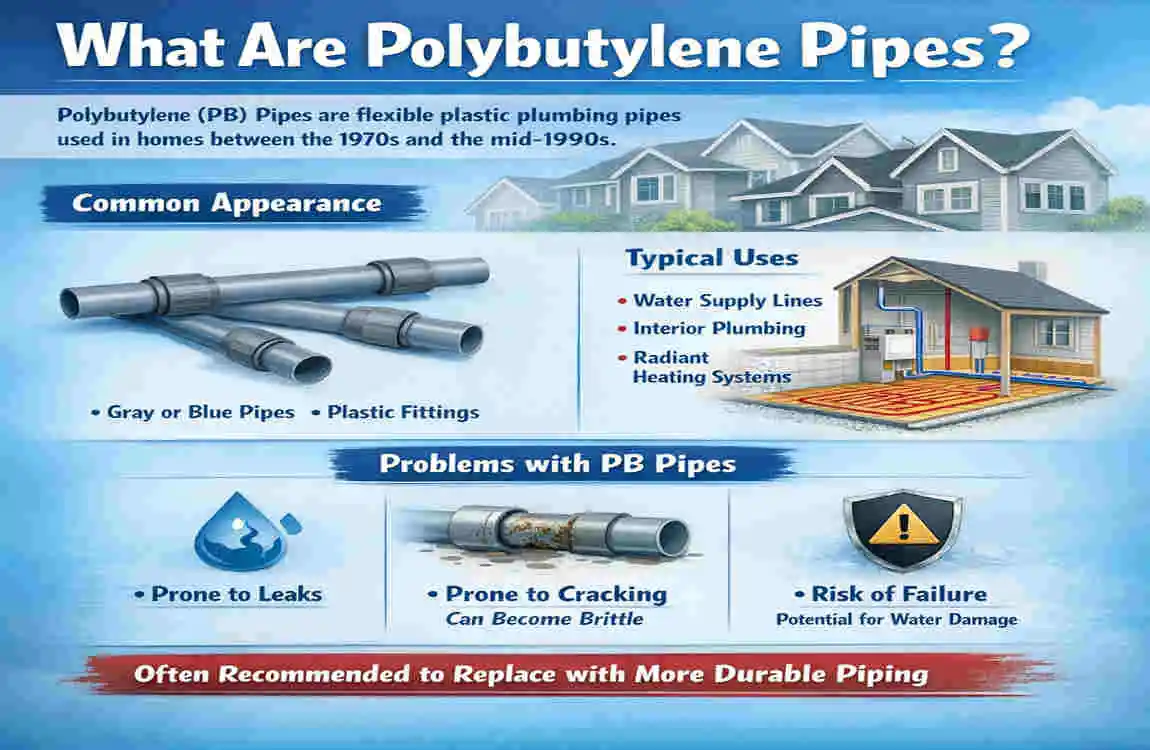
Polybutylene pipes are a type of plastic plumbing material used in residential homes from the 1970s to the 1990s. They were favoured for their affordability, flexibility, and ease of installation. Builders thought polybutylene was the future of plumbing, but its performance under real-world conditions told a different story.
Over time, these pipes became infamous for leaking and rupturing. Factors such as water quality and chlorine exposure caused the material to degrade, often leading to costly water damage.
Common Issues with Polybutylene Pipes
Here’s why polybutylene pipes are problematic:
- Prone to Leaks: Over time, the material weakens and develops cracks, leading to leaks.
- Susceptible to Failure: Even without visible damage, chemical reactions inside the pipes can cause sudden failures.
- Legal and Financial Risks: Homeowners have faced lawsuits and significant repair costs due to the failure of these pipes.
How to Identify Polybutylene Pipes
If you suspect your home has polybutylene pipes, here’s how you can identify them:
- Colour: Polybutylene pipes are often grey, blue, or black.
- Markings: Look for “PB” or “Polybutylene” stamped on the pipe.
- Installation Locations: These pipes are commonly found near water heaters, under sinks, or in basements.
Take a close look at your plumbing, or hire a professional plumber to confirm.
Can You Sell a House with Polybutylene Pipes?
Yes, but with Challenges
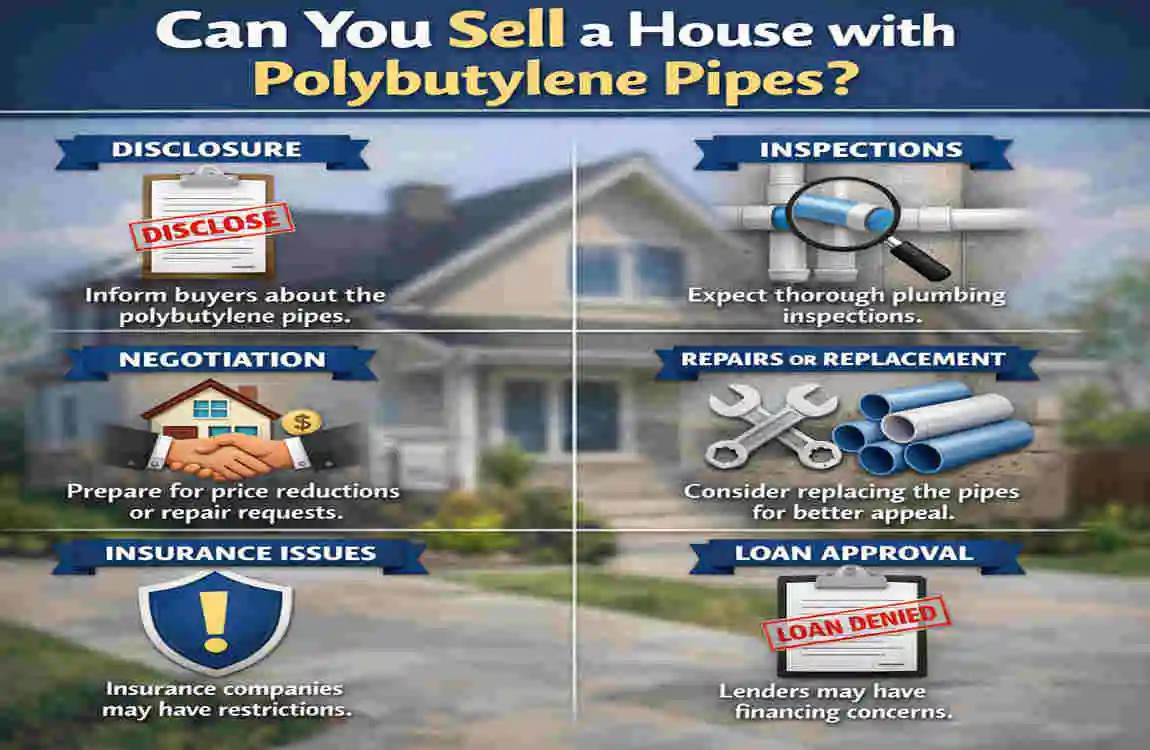
The good news is that you can sell a house with polybutylene pipes, but it requires preparation and transparency. Many buyers will see these pipes as a red flag, so it’s important to address their concerns upfront.
Legal and Disclosure Requirements
Being honest and transparent is not optional—it’s a legal requirement. Sellers must disclose the presence of polybutylene pipes during the sale process. Failing to do so can result in lawsuits or loss of trust from buyers.
Impact on Property Value
Polybutylene pipes can affect your home’s value. Homes with these pipes may sell for less, as buyers factor in the cost of replacement or potential plumbing issues. However, proactively handling the situation can mitigate its impact.
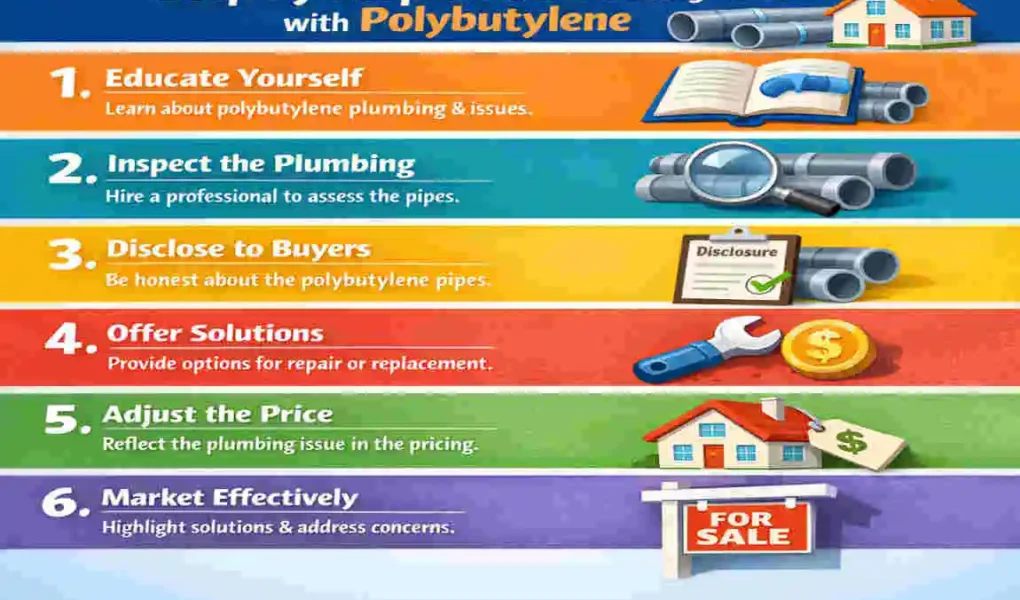
Step-by-Step Guide to Selling a House with Polybutylene Pipes
Assess the Condition of the Pipes
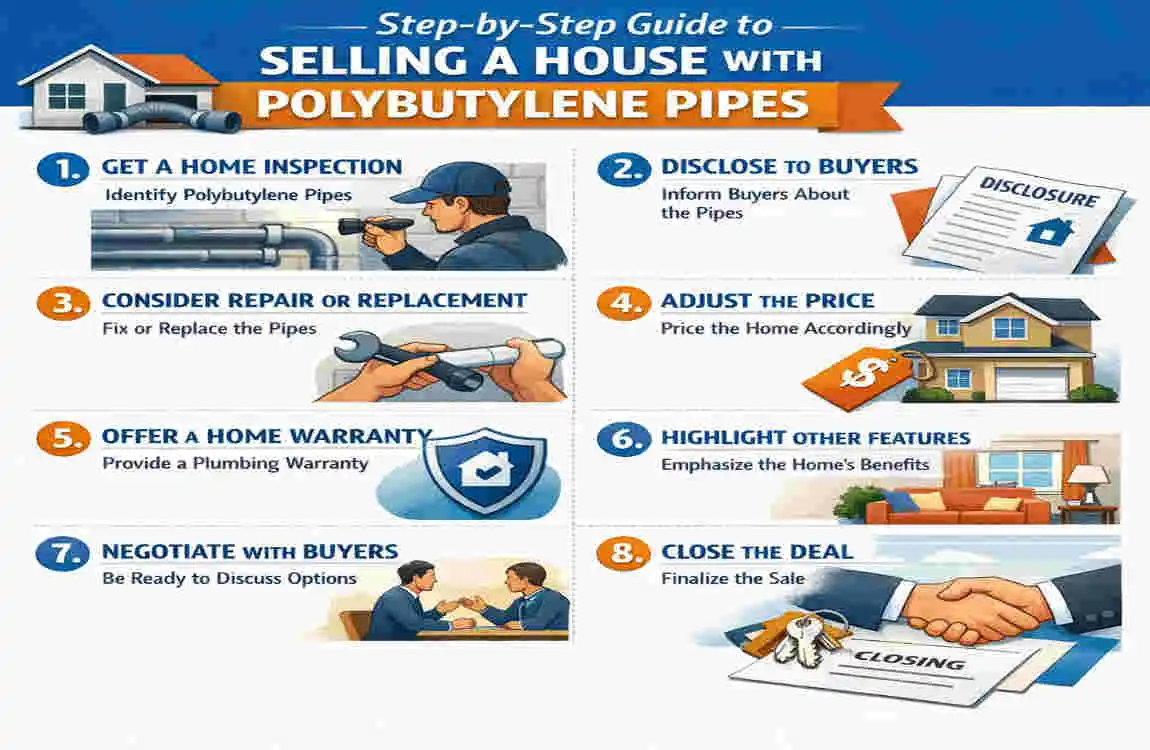
Start by hiring a licensed plumber to inspect the pipes. A professional inspection can help determine:
- Whether the pipes are in good condition.
- If there are any leaks or signs of wear.
- The level of risk associated with keeping the pipes.
Decide Whether to Replace or Repair
Once you know the condition of the pipes, decide whether to replace or repair them.
- Replacing the Pipes: This is the ideal solution, but can be costly, ranging from $5,000 to $15,000 depending on the home size.
- Repairing the Pipes: Repairs may be a temporary fix, but they won’t address the underlying issues.
Be Transparent with Potential Buyers
When selling your home, it’s essential to disclose the presence of polybutylene pipes. Frame the issue positively by explaining any steps you’ve taken to mitigate the risks (e.g., inspections, partial replacements).
Offer Solutions to Buyers
To ease buyer concerns, consider offering:
- A price reduction to cover pipe replacement costs.
- A home warranty that includes plumbing coverage.
Work with a Knowledgeable Real Estate Agent
A real estate agent experienced in selling homes with polybutylene pipes can be a valuable ally. They can:
- Help you disclose information properly.
- Navigate buyer objections.
- Market your home effectively, highlighting its strengths.
Market the Home Effectively
Focus on showcasing your home’s other features and benefits. Highlight renovations, energy efficiency, or location advantages to divert attention from the plumbing issue.
Tips for Buyers and Sellers
Advice for Sellers
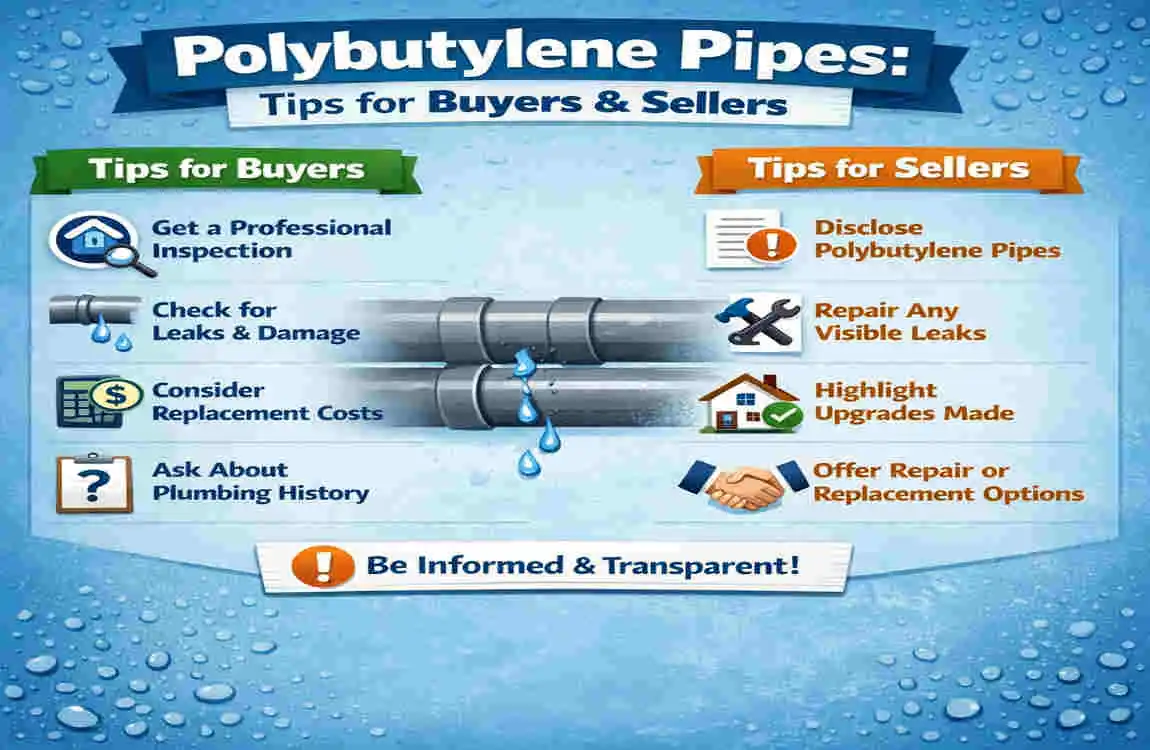
- Be Proactive: Take action early to address the issue.
- Disclose Honestly: Transparency builds trust with buyers.
- Evaluate Costs: Decide if replacing the pipes is worth the investment.
Advice for Buyers
If you’re a buyer considering a house with polybutylene pipes:
- Get an Inspection: Ensure the pipes are in good condition.
- Negotiate Wisely: Use the presence of these pipes as leverage for price reductions or repair credits.
Negotiation Strategies
- Sellers can offer to cover part of the replacement costs.
- Buyers can negotiate for lower prices or request repairs before closing the deal.
FAQ: Can You Sell a House with Polybutylene Pipes?
Q: Can you sell a house with polybutylene pipes?
Yes, you can sell a house with polybutylene pipes, but it requires transparency and often some preparation.
Q: Do you have to disclose polybutylene pipes to buyers?
Absolutely. Disclosure is legally required and helps build trust with potential buyers.
Q: Will polybutylene pipes lower my home’s value?
They can reduce property value because buyers may factor in repair or replacement costs.
Q: Should I replace polybutylene pipes before selling?
Replacing is ideal but not mandatory. You can also sell as-is with proper disclosure and possibly offer credits.
Q: How much does pipe replacement usually cost?
Replacement typically costs between $5,000 and $15,000, depending on home size and complexity.
| Description | ||
|---|---|---|
| Assess the Pipes | Hire a professional plumber to inspect the polybutylene pipes for condition and risks. | |
| Decide on Repair or Replacement | Evaluate costs and benefits of repairing vs. fully replacing the polybutylene pipes. | |
| Disclose to Buyers | Be transparent about the presence of polybutylene pipes to avoid legal issues. | |
| Offer Solutions | Consider offering price reductions, credits, or home warranties to ease buyer concerns. | |
| Work with an Experienced Agent | Partner with a real estate agent familiar with selling homes that have polybutylene pipes. | |
| Market Effectively | Highlight other strengths of the home to offset pipe concerns and attract buyers. |