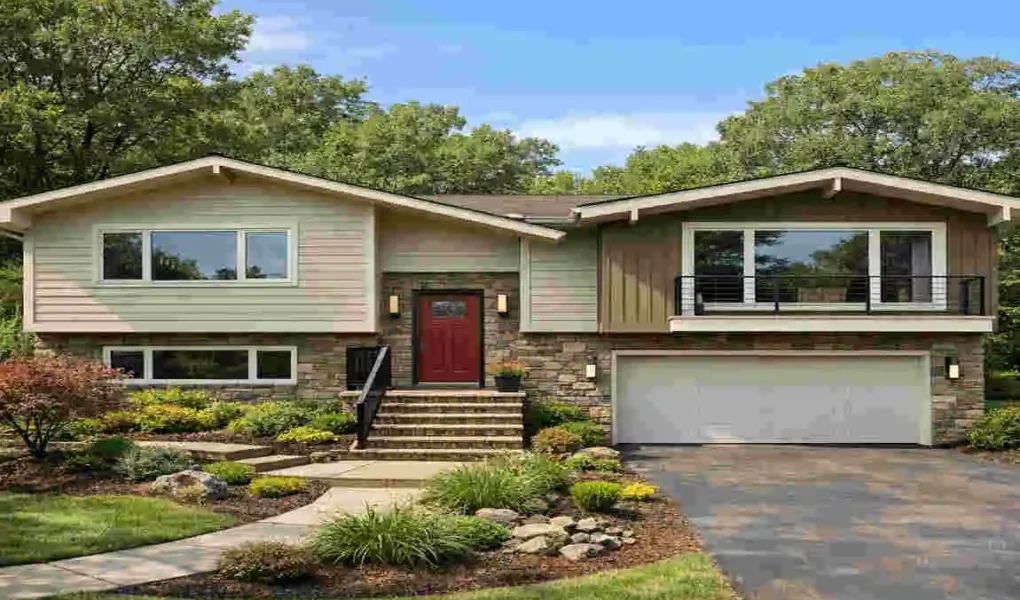
If you have ever walked into a home where the entrance lands between two floors, you may have already seen a bi-level layout in action. So, what’s a bi level house? In simple terms, it is a home with a split-entry design that leads you either upstairs or downstairs from the front door.
| Feature | Details |
|---|---|
| Article Title | Exploring the Charm of Bi-Level Homes: A Unique Design |
| Focus Keyword | what’s a bi level house |
| Home Style | Bi-Level / Split-Entry Home |
| Main Design Feature | Entryway located between upper and lower floors |
| Typical Layout | Upper floor for living areas, lower floor for bedrooms or recreation |
| Common Benefits | Affordable, space-efficient, family-friendly |
| Potential Drawbacks | More stairs, limited foyer space, lower-level lighting concerns |
| Popular Era | 1960s–1970s suburban developments |
| Best For | Families, sloped lots, budget-conscious homeowners |
What’s a Bi Level House?

Definition of a Bi-Level Home
A bi-level home is a house with two main living levels connected by a short staircase at the entry. The front door usually opens to a small landing, and from there, you go either up to the main living area or down to the lower level.
This is different from a traditional two-story home, where the entrance typically leads directly to the first floor. In a bi-level house, the split-entry setup is the main design feature.
History and Origin of Bi-Level Houses
Bi-level houses became very popular in the 1960s and 1970s. During this time, many suburbs were growing fast, and builders needed homes that were practical and affordable to construct.
The design worked well because it was simple to build, used land efficiently, and gave families enough space without creating an oversized home. That is why bi-level homes became a familiar part of suburban neighborhoods.
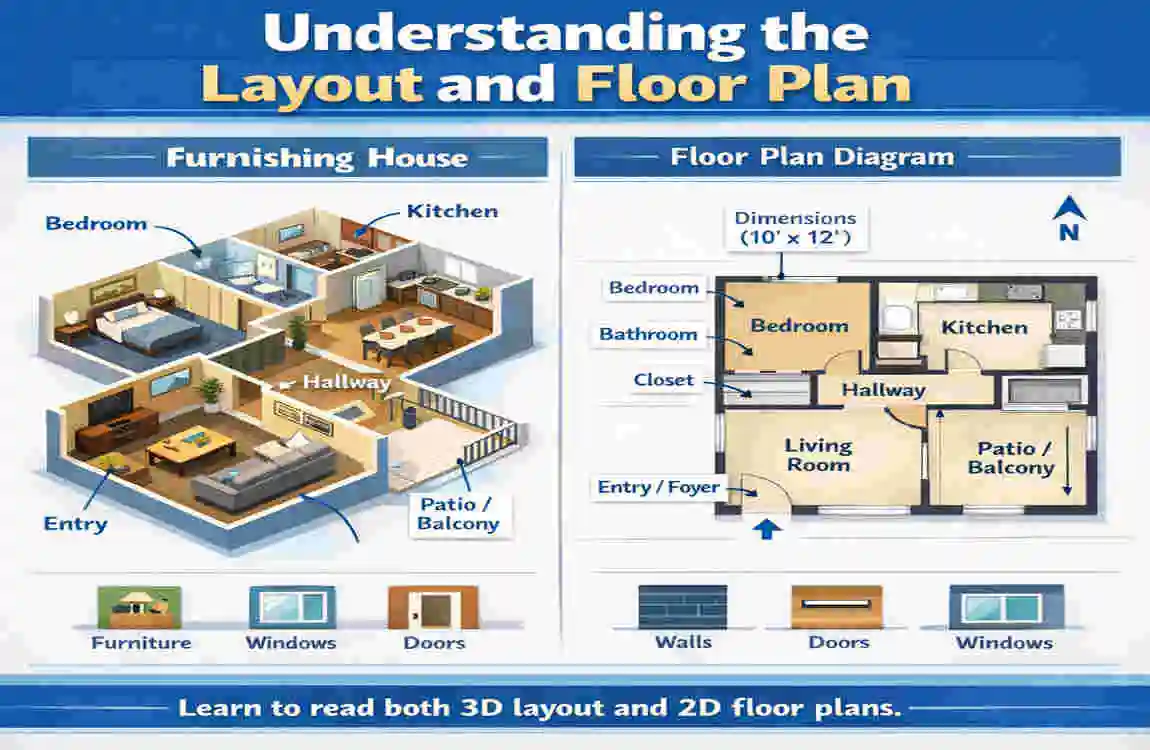
Basic Layout of a Bi-Level House
Most bi-level homes place the main living spaces upstairs. This often includes the kitchen, dining room, and living room. The lower level usually holds bedrooms, a family room, a laundry area, or a garage connection.
The staircase is usually short, but it plays a big role in how the home feels. It creates a clear separation between active spaces and quieter spaces, which many families find useful.
Key Features of a Bi-Level Home Design
Split-Entry Way
The split-entry design is one of the most recognizable features of a bi-level home. You step inside and immediately choose between two directions. This setup helps the home feel organized and compact.
It also saves space because the staircase is short and efficient. That makes the layout feel practical instead of wasteful.
Efficient Use of Square Footage
Bi-level homes are known for their efficient use of space. They usually have a smaller footprint than larger multi-story houses, but they still offer enough room for daily life.
This makes them a smart option for lots that are not very large. Homeowners often like how the design makes the most of the available land.
Large Windows and Natural Light
Many bi-level homes include large windows in the upper level. Because the main living space is slightly raised, the windows can bring in plenty of sunlight and often offer better views.
This helps the home feel brighter and more open. Natural light can make even a simple layout feel warm and welcoming.
Attached Garages and Basements
Many bi-level homes include attached garages or lower-level basements. This adds convenience and gives homeowners more storage or living space.
In many homes, the lower level feels like a semi-basement. Still, with the right finishing, it can become a comfortable part of the home.
Types of Bi-Level Houses
Standard Bi-Level Homes
The standard bi-level is the classic version. It has a split-entry design, an upper living area, and a lower level arranged straightforwardly.
This style is simple, familiar, and easy to maintain.
Raised Ranch Bi-Level Homes
A raised ranch looks similar to a bi-level home, but it often has a more ranch-style exterior. The home sits on a raised foundation, which gives the lower level more usable space.
People often compare raised ranch and bi-level homes because they look alike. Still, the layouts and exteriors can differ a little.
Modified Bi-Level Layouts
Some bi-level homes have been updated to a more modern style. These may include open-concept rooms, larger lower-level spaces, or upgraded finishes.
These changes help older homes feel fresh and better suited to modern living.
Advantages of Owning a Bi-Level House
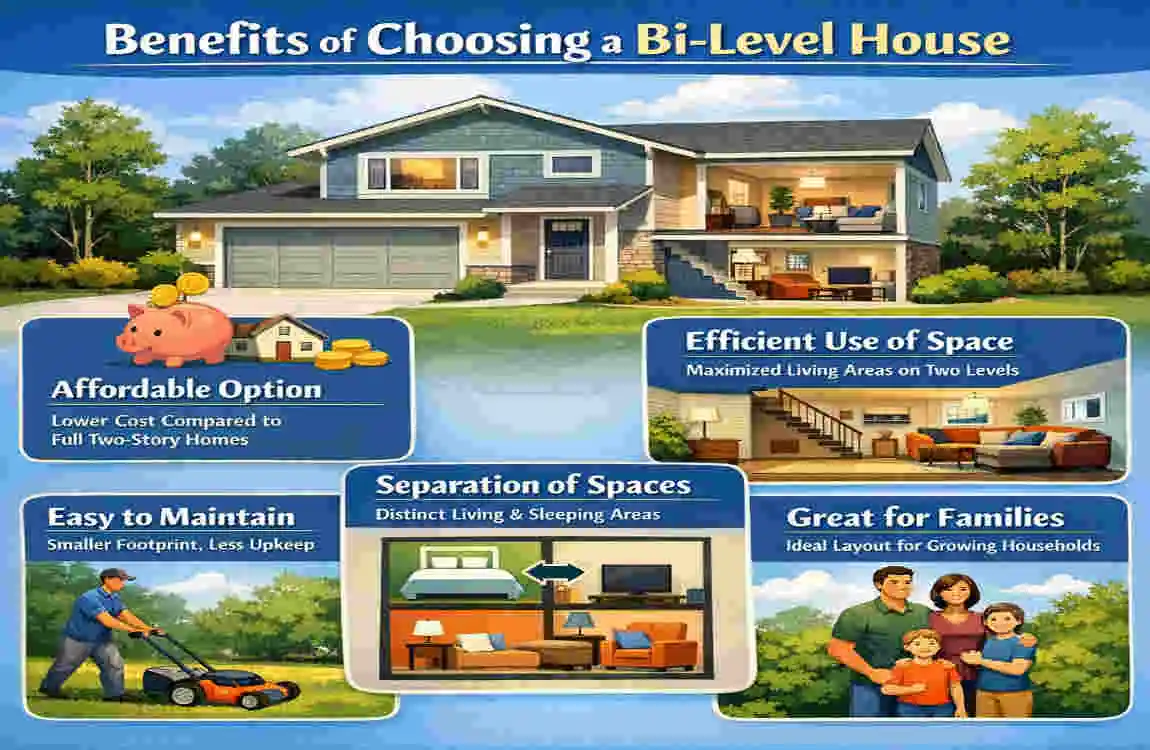
Affordable Construction Costs
One of the biggest reasons people choose a bi-level home is cost. These homes are usually less expensive to build than larger, more complex houses.
The roofline is often simpler, and the foundation can be more cost-effective too. That can make a big difference for buyers working within a budget.
Excellent Separation of Living Spaces
A bi-level home naturally separates noise and activity. The upstairs area can host the main gathering spaces, while the downstairs area can remain quieter.
This is great for families because it gives people room to spread out. Kids can play downstairs while adults relax upstairs, or the reverse.
Energy Efficiency Benefits
Because bi-level homes are often compact, they can be easier to heat and cool. The smaller footprint and efficient layout may help reduce energy use.
That does not mean every bi-level home is highly efficient, but the home design gives homeowners a strong starting point.
Ideal for Sloped Lots
Bi-level homes work especially well on sloped or uneven land. The layout fits the terrain more naturally than some other home styles.
This can make construction easier and help the home blend with the lot rather than fight against it.
Flexible Living Options
The lower level can serve many purposes. Here are a few common uses:
- Home office
- Guest suite
- Playroom
- Rental space
- Entertainment room
That flexibility is one reason many people still like bi-level homes today.
Disadvantages of Bi-Level Homes
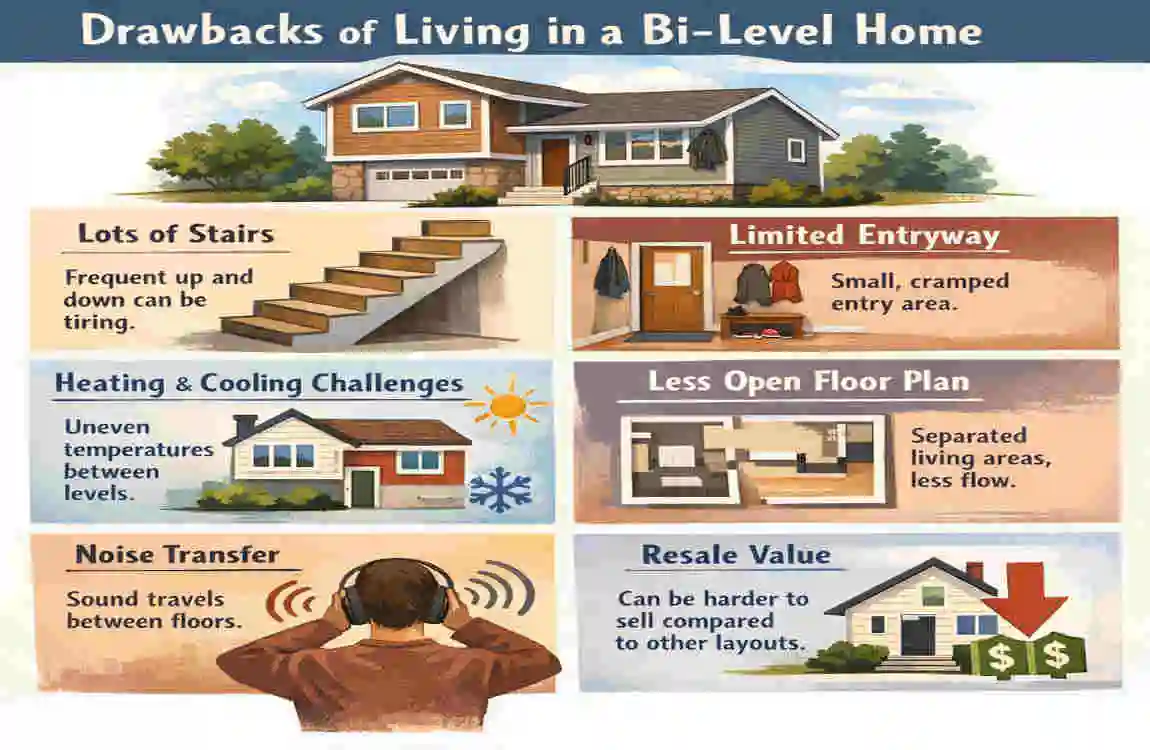
Entryway Congestion
The entryway in a bi-level home is often small. That can make it feel crowded when several people come in at once.
It is not a major problem for everyone, but it is something to think about if you often host guests.
Stair Accessibility Concerns
Since stairs are part of daily movement in the home, accessibility can be a concern. Older adults, young children, or anyone with mobility issues may find the layout more challenging to navigate.
This is one of the biggest pros and cons of bi-level homes to consider before buying.
Lower-Level Lighting Issues
The lower level may get less natural light than the upper floor. This can make it feel darker unless the home has good windows or updated lighting.
Many owners solve this by installing brighter finishes, mirrors, and additional light fixtures.
Resale Perception
Some buyers prefer open-concept layouts or single-level homes. Because of that, a bi-level home may not appeal to everyone.
Still, a well-kept bi-level can sell well if it has good updates and strong curb appeal.
Bi-Level House vs Split-Level House: What’s the Difference?

Structural Differences
A bi-level home usually has two main levels with a split entry. A split-level house often has more staggered levels, meaning the floors are arranged in a layered way.
That is the main difference in the structure.
Layout Comparisons
In a bi-level home, the staircase usually goes up or down from the entry landing. In a split-level home, the stairs may continue to multiple sections of the house.
So while the homes can look similar, the room flow is often different.
Functional Differences
Bi-level homes are often easier to understand and use because their layouts are simple. Split-level homes may offer more separation, but they can also feel more complicated.
The better choice depends on how you live and how much movement between levels you are comfortable with.
Which Home Style Is Better?
There is no single winner. The best choice depends on budget, family size, and lifestyle.
If you want a practical home at a fair price, a bi-level may be the better fit. If you want more staggered space and do not mind a more layered layout, a split-level could work well.
Feature Bi-Level House Split-Level House
Main Layout Two main levels Multiple staggered levels
Entry Style Split-entry landing Often more layered entry
Space Use Simple and efficient More divided spaces
Accessibility Shorter but frequent stairs More stairs in some designs
Best For Practical family living Buyers wanting varied levels
Interior Design Ideas for Bi-Level Homes
Creating an Open-Concept Feel
If your bi-level home feels closed off, opening up non-load-bearing walls can help. This can make the upper floor feel bigger and more connected.
Even small changes can improve the flow of the home.
Best Flooring Choices
Using the same flooring throughout the home can help it feel more unified. Durable materials work well, especially in busy spots like stairs and hallways.
This is one of the easiest bi-level house ideas for creating a smoother look.
Lighting Tips for Lower Levels
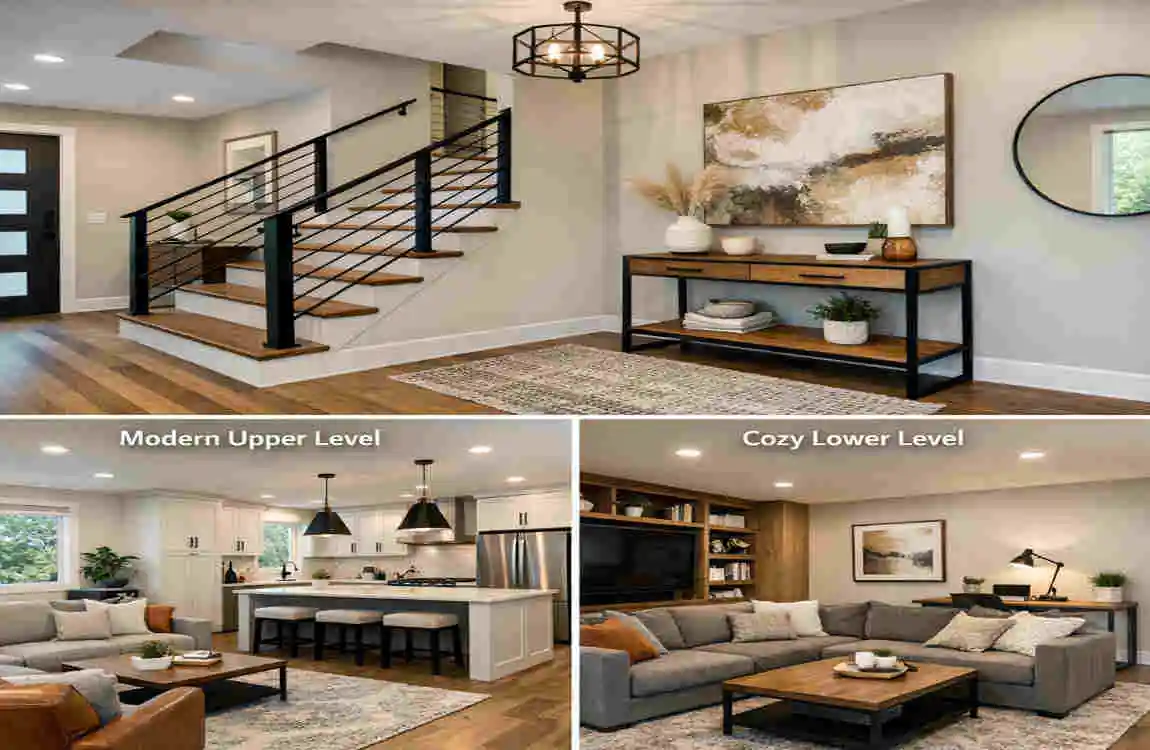
Good lighting matters a lot downstairs. Recessed lights, brighter bulbs, and mirrors can make the lower level feel much more inviting.
If possible, larger windows can also help bring in more daylight.
Modern Staircase Upgrades
The staircase can become a design feature instead of just a passageway. Glass railings, wood-and-metal details, and lighter colors can make the space feel modern.
Small upgrades here can make the whole house feel fresher.
Remodeling and Renovation Tips for Bi-Level Houses
Popular Kitchen Renovations
Many owners start with the kitchen. Opening the kitchen to the dining or living area can improve both comfort and style.
Kitchen islands are also a popular choice because they add extra prep space and seating.
Basement Conversion Ideas
The lower level can become almost anything you need. Some people turn it into an entertainment room, a gym, or a guest bedroom.
A finished lower level can add real value and make the home feel much larger.
Exterior Modernization
The outside of a bi-level home can sometimes look dated, but simple updates go a long way. New siding, a modern front door, and fresh landscaping can quickly improve curb appeal.
These changes can help a older home feel current again.
Increasing Property Value
The best upgrades are the ones buyers notice right away. Kitchens, bathrooms, lighting, flooring, and exterior improvements usually bring strong results.
If you are planning a bi-level remodel, focus on improvements that make the home brighter, more open, and easier to use.
Are Bi-Level Homes Good for Families?
Family-Friendly Layout Benefits
Yes, many families enjoy bi-level homes because they separate noisy and quiet spaces. That makes daily life easier when people have different schedules.
Parents can keep an eye on children while still having some privacy.
Safety Considerations for Children
The stairs and entry landing need to be managed carefully. Good railings, proper lighting, and simple rules can help keep children safe.
This is especially important if kids are very young.
Multi-Generational Living Potential
Bi-level homes can also work well for multi-generational families. The lower level can give older relatives or adult children a bit more privacy.
That flexibility makes the home useful for different stages of life.
Buying a Bi-Level House: What to Consider

Inspecting the Foundation and Drainage
Before buying, check for water issues around the lower level. Drainage is important because basements and semi-basements can be more vulnerable to moisture.
A careful inspection can save you from future problems.
Evaluating Staircase Safety
Look at the width, railings, and lighting of the stairs. If the staircase feels tight or unsafe, it may affect how comfortable the home is in the long term.
Checking Renovation Potential
Ask yourself how easy it would be to update the home. Can walls be opened? Can the lower level be finished better?
A home with strong renovation potential often delivers greater value over time.
Neighborhood and Resale Value
Always think about the local market. In some neighborhoods, bi-level homes are common and well liked. In others, buyers may prefer different styles.
Market demand can affect how easy it will be to resell later.
Frequently Asked Questions About Bi-Level Houses
What’s a bi level house exactly?
It is a home with a split-entry design, with the main entrance located between two levels. You go up or down from the entry landing.
Are bi-level homes cheaper to build?
Often, yes. Their design is usually simpler than many larger homes, which can help lower construction costs.
Is a bi-level home the same as a split-level?
Not exactly. They are similar, but split-level homes usually have more staggered floors. In contrast, bi-level homes usually have two main levels.
Can you modernize a bi-level house?
Absolutely. Open layouts, better lighting, updated stairs, and fresh exterior finishes can make a big difference.
Are bi-level homes energy efficient?
They can be. Their compact shape may help with heating and cooling, especially if the home is well insulated.
Do bi-level homes have basements?
Many do, but not all. Some have a lower level that feels like a basement, while others use that space as a full living area.