what is a wet vent home plumbing
Home Improvement Plumbing

Understanding Wet Vents: A Home Plumbing Guide

The tub drains slowly. The toilet makes strange bubbling sounds. Suddenly, the whole project feels stressful, expensive, and confusing.

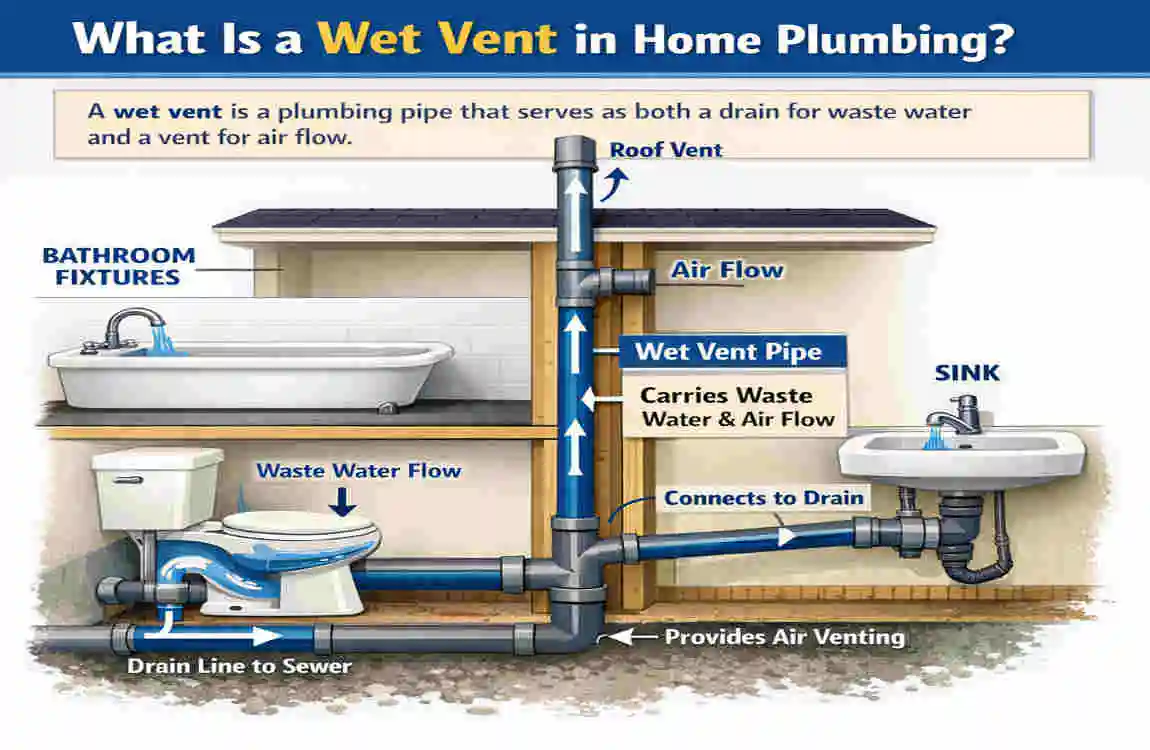
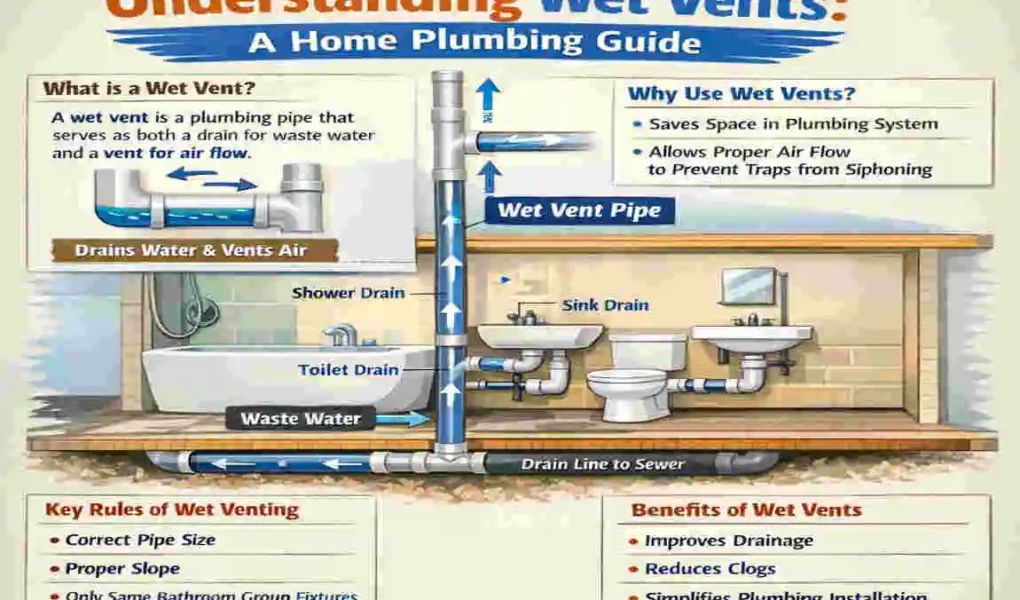
So, what is a wet vent home plumbing system? In simple words, it is a pipe setup where one pipe does two jobs at once. It carries wastewater away from one fixture while also allowing air to move through the system so other fixtures can drain properly. That dual purpose is what makes wet venting so useful in many homes, especially in bathrooms.

A wet vent helps keep pressure balanced inside your pipes. That matters because plumbing is not just about moving water out of your home. It is also about protecting the water seal in each trap. If the pressure in the system is not right, the water in a trap can get sucked out, and that can let sewer gas enter the house. Nobody wants that.

This is why wet venting is so common in residential plumbing, especially in bathrooms with a toilet, sink, and tub or shower grouped close together. It can save space, reduce material use, and simplify installation for homeowners, which often means lower cost and a cleaner layout.

If you are planning a remodel, trying to solve drainage problems, or want to understand your home better, this guide is for you. Let’s make the topic simple, practical, and easy to follow.

Feature Wet Vent Dry Vent
Function Drains one fixture; vents others Vents air only; no drainage
Best Use Bathroom groups on one floor Single fixtures or longer runs
Pros Faster install, fewer fittings Simpler for isolated venting
Cons Limited to nearby fixtures Requires more piping

Wet Vent Basics

what is a wet vent home plumbing

What a Wet Vent Actually Is

That means it carries wastewater from one fixture, while also providing airflow for other fixtures connected to the same system. In most home plumbing setups, you will find wet vents in bathrooms because the fixtures are close together and can share piping in a smart way.

Here is the easiest way to think about it:

  • A drain carries water and waste away.
  • A vent brings air into the system so drains can flow smoothly.
  • A wet vent does both.

This is different from a plain vent pipe, which only moves air. In a wet vent system, part of the pipe may carry water at some times and air at other times. That is why the pipe must be sized and installed correctly.

Wet venting is especially useful in compact spaces. Instead of running separate vent pipes for every fixture, a plumber can design one shared route that handles multiple jobs. That saves room inside walls and floors, and it can make the whole bathroom layout more efficient.

How It Differs From a Dry Vent

A dry vent is a pipe that only carries air. It never handles wastewater. Its job is to keep pressure balanced, protect trap seals, and stop sewer gas from coming back into the home.

A wet vent is more flexible because it combines two functions. That makes it more space-efficient, but it also means there are more rules to follow.

The main difference is simple:

  • Dry vent: air only
  • Wet vent: air plus wastewater from at least one fixture

That dual role is the reason wet vents are powerful, but also why they must be planned carefully.

Why Wet Vents Exist

Wet vents exist because plumbing systems need both drainage and air movement.

If a pipe only moved water without venting, suction could form. That suction can pull water out of traps and cause problems. On the other hand, if you add separate vent lines for every fixture, the system becomes more complex and costly.

Wet vents solve that balance.

They let plumbers create a more compact system without losing performance, as long as the design follows the right rules. That is why they are often seen in bathrooms, where the sink, tub, and toilet are located close to each other.

How Wet Vents Work

The Basic Flow Inside the Pipe

A wet vent works because of the way air and water move inside a plumbing line.

When water flows through a sloped pipe, it moves downward by gravity. But the pipe is not completely full all the time. There is usually an air space above the water. That air space is important because it helps the system breathe.

As wastewater moves through the wet vent, the pipe also allows air to pass through and stabilize pressure. That helps other fixtures drain smoothly without their traps being siphoned dry.

In simple terms, a wet vent keeps the system balanced while waste moves out of the house.

Why Trap Seals Matter

Every fixture with a drain trap has a small amount of water sitting inside it. That water is called the trap seal.

The trap seal is one of the most important parts of plumbing because it blocks sewer gas from entering your home.

If the pressure in the plumbing system gets too strong or too weak, it can pull that water out of the trap. Once the trap is empty, odors and gases can travel into the room.

A wet vent helps prevent that.

By giving the system a path for air, the pipe reduces suction and pressure swings. That keeps the trap seal in place and helps everything work the way it should.

A Simple Example

Picture a bathroom with a sink, tub, and toilet.

The sink may connect to a shared pipe that also serves as a vent for the tub or toilet line. When the sink drains, the pipe carries water away, but it also lets air move through the system. That air helps the tub and toilet drain properly, and it helps keep their traps protected.

This is the real magic of wet venting. It uses one pipe more efficiently without cutting corners on function.

A Simple Sketch in Words

If you imagine a wet vent layout, think of it like this:

  • The lowest fixture drains into the main line.
  • The higher fixture connects in a way that allows venting.
  • The shared pipe continues to the vented portion of the system.
  • The layout maintains the right slope and pipe size.

That small design detail is what makes the whole system work.

Wet Vent vs. Other Plumbing Systems

Wet Vent vs. Dry Vent

This is the most common comparison homeowners ask about.

A dry vent only moves air. It is straightforward and easy to understand. A wet vent moves air and water, which makes it more efficient in the right setup.

Here is the simple tradeoff:

  • Dry vent: more piping, more space, more material
  • Wet vent: less piping, less space, more efficient layout

Dry vents are often easier to picture. Wet vents are often better for compact bathrooms and remodels where space is tight.

The downside is that a wet vent has more rules. It must be sized correctly and installed with care. If not, it can cause drainage issues instead of solving them.

Wet Vent vs. Conventional Venting

A conventional venting system usually runs separate drain and vent pipes for each fixture or group of fixtures. It is very clear in structure, but it can take up more room and require more materials.

A wet vent system streamlines that process.

Instead of giving each fixture a separate path, it lets one pipe handle part of the venting role. That can simplify the layout a lot, especially in small homes or bathroom renovations.

The comparison is easy to remember:

  • Conventional venting: more separate lines
  • Wet venting: shared lines, more compact design

When One System Makes More Sense Than Another

Choosing between these systems depends on the project.

Wet venting often makes sense when:

  • The fixtures are close together
  • The bathroom is small
  • You want to reduce material use
  • The layout allows proper pipe sizing and slope

Dry or conventional venting may be better when:

  • The fixtures are spread out
  • The bathroom has a complex layout
  • The code requires separate venting
  • The system will serve heavy use or multiple fixture groups

A good plumber will usually decide this during the design stage, before any pipes are installed.

Quick Comparison Table

System Pros and Cons: Best For

Wet Vent uses fewer pipes, saves space, and is efficient for bathrooms. Must follow strict sizing and layout rules: small bathrooms and compact layouts.

Dry Vent: Simple to understand, dedicated air path. Needs more pipe and space. Systems with separate vents need

Conventional Venting: Clear design, flexible for larger layouts. More material and labor. Bigger homes and more complex plumbing

Common Wet Vent Applications in Homes

The Most Common Use: Bathroom Groups

The most common place to find a wet vent in a home is the bathroom.

That is because bathroom fixtures are often grouped together. A toilet, sink, and tub or shower can usually be arranged in a way that makes shared venting possible.

This is sometimes called a bathroom group. It is one of the best use cases for wet vent plumbing because the fixture arrangement is compact and predictable.

Sink, Tub, and Toilet Layouts

A typical bathroom wet vent setup may involve the sink acting as the venting fixture for the tub or toilet branch, depending on the layout and code rules. In many designs, the sink drain line becomes the key part of the vent path.

Here are a few common examples:

  • Sink and tub shared vent: useful in small bathrooms
  • Sink and toilet group: common in compact layouts
  • Three-piece bathroom: the most classic wet vent setup

In these systems, the shared piping must be planned so that the fixture being used as the vent source is properly placed and sized.

Why Wet Vents Are Popular in Remodels

Wet vents are popular in remodels because old homes often have tight plumbing spaces.

During renovation, plumbers may need to work around framing, joists, existing walls, and limited access. A wet vent can help reduce the amount of new pipe needed and can make the layout more efficient.

That does not mean every remodel should use one. It just means wet venting is often a very practical option when space is tight, and the fixture group is close together.

Why They Matter in Smaller Homes and Apartments

In smaller homes, apartments, and compact bathrooms, every inch matters.

A wet vent can make it easier to fit the plumbing into a wall cavity or under a floor without creating a bulky or awkward layout. This is one reason people renovating in dense urban areas often hear about wet venting.

When space is limited, smart plumbing design can make a big difference.

Common Bathroom Layout Example

A very common setup includes:

  1. Toilet connected to the main drain line
  2. Sink tied into the vented branch
  3. Tub or shower draining into the same group

This arrangement works well when the pipe sizes, slopes, and distances are all correct. That is why layout planning matters so much.

Installation Guide for Wet Vent Plumbing

what is a wet vent home plumbing

plan the Layout Carefully

Before any pipe is cut, the layout must be planned.

This is not the kind of plumbing system you want to guess on. The arrangement of fixtures, the distance between them, the pipe slope, and the size of each line all matter.

A proper plan should answer questions like:

  • Which fixture will be the wet vent source?
  • Where will the trap arms run?
  • How will the pipes connect to the main drain?
  • Where does the dry vent or stack continue upward?

The better the plan, the easier the install.

Size the Pipes Correctly

Pipe size is one of the most important parts of wet venting.

If the pipe is too small, it can clog or fail to vent properly. If it is too large for the layout, it may not perform as expected in certain sections.

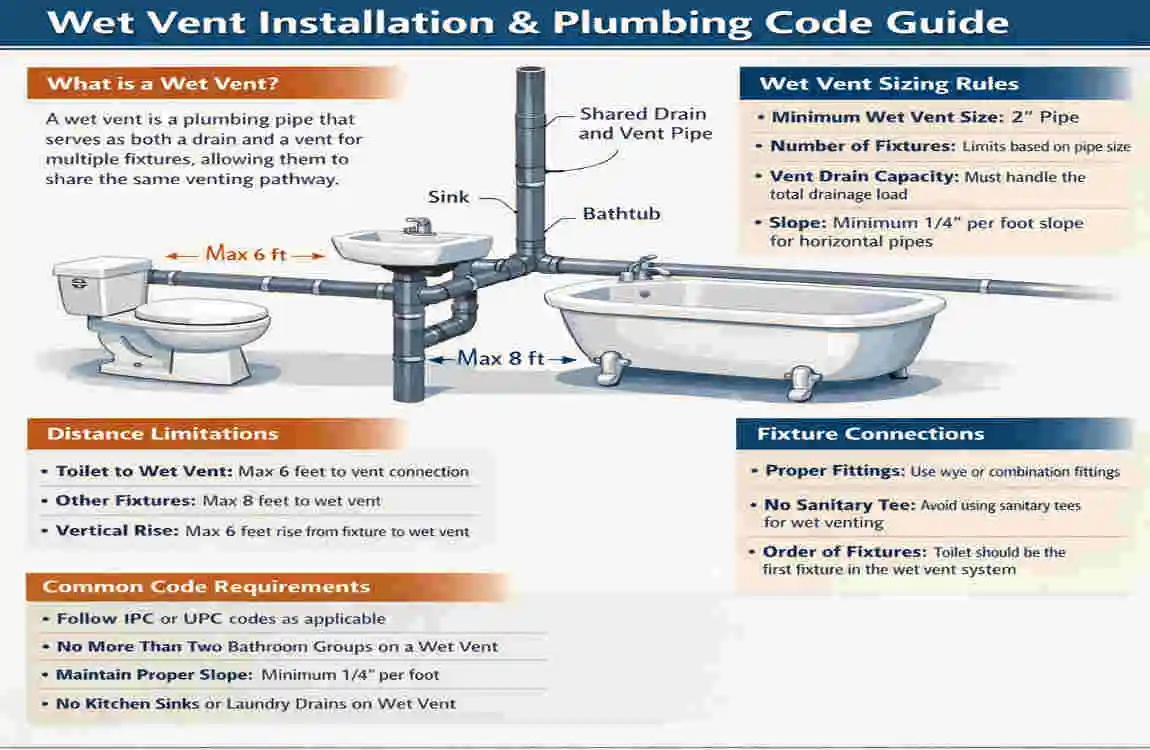
In general, the pipe size must match the number and type of fixtures being served. The exact requirements depend on local plumbing rules, but the principle stays the same: the system must be sized for the load.

A bathroom with a sink and tub may use one size, while a layout that also includes a toilet may require a larger one.

Keep the Right Slope

Drain pipes need a slope so water can move by gravity.

If the pipe is too flat, waste may sit in the line and cause clogs. If it is too steep in some cases, liquids can move too quickly and leave solids behind.

A proper, steady slope helps the system work naturally.

This is one of those details that seems small but makes a huge difference. A wet vent is only as good as the slope that supports it.

Place Fixture Connections Properly

Each fixture must connect in the right place.

That includes the trap arm, the branch line, and the vent path. The arrangement has to allow drainage while still protecting the trap seal.

This is why the exact placement of the sink, tub, and toilet matters so much in a wet vent design. Moving one fixture a few feet can change the whole plumbing plan.

Connect to the Vent Stack Correctly

At some point, the wet vented section must transition to a dry vent or stack that goes upward.

That vertical vent route is what helps the plumbing system breathe and release gases safely. The connection point must be made correctly so the system works as intended.

Test the System

Once the installation is complete, the system should be tested.

That usually means checking for leaks, confirming drainage flow, and making sure the fixtures are venting correctly. If anything sounds unusual, like gurgling or slow draining, the layout may need adjustment.

Testing is not optional. It is the final step that helps catch problems before they become expensive repairs.

Tools and Materials Commonly Used

Wet vent plumbing usually involves materials such as:

  • PVC pipe
  • ABS pipe
  • Fittings and elbows
  • Primer and glue
  • Pipe clamps and supports
  • Measuring tools
  • Level tools

And for safety and comfort:

If the job is complex, professional help is usually the smartest choice.

Installation Tips for Better Results

Here are a few practical tips to keep in mind:

  • Measure everything twice before cutting
  • Keep pipe runs as clean and direct as possible
  • Avoid unnecessary bends
  • Support pipes properly
  • Stay within the local plumbing code
  • Do not overload the system with too many fixtures

These basic habits can save time and prevent future trouble.

Pipe Size and Fixture Load Explained

Why Pipe Size Matters So Much

Pipe size is not just a detail. It is central to how the wet vent works.

A pipe that is too narrow can slow flow and create backups. A pipe that is not sized for the total load of fixtures may not vent properly, especially when multiple fixtures are used close together.

This is why plumbers talk about fixture load. They are looking at how much the pipe has to handle.

What Fixture Load Means

Fixture load refers to how many plumbing fixtures a pipe must serve and how much drainage demand they create.

A sink alone creates a different load than a sink, tub, and toilet combined. The more fixtures the system serves, the more carefully the pipe must be sized.

That is why a small bathroom can often use a wet vent effectively, while a larger multi-bath system may need a different design.

General Rule of Thumb

While exact sizing depends on code and layout, the main idea is simple:

  • Smaller, simpler bathrooms can often use smaller wet vent setups
  • Bigger or busier bathroom groups may need larger pipe sizes
  • Too much demand on one shared line can create drainage problems

If you remember nothing else, remember this: wet venting works best when the system stays within its intended load.

Table: Common Pipe Size Considerations

Pipe Size, Typical Use, What It Can Handle

2-inch Smaller bathroom branch lines , Limited fixture groups

3-inch Toilet-related sections and larger bathroom branches. More load and better capacity

4-inch Main drain or larger system sections , Heavier household drainage

Codes and Regulations You Should Know

Why Plumbing Codes Matter

Wet venting is not something you should install by guesswork.

Plumbing codes exist to protect health, safety, and performance. They help make sure the system drains properly, keeps sewer gas out of the home, and avoids overloads.

A wet vent may be allowed in one layout and not allowed in another. That is why code compliance matters so much.

What Codes Usually Focus On

Most plumbing codes that allow wet venting focus on things like:

  • correct pipe sizing
  • proper slope
  • fixture group limits
  • acceptable trap arrangements
  • where the vent path must continue
  • whether the vented section can serve more than one bathroom group

In other words, the rules are there to make sure the system works as intended.

Why Local Rules Matter Too

Even if one code allows a certain arrangement, your local rules may be stricter.

That is especially important in renovation work. Older homes may have outdated plumbing, but when you remodel, the new work usually must meet current standards. A layout that looks fine on paper may still need adjustment to pass inspection.

A Smart Approach

If you are planning wet vent plumbing, the smart move is to:

  1. Check the relevant local code
  2. confirm fixture limits
  3. Verify pipe sizes
  4. Review the layout before installation
  5. Have the system inspected if needed

That simple process can save a lot of trouble later.

Common Mistakes That Break Code Compliance

Some common mistakes include:

  • undersized piping
  • Too many fixtures on one wet vent
  • poor slope
  • Incorrect trap arm placement
  • improper vent connection
  • confusing a wet vent with a general drain

These mistakes can lead to failed inspections, odors, or drain performance problems.

Pros and Cons of Wet Vent Plumbing

The Advantages

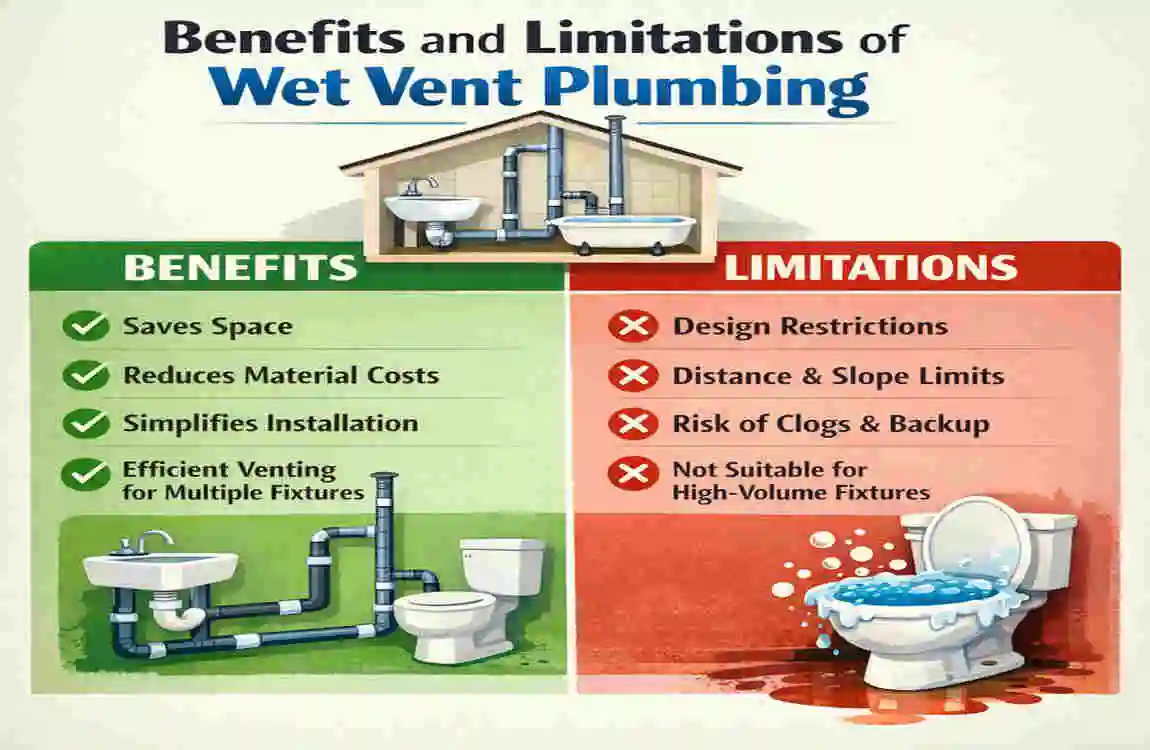
Wet venting has some real benefits.

The biggest advantage is efficiency. One pipe can do more than one job. That often means fewer materials, less labor, and a cleaner layout.

Here are the main benefits:

  • Saves space
  • Reduces pipe use
  • Can lower installation cost
  • Works well in bathroom groups
  • Makes compact layouts easier

For many homeowners, that is a strong combination.

The Drawbacks

Wet venting also has limits.

The system is not ideal for every home or every fixture arrangement. It must be designed carefully, and it may not be suitable if the fixture load is too heavy or the layout is too spread out.

Main drawbacks include:

  • Limited capacity
  • Strict code rules
  • More planning required
  • Not ideal for every layout
  • Professional installation may be needed

So while wet vents can be efficient, they are not a universal fix.

Simple Pros and Cons Table

ProsCons

Saves materials . Must meet code limits

Works well in small bathrooms . Not for every layout

Can reduce labor . Poor design causes issues

Cleaner piping layout often needs a skilled installer

Is It Worth It?

For the right bathroom, yes.

If your layout is compact and the plumbing is designed properly, wet venting can be a smart, cost-friendly solution. If your system is more complex, another method may work better.

The key is matching the design to the home, not forcing one system into every situation.

Troubleshooting Wet Vent Problems

Common Signs Something Is Wrong

When a wet vent has a problem, the signs usually show up in everyday use.

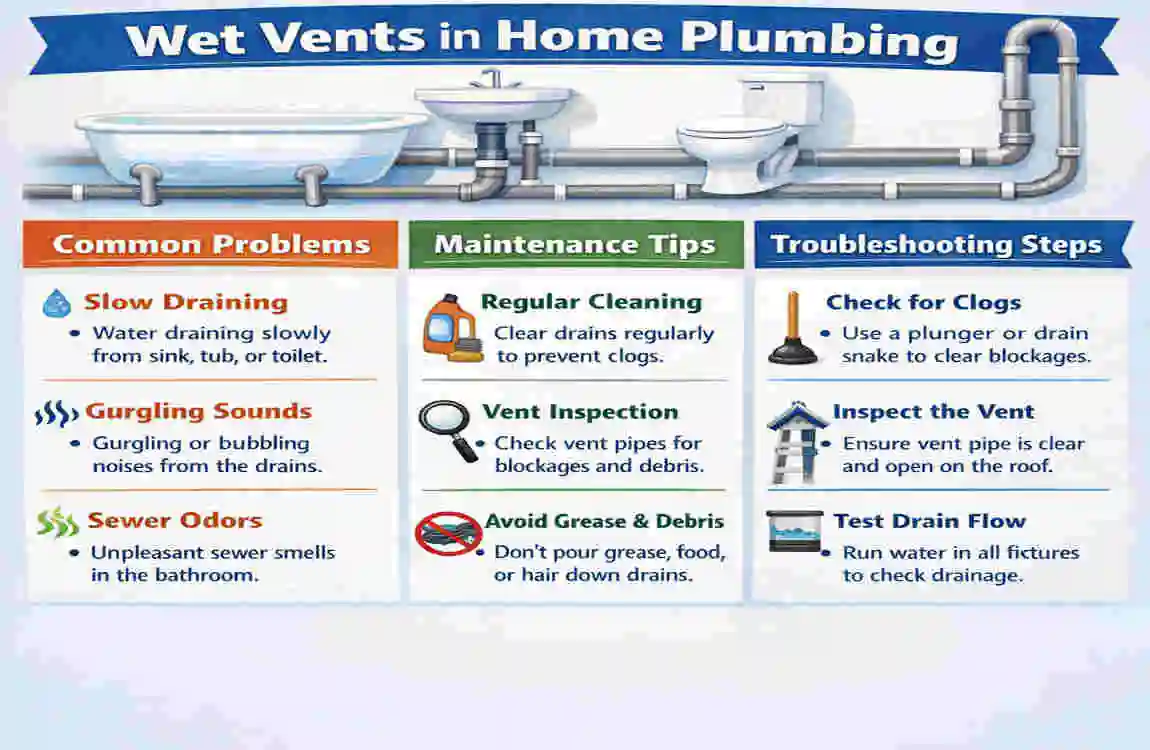
You may notice:

  • slow drains
  • gurgling sounds
  • bad smells
  • bubbling in the toilet
  • water backing up
  • inconsistent drainage

These symptoms often point to a venting or blockage issue.

What Gurgling Usually Means

Gurgling is one of the most common warning signs.

It usually means air is not moving through the plumbing the way it should. The system may be struggling to balance pressure, which can happen if the vent is blocked, the pipe is too small, or the layout is overloaded.

What to Check First

If you suspect a wet vent problem, start with the basics:

  1. Check for a clog in the drain line
  2. Look for slow flow from multiple fixtures
  3. Confirm the trap is holding water
  4. Inspect the vent path if accessible
  5. Make sure the pipe slope is correct

Sometimes the issue is a simple blockage. Other times, the layout itself may need to be corrected.

When the Problem Is Bigger Than a Simple Clog

If the symptoms keep returning, the wet vent may be improperly designed.

That could mean:

  • The pipe is too small
  • Too many fixtures share the line
  • The slope is wrong
  • The vent path is partially blocked
  • The system never met code requirements in the first place

At that point, a plumber should review the system.

A Practical Rule

If you clear a clog and the problem comes back, do not ignore it.

Recurring drainage trouble usually means the system has a deeper issue. Wet vent systems are efficient, but they only work when the design is correct.

Maintenance Tips for a Healthy Wet Vent System

what is a wet vent home plumbing

Keep the Pipes Clean

The best maintenance is simple: keep the system clear.

Avoid dumping grease, wipes, hair, and heavy debris into the drains. These things can build up over time and affect how well the wet vent works.

Use Gentle Cleaning Methods

Harsh chemical cleaners can damage pipes over time.

A better habit is to use safer cleaning methods and flush drains regularly. Enzyme-based cleaners can sometimes help with buildup without being as rough on the pipes.

Check for Slow Draining Early

Do not wait for a full backup.

If a sink starts draining slowly, or if the tub begins to gurgle, address it early. Small issues are easier and cheaper to fix than full pipe problems.

Inspect the System Once a Year

A yearly plumbing check is a smart habit.

That can help you catch:

  • loose fittings
  • small leaks
  • early buildup
  • vent problems
  • trap issues

A little attention now can prevent a bigger repair later.

Wet Venting in Modern Home Design

Why It Fits Today’s Homes

Modern homes often focus on efficient use of space, cleaner layouts, and lower material waste. Wet vent plumbing fits that mindset well.

It can help simplify bathroom designs and make compact homes more practical.

Why Renovators Like It

During renovations, people often want to move fixtures without tearing up the entire house. Wet venting can make that easier when the fixture grouping works in its favor.

That is one reason it is often discussed in bathroom remodels and smaller home upgrades.

Why Good Planning Matters More Than Ever

As homes get more customized, plumbing design has to be more thoughtful.

A wet vent is only a good solution when it is planned properly. The best results come from balancing layout, code, performance, and long-term maintenance.

Real-World Example of a Wet Vent Layout

A Small Bathroom Scenario

Let’s say you have a small bathroom with three fixtures:

  • a sink
  • a tub
  • a toilet

The sink is located near the tub, and both are close to the wall where the drain line runs. A plumber may design the sink line so it helps vent the tub branch while also serving as part of the drainage route.

The toilet then connects into the system in a way that follows the proper size and vent rules.

The result is a compact plumbing layout that takes up less space and uses fewer pipes than a more traditional design.

Why This Works

It works because:

  • The fixtures are close together
  • The pipe sizes are correct
  • The slope is right
  • The vent path is maintained
  • The load stays within the allowed range

That is the basic formula behind a successful wet vent.

FAQs

What is a wet vent home plumbing?

A wet vent home plumbing system is a pipe setup that carries wastewater from one fixture while also venting other fixtures in the same group. It does two jobs at once.

What is the difference between a wet vent and a dry vent?

A wet vent carries water from one fixture and also provides venting. A dry vent only carries air and never handles wastewater.

Is wet venting allowed by code?

Yes, wet venting is allowed in many plumbing codes when it is designed correctly. However, the exact rules depend on your local code and fixture layout.

Can I install a wet vent myself?

You might be able to handle a simple layout if you already understand plumbing basics, but many wet vent systems are better left to a professional because sizing and code compliance matter so much.

Where is wet venting most commonly used?

Wet venting is most commonly used in bathrooms, especially in compact layouts with a sink, tub or shower, and toilet grouped close together.

You may also like...

Leave a Reply

Your email address will not be published. Required fields are marked *