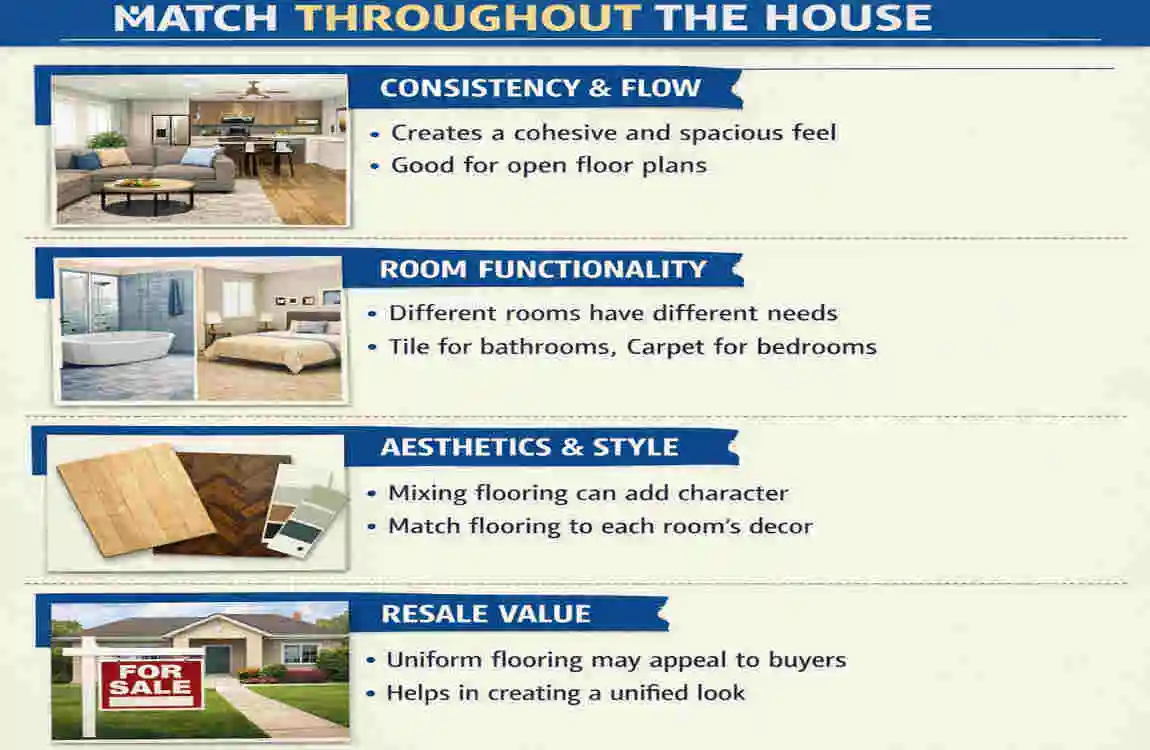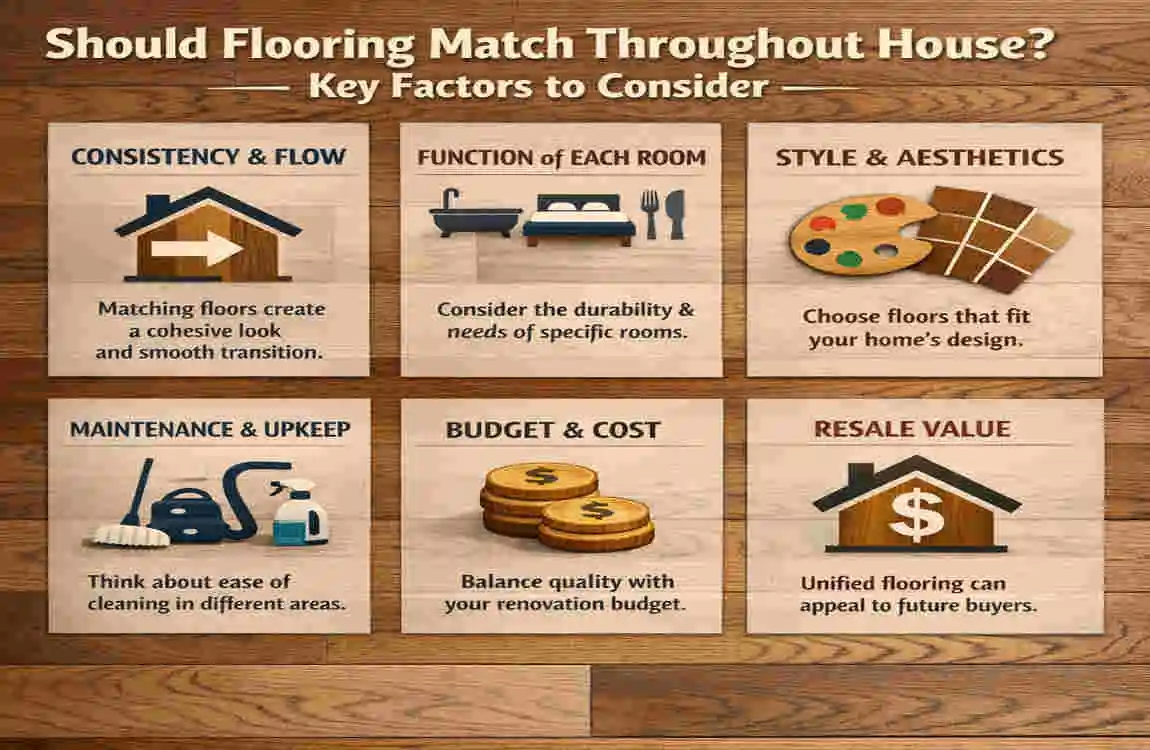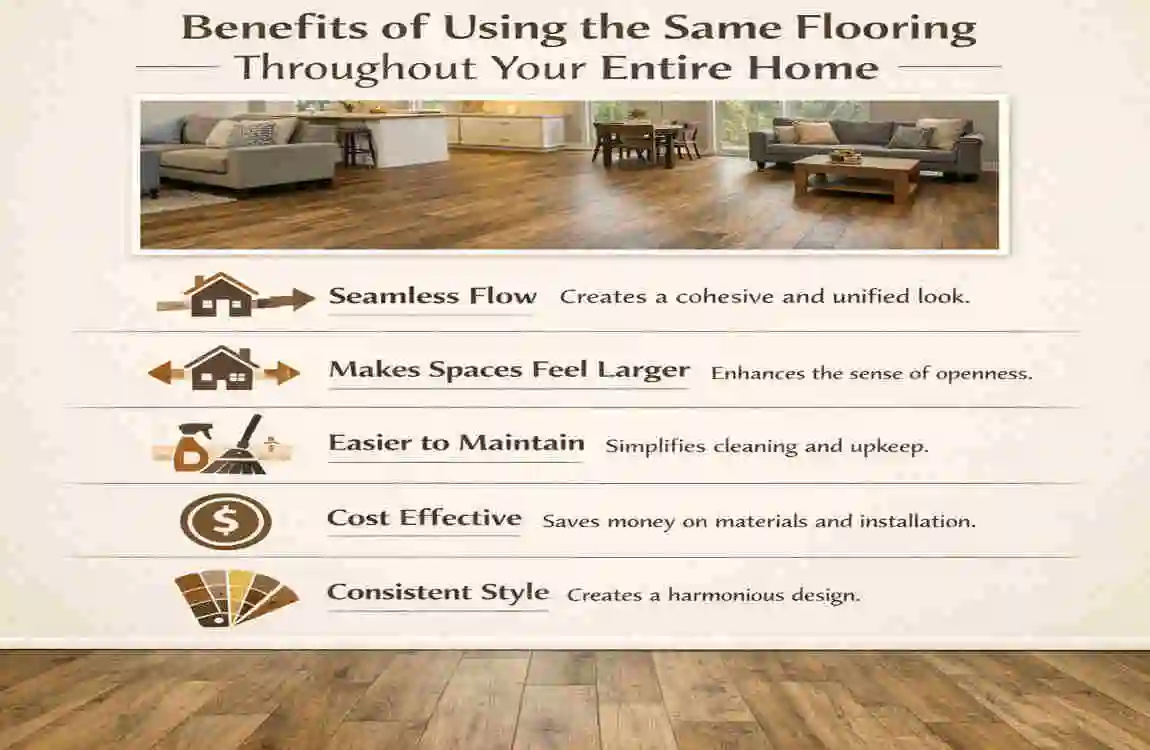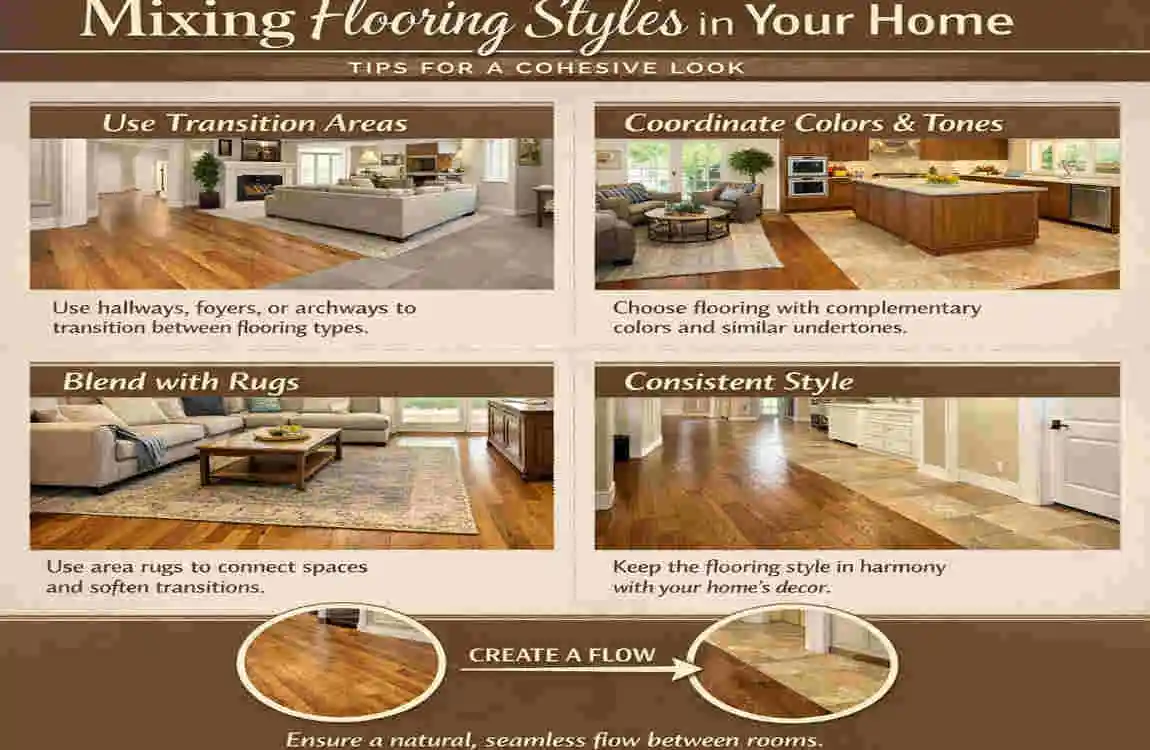
should flooring match throughout house
FLOOR Home Improvement

Should Flooring Match Throughout House? Pros, Cons & Stunning Ideas

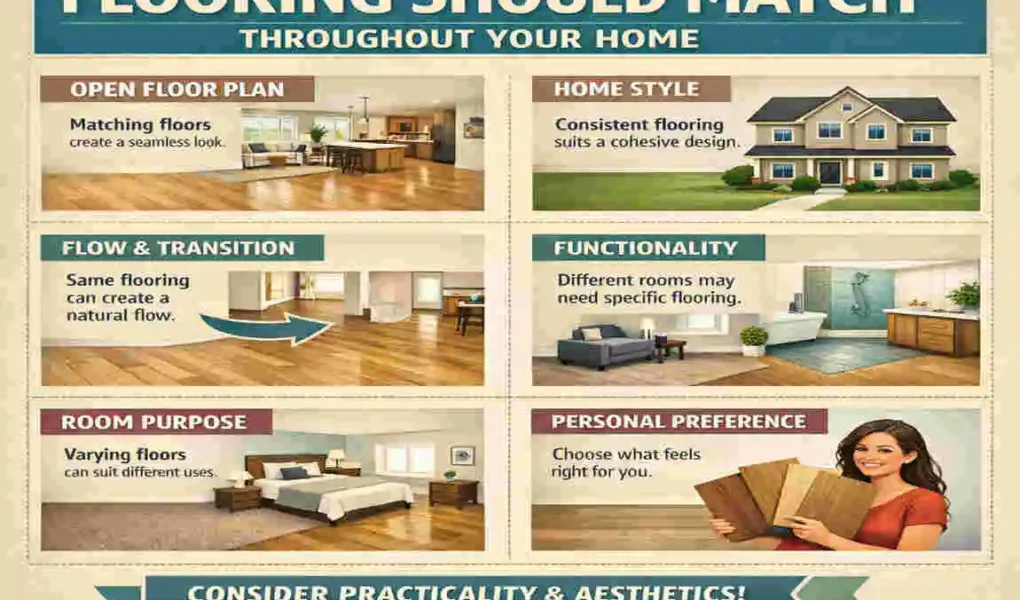
Choosing the right flooring can feel like one of the biggest design decisions in your home. It changes how your rooms look, how they feel, and even how easy they are to clean. That is why so many homeowners ask the same question: should the flooring match throughout the house, or is it better to mix styles from room to room?

Some spaces look better with one smooth, unified floor that runs from the front door to the back rooms. Other homes benefit from a mix of materials that gives each space its own personality and purpose. If you live in a modern, open-plan home, you may want a clean, continuous look. If you live in a larger house with separate rooms, you may want more freedom to create contrast.

Aspect Pros Cons Styling Idea
Same flooring throughout Creates a larger, more open, and cohesive feel; easy to clean and maintain; resale‑friendly neutral base. Can look repetitive or generic; less room‑specific character; may feel too “cold” in some spaces. Use wide‑plank light‑oak or gray‑wash vinyl‑plank in all main living areas; keep bathrooms and utility rooms with matching‑tone tile for continuity.
Different but coordinated Adds personality and zones each room; lets you choose the most practical material per space (e.g., tile in kitchen, carpet in bedrooms). Risk of clashing colors or styles; can feel disjointed if transitions are abrupt. Match base tones (e.g., all warm or all cool neutrals) and use matching‑color thresholds or runners to soften transitions.
Hallway + main rooms same Makes common areas feel expansive and upscale; simplifies furniture layout and décor. Bedrooms may feel visually disconnected if flooring clashes with the hall. Use one continuous wood‑look floor in hall, living, dining, and kitchen; add low‑pile rugs in bedrooms for comfort while keeping similar undertones.

Understanding Consistent Flooring: What It Means

should flooring match throughout house

Before deciding whether flooring should match throughout house, it helps to understand what consistent flooring really means.

What is consistent flooring?

Consistent flooring means using the same flooring material, or a very similar look, across many rooms in the home. For example, you might use the same engineered wood, laminate, tile, or vinyl plank in the living room, hallway, dining area, and bedrooms.

Some homeowners choose a completely uniform look from one end of the house to the other. Others keep the same color family but slightly change the material in each room. Both approaches can still feel consistent if the design is done well.

Why it matters in modern homes

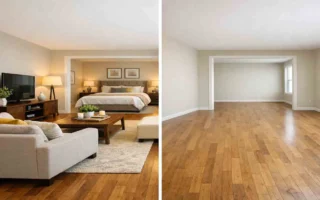
In many modern homes, especially open floor plans, consistent flooring helps the house feel more connected. There are fewer visual breaks, so the eye moves smoothly from one area to the next. That can make a home feel larger, brighter, and more polished.

This is one reason matching floors in home design has become so common. It gives a calm and organized look, which many people love.

Common flooring types used for matching

Here are some of the most popular materials homeowners use when they want flooring to match throughout the house:

Flooring TypeCost (PKR/sqft)Durability (1-10)Best for

Engineered Hardwood 1,500–3,000 8 Good for varied indoor use

Porcelain Tile 800–2,000 10 Excellent for heat and easy cleaning

Luxury Vinyl Plank 600–1,500 9 Budget-friendly and practical

Laminate 500–1,200 7 Good for dry rooms and quick updates

Natural Stone 2,000–5,000+ 10 Premium look, very durable

At the same time, climate matters. has hot weather and seasonal humidity, so flooring must be practical as well. A beautiful floor is not enough if it cannot withstand daily wear and tear, cleaning, or moisture in certain rooms.

A simple way to think about it

If your house feels like a single story, matching floors can help it look visually smooth. If your house feels more like a group of separate chapters, you may have more freedom to mix styles by room.

Pros of Matching Flooring Throughout the House

There are many reasons homeowners choose to keep flooring the same throughout the house. In fact, consistent flooring pros often go beyond style and touch on comfort, value, and day-to-day living.

Seamless visual flow

One of the biggest benefits of matching floors is the way it creates flow. When the same material runs across multiple rooms, the home feels connected. This is especially helpful in smaller homes and apartments, where visual breaks can make rooms feel even tighter.

If you have an open kitchen, dining area, and living room, matching floors can make the entire space feel like one large, welcoming area. The result is clean, modern, and easy on the eyes.

Makes small spaces feel larger

This is one of the easiest design wins. Continuous flooring eliminates the stop-and-start effect that occurs when each room uses a different material. Without those interruptions, the eye sees a longer, wider space.

If your home is not very large, this can make a big difference. Even a modest living area can feel more open when the flooring remains consistent from the entrance to the far end of the room.

Increases home value and buyer appeal

Many buyers like homes that feel move-in ready. Matching flooring often gives that feeling right away. It suggests the home was carefully planned and well maintained.

For resale, this can be a strong advantage. A smooth, coordinated floor plan often helps buyers focus on the house’s beauty rather than on design mismatches. In many markets, that polished look can improve perceived value.

Easier cleaning and maintenance

When the entire house uses the same flooring, cleaning becomes simpler. You do not need to switch products or worry about different care instructions in every room. That makes everyday maintenance easier for busy families.

Here are a few practical advantages:

  • One cleaning routine for most of the home
  • Fewer product changes between rooms
  • Less chance of damage from using the wrong cleaner
  • Simpler repairs if you need to replace boards or tiles later

This is especially helpful for households with children, pets, or active routines.

Gives the home a timeless look

Trends change. But a clean, unified floor often stays stylish for years. That is important if you do not want your home to look dated too quickly.

Materials like wide-plank oak, neutral porcelain, or soft-toned vinyl can look elegant for a long time. They create a base that works with many kinds of furniture, wall paint, and décor.

Works well with open floor plans

In open floor plan flooring design, matching materials often look the best. When the kitchen, dining, and living areas all connect, it is easier to create harmony with one flooring choice.

This keeps the layout from feeling chopped up. It also makes décor decisions easier because you do not have to balance several floor colors and textures at once.

Can reduce design mistakes

When every room has a different floor, it can make the home feel busy or inconsistent. Matching flooring lowers that risk. It gives you a strong foundation, and then you can add personality through rugs, furniture, art, and lighting.

A simple real-world example

Imagine a Lahore home with an open living room, dining space, and entryway. If all three areas use the same porcelain tile in a warm neutral tone, the home feels bigger, calmer, and more elegant. Add a few rugs, and each zone can still feel distinct without breaking the visual flow.

Quick summary of the strongest benefits

  • Better flow
  • More spacious feel
  • Higher buyer appeal
  • Simpler upkeep
  • Long-lasting style

Cons of Matching Flooring Throughout the House

Even though matching floors can look beautiful, they are not always the best option for every home. There are also important, consistent flooring cons to consider before you commit.

It can limit room personality

Every room in your house has a different job. A bedroom should feel restful. A kitchen should feel durable and easy to clean. A bathroom should handle water well. A hallway should withstand heavy traffic.

When all the rooms use the same flooring, you may lose the chance to give each space its own mood. Some homeowners find this limiting, especially if they love creative design.

It can be more expensive upfront

If you choose a premium floor material and run it through the entire house, the cost can add up quickly. Even if the material looks perfect, the total project price may be much higher than using a mix of flooring types.

This is one reason budget matters so much. A stunning floor is wonderful, but not if it stretches the budget beyond its comfort level.

Some rooms need different materials for practical reasons

This is one of the biggest reasons why not every house should use the same flooring type everywhere. Wet areas, laundry spaces, and some kitchens may need more water-resistant material. Bedrooms, on the other hand, may benefit from softer or warmer flooring.

For example:

  • Bathrooms often need tile or another moisture-resistant option
  • Bedrooms may feel better with carpet, warm vinyl, or wood
  • Kitchens need flooring that can handle spills and frequent cleaning
  • Basements or ground-floor spaces may need special protection from dampness

So, while matching floors can look nice, practicality sometimes needs to come first.

It may not suit every lifestyle

A family with young kids and pets may need flooring that can vary by room. A soft surface in bedrooms and a stronger surface in high-traffic areas can be more comfortable and more useful. If the same flooring is used everywhere, one material may end up being less ideal for certain spaces.

It can create risk in humid or weather-sensitive homes

In some homes, especially those with seasonal humidity changes, one flooring material may not perform well in every room. Wood can expand or contract. Carpet can trap moisture. Some materials simply do better in specific areas.

This matters in places with seasonal weather changes. The more your home is exposed to heat, dampness, or water entry, the more carefully you need to choose.

Resale preferences are changing

While many buyers still love matching floors, others now like a bit more character. Some younger homeowners and buyers prefer a design that feels layered and personal. In 2026, eclectic but thoughtful interiors are becoming more popular.

That does not mean matching floors are out of style. It simply means that buyers may respond well to homes that feel well-designed, not just uniform.

Case example: when all-hardwood becomes a problem

Imagine a home that installs hardwood flooring in every room, including areas that need more moisture protection. The result may look beautiful at first. But over time, kitchen spills, bathroom humidity, or cleaning routines can cause damage.

This is why the flooring choice should always match the room’s needs, not just the desire for visual consistency.

Cost comparison: matching vs. mixed flooring

Cost ComparisonMatching (PKR)Mixed (PKR)Savings

1500 sqft Home 1,500,000 1,200,000 20%

2000 sqft Home 2,000,000 1,650,000 17.5%

2500 sqft Home 2,500,000 2,000,000 20%

These numbers are only illustrative examples, but they clearly show the pattern. Matching flooring can be more expensive if you are using a premium material across a large area.

When Should You Match Flooring? Key Scenarios

should flooring match throughout house

Now let’s get practical. The question is not only whether flooring should match throughout the house, but also when it actually makes sense.

Match flooring when your home has an open layout

If your kitchen, dining area, and living room all connect, matching flooring often works very well. It creates a smooth flow and prevents the space from feeling fragmented.

This is one of the strongest reasons to keep floors consistent.

Match flooring when your space is small

Smaller homes usually benefit from visual simplicity. Matching flooring keeps the space from feeling crowded. It helps the eye move more easily from one room to the next.

If you want a home to feel bigger without changing the walls, flooring is one of the most effective tools you have.

Match flooring when resale matters

If you are planning to sell in the next few years, a neutral and consistent floor often appeals to more people. It gives buyers a clean canvas and makes the home easier to imagine as their own.

That does not mean every room should look identical. It does mean the main living areas should probably feel connected.

Match flooring when durability and low maintenance matter most

If you want a practical, low-fuss home, one flooring choice can simplify life. This is especially helpful for busy families, rental properties, and renovation projects where simplicity is important.

Do not force matching flooring when rooms have different needs

Sometimes the right answer is clearly mixed flooring. For example, a bathroom needs moisture protection, and a bedroom may need warmth and comfort. In that case, function should guide the design.

A quick decision checklist

Use these questions to decide:

  1. Do you have an open floor plan?
  2. Is your home small or medium-sized?
  3. Are you planning to sell soon?
  4. Do you want easy cleaning and maintenance?
  5. Do some rooms need special protection from moisture or wear?

If you answered yes to most of the first four questions, matching floors may be a strong option. If the last question stands out the most, mixed flooring may be the smarter choice.

Stunning Ideas: Matching Flooring Designs

If you like the idea of a unified home, the good news is that matching floors do not have to be boring. In fact, there are many beautiful ways to use the same flooring across the house while still making the design feel rich and stylish.

All-wide plank hardwood

Wide-plank hardwood gives the home a calm, modern, high-end feel. The wide boards make rooms feel more open, and the natural texture adds warmth.

This works especially well in living areas, hallways, and bedrooms if you want a timeless style. Pair it with soft furniture, warm lighting, and simple wall colors for a polished look.

Neutral tile flow from front to back

Porcelain tile in a soft grey, beige, or cream tone can look very elegant. It is also practical, durable, and easy to clean.

This is a smart choice if you want one floor that can work across many parts of the home. It is especially useful in hot climates because tile stays cooler underfoot.

Luxury vinyl plank in family homes

Luxury vinyl plank, or LVP, is one of the most flexible choices for modern homes. It can mimic the look of wood while offering strong durability and easier maintenance.

For families, this can be a great balance of style and practicality. It is also often more affordable than natural wood, which makes it attractive for larger homes or full-home remodels.

Soft natural tones for a calm interior

If you prefer a peaceful, warm look, choose flooring in soft oak, sandy beige, or muted taupe shades. These tones work beautifully with both modern and traditional furniture.

The key is not to choose a floor that dominates the room. Instead, pick one that quietly and elegantly supports the rest of the home.

Matching floors with layered décor

A home with matching flooring does not need every room to look the same. You can still create variety using rugs, curtains, cushions, artwork, and accent chairs.

This is one of the best ways to keep the home interesting without breaking the floor flow.

Why matching floors can still feel custom

People sometimes worry that a single flooring type throughout the whole house will feel plain. But that is usually only true when the rest of the design is also plain. If you use texture, color, and layered décor, the result can feel rich and personal.

Before-and-after thinking

A home with random floor changes can sometimes feel uneven, even if each room is individually nice. A home with one unified material often feels calmer and more expensive. That is the power of visual continuity.

Stunning Ideas: Mixed Flooring Done Right

If you love creativity, mixed flooring can be just as stylish as a matching floor plan. The key is to make the combinations feel intentional, not random.

Herringbone transitions

A herringbone pattern can create a beautiful visual break between spaces. It works especially well when you want to signal the shift from one room to another without using a harsh divider.

This can feel elegant in entryways, dining zones, or formal living areas.

Carpet in bedrooms, stronger flooring in living areas

This is one of the most practical mixed flooring ideas house owners use. Bedrooms often benefit from soft carpet because it feels warm, quiet, and comfortable. Living rooms and hallways, on the other hand, may need a more durable surface, such as LVP or tile.

This mix supports both comfort and function.

Tile in kitchens, wood or vinyl in living spaces

Kitchens deal with spills, dropped utensils, and heavy use. Tile performs well there. Living areas often feel better with wood or wood-look vinyl because they are warmer and more inviting.

When this combination is planned carefully, the transition can look very natural.

Textured contrasts for a modern 2026 look

One of the most interesting current trends is the use of texture to separate zones. For example, you might pair smooth flooring with woven rugs, matte tile with warm wood furniture, or terrazzo with natural materials.

The goal is to create contrast without making the home feel chaotic.

Use borders and thresholds wisely

If you are mixing flooring, the transition matters just as much as the materials themselves. A clean threshold can make two different floors feel intentional. The wrong transition can make the home feel awkward.

A good contractor can help you hide seams, align patterns, and make the switch feel elegant.

Mixed flooring can add personality

This is where mixed flooring truly shines. It gives you room to design by lifestyle. A formal living room can feel more refined. A bedroom can feel softer. A kitchen can feel more practical. Each room tells its own story.

Common mistakes to avoid

  • Using too many colors
  • Mixing busy patterns without a plan
  • Choosing materials that clash in tone
  • Ignoring transition details
  • Forgetting the overall style of the house

Expert Tips for Implementation

should flooring match throughout house

Once you decide whether to match or mix, the next step is execution. Good planning makes a big difference.

Start with the layout

Look at how your rooms connect. Ask yourself where the eye naturally travels. In open areas, continuity often works best. In private rooms, you may have more freedom.

Measure before you buy

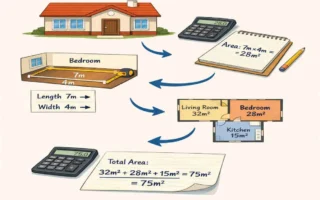
Do not guess. Measure the entire area carefully, including hallways, stairs, and transitions. Flooring mistakes often occur when budgets or quantities are based on rough estimates.

Think about daily use

A floor should fit your routine. If you have children, pets, or frequent guests, choose something strong and easy to maintain. If comfort matters most, consider warmth and softness, too.

Hire experienced installers

Even the best flooring can look poor if it is installed badly. Local experience matters, especially in places where heat, humidity, and surface conditions affect performance.

A skilled installer can help with:

  • Material selection
  • Subfloor preparation
  • Seam placement
  • Transition pieces
  • Long-term durability

Use planning tools

Simple design tools or floor plan apps can help you visualize how the final home will look. This is especially useful if you are comparing matching and mixed flooring ideas.

One quick FAQ-style answer

Should the flooring match throughout the house, including the stairs?

Often, yes for visual flow, but the exact answer depends on the stair material, safety, and design style. Some homes use matching treads and risers for continuity, while others use a contrasting stair detail for emphasis.

Comparing Your Options at a Glance

Here is a simple way to compare the two approaches.

FactorMatching FlooringMixed Flooring

Visual flow Very strong Depends on design skill

Room personality Lower Higher

Maintenance Easier Slightly more complex

Upfront cost Can be higher Can be lower

Best for open plans Excellent Sometimes less ideal

Best for small spaces Excellent Good if done carefully

Best for moisture-prone rooms Needs careful planning Often more practical

This table makes the choice easier. If you value calm, unity, and simplicity, matching may be the better route. If you value flexibility, room-by-room comfort, and creative expression, mixed flooring may fit you better.

How to Decide What Is Right for Your Home

You do not need to choose based only on trends. Your home should work for your daily life.

Choose matching flooring if you want:

  • A smooth, elegant look
  • Better flow in open spaces
  • A more spacious feeling
  • Easier cleaning
  • Strong resale appeal

Choose mixed flooring if you want:

  • More personality in each room
  • Better room-specific function
  • Lower cost in some cases
  • A more custom design feel
  • The freedom to use specialized materials where needed

Think about your long-term plans

If you are staying in the home for many years, comfort and practicality may matter most. If you are preparing to sell, a consistent, neutral look may increase appeal. If you are renovating on a budget, mixed flooring may help you spend more wisely.

The best answer is often a smart balance

Many homes do not need fully matching or fully mixed floors. They need a balanced plan. For example, you might keep the same flooring in the main living areas and then switch to a more suitable material in bathrooms, laundry rooms, or bedrooms.

FAQ: Should Flooring Match Throughout House?

Should flooring match throughout house?
Not always. Matching flooring creates a clean, unified look, but mixed flooring can work better when different rooms have different needs.

Is matching flooring better for open floor plans?
Yes, usually. In an open floor plan, the same flooring helps the space feel larger, smoother, and more connected.

Does matching flooring increase home value?
It often can. A consistent floor style may make a home feel more polished and appealing to buyers.

When is mixed flooring a better choice?
Mixed flooring is often better for bathrooms, kitchens, laundry rooms, and bedrooms when each space needs different durability or comfort.

What is the safest flooring choice if I want one floor throughout?
Luxury vinyl plank, porcelain tile, and engineered hardwood are popular choices because they balance style and durability.

Should flooring match throughout house with stairs?
Usually, the main floors should stay visually consistent, but stairs can sometimes use a slightly different finish for safety and design.

What is the easiest way to decide?
Ask yourself: Do you want flow, or do you want room-by-room personality?
If you want flow, match the flooring. If you want flexibility, mix it carefully.

You may also like...

Leave a Reply

Your email address will not be published. Required fields are marked *