If you have ever stood in your kitchen wondering whether you can swap out a faucet on your own or if that bigger bathroom project needs city approval, you are not alone. Many homeowners ask the same thing before they start drilling, cutting, or opening up pipes. The truth is simple: do I need a permit for home plumbing work? The answer depends on your project scope and location.
That is why this topic matters so much. A plumbing permit is not just a piece of paperwork. It helps protect your safety, your insurance coverage, and your home’s resale value. If the work touches pipes, drains, vents, water heaters, or sewer lines, the rules can change fast. A small repair may be fine without a permit, while a bigger project may need one before you touch a single pipe.
| Work type | Permit typically required? | Notes |
|---|---|---|
| Installing new water or drain lines | Yes | Covers new pipes or extending existing plumbing. |
| Adding or relocating fixtures (sink, shower, toilet) | Yes | When you move where pipes connect, not just swapping fixtures. |
| Sewer line replacement or repair | Yes | Counts as major system work; often requires inspection. |
| Water heater installation or upgrade | Yes | Especially if gas lines or new venting are involved. |
| Bathroom or kitchen remodel with plumbing changes | Yes | Any alteration to existing plumbing layout. |
What Counts as Plumbing Work?
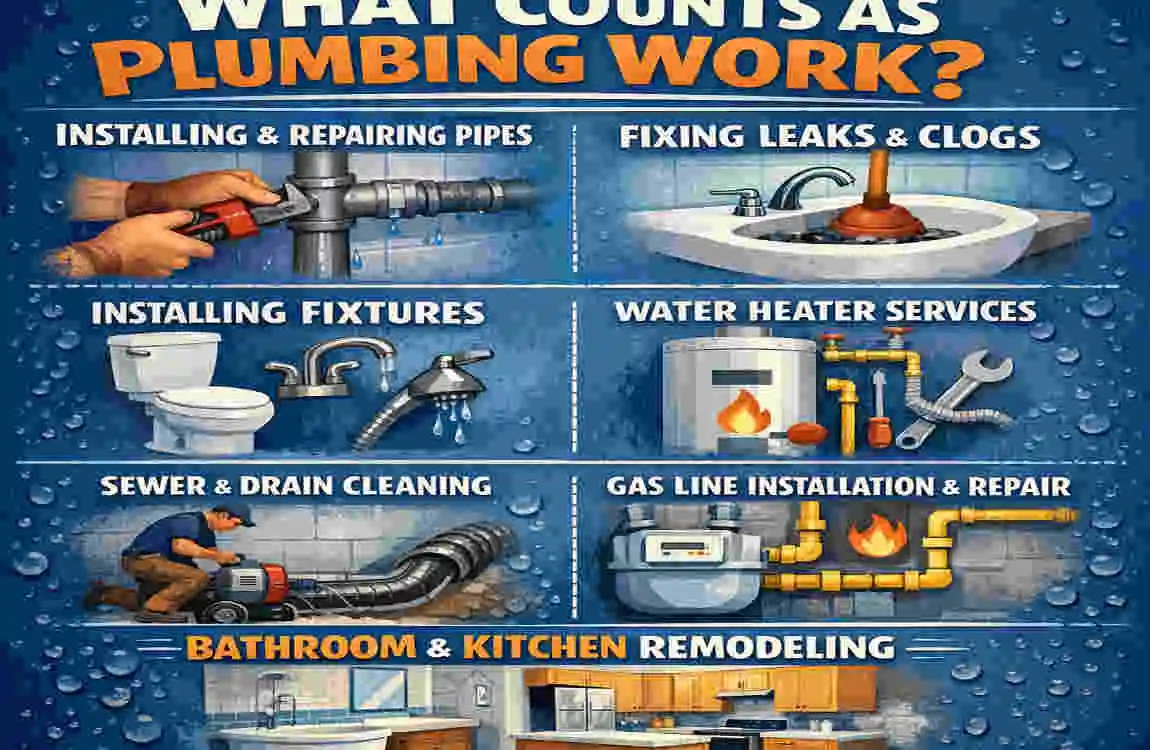
Plumbing work is more than just fixing a leaky faucet. In most building codes, plumbing includes the parts of your home that bring in clean water and carry wastewater away. That means pipes, fixtures, drains, vents, and water heaters all fall under the plumbing umbrella.
It helps to think of plumbing in three simple categories:
- Small fixture work: basic replacements and repairs
- Pipe and line work: anything that changes where water flows
- System work: bigger changes that affect your home’s water or waste system
The more your project changes the system’s structure, the more likely you are to need a permit. Simple updates often stay below the permit line. Still, once you start moving lines or adding new connections, the rules usually become stricter. Many homeowners ask, “do I need a permit for home plumbing work?” when the job starts to look bigger than a quick fix. That is a smart question to ask early.
Fixtures: The Small Jobs Homeowners Often Think About First
Fixtures are the visible parts you interact with every day. These include:
- Faucets
- Toilets
- Sinks
- Showerheads
- Tubs
- Garbage disposals
Replacing a fixture is often treated differently from changing the plumbing behind the wall. For example, swapping an old faucet for a new one may not need a permit if you are not changing the piping, drain layout, or venting. The same idea often applies to replacing a toilet in the same spot.
That said, even a “small” job can become a permit issue if it affects the plumbing system. If you replace a toilet and discover that the drain or vent needs to move, the project has changed. At that point, you may no longer be looking at a simple swap.
Pipes and Lines: Where Permits Become More Likely
Pipes and lines are where many permit questions begin. Once you install new supply lines, new drain lines, or move existing ones, you are usually doing more than routine maintenance.
This can include:
- New drain lines
- New water supply lines
- Relocating pipes for a remodel
- Adding plumbing for a new fixture
- Extending lines to another room or floor
These jobs matter because they affect how water moves through the house. A small mistake can lead to leaks, poor drainage, water pressure issues, or hidden damage inside walls and floors. That is why permits are often required for line work. In many places, the city wants to inspect this kind of work before the walls are closed up.
Systems: Bigger Plumbing Changes Need More Oversight
System-level work includes plumbing components that support the entire home. Common examples are:
- Water heater replacement or upgrade
- Sewer line repair or replacement
- Major drain work
- Backflow prevention changes
- Adding plumbing to a new bathroom or kitchen area
These projects can affect safety, sanitation, and long-term home performance. For example, a water heater needs to be installed correctly so it does not create a pressure or venting hazard. Sewer work also needs care because it affects waste removal and public health.
A good rule of thumb is this: if your work changes how the plumbing system functions, not just how it looks, a permit is more likely to be required.
Quick Reference Table
Type Examples Permit Typically Needed?
Fixtures Faucets, toilets Rarely for replacements
Pipes/Lines New drains, supply lines Yes, often
Systems Water heaters, sewers Yes, usually
This table is a helpful starting point, but it is not the final word. The exact answer still depends on your local rules and on how much the project changes the plumbing system.
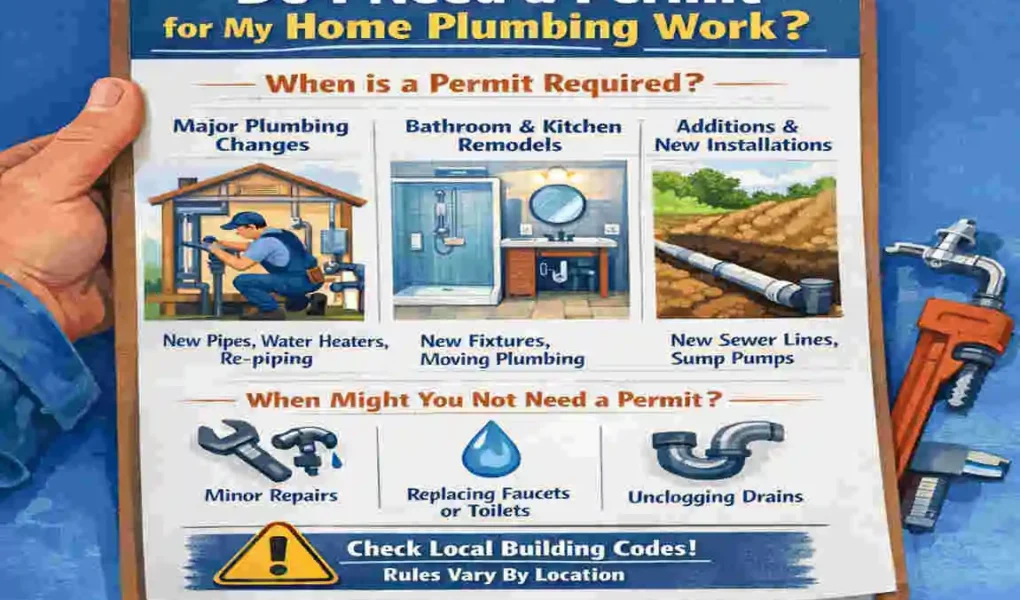
When Permits Are Required
Now that you know what counts as plumbing work, let’s talk about the situations that most often trigger a permit requirement. In general, permits are more likely when a project changes the layout, function, or size of the plumbing system.
New Installations Almost Always Raise Permit Questions
If you are adding something new, the city will usually want to know about it. That includes:
- A new sink in a basement bar
- A new shower in a bathroom addition
- A new toilet in a powder room
- A new dishwasher line
- A new water heater
Why does this matter? Because a new installation usually means new supply and drain connections. Those connections need to follow code so the system works safely and drains properly.
For example, a homeowner may think a shower is just one more fixture. But a new shower often needs a drain, trap, venting, and supply lines. That is a much bigger change than replacing an old showerhead.
Relocating Plumbing Usually Requires Approval
Moving plumbing is another common permit trigger. If you shift the location of a sink, toilet, washer, or tub, you are usually changing the hidden plumbing or electrical system inside the walls or floors.
This can happen during:
- Kitchen remodels
- Bathroom remodels
- Basement finishing
- Room additions
- Laundry room upgrades
Once the pipe locations change, inspectors often need to verify that the work follows code. That is especially true when the project affects the slope of drains, the pipe size, or the location of vents.
If you are rethinking your floor plan and moving plumbing around to fit the new layout, stop and ask the permit question early. It is much easier to get approval before work starts than after walls are closed.
Adding Fixtures in New Areas
Adding a fixture in a location where plumbing did not previously exist is one of the clearest signs that a permit may be needed. This is common when homeowners turn a basement into a living space or convert part of a garage or attic into usable rooms.
You may need a permit when adding:
- A bathroom in the basement
- A wet bar in the family room
- A second sink in a laundry area
- A utility tub in a garage or workshop
The reason is simple. New fixtures are not only about the fixture itself. They usually require structural changes, new connections, and proper drainage. Those details matter for safety and code compliance.
Water Heater Upgrades Are Often Permitted Work
A water heater replacement may sound routine, but it often needs a permit. That is because water heaters connect to plumbing and, in some cases, to gas or electrical systems. Even if you are just replacing one unit with another, the installation may still need inspection.
This is especially true if:
- The size of the heater changes
- The type of heater changes
- The venting setup changes
- The location changes
- The pressure relief setup changes
A bad water heater installation can create serious problems, including leaks, pressure issues, or unsafe venting. That is why many local codes take this work seriously.
Sewer and Drain Changes Are Usually Not “Small” Projects
Sewer work is another major category. If the line leaves your home, connects to the municipal system, or needs to be replaced, a permit is often required.
You should expect permit review when:
- The sewer line is replaced
- A drain collapses and needs new piping
- You are connecting to a septic system
- Tree root damage requires major repair
- Drain routes are being changed
These projects can affect more than your home. They can affect the public system too. That is one reason local authorities want to review them.
A Simple Answer for a Common Question
A lot of homeowners ask, “Do I need a permit for home plumbing work like a new shower?” In most cases, yes, you usually do. A new shower is not just a fixture swap. It often involves new drains, supply lines, and venting, which means the work usually reaches permit territory.
Remember the Local Rule
One thing matters above all: local variation. A project that needs a permit in one town may be treated differently in another. That is why the best habit is to ask before you begin, not after.
State and Local Variations Matter More Than Most People Realize
There is no single national rule that covers every plumbing project in every city. Local or state authorities usually handle plumbing permits, so the answer depends on where you live.
This is why a homeowner in one county may need approval for a bathroom remodel while another homeowner in a nearby city does not. The work may be similar, but the rules can still differ.
Why Local Rules Change So Much
Plumbing codes are shaped by many things, including:
- Climate
- Water supply systems
- Sewer systems
- Local building standards
- City inspection policies
- State licensing rules
Some places let homeowners pull permits directly for work in their own homes. Others require licensed contractors to do the work. Some areas handle permit review at the city level, while others depend on county or state offices.
That is why people often search, “do I need a permit for home plumbing work [your city]” before they start. That search is not just smart—it is necessary.
State Examples
The table below shows how different rules can look in different states. These are examples of how permit authority can vary, not a universal rule for every single county or city.
State License/Permit Rule Authority
Nebraska Often handled by local boards City/County
Pennsylvania No statewide rule in many cases Local Departments
Michigan Homeowner or contractor may apply for certain work State and local channels
Mississippi Local rules may apply under certain project thresholds Jurisdictions
What the AHJ Means and Why You Should Care
You may hear the term AHJ, which stands for Authority Having Jurisdiction. That is the office or department that decides how your project is handled. It might be a city building department, a county office, or a state agency.
Think of the AHJ as the final stop for your permit question. If you are not sure who controls the rules where you live, ask the local building department. They can usually tell you:
- Whether your project needs a permit
- What forms you need
- Whether a licensed plumber is required
- How inspections are scheduled
Homeowners in Lahore and Other Non-U.S. Locations
If you are reading this from Lahore or another city outside the U.S., do not assume U.S. permit rules apply to you. Local housing authorities, municipal bodies, or development offices may use different terms and processes. Some places focus on approvals, inspections, or contractor registration instead of the same permit structure used in American cities.
So the best advice is always the same: check with the local authority before the work starts.
The Safest Search Phrase to Use
If you want a fast answer, use a search like:
“do I need a permit for home plumbing work in [your city]?”
That simple search often brings up the exact local office or code page you need.
DIY vs. Professional Rules
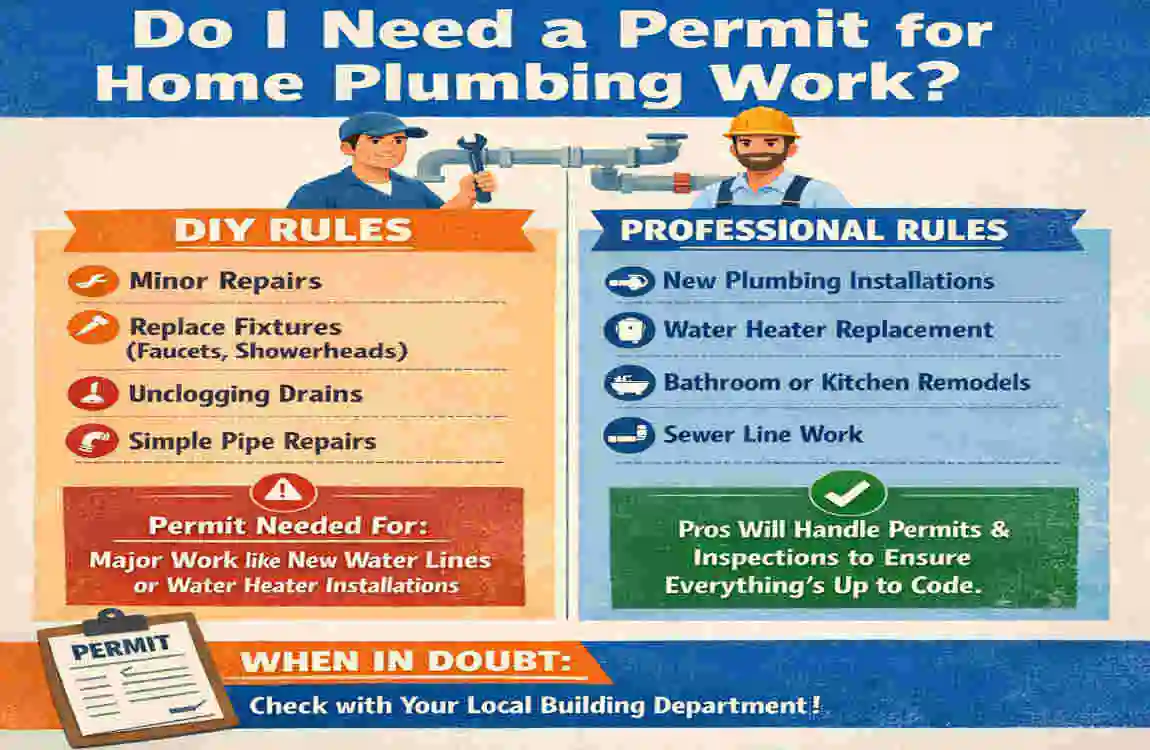
Many homeowners like the idea of doing the work themselves. That can save money, and for small jobs, it may be practical. But plumbing is one area where DIY limits matter a lot.
Homeowners Can Often Do Some Work on Their Own
In many places, homeowners are allowed to do minor plumbing work in their own primary residence. This may include simple repairs or replacements, provided the work does not create a major system change.
Examples might include:
- Replacing a faucet
- Replacing a showerhead
- Swapping a toilet in the same location
- Fixing a minor leak
- Replacing a valve
Even then, you still need to be careful. A job that seems small can become larger once the wall is opened or the pipe condition is exposed.
Major Work Usually Needs Inspection
If the project is more than a small fix, the rules often change. Homeowners may still be allowed to pull the permit in some places, but they usually need to have the work inspected.
That inspection helps confirm that the job was done correctly and safely. It can cover things like:
- Pipe sizing
- Proper slope on drains
- Safe venting
- Leak-free joints
- Approved materials
- Correct fixture placement
If you are not confident in the work, it is often better to hire a professional. That way you avoid mistakes that can become expensive later.
Professional Plumbers Bring More Than Tools
A licensed plumber does more than turn wrenches. A good pro understands code, permits, inspections, and the little details that keep a plumbing system working well.
Licensed professionals usually know how to:
- Pull the correct permit
- Submit the right documents
- Schedule inspections
- Meet code requirements
- Fix problems before they become failures
That is one reason many homeowners choose to hire help rather than manage the permit process on their own.
Pros Must Follow Licensing Rules
Professional plumbers usually need to follow stricter rules than homeowners. In many areas, they must:
- Hold a valid license
- Register with the local authority
- Supervise the work properly
- Keep permit records
- Arrange inspections as required
This protects the homeowner and the community. When plumbers follow the rules, the odds of hidden problems go down.
What Happens If You Skip the Permit?
Skipping the permit can cause several problems:
- Fines
- Failed inspections
- Delays when selling the home
- Insurance problems
- Required rework
- Safety risks
If a hidden issue shows up later, you may end up paying more to fix the problem than you would have spent on the permit in the first place.
This is why many homeowners choose to hire licensed pros to handle permits seamlessly. It removes much of the guesswork and keeps the project moving.
How to Get a Plumbing Permit
If your project needs a permit, do not worry. The process is usually more manageable than people expect. The key is to start early and follow the steps in order.
Check the Local Building Department
Start with the city, county, or state building department website. Look for the plumbing permit section or call the office directly. Ask these questions:
- Does my project need a permit?
- Can I apply as a homeowner?
- Do I need a licensed plumber?
- What forms are required?
- What inspections will be needed?
This first step saves time because it tells you exactly what the office expects.
Gather Plans and Basic Project Details
For simple jobs, you may only need a short form and a fee. For larger jobs, you may need a basic drawing or a full set of plans.
You may be asked to show:
- Where the plumbing is going
- Which fixtures are being added or moved
- Pipe sizes
- Water heater details
- Drain and vent layout
- Contractor license information, if needed
The more organized you are, the smoother the process usually goes.
Submit the Permit Application and Pay the Fee
Once your documents are ready, submit the permit application and pay the fee. Permit fees vary, but many projects fall into a moderate range depending on size and location.
Some offices let you apply online. Others still use paper forms or in-person filing. If your project is urgent, ask how long approvals usually take.
Wait for Approval Before Starting Work
This is important: do not start work before you have approval, unless the local office clearly says you can begin after submission. Starting too early can create problems if the permit is denied or changed.
Once approved, post the permit if required and keep a copy on site. That way the inspector can review it when they visit.
Schedule Inspections at the Right Time
Most plumbing permits involve one or more inspections. Common inspection points include:
- Rough-in inspection: before walls are closed
- Final inspection: after the work is finished
- Special inspection: for certain systems or larger projects
The rough-in stage is especially important because it lets the inspector see the hidden work before drywall, tile, or flooring covers it.
Typical Timeline
Most permit jobs are not instant. A simple permit may be approved quickly, while a larger remodel can take longer.
A common timeline looks like this:
- Application review: a few days to a couple of weeks
- Permit approval: about 1 to 4 weeks in many cases
- Inspection scheduling: depends on local availability
- Final closeout: after all inspections pass
The exact time depends on your city, your project size, and whether your paperwork is complete.
A Good Rule for Planning Ahead
If you are asking, “do I need a permit for home plumbing work?”, ask it early. That one question can save you from project delays later. If a permit is needed, apply before you buy supplies or tear into the wall.
Costs and Consequences
A permit may feel like an extra expense, but it is usually far cheaper than dealing with problems later.
Typical Cost Breakdown
Item Average Cost
Permit Fee $100-300
Inspection $50-150
Fines for No Permit $500+
These numbers can vary a lot by location and project size. A simple repair may cost very little to permit. A full bathroom remodel or sewer replacement may cost more.
Why the Cost Is Usually Worth It
The permit fee buys more than a paper record. It also helps with:
- Safety
- Code compliance
- Insurance support
- Resale documentation
- Peace of mind
If you ever sell your home, buyers may ask whether the work was permitted and inspected. If the answer is no, that can slow the sale or lead to repair demands.
The Real Risk Is Not Just the Fine
Many homeowners focus on the fine, but that is not the only issue. The bigger problem can be what the permit helps prevent.
For example, plumbing permits help verify:
- Proper venting
- Safe water heating setup
- Correct drain slope
- Backflow prevention
- Leak-free connections
Those details keep your home healthier and safer over time. A hidden plumbing mistake can damage walls, floors, cabinets, and even the foundation if the leak continues long enough.
Insurance and Code Violations
If a problem arises later and your insurer learns the work was done without permits, claims can get messy. Some policies may deny part of a claim, delay payment, or require additional proof.
Code violations can also create trouble when city inspectors or buyers discover them later. You may be forced to reopen walls, fix the issue, and pay for another inspection. That is why skipping the permit is often a false shortcut.
Common Myths Busted
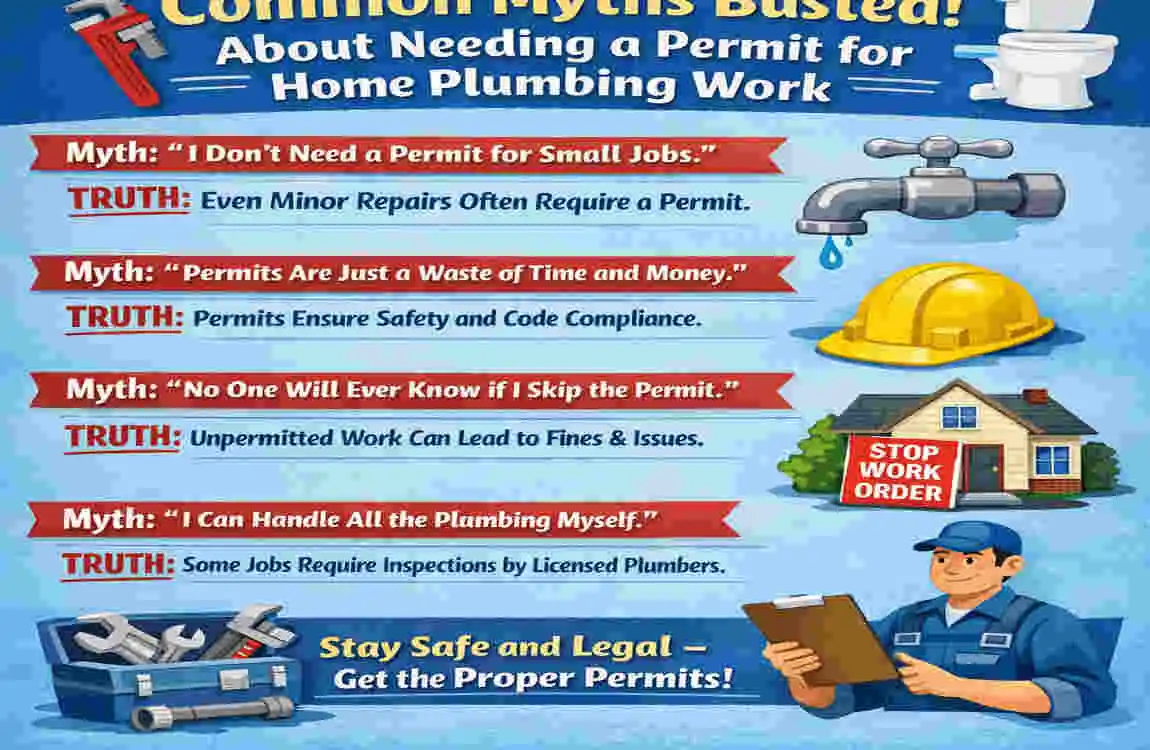
Plumbing permit rules confuse many people because the myths sound believable. Let’s clear up a few of the biggest ones.
Replacing a Toilet Never Needs a Permit
That is not always true. A simple toilet replacement in the same location may be fine in many places. Still, the answer may change if you alter the venting or drain layout, or move the fixture. So if the work is more than a straight swap, a permit may be needed.
DIY Means Permit-Free
This is another common mistake. Just because you are doing the work yourself does not mean the project is exempt. If the work is structural, changes pipe routes, or involves a major system update, you may still need a permit.
Small Jobs Are Always Safe to Skip
A job may look small, but it can still have serious code implications. A new shower, a new sink line, or a water heater change can create permit issues even if the visible work looks simple.
If No One Sees It, It Does Not Matter
Hidden plumbing work is still plumbing work. In fact, hidden mistakes are often the most expensive ones because they stay buried until the damage is already done.
When people ask, “Do I need a permit for home plumbing work?”, these myths often confuse the issue. The easiest way to stay safe is to check the local rules before the project begins.
FAQs
Do I need a permit for home plumbing work on a faucet?
Usually no, if you are just replacing a faucet and you are not changing the piping or moving anything.
Do I need a permit for a new bathroom?
Usually yes. A new bathroom almost always needs new plumbing connections and inspections.
Do I need a permit for a new shower?
Usually yes. A shower often affects drains, venting, and water supply lines.
Can I pull a plumbing permit as a homeowner?
Often, yes, for your primary home, but local rules vary. Some places allow it, while others require a licensed plumber.
Do I need a permit for a water heater replacement?
Often yes. Water heaters are commonly inspected because of safety and venting concerns.
What happens if I skip the permit?
You may face fines, inspection issues, insurance problems, and additional repair costs later.
How do I know for sure?
Check with your local building department or ask a licensed plumber who knows the rules in your area.