A single hot room can make your whole house feel uncomfortable during summer. You may have cool air in one part of the home and a stuffy, sweaty room in another. That uneven temperature can be frustrating, especially when you want to relax or sleep.
| Problem / Goal | What to Do (Quick Fix) |
|---|---|
| Room too hot in daytime | Close windows and pull curtains/blinds during the hottest hours to block sun heat. |
| Stale, stuffy air | Open windows on opposite sides at night or cooler times to create a cross‑breeze. |
| Poor airflow in the room | Use ceiling or standing fans to circulate air; point them near windows for more cooling. |
| Heat from sunlight through glass | Apply reflective window film or light‑colored shades/blinds on sunny‑side windows. |
| Extra heat from appliances | Turn off or move electronics, lamps, and devices away from the bed or main seating area. |
| Underlying insulation issue | Add weather‑stripping around doors/windows and check insulation in walls/ceiling if the room is consistently hotter than others. |
There are a few common reasons this happens. Sometimes it is poor airflow, direct sunlight, weak insulation, or even HVAC problems. In other cases, the room may retain more heat due to electronics, appliances, or its location in the house.
Why Is One Room in Your House So Hot?

Poor Airflow and Ventilation
When cool air cannot move freely, one room can stay warmer than the rest of the house. Blocked vents, closed dampers, or weak return airflow are often the cause of this problem. If the air isn’t circulating well, the room never gets the same level of cooling as other spaces.
Direct Sunlight Exposure
Rooms that face the south or west often get more sun during the hottest part of the day. That sunlight passing through the windows heats the room quickly. Even a well-cooled home can feel uncomfortable if one room gets full afternoon sun.
Inadequate Insulation
If the attic or walls lack sufficient insulation, heat can pass through more easily. This is especially common in upstairs rooms. The result is a room that feels much hotter, even when the AC is running.
HVAC System Imbalance
Sometimes the problem isn’t the room itself, but how your HVAC system is working. A system that is too small, old, or poorly balanced may not push enough cool air into certain areas. Long duct runs can also weaken airflow.
Electronics and Appliances Producing Heat
TVs, gaming computers, lamps, and other devices give off heat while running. In a small room, that extra heat builds up quickly. Even a few devices can make the space feel warmer than you expect.
How to Fix a Hot Room in a House Quickly
Open and Clean Air Vents
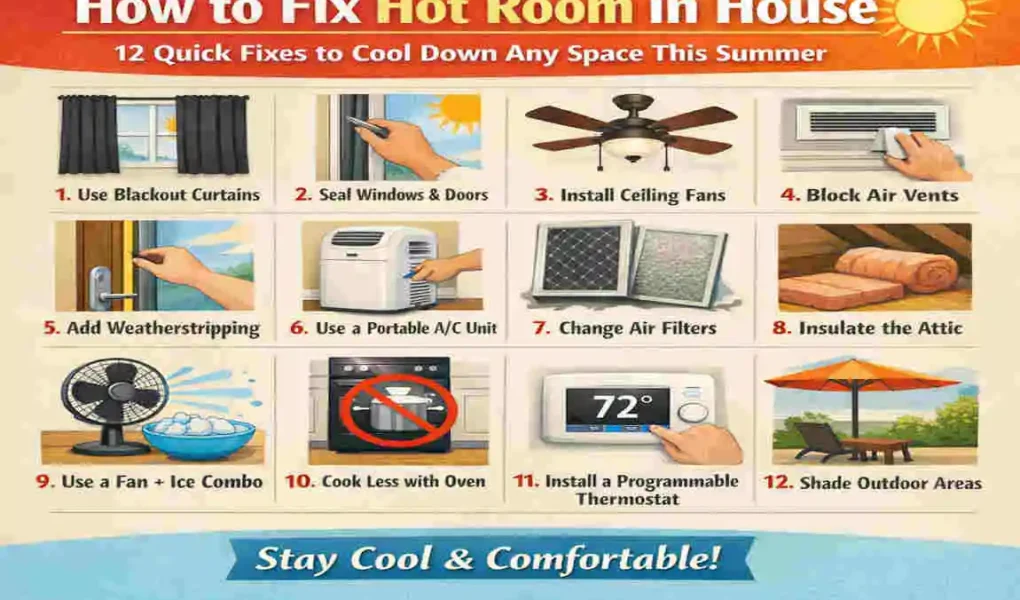
Start with the basics. Make sure furniture, rugs, or curtains are not blocking the vents. Dust and debris can also reduce airflow, so vacuum around the vent covers regularly.
Check the dampers too. If they are closed or partly closed, the room may not be getting enough cool air.
Quick tip: Use an airflow deflector if the air is blowing in the wrong direction. It can help spread cool air more evenly.
Replace Dirty HVAC Air Filters
A dirty filter slows down airflow and makes your HVAC system work harder. That can leave one room warmer than the rest.
Most homes should replace filters every 1 to 3 months, depending on use, pets, and dust levels. If you want better airflow, choose a filter that balances efficiency with easy air movement.
Use Blackout Curtains or Thermal Drapes
Sunlight can turn a room into an oven during the day. Blackout curtains or thermal drapes help block heat from entering the room.
Choose thick, light-blocking fabric for the best results. Closing them during the hottest part of the day can make the room feel cooler right away.
Seal Air Leaks Around Windows and Doors
Small gaps around windows and doors let hot air in and cool air out. You may notice drafts, whistling sounds, or uneven temperatures near the edges of the room.
Use weatherstripping for doors and caulk for small cracks around windows. This is one of the cheapest ways to improve comfort and lower energy waste.
Adjust Ceiling Fans Correctly
Ceiling fans should spin counterclockwise in summer. That pushes air downward, creating a cooling breeze on your skin.
Set the fan to a medium or high speed if the room feels still. The fan does not lower the room temperature, but it makes the space feel much more comfortable.
Add Portable or Window AC Units
If one room stays hot no matter what, a supplemental AC unit can make a big difference. This is a smart choice for bedrooms, offices, or bonus rooms that need extra cooling.
Portable AC Pros and Cons
- Pros: Easy to move, good for renters, no major installation
- Cons: Usually less efficient, can take up floor space, may be noisier
Window Unit Pros and Cons
- Pros: Often cools better, usually more efficient than portable units
- Cons: Needs window access, may block part of the view, and more setup work
Improve Attic Insulation
Upstairs rooms often get hotter because heat builds up in the attic and moves downward. If your attic has weak insulation, that heat transfer can become a big problem.
Adding more insulation helps stop heat from entering the living space. Common options include spray foam, fiberglass batts, and blown-in insulation. The right choice depends on your attic and budget.
install a Smart Thermostat
A smart thermostat helps you manage cooling more carefully. It can improve comfort by adjusting temperatures based on when you are home and which areas need cooling.
Suppose your home supports zoning, even better. That means you can cool specific parts of the house instead of wasting energy on every room.
Use Fans to Improve Air Circulation
Fans are simple, but they work well when used correctly. Box fans and tower fans can move air through a hot room, making it feel less stuffy.
A good setup is to place one fan near a window to pull in cooler evening air or push out hot air. This helps create cross-ventilation, which keeps air moving.
Check Ductwork for Leaks
Leaky ducts can send cool air into the attic or crawl space rather than into the room. That means less cooling where you need it most.
Signs of duct problems include weak airflow, dusty rooms, or rooms that never cool properly. If you suspect duct leaks, call a professional. This is one of those problems that often needs expert repair.
Reduce Heat-Producing Appliances
Small changes can make a big difference. Switch old bulbs to LED lights, since they produce much less heat. Try to avoid running the oven during the hottest part of the day.
Also, unplug electronics when you are not using them. Devices that remain on standby still generate some heat.
Consider a Mini-Split System
If one room stays hot all summer and nothing else works, a mini-split may be the best solution. It provides targeted cooling to a single space without relying on your main HVAC system.
Cost Range
Mini-splits usually cost more than simple DIY fixes, but they can be worth it for rooms that need constant cooling.
Long-Term Benefits
- Better comfort in problem rooms
- More energy-efficient than running a larger system all day
- Quiet operation and strong temperature control
Best DIY Fixes vs. Professional Solutions

DIY Fixes Professional Solutions
Cleaning vents , Duct repair
Installing blackout curtains , Mini-split installation
Replacing filters , HVAC balancing
Using fans , attic insulation upgrades
When DIY Is Enough
DIY fixes work well when the room is only a little warmer than the rest of the house. If the problem is mild, start with airflow, curtains, fans, and filters.
When to Call an HVAC Professional
Call a professional if one room is 5–10°F hotter than the rest of the house, airflow is weak everywhere, or your AC system is old and struggling.
How to Prevent a Hot Room in the Future
Schedule Regular HVAC Maintenance
Seasonal tune-ups help catch airflow and performance problems early. A well-maintained system usually cools more evenly.
Upgrade Insulation Over Time
Better insulation helps keep heat out in summer and saves energy all year. It is a long-term improvement that pays off in comfort.
Use Smart Home Cooling Strategies
Smart blinds, smart thermostats, and zoned cooling can help you control heat before it builds up. Small upgrades can add up fast.
Monitor Indoor Humidity
High humidity makes a room feel hotter than it really is. Keeping moisture under control helps your home feel cooler and more comfortable.
Common Mistakes Homeowners Make
Closing Too Many Vents
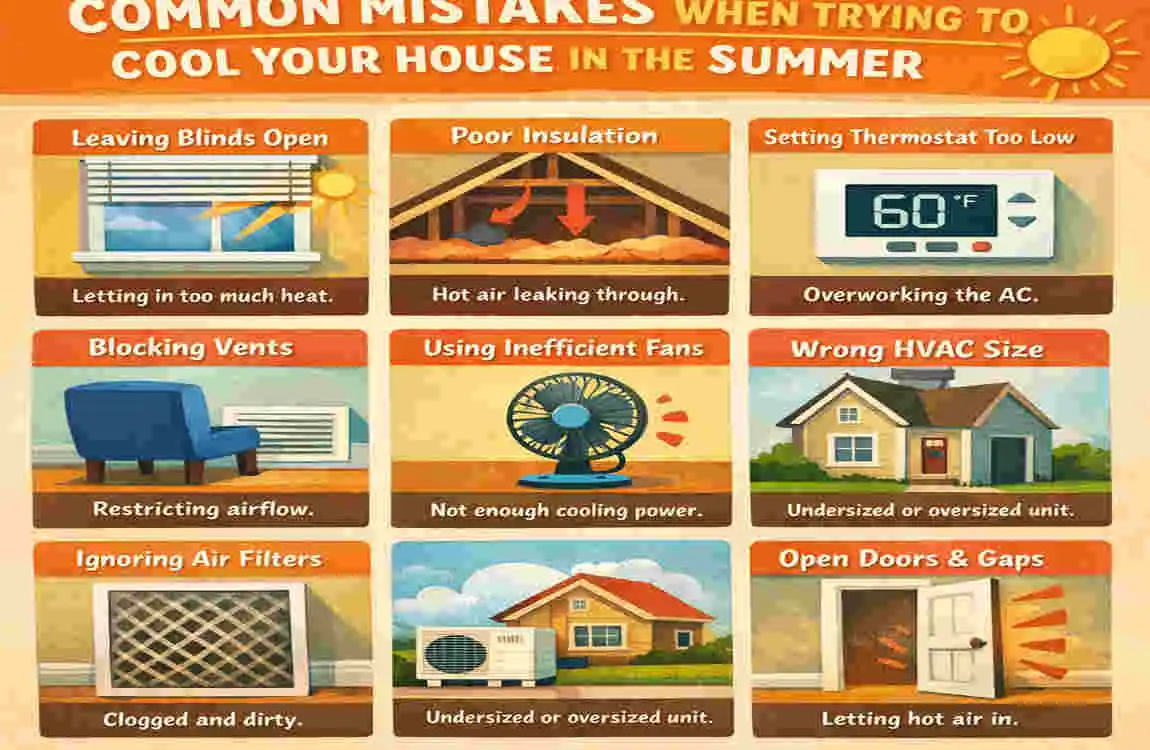
It may seem like closing vents in unused rooms would send more air to the hot room, but it often causes pressure problems in the HVAC system.
Ignoring Attic Heat
If your attic is hot, your upstairs rooms will usually be hot too. This is one of the most common causes of summer discomfort.
Choosing the Wrong AC Size
An AC that is too small will struggle to cool the room. One that is too large may cool too fast without removing enough humidity.
Forgetting Air Return Vents
Return vents matter just as much as supply vents. Without balanced airflow, your cooling system cannot work properly.
Frequently Asked Questions
Why is one room hotter than the rest of my house?
Usually, it comes down to airflow, insulation, or sunlight. A room can also stay hot if your HVAC system isn’t sending enough air to it.
How do I cool down a room fast?
Close curtains, turn on a fan, and use a portable AC if you have one. These are the fastest ways to lower the feeling of heat.
Can a dirty air filter make one room hot?
Yes. A clogged filter blocks airflow, which can make some rooms cooler than others and reduce overall system performance.
Does closing vents in unused rooms help?
Usually not. It often creates pressure issues and can make your HVAC system less efficient.
What is the cheapest way to fix a hot room?
Start with curtains, fans, and sealing air leaks. These are affordable and often very effective.
Is a mini-split worth it for one hot room?
Yes, if the room stays hot all the time and other fixes do not work. It can be a strong long-term solution.
How much does it cost to fix a hot room in a house?
Simple DIY fixes may cost very little. Professional help, like duct repair or insulation work, can cost more but may solve the problem for good.