If you are planning to buy, build, sell, or renovate a home, one of the first things you need to know is the total square meters. This helps you understand the actual size of the house and plan your budget more effectively.
So, how do you calculate the square meters of a house?
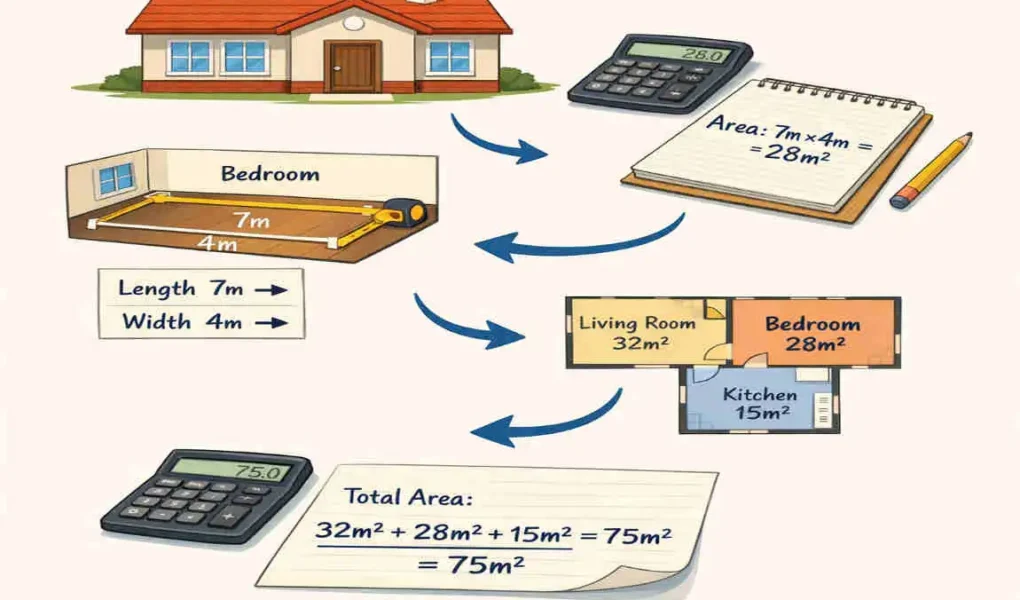
The answer is simple: measure the length and width in meters, then multiply them together. After that, add the area of each room to get the total house size.
This method is useful for property valuation, flooring, painting, renovation planning, and construction budgeting. Once you understand the basic formula, you can measure any home with confidence.
What Is a Square Meter in House Measurement?
Understanding Square Meters (m²)
A square meter is a unit used to measure area. It tells you how much flat space something covers.
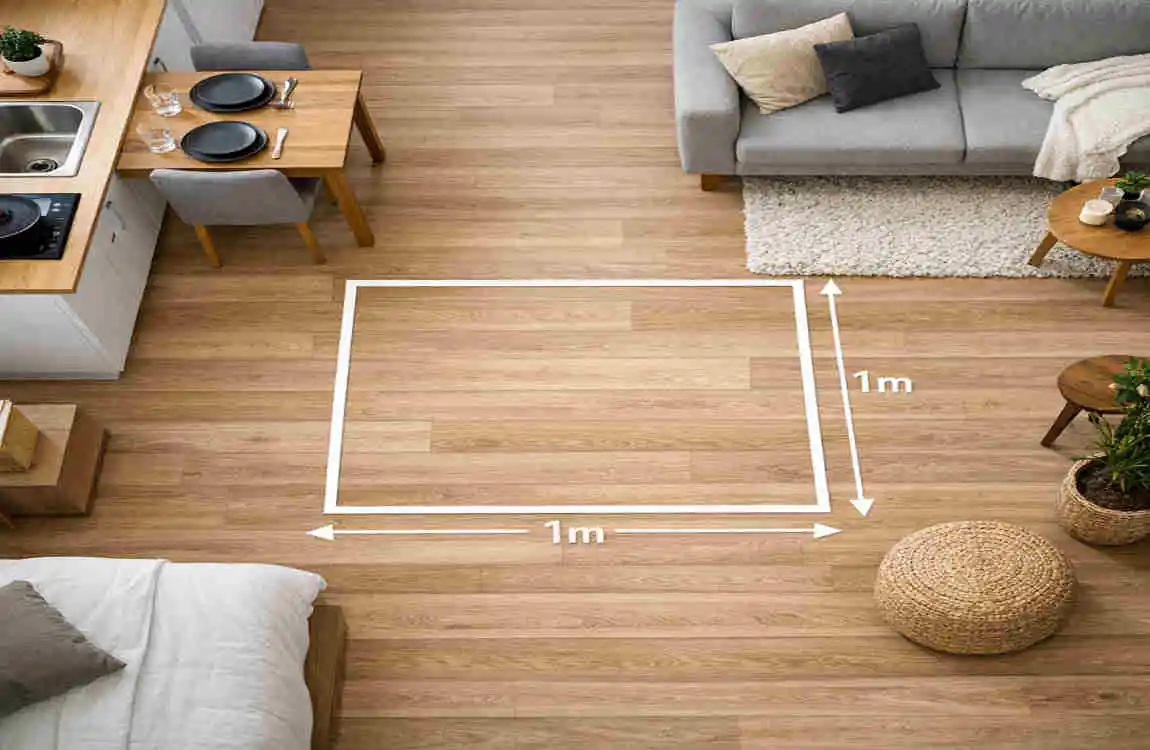
One square meter means a square with all sides measuring 1 meter. This is different from just measuring length.
- Meters measure distance
- Square meters measure area
That difference matters a lot when you want to understand house size.
Why Square Meter Calculation Matters for Homes
Square meter measurement helps you know:
- Total living space
- Construction cost
- Property value
- Material requirements
If you are working on a home project, this number helps you plan more accurately and avoid waste.
How Do You Calculate Square Meters of a House?
Basic Square Meter Formula
The formula is very easy:
Square Meters = Length (meters) × Width (meters)
For example, if a room is 5 meters long and 4 meters wide, then:
5 × 4 = 20 m²
So, the room size is 20 square meters.
Step-by-Step Guide to Calculate House Square Meters
Create a Floor Plan or Sketch
Start with a simple drawing of the house.
Break the home into parts like:
- Bedrooms
- Kitchen
- Bathrooms
- Living room
- Hallways
- Garage
This makes the calculation much easier.
Measure Each Room’s Dimensions
Now measure each room carefully.
Use a measuring tape or laser measure and record:
- Length
- Width
Measure from wall to wall. If a room is uneven, note each section separately.
Multiply Length by Width
Use the formula for each room.
RoomLengthWidthArea
Bedroom 4m 3m 12 m²
Kitchen 5m 3m 15 m²
Living Room 6m 4m 24 m²
Add All Room Areas Together
After finding each room’s area, add them all.
For example:
- Bedroom = 12 m²
- Kitchen = 15 m²
- Living Room = 24 m²
12 + 15 + 24 = 51 m²
So, the total area of the house is 51 square meters.
How to Calculate Square Meters of an Irregular-Shaped House
Divide the House Into Smaller Shapes
If your house is not a simple rectangle, break it into smaller shapes like:
- Rectangles
- Squares
- Triangles
Calculate Each Section Separately
Use the right formula for each part:
- Rectangle: Length × Width
- Triangle: (Base × Height) ÷ 2
Add All Sections Together
Once you calculate each section, add them.
This works well for L-shaped homes, extensions, and open-plan layouts.
How to Calculate Square Meters of a Two-Story House
Measure Each Floor Separately
For a two-story home, calculate the area of each floor on its own.
Add Both Floors Together
FloorArea
First Floor 100 m²
Second Floor 80 m²
Total House Size 180 m²
Include Only Usable Living Areas
Usually, you include:
- Bedrooms
- Living areas
- Kitchens
- Bathrooms
- Hallways
You usually exclude:
- Outdoor areas
- Gardens
- External walls
How to Calculate Square Meters From House Dimensions
Using Overall House Measurements
If the whole house is a simple shape, use the outer dimensions.
For example:
- Length = 12 meters
- Width = 10 meters
12 × 10 = 120 m²
Measuring Houses With Multiple Sections
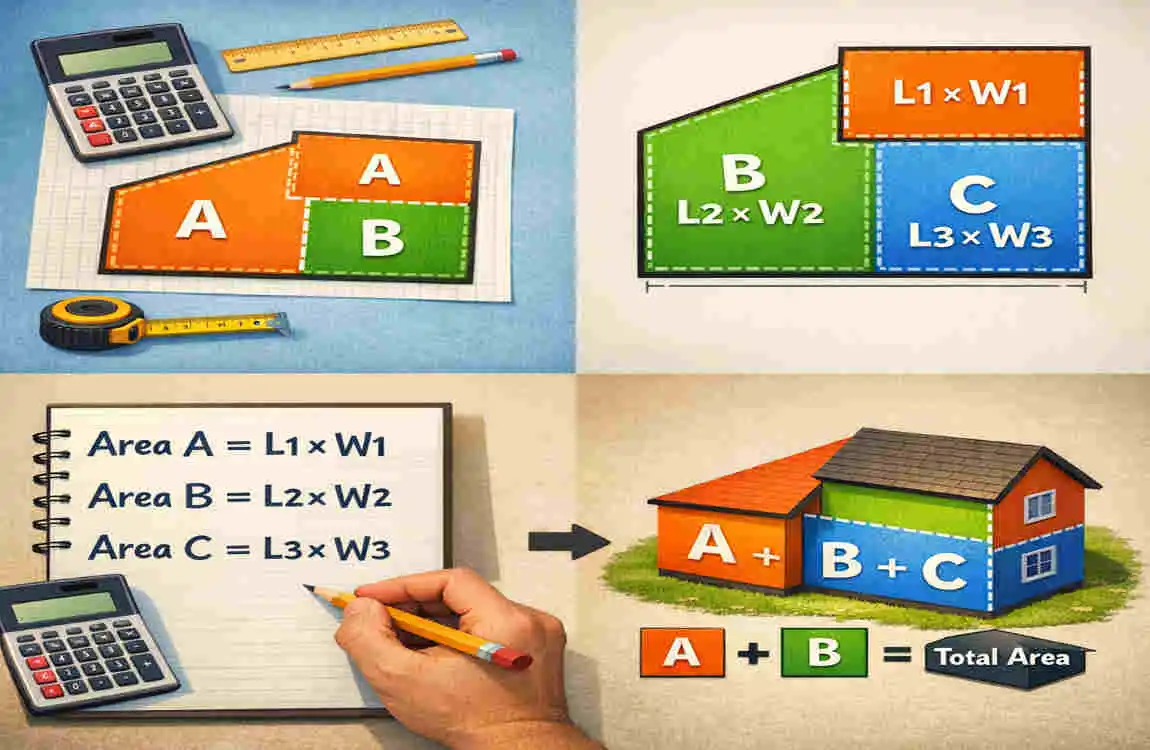
If the home has extra sections, measure each one separately and then add them together.
This is important for:
- L-shaped houses
- Attached rooms
- Extensions
- Open floor plans
Common Mistakes When Calculating House Square Meters
Forgetting to Convert Measurements
Always use the same unit.
If you measure in centimetres, convert them to meters first.
For example:
- 500 cm = 5 meters
Including Outdoor Areas Incorrectly
Do not mix up:
- Living area
- Total property area
Only count the space inside the house if you want the indoor size.
Incorrect Measurements
Measure carefully.
A small mistake can change the total area, so it helps to:
- Measure twice
- Check corners
- Write everything down
Square Meter Calculation Examples for Different House Sizes
Small House Example
A house measuring 8m × 10m:
8 × 10 = 80 m²
Medium House Example
A house measuring 12m × 15m:
12 × 15 = 180 m²
Large House Example
A house measuring 20m × 15m:
20 × 15 = 300 m²
These examples make it easier to quickly estimate home size.
Tools You Can Use to Measure Square Meters
Traditional Measuring Tools
You can use:
- Measuring tape
- Calculator
- Notebook
Modern Measuring Tools
You can also use:
- Laser distance meters
- Smartphone measurement apps
- Digital floor plan tools
These tools make the process faster and more accurate.
Difference Between Square Meters and Square Feet
Understanding the Conversion
This is useful if you see home sizes in different units.
1 square meter = 10.764 square feet
For example:
100 m² × 10.764 = 1,076.4 sq ft
Why Conversion Is Useful
Conversion helps when you are:
- Comparing property listings
- Planning construction
- Checking house sizes in different countries
How Square Meter Calculations Help in Home Projects
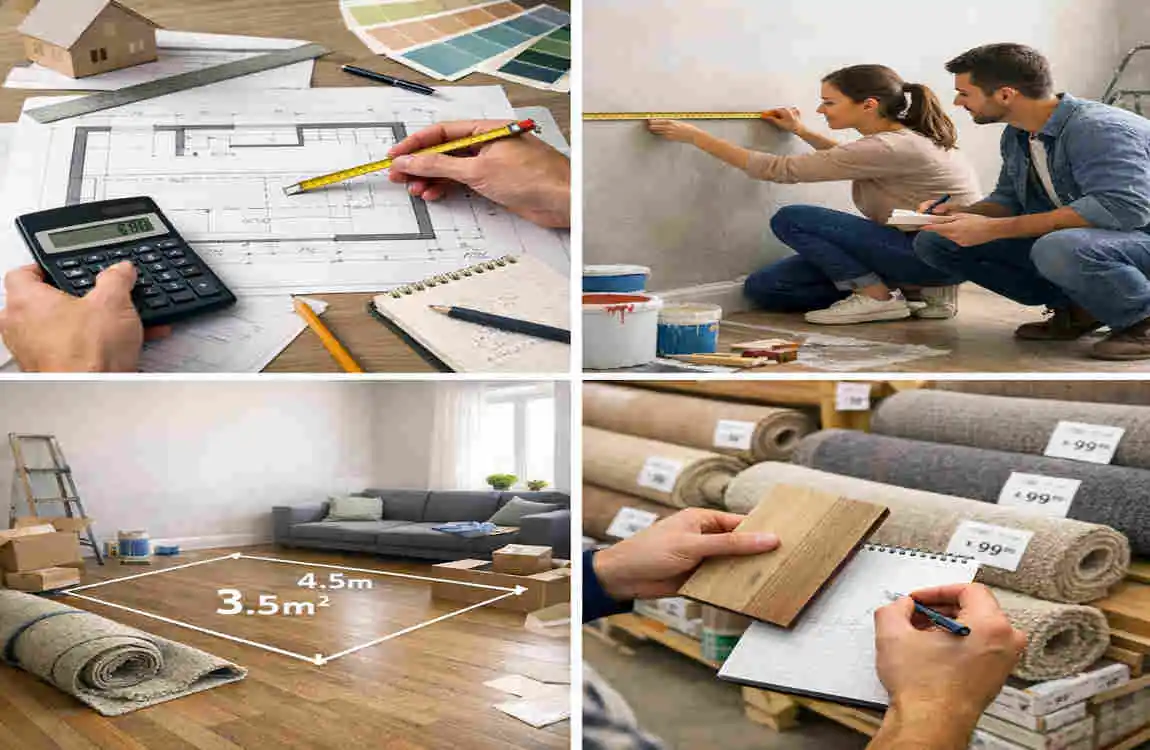
Flooring Installation
If you know the area, you can estimate how much flooring material you need.
Painting Projects
You can also estimate wall and ceiling coverage more accurately.
Renovation Planning
Square meter calculations help you plan remodelling costs and compare contractor quotes.
Professional Tips for Accurate House Area Measurement
- Use the same unit for all measurements
- Measure each room separately
- Keep a clear record
- Include fixed spaces correctly
- Double-check your final calculation
These small steps help you avoid costly mistakes.
Frequently Asked Questions
How do you calculate square meters of a house?
Measure the length and width of each room in meters, multiply them, and add the areas of all the rooms.
What is the formula for calculating square meters?
Length × Width = Square Meters
How many square meters is a 10×10 room?
10 × 10 = 100 m²
Do I include bathrooms and hallways when calculating the area of a house?
Yes, bathrooms and hallways are usually included in the total indoor living area.
How do I calculate square meters of an irregular house?
Break the house into smaller shapes, calculate each area separately, and add them together.
Can I calculate square meters without a floor plan?
Yes. You can measure each room manually and calculate the total area room by room.
| Step | Method | Explanation |
|---|---|---|
| Measure Length & Width | Use a measuring tape | Measure each room’s length and width in meters. |
| Calculate Room Area | Length × Width | Multiply the length by the width to find the square meters of each room. |