In an unpredictable world, home security has become more essential than ever. Every year, millions of households fall victim to burglaries, break-ins, and other security breaches. In fact, the FBI reports that a burglary occurs every 25.7 seconds in the United States, underscoring the urgent need for robust home security measures.
Understanding the Basics of Home security Alarm Systems
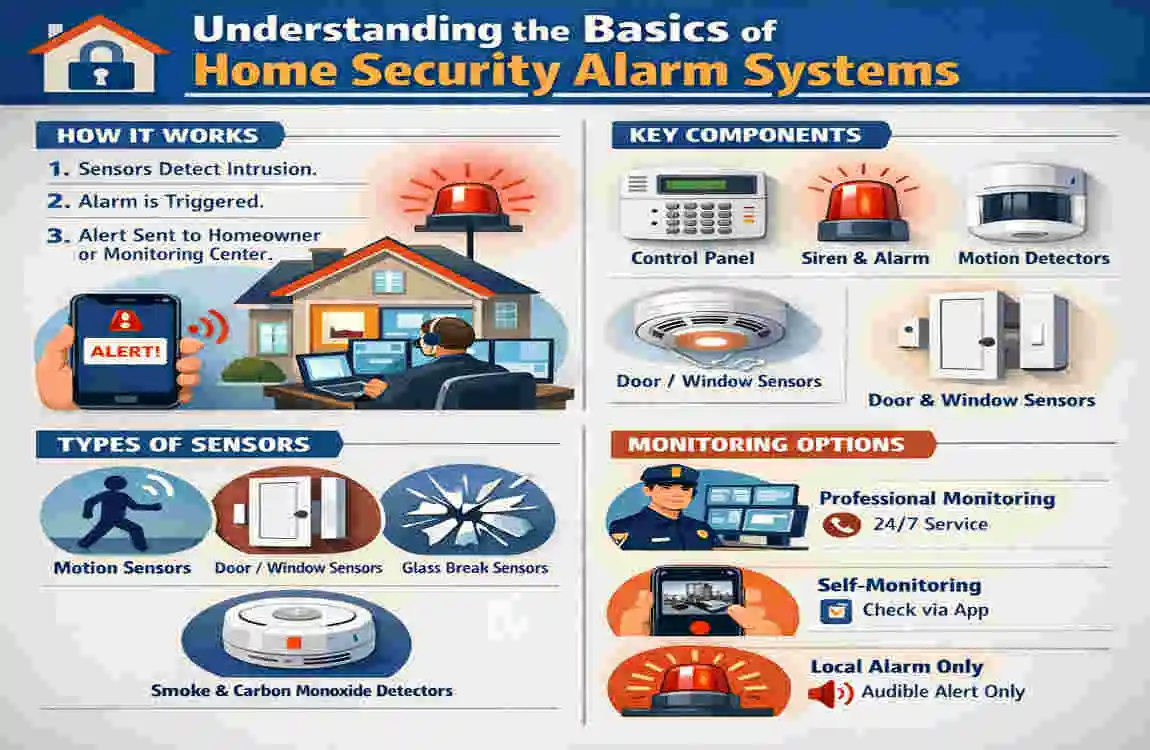
What is a Home security Alarm System?
At its core, a security alarm system is a network of devices designed to detect and respond to unauthorised entry into your home. These systems act as your first line of defence, alerting you and, in many cases, authorities when a breach occurs.
Security alarm systems typically include sensors that monitor doors, windows, and motion within your home. When triggered, these sensors send signals to a control panel, which activates an alarm to deter intruders. Advanced systems may also notify a professional monitoring service or send alerts to your smartphone.
Types of security Alarm Systems
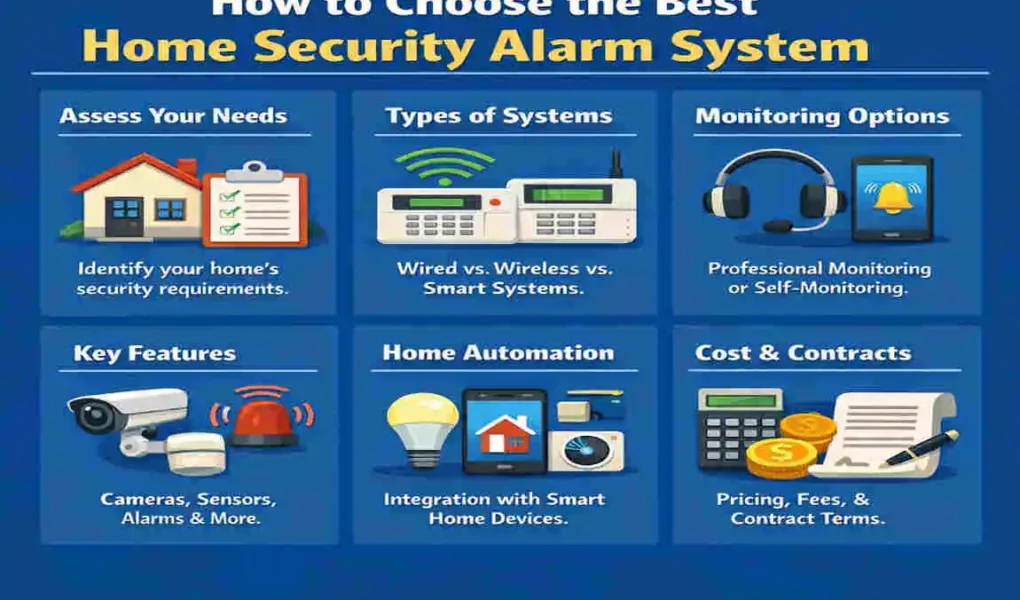
Understanding the different types of alarm systems is crucial for making an informed choice. Below are the main categories:
- Wired vs Wireless Systems
- Wired systems: Depend on physical wiring to connect components. These are reliable but may require professional installation.
- Wireless systems: Use Wi-Fi or cellular signals, making them easier to install and more adaptable.
- Monitored vs Unmonitored Systems
- Monitored systems: Connected to a professional service that oversees your home 24/7.
- Unmonitored systems: Notify only you via alarms or notifications, putting the responsibility of action on you.
- DIY vs Professionally Installed Systems
- DIY systems: Designed for easy setup without expert help, perfect for tech-savvy homeowners.
- Professionally installed systems: Provide expert installation and configuration, but often come with higher upfront costs.
Key Components of a security Alarm System
Every alarm system includes a few essential components that work together to protect your home:
- Sensors: These detect movement, door/window openings, or even broken glass.
- Control Panel: The central hub that receives signals from sensors and activates alarms.
- Alarm Sirens: Loud alarms to deter intruders and alert neighbours.
- Optional Features:
- Security cameras for real-time video monitoring.
- Panic buttons for emergencies.
- Glass-break detectors for added security.
Factors to Consider When Choosing the Best security Alarm System for Home
Your Budget
One of the first things to evaluate is your budget. Security systems range from affordable DIY options to Premium professionally installed setups with advanced features.
- Startup Costs: Consider the upfront costs of sensors, cameras, and control panels.
- Monthly Fees: Monitored systems often come with subscription fees for professional services.
- Value vs Affordability: Strike a balance between cost and features. Avoid systems that compromise quality for the sake of being cheap.
Monitoring Options
Should you opt for self-monitoring or professional monitoring?
- Self-monitoring: Gives you full control but requires constant vigilance.
- Professional monitoring: Ensures 24/7 supervision by experts, offering peace of mind even when you’re unavailable.
Smart Home Integration
Modern systems can seamlessly integrate with smart home devices such as Amazon Alexa or Google Assistant. Features to look for include:
- App Control: Manage your system remotely from your smartphone.
- Compatibility: Ensure the system works with devices you already own, such as smart locks or lights.
Scalability and Customisation
Your needs may evolve. Look for systems that allow you to:
- Add extra sensors or cameras as needed.
- Customise alarm settings to match your preferences.
Ease of Installation
DIY systems are often easier and quicker to install. However, for those less comfortable with technology, professional installation ensures everything is set up correctly.
- DIY: Ideal for renters or those on a budget.
- Professional installation: Best for larger homes or more complex setups.
Reliability and Durability
A reliable system is non-negotiable. Look for features like:
- Backup power sources: Battery or solar options to keep your system running during outages.
- Weather resistance: Especially important for outdoor cameras and sensors.
Customer Support and Warranties
A trustworthy company offers excellent customer support and generous warranties. Before purchasing, ask:
- How responsive is the support team?
- What are the warranty terms for the equipment?
Comparing the Best security Alarm System Brands
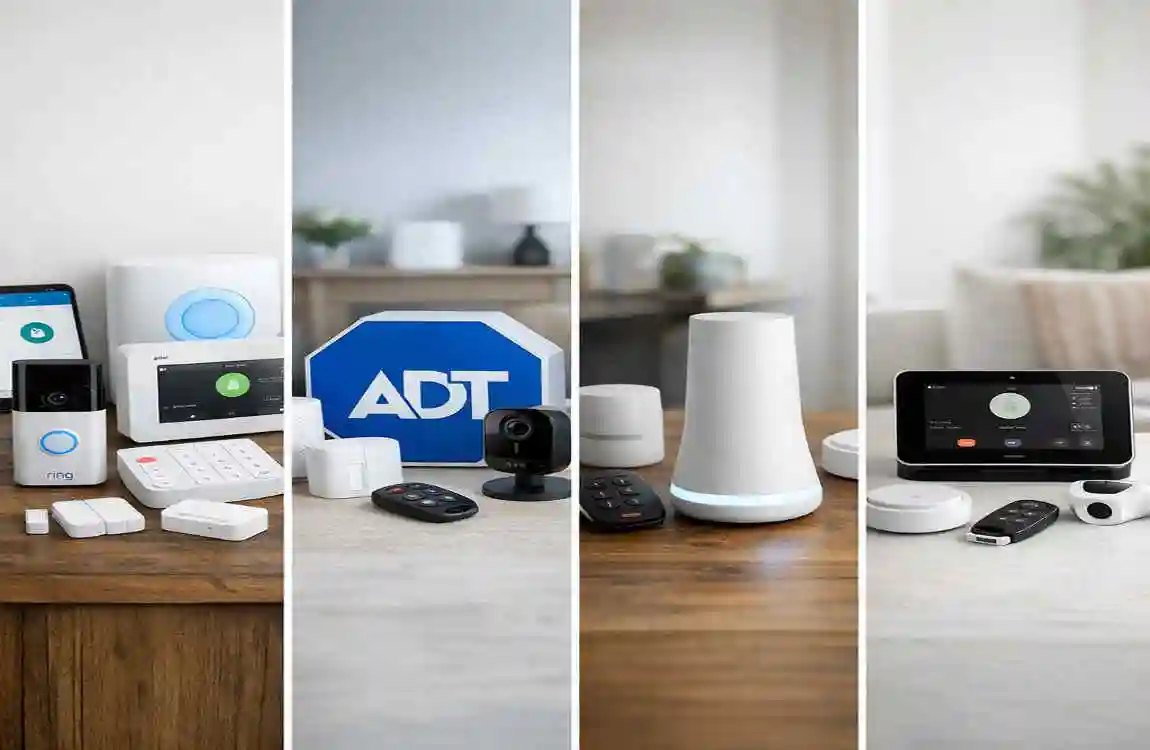
Top 5 security Alarm System Brands (2026 Edition)
Below is a quick overview of five leading brands:
- Brand A: Known for affordability and easy installation.
- Brand B: Offers Premium services with extensive smart home integration.
- Brand C: Best for customizable options and scalability.
- Brand D: Excels in durability and outdoor security.
- Brand E: Provides the most reliable professional monitoring services.
Comparison Table
Brand Price Range Monitoring Options Smart Home Compatibility Unique Features
Brand A $200-$500 Self-monitoring Basic compatibility DIY-friendly
Brand B $500-$1000 Professional Full integration Advanced cameras
Brand C $300-$800 Both options Moderate compatibility Highly customizable
Brand D $400-$900 Professional Limited compatibility Weather-resistant
Brand E $600-$1200 Professional Full integration Superior reliability
Benefits of Installing a security Alarm System for the Home
Enhanced Safety and Peace of Mind
A security alarm system deters intruders and ensures a quick response to emergencies, whether they’re a break-in, a fire, or a medical crisis.
Lower Home Insurance Premiums
Many insurance companies offer discounts for homes equipped with security systems, saving you money in the long run.
Remote Monitoring and Control
With a smartphone app, you can monitor your home from anywhere, giving you complete control even when you’re away.
Improved Resale Value of Your Home
Buyers often view security systems as a valuable feature, boosting your home’s market appeal.
Common Mistakes to Avoid When Choosing a security Alarm System
- Not researching thoroughly before purchasing.
- Choosing based solely on price, ignoring features and quality.
- Overlooking compatibility with existing smart home devices.
- Failing to consider future scalability.
Step-by-Step Guide: How to Select the Best security Alarm System for Your Home
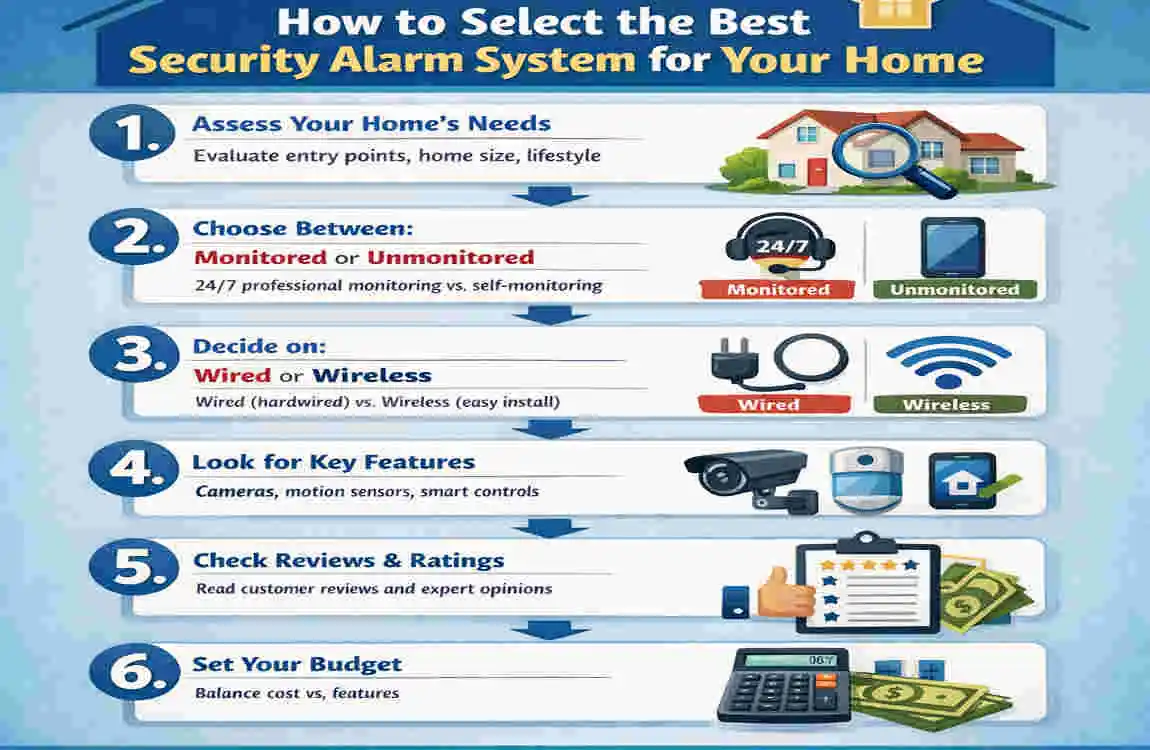
- Assess Your Needs: Identify areas that need protection (doors, windows, etc.).
- Set a Budget: Determine how much you’re willing to spend.
- Research Options: Compare features, reviews, and ratings.
- Check Compatibility: Ensure the smart system integrates with your devices.
- Choose a Reliable Provider: Select a trusted brand or installer.
FAQs About security Alarm Systems for Home
What is the best security alarm system for a home under $500?
Many DIY systems offer robust features within this budget, such as Brand A or C.
Are wireless alarm systems reliable?
Yes, modern wireless systems are highly reliable and exhibit minimal interference.
Can I install a home security system by myself?
Absolutely! DIY systems are designed for easy installation.
Do I need professional monitoring?
It depends on your preference. Professional monitoring offers 24/7 peace of mind, but self-monitoring is more cost-effective.
| Factor | What to Consider | Why It Matters |
|---|---|---|
| Budget | Initial cost, monthly fees | Ensures affordability without sacrificing quality |
| Monitoring Type | Self-monitored or professional monitoring | Affects response time and peace of mind |
| Installation | DIY vs. professional installation | Impacts ease of setup and reliability |
| Smart Home Compatibility | Integration with Alexa, Google Assistant, apps | Enables remote control and automation |
| System Type | Wired vs. wireless | Influences flexibility and installation complexity |
| Expandability | Ability to add sensors, cameras, and features later | Allows future customization and upgrades |
| Customer Support | Availability and quality of service | Ensures help when you need it |