Many homeowners eventually reach a point where they start asking themselves, “Can I demolish my house and rebuild instead of renovating it?” It is a common question, especially when a home becomes outdated, too small, damaged, or simply no longer fits your lifestyle. In many cases, tearing down an older home and building a brand-new one in the same location can be a smart long-term investment.
Rather than moving to another neighborhood and giving up a location you love, rebuilding lets you keep your land while creating a home that better meets your needs. This option has become increasingly popular among homeowners who want modern layouts, energy-efficient systems, and custom designs without leaving behind their current property.
However, demolishing and rebuilding a house is not as simple as knocking down walls and starting fresh. There are many things to consider before beginning, including legal requirements, permits, costs, timelines, design plans, and contractor selection. You also need to decide whether rebuilding truly makes more sense than renovating.
Can I Demolish My House and Rebuild?
The simple answer is yes, in most cases, homeowners can demolish their house and rebuild it. If you legally own the property and follow local building laws, many cities and towns allow you to tear down your existing home and construct a new one.
However, while the process is generally allowed, it is not automatic. You cannot simply decide one day to demolish your home without approval. There are important regulations and rules you must follow before starting.
Is It Legal to Demolish Your House and Rebuild?
In most areas, demolishing and rebuilding a home is perfectly legal. Still, it must follow local zoning rules, municipal building codes, and permit requirements.
Local governments regulate what homeowners can build on their land. These rules exist to maintain neighborhood standards, ensure safety, and protect surrounding properties.
Before demolition begins, your city or county may require approval for:
- Demolition permits
- Building permits
- New construction plans
- Utility disconnection notices
- Environmental inspections
Without these approvals, you could face fines, delays, or legal issues.
When Demolition May Not Be Allowed
There are situations where demolishing your home may be restricted or denied.
Historic Homes or Historic Districts
If your home is located in a protected historic district or has historical significance, demolition may not be allowed without special approval.
HOA Restrictions
Some neighborhoods with homeowner associations have rules about demolition, rebuilding, and architectural design.
Environmental Protections
Protected trees, wetlands, or wildlife habitats on your property could affect demolition approval.
Boundary and Setback Limitations
You may face restrictions if your rebuild plans do not meet lot line setbacks, height rules, or spacing regulations.
Reasons Why Homeowners Choose to Demolish and Rebuild
Many people wonder why someone would demolish a house rather than simply remodel it. The truth is that there are several valid reasons why rebuilding makes more sense.
Structural Damage Beyond Repair
Some homes develop major structural issues that make renovation too expensive or unsafe.
These problems may include:
- Severe foundation damage
- Major roof failure
- Fire destruction
- Flood or water damage
- Extensive mold growth
- Termite infestation
When repair costs become too high, rebuilding may offer a better long-term solution.
Desire for Modern Features
Older homes often lack the layout and features homeowners want today.
Modern buyers and homeowners typically prefer:
- Open-concept floor plans
- Larger kitchens
- Home offices
- Walk-in closets
- Smart home technology
- Energy-efficient systems
Trying to force these features into an outdated home design can be difficult and costly.
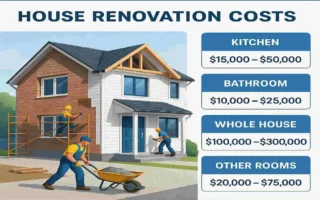
Renovation Costs Are Too High
Sometimes a full renovation ends up costing nearly as much as rebuilding from scratch.
If your contractor estimates that repairs and remodeling will consume most of your budget, rebuilding may offer better value for your money.
Steps to Demolish Your House and Rebuild
If you decide to move forward, demolishing and rebuilding a house requires careful planning.
Evaluate Your Existing Home
Before demolition, hire professionals to inspect your property.
Experts can determine:
- The home’s structural condition
- Repair costs
- Safety concerns
- Whether renovation is still possible
This helps confirm whether demolition is truly necessary.
Review Local Zoning Laws
Next, check your local zoning and planning requirements.
Important zoning factors include:
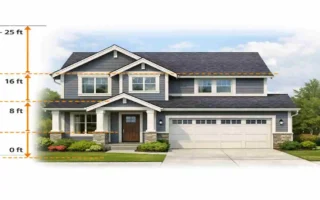
- Height restrictions
- Lot coverage limits
- Property line setbacks
- Maximum square footage rules
These regulations determine what type of new home you can build.
Obtain Permits
You will need several permits before work begins.
Typical required permits include:
- Demolition permit
- Building permit
- Electrical permit
- Plumbing permit
- Utility disconnect permit
Permit approval times vary by location.
Hire Licensed Professionals
You should work with experienced professionals throughout the project.
This usually includes:
- Architects
- Structural engineers
- Demolition contractors
- Builders
- Project managers
Choosing skilled professionals helps avoid delays and costly mistakes.
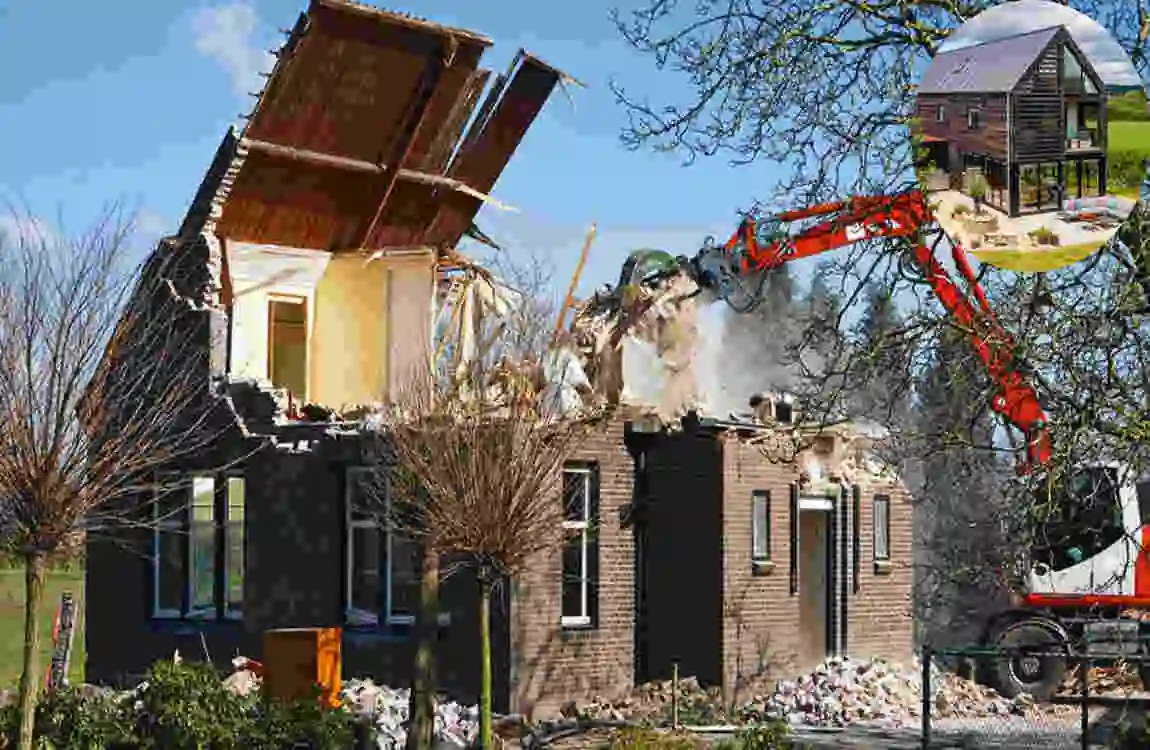
Demolish the Structure
Once permits are approved, demolition can begin.
This stage includes:
- Disconnecting utilities
- Removing hazardous materials
- Securing the site
- Tearing down the structure
- Removing debris
Demolition usually takes several days to several weeks, depending on the home’s size.
Begin Rebuilding
After demolition is complete, construction starts.
The rebuilding process typically follows this order:
- Land preparation
- Foundation installation
- Framing
- Roofing
- Plumbing and electrical work
- Interior finishing
How Much Does It Cost to Demolish a House and Rebuild?
One of the biggest concerns homeowners have is the cost of demolition and rebuilding.
The total cost depends heavily on your location, home size, and project complexity.
Average Demolition Costs
Demolition costs can vary widely.
On average, homeowners may spend:
- $4 to $15 per square foot for demolition
- $8,000 to $25,000+ total for average-sized homes
Larger homes or properties with hazardous materials may cost more.
Rebuilding Costs
Rebuilding is naturally the biggest expense.
Construction costs often range from:
- $100 to $300+ per square foot for standard homes
- Higher for luxury or custom-built homes
Hidden Expenses to Consider
Many homeowners forget to budget for extra costs.
These may include:
- Permit fees
- Architectural design fees
- Engineering reports
- Temporary housing
- Landscaping restoration
- Driveway replacement
- Utility reconnections
Is It Cheaper to Rebuild or Renovate?
A common question homeowners ask is, ” Is it cheaper to rebuild or renovate?
The answer depends on your home’s condition and goals.
When Renovating Makes More Sense
Renovation may be better when:
- The home structure is solid
- Only cosmetic updates are needed
- You want lower upfront costs
- You need a faster timeline
When Rebuilding Is Better
Rebuilding may be the smarter option when:
- Structural damage is severe
- You want a full redesign
- Renovation costs are too high
- Old systems need total replacement
Renovation vs Rebuild Comparison Table
FactorRenovateRebuild
Cost Lower initially, Higher upfront
Timeline Faster Longer
Customization Limited Full freedom
Structural Issues May Remain Eliminated
Energy Efficiency Moderate improvement Maximum efficiency
Pros and Cons of Demolishing and Rebuilding a House
Every major project has benefits and drawbacks.
Pros of Demolishing and Rebuilding
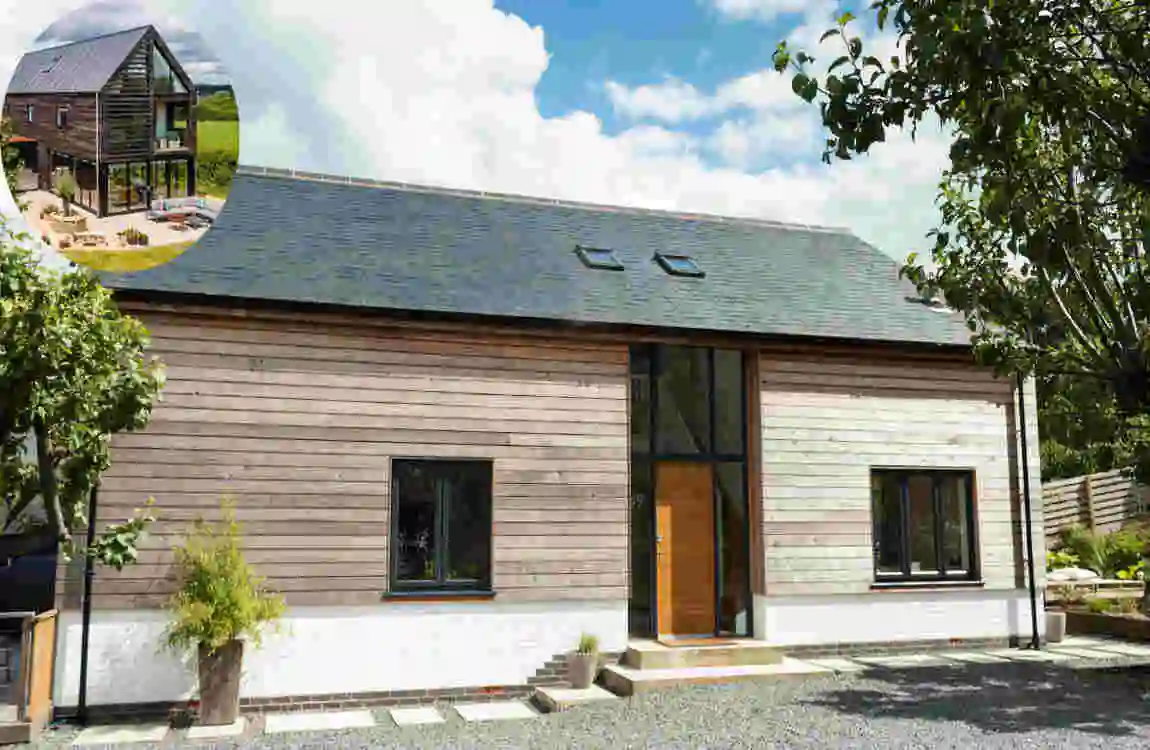
Brand-New Custom Home
You can design your dream home exactly how you want it.
Better Energy Efficiency
New homes include updated insulation, windows, HVAC systems, and appliances.
Increased Resale Value
A modern new build often increases market value.
Lower Maintenance Costs
Everything is brand-new, reducing the need for repairs.
Cons of Demolishing and Rebuilding
High Upfront Investment
Rebuilding requires significant money upfront.
Longer Project Timeline
Construction can take many months.
Permit Challenges
Approvals may delay your timeline.
Unexpected Costs
Budget overruns are common in construction.
Important Factors to Consider Before Demolishing Your Home
Before deciding, consider the following carefully.
Budget Planning
Always plan for surprise costs.
Experts recommend setting aside 10% to 20% extra for unexpected expenses.
Neighborhood Property Values
Avoid building a home that is far more expensive than nearby properties.
Doing so can make resale difficult.
Temporary Living Arrangements
You may need to move out for several months during construction.
Consider:
- Renting nearby
- Staying with family
- Buying temporary housing
Emotional Attachment
Some homeowners struggle with tearing down a home full of memories.
Consider whether sentimental value matters to you.
Tips for a Successful House Demolition and Rebuild Project
Planning well can make the process smoother.
Work With Experienced Contractors
Choose professionals who specialize in teardown-rebuild projects.
Always:
- Check licenses
- Read reviews
- Request references
- Compare quotes
Plan for Delays
Construction often takes longer than expected due to:
- Weather
- Material shortages
- Labor delays
- Permit hold-ups
Set Realistic Budget Expectations
Do not underestimate costs.
It is better to over-budget than under-budget.
Frequently Asked Questions About Demolishing and Rebuilding a House
Can I Demolish My House and Rebuild on the Same Foundation?
Possibly, but only if the existing foundation is structurally sound and meets modern building codes. An engineer must inspect and approve it first.
How Long Does It Take to Demolish and Rebuild a House?
The full process usually takes 6 to 18 months, depending on:
- Permits
- Design complexity
- Construction speed
- Weather delays
Do I Need Planning Permission to Demolish My Home?
In most cases, yes. Local authorities typically require demolition and building permits before work begins.
Does Rebuilding Increase Home Value?
Yes, rebuilding can significantly increase value if done properly and aligned with neighborhood standards.