For many couples, surrogacy becomes the only way to have a genetically related child. However, access to such programs varies significantly between countries: in some states surrogacy is prohibited, while in others it is allowed only on a non-commercial basis. Against this background, Ukraine remains one of the few countries where surrogacy for foreign married couples is clearly regulated by law and supported by a transparent procedure for registering the child’s birth. For intended parents researching not only legal requirements but also surrogate mom price and overall program conditions, Ukraine is often considered one of the most understandable and structured destinations. Below, we explain who can participate in the program and how the process typically works.
Who Can Participate in the Program
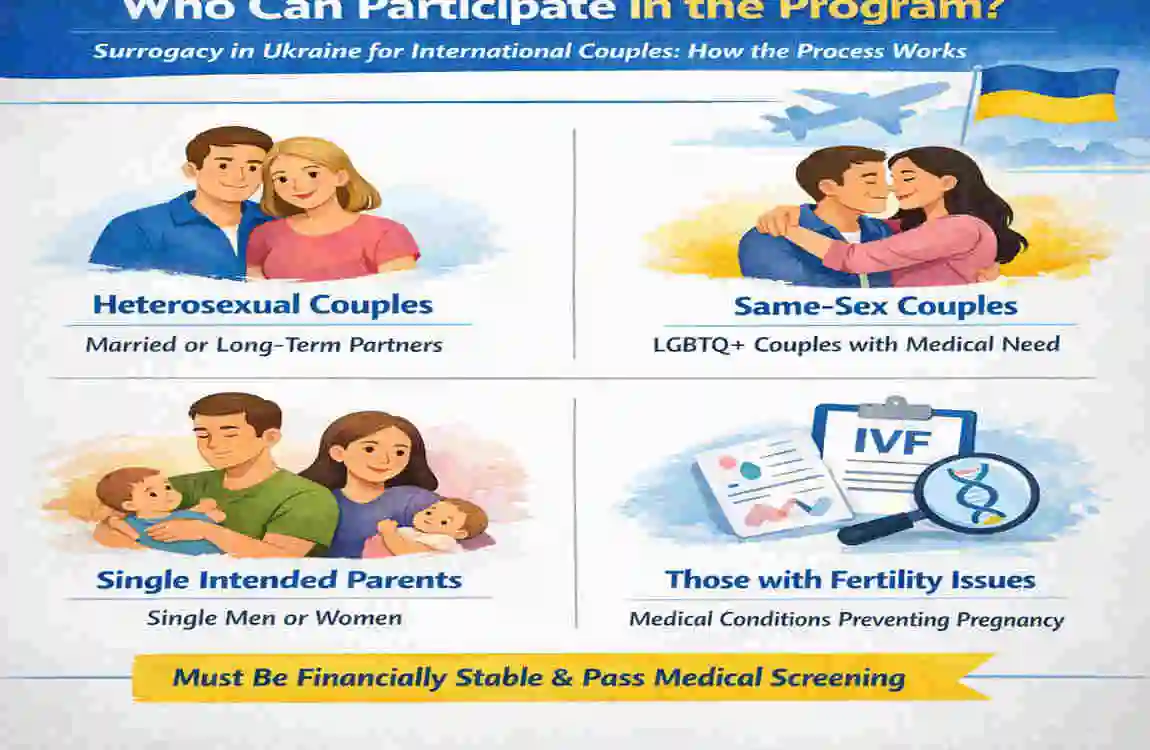
Ukrainian legislation clearly defines who is eligible to participate. Surrogacy in Ukraine is available for:
- officially registered married couples (a man and a woman);
- couples with medical indications for surrogacy, such as absence of the uterus, uterine abnormalities, or repeated unsuccessful IVF attempts;
- couples in which at least one partner has a genetic connection with the child.
A surrogate mother must be between 21 and 35 years old, have her own healthy child, be in satisfactory physical and psychological health, and must not be genetically related to the embryo.
Documents Required to Start the Program
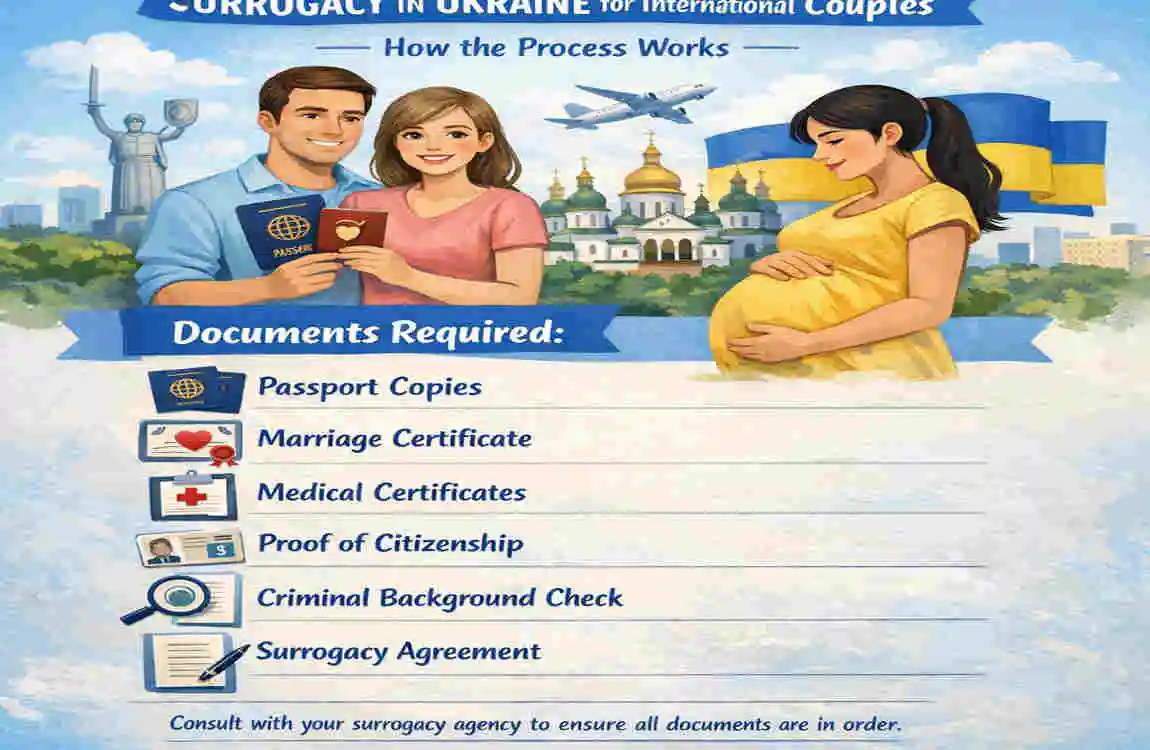
Before traveling to Ukraine, international couples must prepare the following documents:
- passports of both spouses;
- a marriage certificate with an apostille and a notarized translation;
- a medical certificate confirming medical indications for surrogacy, issued on the official letterhead of a medical institution and signed by a physician.
The surrogacy agreement for foreign participants is prepared in two languages: Ukrainian and the native language of the intended parents.
How the Process Works: Step by Step
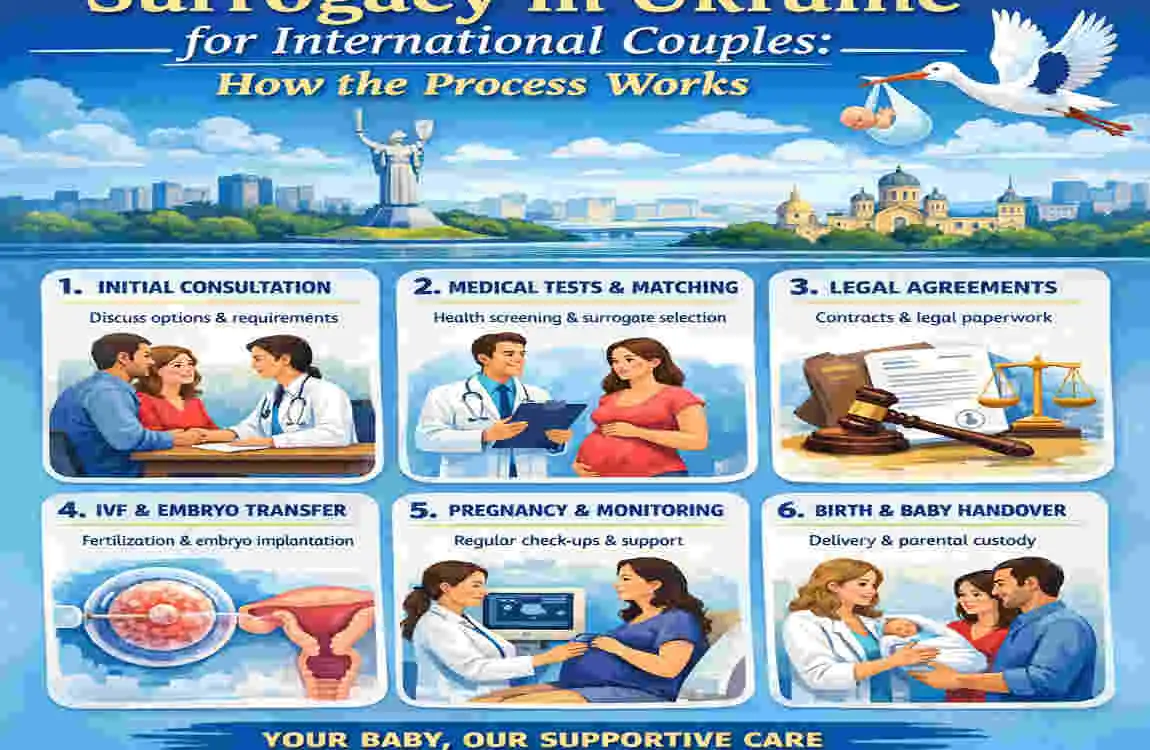
A surrogacy program usually includes several consecutive medical and organizational stages. Below is a typical outline of the process for international couples, from the first clinic visit to embryo transfer.
Stage 1. First Visit and Medical Examination
During the first visit to Ukraine, which usually lasts 3–5 days, the couple undergoes a medical evaluation. This typically includes semen analysis, consultations with a reproductive specialist, and ovulation stimulation if necessary.
Stage 2. Selection of a Surrogate Mother and Signing the Agreement
The clinic or agency provides profiles of surrogate candidates who have passed medical and psychological screening. If desired, the intended parents may arrange a preliminary meeting with the surrogate mother via video call. After the candidate is approved, the parties sign a notarized agreement outlining the rights and obligations of all participants as well as the financial terms of the program.
Stage 3. Fertilization and Embryo Transfer
Embryos are created through IVF using the intended parents’ gametes or donor material. If medically indicated, preimplantation genetic testing (PGT) may be performed before embryo transfer.
Stage 4. Pregnancy and Medical Monitoring
Throughout the pregnancy, the surrogate mother undergoes the necessary medical examinations. She is also required to maintain a healthy lifestyle and keep the intended parents informed about the progress of the pregnancy.
Stage 5. Birth and Registration of the Child
The recommended time for the intended parents to arrive in Ukraine is 2–3 weeks before the expected delivery date. After birth, the child is transferred to the neonatal department. The birth must be registered no later than one month after delivery at the civil registry office at the place of birth.
If all documents are in order, the birth certificate is issued on the day of application. The names of the biological parents are listed on the certificate, while the surrogate mother is not mentioned in any public document.
Please note: a child born in Ukraine to a foreign couple does not automatically receive Ukrainian citizenship. Citizenship is determined by the parents’ citizenship, most often that of the genetic father. Before leaving the country, the parents must obtain a passport or travel document for the child from their country’s consulate in Ukraine.
Surrogacy in Ukraine for International Couples — How the Process Works (FAQ)
Is surrogacy legal in Ukraine?
Yes. Ukraine allows gestational surrogacy for eligible married heterosexual couples, with clear legal recognition of intended parents.
Who can use surrogacy in Ukraine?
International married heterosexual couples with medical infertility or inability to carry pregnancy qualify.
How does the process start?
It begins with selecting a clinic/agency, medical screening, and signing legal contracts.
What happens during IVF?
Egg and sperm (from parents or donors) are used to create embryos, which are transferred to a surrogate mother.
Does the surrogate have parental rights?
No. Ukrainian law recognizes intended parents as the legal parents from birth.
Is adoption required after birth?
No. The birth certificate is issued directly in the names of the intended parents.
How long does the process take?
Typically around 15–24 months including IVF, pregnancy, and paperwork.
Can international couples take the baby home easily?
Yes, once documents and passports are issued, parents can travel back with the child.
What are the main steps in order?
Contract → IVF → embryo creation → surrogate matching → pregnancy → birth registration → travel documents.
Why do couples choose Ukraine?
Clear laws, lower cost compared to the US, and direct legal parent recognition from birth.