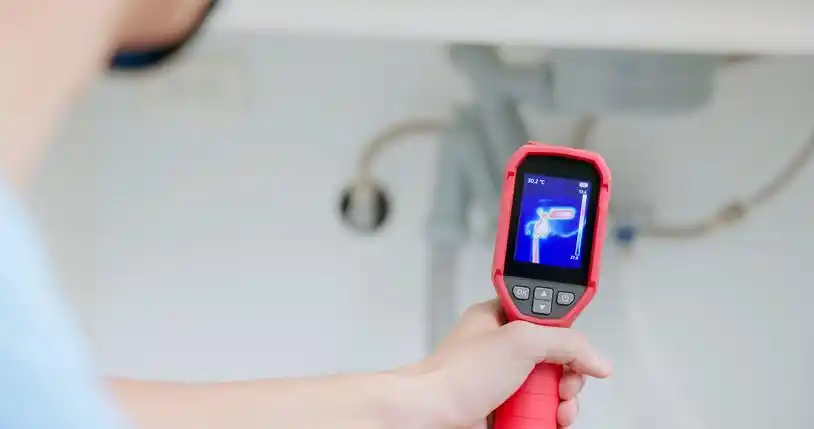
Imagine you have reviewed your property statement for the month, and everything seems normal. Then you find a charge that you’ve never seen before. For example, there may be a maintenance fee that was never indicated on your statement, or the utility bill is excessively high. Although small errors can be easily dismissed, they will eventually reduce your profits.
Very often, landlords are unaware of billing errors or property leaks, and in many cases, the error is not even intentional; it is simply a lack of attention to detail. However, either way leads to unnecessary loss of funds. Continue reading below to know the list of things you should be aware of, along with guidance on how to identify billing errors to avoid making costly mistakes.
Financial Impact of Billing Errors and Hidden Leaks
Something worth paying attention to is how a single undetected billing error, let’s say a duplicate maintenance charge or an inflated utility invoice, might only cost you $150. Time will pass by, and multiply that across multiple units, several vendors, and twelve months later, and you’re looking at thousands of dollars that quietly left your pocket without a fight.
The financial impact is not always catastrophic; that is what makes them so dangerous. Also, beyond the immediate financial loss, a billing mistake is money that could have been reinvested, earned interest, and contributed to another property investment.
However, once you have identified the proper areas to look for leaks in your financial system, catching them will be relatively easy. You will just need a more discerning eye and a repeatable process, so you know what you are actually paying for.
Warning Signs of Billing Errors
-
Sudden Increase in Utilities
The first indication that something is wrong is generally an unexplained increase in the utility bill. If there is an increase in your water, gas, or electric costs between utilities from one month to the next, and there have been no changes to occupancy or utility usage, this should be investigated.
Before dismissing a sudden rise as seasonal, verify it. By obtaining your last three to six months’ bills and comparing those figures, you can start to validate what you have noticed. The answers are usually easy to find. If nothing is discovered through a review of your numbers, you can also hire a proactive Philadelphia rental management company to review utility statements, vendor invoices, and maintenance records for costly discrepancies.
-
Tenant Complaints About Unusual Bills
If something is wrong, your tenants will often be the first to notice. When they contact you about their very high utility bill, listen to them. It could indicate something that needs further investigation, such as a billing error by the utility company or an incorrect meter reading. It could also indicate a leak that has been occurring over time without being detected.
Provide a simple process for tenants to flag these issues to you, and, if they do, take their complaint seriously. A quick phone call to your utility company or simply checking the meter may save both you and your tenant from a long, difficult process of resolving the issue.
How to Detect Hidden Property Leaks?
-
Physical Signs
There are occasions when the best way to discover a leak is to walk through your property and know what to look for. Some signs of water damage to identify include wall and ceiling stains, peeling paint near bathrooms, warped flooring, and a persistent musty smell. Other signs from your plumbing that indicate water damage include toilets that run for an extended period after flushing or faucets that leak enough to fill a glass in a single night.
It is very easy to overlook something you see all the time. In this case, routine inspections can help property owners avoid repairs that will break the bank while preserving property condition. When managing multiple units, a simple checklist of what to look for will help you stay consistent during routine inspections and prevent you from forgetting to check items that may have been there for a long time.
-
Utility Usage
Each month, your utility bills tell you a story; the question is whether you’re actually reading them. Start by reviewing your water, gas, and electricity usage for the past 6-12 months to search for any patterns in your utility bills. If you have spikes in usage during certain months for no justifiable reason, you need to investigate further.
The first indication of an undetected leak is generally a gradual, unexplained increase in water usage. You could have a leaking toilet, a slow, leaky pipe, or a faulty irrigation system running in the background without you knowing.
To find out exactly what is going on with your utility bill, do not just look at the total amount due; look at the actual amount of water you used. This way, you will get the most accurate information possible about your usage, so you can detect potential problems sooner.
-
HVAC and Appliance Leaks
Your HVAC equipment and all the appliances are working really hard behind the scenes all the time. The leaks usually occur quietly, which can increase utility costs before you even realize something is wrong.
Routine inspections are an effective way to monitor this situation. Look around and check for wet areas around your appliances, and listen for strange sounds in your HVAC system. Also, pay attention to any big spikes in your utility bills.
If your appliance shows a sudden increase in electricity or water usage and you have no idea why, that is a good reason to look into the issue further. Catching an appliance leak early almost always costs less than dealing with the resulting damage or the increased utility bills.
Conclusion
Billing mistakes and leaks in your buildings may not jump out at you, but they can be very costly. Fortunately, you do not have to reinvent your entire system to prevent these problems. Regular walk-throughs of your buildings, developing a habit of reviewing actual usage records, and listening to tenant callbacks to complaints are all simple ways to stay on top of this issue.
If you catch small leaks in your plumbing or on your invoices as they occur, you can handle them at minimal expense. However, if you let them go, fixing them will cost you a lot of money. You have completed the difficult part; now, you know what to look for.