Most major home repairs do not begin with dramatic failures. They usually start through small problems homeowners assume can wait a little longer, a dripping faucet, flickering light, inconsistent airflow, or an outlet that occasionally stops working. Because these issues often appear minor initially, people adapt to them gradually instead of recognizing them as early warning signs of larger system strain developing behind the scenes.
The challenge is that homes rely on interconnected infrastructure operating continuously every day. Plumbing, electrical systems, ventilation, and heating or cooling equipment all affect one another over time. When maintenance is delayed repeatedly, even relatively small inefficiencies can quietly spread into surrounding systems, increasing both repair complexity and long-term costs significantly.
Small Leaks Rarely Stay Small
One of the most common examples of delayed repair problems involves plumbing leaks. A minor drip under a sink or a small pipe leak behind a wall may seem harmless at first, especially if visible damage has not appeared yet. Over time, however, moisture gradually affects surrounding materials including drywall, flooring, insulation, and wood framing.
Because water spreads slowly, homeowners often underestimate how much hidden damage may already be developing. By the time stains, odors, or mold growth become visible, the original issue has frequently expanded far beyond a simple plumbing repair.
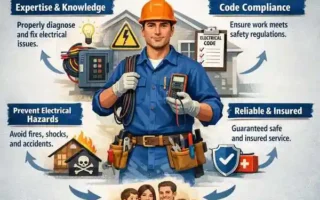
This is why professional services involving plumbing & electrical repair in Phoenix often focus heavily on identifying small warning signs early before structural damage and larger remediation projects become necessary. Preventive repairs usually cost far less than waiting until moisture has already spread throughout surrounding areas.
Electrical Warning Signs Often Go Ignored
Electrical issues are another category homeowners commonly postpone because systems continue functioning partially despite underlying strain. Flickering lights, overloaded outlets, buzzing switches, warm outlet covers, or occasional breaker trips may feel more annoying than dangerous initially.
In reality, these symptoms often indicate wiring stress, loose connections, overloaded circuits, or aging electrical infrastructure struggling to handle modern household demand. Because problems remain hidden behind walls, homeowners may not recognize how much pressure systems are already under internally.
The danger is that electrical issues tend to worsen gradually until larger failures occur. Delayed maintenance increases the likelihood of equipment damage, widespread outages, or even fire hazards developing over time. Small electrical inconsistencies are therefore rarely as harmless as they first appear.
HVAC Inefficiency Builds Slowly Over Time
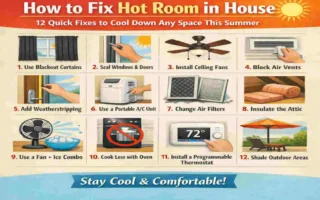
Heating and cooling systems also tend to decline gradually rather than failing suddenly. Weak airflow, unusual noises, inconsistent temperatures, or longer cooling cycles often develop months before homeowners experience complete system breakdown.
Because HVAC systems still technically function during early stages of deterioration, many people postpone maintenance believing the issue is not yet serious enough to address. Meanwhile, restricted airflow, dirty components, refrigerant issues, or mechanical strain continue placing pressure on surrounding equipment.
Over time, these small inefficiencies reduce energy efficiency while accelerating wear across the entire system. What initially could have been solved through routine maintenance often evolves into compressor failure, motor replacement, or full system repair once the equipment is pushed beyond its operating limits.
Drainage Problems Usually Worsen Gradually
Slow drains are another issue homeowners frequently tolerate longer than they should. Water draining slightly slower than normal may not seem urgent initially, especially if complete clogs have not yet formed. However, slow drainage often signals buildup, pipe restriction, or developing plumbing obstruction deeper inside the system.
As buildup increases, pressure and water flow become less stable throughout connected plumbing lines. Eventually, backups, leaks, or pipe damage may begin affecting multiple fixtures simultaneously. In some cases, unresolved drainage issues can even contribute to hidden moisture problems beneath floors or behind walls.
Addressing these signs early usually prevents much larger repair projects later involving extensive pipe cleaning, replacement, or structural restoration caused by long-term water exposure.
Strange Noises Usually Mean Something Is Changing
Many homeowners also overlook unusual household noises because they develop gradually enough to become familiar over time. Rattling vents, humming electrical panels, dripping sounds inside walls, or constantly cycling HVAC systems often indicate systems are beginning to struggle mechanically.
Mechanical infrastructure generally becomes noisier as wear increases. Loose components, airflow restrictions, electrical strain, or failing motors frequently create subtle sounds before visible failure occurs. Unfortunately, people often adjust to those noises psychologically and stop recognizing them as warnings.
By the time sounds become impossible to ignore, systems may already be operating under significant stress. What initially seemed like a small inconvenience may eventually lead to much larger repair costs once surrounding components are affected as well.
Deferred Maintenance Usually Costs More Later
One of the biggest misconceptions about home repairs is the belief that postponing small issues saves money. In reality, deferred maintenance usually increases long-term costs because small problems rarely remain isolated. Plumbing leaks affect surrounding materials. Electrical strain damages connected systems. HVAC inefficiency accelerates equipment wear.
The longer problems continue, the greater the likelihood that multiple systems will eventually require repair simultaneously. Emergency repairs also tend to be more disruptive because homeowners are forced to respond quickly once systems fail completely instead of addressing problems proactively on their own schedule.
Homes that remain reliable long term are usually the ones where small warning signs receive attention early instead of being ignored until major breakdowns occur.
Most Expensive Repairs Start Quietly
Perhaps the most important thing homeowners eventually learn is that expensive repairs rarely arrive without warning. More often, the signs were visible months earlier through small leaks, weak airflow, inconsistent electrical behavior, unusual noises, or subtle performance changes people simply underestimated at the time.
Because deterioration happens gradually, homeowners naturally adapt to worsening conditions without realizing how much system performance has changed. Then a major failure finally forces attention toward a problem that had actually been developing quietly for a long time already.
The difference between manageable maintenance and major repair bills often comes down to recognizing these small early signals before surrounding systems begin suffering additional damage. Preventive attention matters because homes rarely break all at once. Most problems simply start much smaller than people expect.