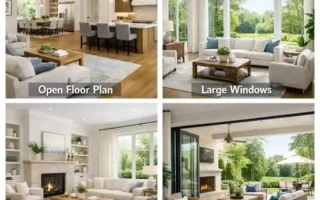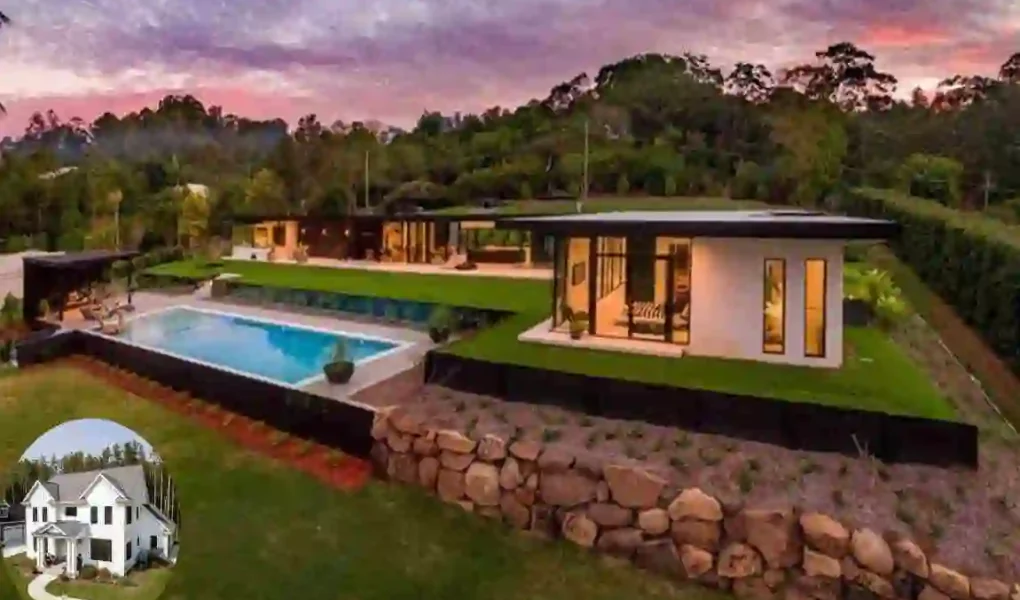
Homes have changed a lot over the years. Today, families do not just want a place to live—they want a place that supports their daily life, comfort, and future needs. This is where the idea of modern family homes becomes important.
A modern home is not only about beautiful design. It is about how a space feels, works, and supports the people living in it. Families today spend more time at home, so they need spaces that are flexible, smart, and comfortable.
In simple words, a modern home is built around people, not just walls and rooms.
Understanding Modern Family Homes
Modern homes are designed to match today’s lifestyle. They are not rigid or traditional. Instead, they are flexible, practical, and family-focused.
Definition of Modern Family Homes
Modern family homes are houses built to support everyday family life with ease. They combine design, comfort, and smart solutions.
These homes are designed to:
- Make daily life easier
- Support family interaction
- Use space in a smart way
- Include modern technology
Core Principles of Modern Homes
Modern homes follow some simple ideas:
- Function first: Every space has a purpose
- Flexibility: Rooms can change use over time
- Connection: Indoor and outdoor spaces feel linked
- Comfort: Living should feel easy and relaxing
Traditional vs Modern Homes
Feature: Traditional Homes, Modern Family Homes
Room style : Separate rooms , Open layouts
Design Fixed structure Flexible spaces
Technology Minimal Smart systems
Lifestyle Formal Family-centered
Modern homes clearly focus more on lifestyle than structure.
Open Concept Living: The Heart of Modern Homes
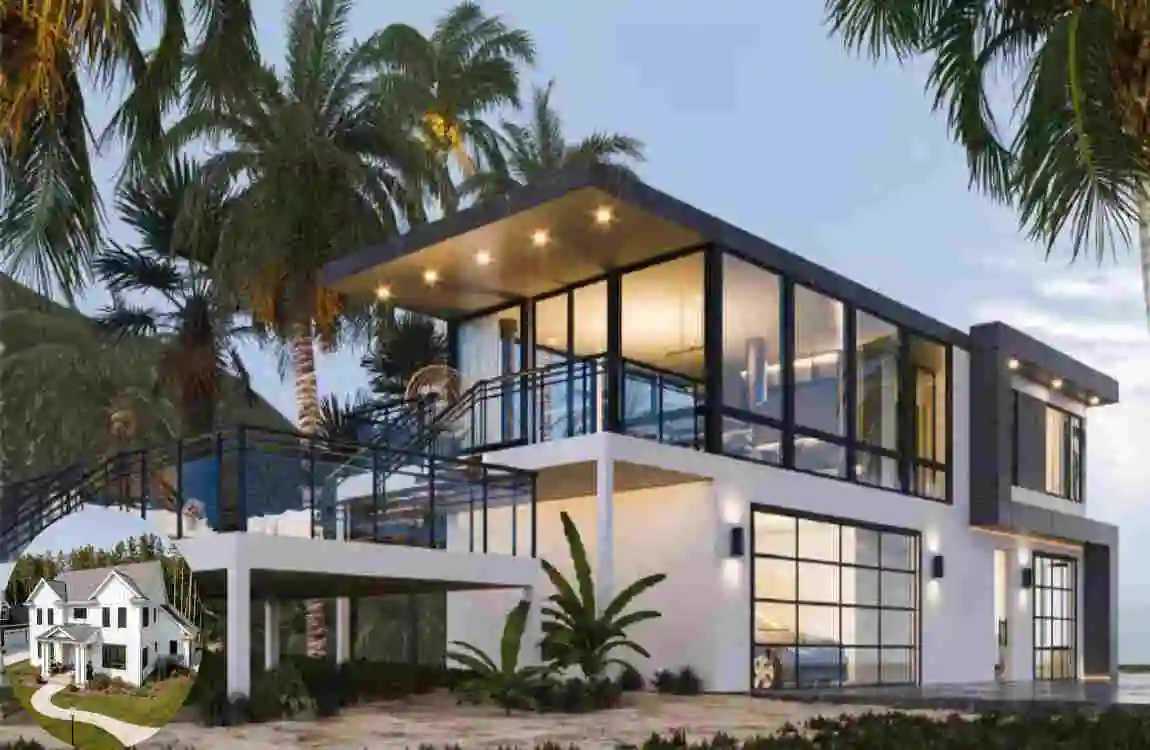
One of the biggest features of modern homes is an open living space. This design removes unnecessary walls, creating a single large shared area.
Why Open Spaces Matter
Open spaces help families stay connected. Parents can cook while still talking to children. Everyone feels more involved in daily life.
It also makes homes feel:
- Bigger
- Brighter
- More welcoming
Kitchen-Living Integration
In many modern family homes, the kitchen, dining, and living room are combined.
This setup:
- Makes family time easier
- Improves communication
- Helps parents watch children while working
It also creates a natural space for guests and gatherings.
Smart Design Techniques
Designers use simple methods to separate areas without walls:
- Rugs to define spaces
- Sofas to create boundaries
- Lighting changes for different zones
- Matching colors for smooth flow
This keeps the space open but organized.
Smart Home Technology in Modern Family Homes
Technology plays a big role in modern living. It makes homes safer, easier to use, and more efficient.
What is a Smart Home?
A smart home uses devices that can be controlled automatically or through phones and voice commands.
Important Smart Features
Some common features include:
- Smart lighting systems
- Security cameras
- Smart locks
- Temperature control systems
- Voice assistants
Benefits for Families
Smart homes help families in many ways:
- Better safety for children
- Lower energy bills
- Easy control of home systems
- More comfort and convenience
For busy families, this technology saves time and effort.
Flexible and Multi-Functional Spaces
Modern families need spaces that can change with time. A room is no longer limited to just one purpose.
Why Flexibility Matters
Children grow, work styles change, and needs evolve. Homes must adjust to these changes easily.
Common Multi-Use Areas
Modern homes often include:
- A guest room that becomes an office
- A study area that turns into a playroom
- Living rooms are used for entertainment and work
Smart Storage Solutions
Good storage keeps homes clean and simple:
- Built-in shelves
- Hidden cabinets
- Under-stair storage
- Wall-mounted units
This helps maintain a clutter-free space.
Natural Light, Airflow, and Wellness Design
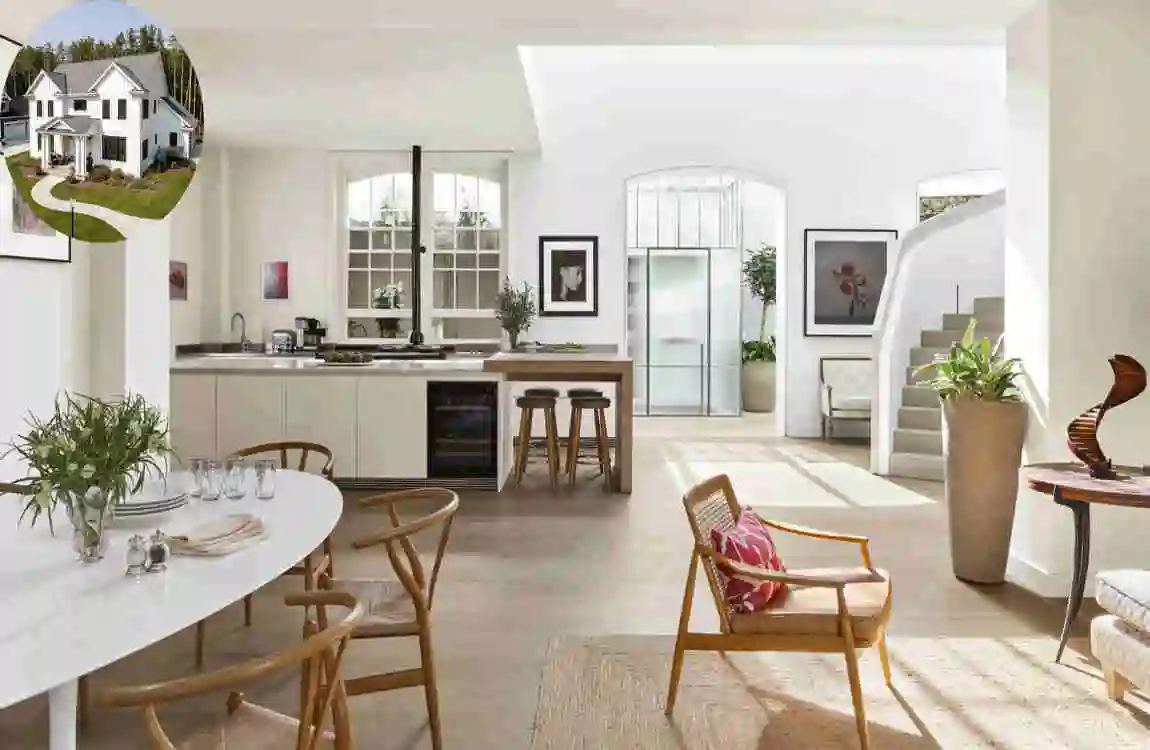
A healthy home is a modern home. Light and air are very important for family well-being.
Importance of Natural Light
Natural light:
- Improves mood
- Increases energy
- Reduces electricity use
Key Design Features
Modern homes use:
- Large windows
- Glass doors
- Skylights
These features bring more sunlight inside.
Good Airflow Design
Fresh air makes homes more comfortable:
- Cross ventilation keeps air moving
- Open layouts reduce heat buildup
- Proper window placement improves airflow
Sustainable Living in Modern Family Homes
Sustainability is now a major part of home design. Families want homes that are eco-friendly and cost-efficient.
Eco-Friendly Materials
Modern homes often use:
- Recycled wood
- Safe paints
- Natural stone
- Sustainable flooring
Energy Efficiency
Energy-saving features include:
- Solar panels
- LED lighting
- Energy-efficient appliances
Water Conservation
Water-saving systems include:
- Low-flow taps
- Rainwater storage systems
- Efficient plumbing designs
These reduce waste and save money.
Interior Design Focused on Families
A modern home must be safe, comfortable, and beautiful at the same time.
Safety First Design
Family homes focus on safety:
- Rounded furniture edges
- Non-slip floors
- Safe electrical systems
- Child-friendly materials
Modern Family Homes – FAQ
What defines modern family homes?
Modern family homes focus on open layouts, simple design, smart technology, and functional living spaces that support everyday family life.
How can I make my home look more modern?
Use neutral colors, declutter spaces, add smart lighting, choose minimalist furniture, and improve natural lighting.
Are modern homes expensive to create?
Not always. You can start with small upgrades like lighting, paint, and furniture before investing in bigger renovations.
What colors are best for modern family homes?
White, beige, gray, and soft earth tones are most popular, often paired with bold accent colors.
Do modern homes use smart technology?
Yes, many modern homes include smart lighting, security systems, thermostats, and appliances for convenience and efficiency.
| Key Feature | Description | Why It Matters for Families |
|---|---|---|
| Open Concept Living | Combines kitchen, dining, and living areas into one open space | Improves communication and family connection |
| Smart Home Technology | Uses automated systems like lighting, security, and voice control | Makes daily life easier, safer, and more efficient |
| Flexible Spaces | Rooms that can be used for multiple purposes | Adapts to changing family needs over time |
| Natural Light & Ventilation | Large windows and airflow-friendly design | Improves health, mood, and reduces energy use |
| Sustainable Design | Eco-friendly materials and energy-saving systems | Lowers bills and supports the environment |
| Family-Friendly Interior | Safe, comfortable, and practical design choices | Ensures safety and comfort for all age groups |
| Outdoor Living Areas | Gardens, patios, and play spaces | Encourages relaxation and family bonding |
| Modern Aesthetic | Clean, simple, and stylish interior design | Creates a calm and visually appealing home |