Your home’s entrance is the first thing guests and neighbors notice. Even a simple porch can look stylish and welcoming with the right front house planters. But choosing the perfect planter is not only about color or design. Size matters as much.
A planter that is too small can disappear beside your front door. On the other hand, a planter that is too large may make your entrance look crowded and unbalanced. The right planter size helps create harmony between your plants, porch, and home exterior.
Good planter sizing also supports healthy plant growth. Plants need enough room for roots, water retention, and airflow. When you select the correct size, your greenery stays healthier and lasts longer.
Why Planter Size Matters for Front House Design
Choosing the right planter size can completely change the appearance of your home exterior. Planters are more than simple containers. They serve as decorative pieces that frame your entrance and enhance curb appeal.
The Impact of Planters on Curb Appeal
Large, well-sized planters can make your home look elegant and inviting. They add color, texture, and height to empty outdoor spaces. When placed beside a front door or walkway, they naturally draw attention to the entrance.
However, size balance is important. Tiny planters beside a tall doorway may look awkward and unfinished. Oversized containers on a small porch can make the area feel cramped.
The goal is to create visual balance. Your front house planters should complement the scale of your home rather than overpower it.
Plant Health and Root Space
Planter size directly affects plant growth. Small containers dry out quickly, restricting root development. This can weaken plants over time.
Larger planters provide:
- Better root space
- Improved moisture retention
- More stable temperatures
- Better support for larger shrubs and trees
Healthy roots lead to healthier plants. That is why choosing the correct planter size is not only about appearance.
Creating Visual Proportion
Your planter should match the proportions of your home exterior. Think about:
- Front door height
- Porch width
- Stair size
- Exterior style
For example, tall homes with high ceilings often look best with larger planters. Smaller homes usually benefit from medium or slim designs.
When everything feels proportional, your entryway instantly looks more polished.
Standard Planter Sizes Explained
Planters come in many different sizes. Understanding common planter dimensions makes shopping much easier.
Planter Size Diameter Best For Recommended Placement
Small 8–12 inches Herbs and flowers Window ledges
Medium 14–18 inches Small shrubs Porch corners
Large 20–24 inches Statement plants Front doors
Extra Large 26+ inches Trees and tall greenery Entryways
Small Front House Planters
Small planters work well in compact spaces. They are ideal for apartments, narrow porches, or small balconies.
These containers are best for:
- Seasonal flowers
- Herbs
- Decorative greenery
- Succulents
Small planters are easy to move and maintain. However, they dry out faster and may need frequent watering.
Medium-Sized Planters
Medium planters are the most versatile choice for homeowners. They provide enough space for healthy root growth while still fitting comfortably on most porches.
They work well for:
- Small shrubs
- Ferns
- Decorative grasses
- Mixed flower arrangements
If you are unsure which size to choose, medium planters are usually a safe option.
Large Front House Planters
Large front house planters create a dramatic and luxurious look. They are often placed beside front doors to create symmetry.
Large planters are perfect for:
- Tall greenery
- Small trees
- Evergreen shrubs
- Statement plants
They also require less frequent watering because they hold more soil and moisture.
Oversized Planters
Oversized planters have become very popular in modern exterior design. They make strong visual statements and work best in spacious entryways.
These planters are excellent for:
- Wide porches
- Large walkways
- Luxury homes
- Modern landscaping
Because of their weight, they are usually kept in permanent locations.
How to Choose the Right Planter Size for Your Front House
Choosing the perfect planter size may seem difficult, but a few simple guidelines can help.
Measure Your Front Entry Area
Start by measuring your porch or entryway. This helps you avoid overcrowding.
Make sure there is still enough walking space after placing your planters. Your entrance should feel open and welcoming, not cluttered.
A good rule is to leave at least a few feet of walking space around larger planters.
Match Planters to Door Size
Your front door can help determine the ideal planter height.
A common recommendation is:
- Planters should be around one-third to one-half the height of your door.
For example:
- A standard 80-inch front door pairs well with planters around 24–36 inches tall.
This creates balanced proportions and a more elegant appearance.
Consider Ceiling Height and Porch Scale
High ceilings and tall columns can make small planters look out of place. Larger homes usually require taller containers to fill the space properly.
Smaller porches benefit from slimmer and narrower designs. These help maintain an open look without overwhelming the area.
Think About Symmetry
Symmetry creates a polished and organized entrance.
Popular ideas include:
- Matching planters on both sides of the door
- Identical plants for balance
- Coordinated colors and shapes
If your porch is small, a single-statement planter can still create a strong visual impact.
Account for Plant Growth
Always think about the mature size of your plants.
A tiny planter may look fine at first, but larger plants eventually outgrow small containers. This leads to root crowding and unhealthy growth.
Choose containers with enough room for future growth whenever possible.
Best Front House Planter Sizes by Location
Different areas around your home require different planter sizes.
Front Door Planters
Front door planters are often the focal point of the entrance.
Recommended sizes include:
- 20–24 inches tall
- 18–22 inches wide
These sizes work well for:
- Evergreen shrubs
- Snake plants
- Decorative grasses
- Small trees
Tall planters beside the door help create a grand and welcoming appearance.
Porch Corner Planters
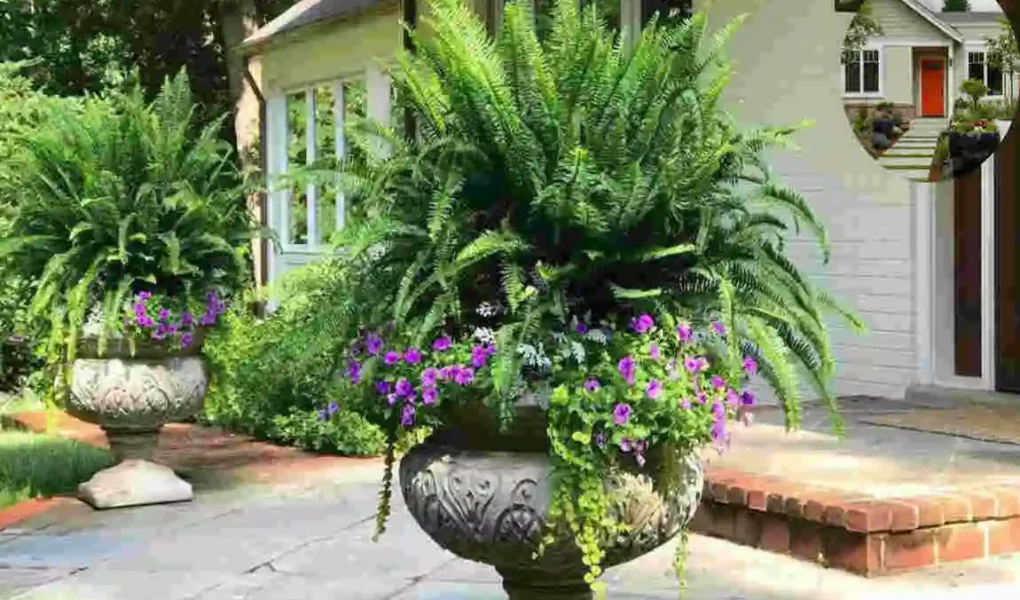
Porch corners can sometimes look empty or dull. Tall tapered planters help add height and depth to these spaces.
Layering plants with different textures creates a fuller and more attractive design.
Good options include:
- Ferns
- Palms
- Boxwood shrubs
- Ivy
Walkway and Staircase Planters
Narrow planters are ideal for walkways because they save space while still adding beauty.
Safety is important here. Avoid oversized containers that block walking paths or stairs.
Low-maintenance greenery works especially well near walkways.
Window and Railing Planters
Window boxes and railing planters should stay compact and lightweight.
These planters are perfect for:
- Colorful flowers
- Herbs
- Cascading plants
Choose sizes that fit securely without overwhelming the windows.
Garage and Driveway Planters
Garage areas often benefit from larger containers because the surrounding spaces are usually wide and open.
Durable materials like concrete or fiberglass are best suited for these areas because they resist weathering.
Choosing Planter Shapes for Your Home Style
The shape of your planter affects the overall look of your home exterior.
Round Planters
Round planters have a soft and timeless appearance. They work beautifully with traditional and classic homes.
These planters help create a welcoming and relaxed atmosphere.
Best uses include:
- Flower arrangements
- Shrubs
- Cottage-style homes
Square and Cube Planters
Square planters offer clean lines and modern appeal.
They are perfect for:
- Minimalist homes
- Contemporary exteriors
- Modern landscaping
Black or neutral-colored cube planters are especially popular in modern designs.
Tall Tapered Planters
Tall tapered containers create elegance and height.
They are ideal for:
- Narrow porches
- Front entryways
- Upscale home designs
These planters help make small spaces appear taller and more stylish.
Rectangular Planters
Rectangular planters work well for layered landscaping and wide spaces.
They are often used for:
- Walkways
- Porch edges
- Multiple plant arrangements
These containers provide plenty of room for creative plant combinations.
Best Materials for Front House Planters
The material of your planter affects durability, appearance, and maintenance.
Ceramic Planters
Ceramic planters are stylish and decorative. They come in many colors and finishes.
Advantages include:
- Elegant appearance
- Great for decorative spaces
- Variety of styles
However, ceramic containers can crack in freezing temperatures.
Fiberglass Planters
Fiberglass is one of the most popular materials for modern front house planters.
Benefits include:
- Lightweight
- Durable
- Weather-resistant
- Easy to move
They are ideal for homeowners who want both style and convenience.
Concrete Planters
Concrete planters are heavy and durable. They work best in large outdoor spaces.
Advantages include:
- Strong wind resistance
- Long lifespan
- Modern appearance
These planters are excellent for permanent landscaping designs.
Wooden Planters
Wooden planters create warmth and rustic charm.
They fit beautifully with:
- Farmhouse homes
- Cottage exteriors
- Natural landscaping
Proper waterproofing helps prevent rot and moisture damage.
Plastic and Resin Planters
Plastic and resin containers are affordable and practical.
They are:
- Lightweight
- Budget-friendly
- Easy to clean
- Available in many styles
Modern resin planters can even mimic stone or ceramic finishes.
Front House Planter Ideas Based on Home Styles
Different home styles pair better with certain planter designs.
Modern Homes
Modern homes often look best with oversized planters in black, gray, or white finishes.
Simple greenery works especially well, such as:
- Snake plants
- Boxwoods
- Tall grasses
Minimal arrangements help maintain a clean and sleek appearance.
Farmhouse-Style Homes
Farmhouse exteriors pair beautifully with rustic wooden planters.
Popular additions include:
- Seasonal flowers
- Lavender
- Ferns
- Decorative greenery
Layered arrangements create warmth and charm.
Traditional Homes
Traditional homes benefit from symmetrical planter arrangements.
Classic urn planters with evergreen shrubs create a timeless appearance.
Neutral colors usually work best for traditional designs.
Coastal Homes
Coastal-style homes often use light-colored planters with tropical greenery.
Great choices include:
- Palm plants
- Tropical flowers
- White or sandy-colored containers
These combinations create a fresh and airy feel.
Small Houses and Apartments
Small spaces need smart planter placement.
Good solutions include:
- Vertical planters
- Slim containers
- Hanging planters
Compact arrangements help maximize style without taking up too much space.
Seasonal Tips for Front House Planters
Changing your planters with the seasons keeps your home looking fresh all year.
Spring Planter Arrangements
Spring is perfect for bright flowers and colorful greenery.
Popular spring plants include:
- Tulips
- Daffodils
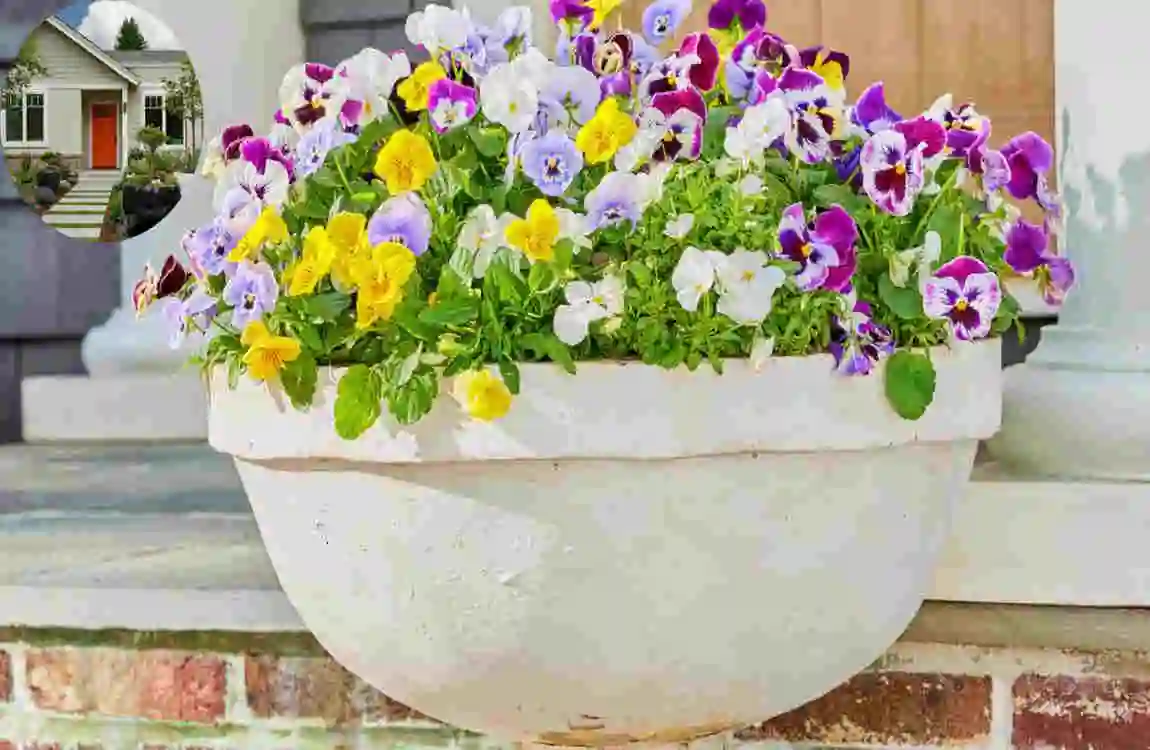
- Pansies
Fresh colors instantly improve curb appeal after winter.
Summer Styling Ideas
Summer planters often feature bold colors and tropical textures.
Great summer additions include:
- Palms
- Petunias
- Decorative grasses
Large planters help retain moisture during hot weather.
Fall Front Porch Planters
Fall designs focus on warm tones and seasonal decor.
Popular choices include:
- Mums
- Pumpkins
- Ornamental cabbage
These arrangements create cozy and welcoming entrances.
Winter Planter Decor
Winter planters can still look beautiful even without flowers.
Consider using:
- Evergreen branches
- Pinecones
- Decorative lights
- Holiday accents
These simple additions help maintain curb appeal during colder months.
Common Mistakes to Avoid When Choosing Front House Planters
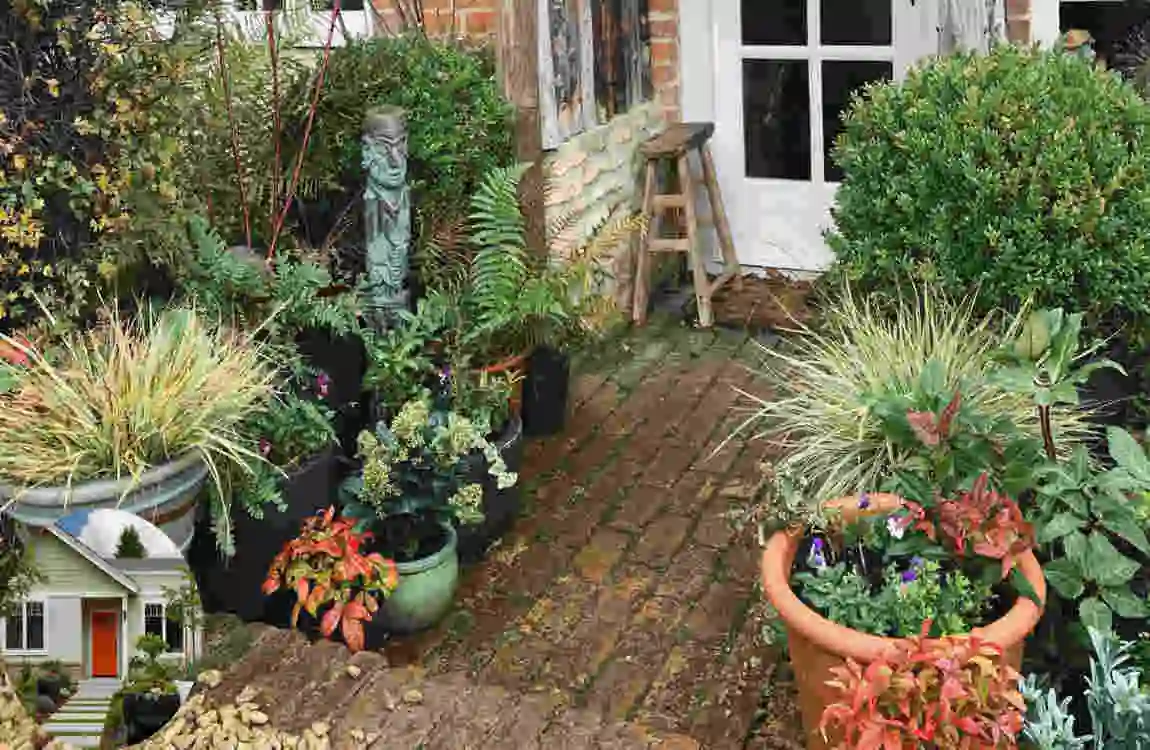
Many homeowners make small mistakes that affect the final look.
Choosing Planters That Are Too Small
Tiny planters often look disconnected from the house design.
They may also:
- Dry out quickly
- Limit root growth
- Require more maintenance
Larger containers usually have a greater visual impact.
Ignoring Drainage
Poor drainage can damage plants and lead to root rot.
Always choose planters with proper drainage holes to prevent water buildup.
Overcrowding the Porch
Too many planters can make your entrance feel cluttered.
Focus on balance instead of quantity.
Sometimes, two well-placed planters create a stronger effect than several smaller containers.
Mismatching Planter Styles
Mixing too many shapes, materials, or colors can create visual confusion.
Try to maintain a consistent style that matches your home exterior.
Forgetting Climate Conditions
Weather matters when choosing outdoor planters.
Some materials crack in cold temperatures, while others fade under strong sunlight.
Choose durable options suitable for your local climate.
Expert Tips for Styling Front House Planters
A few styling techniques can make your planters look professionally designed.
Use Odd Numbers for Grouping
Groups of three often look more natural than even-numbered arrangements.
You can combine:
- One tall planter
- One medium planter
- One smaller planter
This creates visual interest and balance.
Layer Heights and Textures
Professional designers often use the “thriller, filler, spiller” method.
This includes:
- Tall plants for height
- Full plants for volume
- Cascading plants for softness
The result feels rich and balanced.
Add Lighting Around Planters
Lighting can make your planters stand out at night.
Popular ideas include:
- Solar lights
- Lanterns
- Small LED spotlights
Lighting also improves safety around pathways.
Coordinate Colors With Exterior Design
Your planter colors should complement your home exterior.
Try matching planters with:
- Front door colors
- Outdoor furniture
- Window trim
This creates a cohesive and polished appearance.
Frequently Asked Questions About Front House Planters
What size planters look best by a front door?
Most front doors look best with planters around 20–24 inches tall. Larger homes may require even taller containers for proper balance.
Can planters be too large for a porch?
Yes. Oversized planters can make small porches feel crowded. Always leave enough walking space around the entrance.
What are the best plants for large front house planters?
Popular choices include:
- Boxwood shrubs
- Ferns
- Decorative grasses
- Small evergreen trees
These plants provide a strong visual impact.
How many planters should I place at my entrance?
Two matching planters are the most common choice for symmetrical entrances. Smaller porches may only need one statement planter.
Are tall or short planters better for curb appeal?
Tall planters often create a stronger visual impact by adding height and elegance to the entryway.
What planting materials last the longest outdoors?
Concrete, fiberglass, and high-quality resin planters are among the most durable outdoor options.
How often should outdoor planters be replaced?
This depends on the material and climate. High-quality planters can last many years with proper care and maintenance.
| Front House Area | Recommended Planter Size | Best Planter Shape | Ideal Plants |
|---|
| Small Porch | 10–14 inches | Round or square | Petunias, herbs, succulents |
| Medium Entryway | 14–20 inches | Tall or rectangular | Marigolds, lavender, zinnias |
| Large Front Door Area | 20–30 inches | Tall statement planters | Small shrubs, fountain grass, bougainvillea |
| Wide Front Steps | 16–24 inches | Long rectangular planters | Mixed flowers and trailing plants |
| Apartment Entrance | 8–12 inches | Compact pots | Succulents, pansies, mini flowers |
| Modern Home Exterior | 18–30 inches | Sleek tall planters | Ornamental grasses, snake plants |
| Traditional Bungalow | 14–24 inches | Classic ceramic or terracotta | Colorful seasonal flowers |