Most homeowners do not spend much time thinking about the systems behind their walls and ceilings until something stops working. Heating systems are expected to turn on during cold mornings, plumbing should function without issue, and electrical systems are often taken for granted during everyday routines.
The challenge is that household systems rarely fail without warning. In many cases, problems develop gradually over time through small performance issues, overlooked maintenance, or seasonal wear that goes unnoticed until it becomes disruptive.
When breakdowns happen unexpectedly, they tend to create stress quickly. Repairs often arrive at inconvenient times, emergency service costs may be higher, and disruptions affect the entire household routine.
For many families, preventative maintenance has become less about perfection and more about creating stability. Addressing smaller issues early can help reduce unexpected expenses, improve comfort, and make everyday life feel more manageable throughout the year.
Small Issues Often Escalate Quietly
One reason preventative maintenance matters is because many home systems deteriorate gradually rather than suddenly.
An HVAC system may slowly lose efficiency due to clogged filters or worn components. Plumbing leaks can begin as minor drips hidden beneath sinks or behind walls before eventually causing larger water damage. Electrical issues may first appear as flickering lights, inconsistent outlets, or overloaded circuits.
Because these changes often happen slowly, homeowners may adapt to them without realizing performance is declining. Unfortunately, delayed attention usually increases both repair complexity and overall cost. Problems that might have been resolved through routine servicing can become much larger once systems fail entirely.
Maintaining essential systems early helps homeowners identify warning signs before they create larger disruptions.
HVAC Systems Play a Bigger Role Than Many Realize
Heating and cooling systems influence far more than indoor temperature alone.
Airflow, humidity control, indoor air quality, and energy efficiency all depend heavily on HVAC performance. When systems are not properly maintained, homeowners may begin noticing uneven temperatures, stale air, rising utility bills, or reduced comfort throughout the house.
Seasonal weather changes place additional pressure on these systems, particularly during periods of extreme heat or cold when demand increases significantly. Many homeowners schedule professional home services in Grand Rapids, MI before peak seasonal changes arrive to help ensure heating and cooling systems continue operating efficiently during periods of heavier use. Routine inspections and preventative servicing often help detect worn components, airflow restrictions, or developing mechanical issues before emergency repairs become necessary. This proactive approach not only improves comfort but may also help extend overall system lifespan.
Water Problems Can Become Expensive Quickly
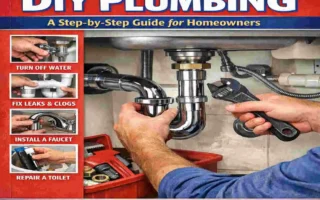
Among household maintenance concerns, water damage remains one of the most financially disruptive. Leaks, drainage problems, and moisture buildup frequently develop gradually before visible signs appear. By the time discoloration, odors, or structural damage become noticeable, repairs may already involve multiple areas of the home.
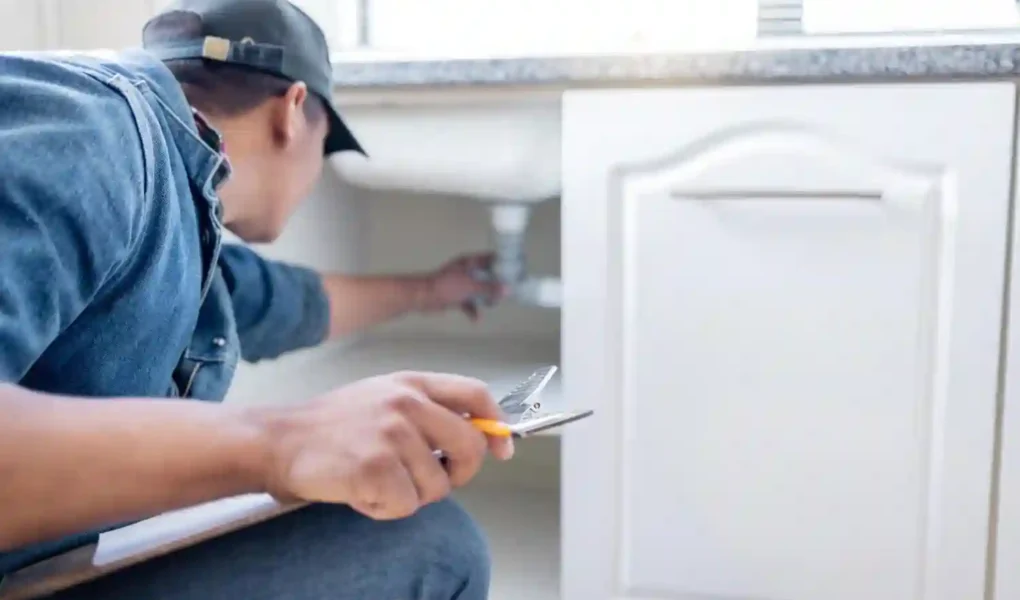
Simple preventative habits can reduce many of these risks. Regularly checking beneath sinks, inspecting appliance hoses, monitoring water pressure changes, and cleaning gutters may help identify small issues before they worsen.
Seasonal weather also affects plumbing systems significantly. Freezing temperatures, heavy rain, and changing humidity levels can place stress on pipes, roofing, and drainage systems throughout the year. Homeowners who monitor these systems consistently often avoid the larger emergencies that occur when minor concerns remain unnoticed for extended periods.
Preventative Maintenance Improves Energy Efficiency
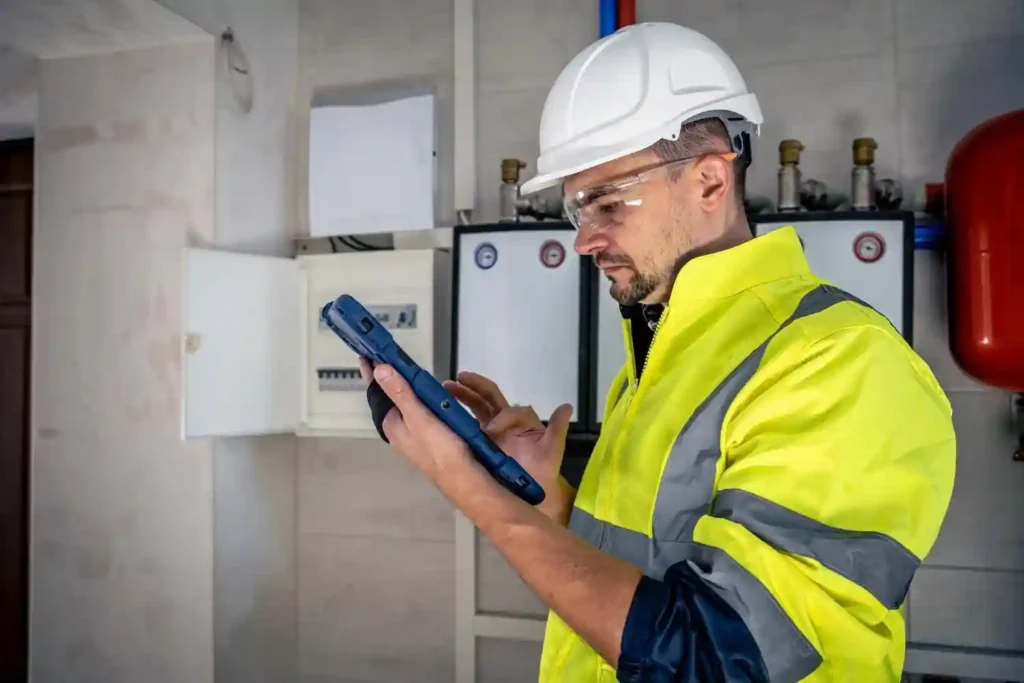
Many household systems consume more energy when they are not functioning properly. Dirty filters, blocked vents, aging components, and neglected appliances frequently require additional effort to achieve the same level of performance. This extra strain often increases utility costs gradually over time.
Because these increases may happen slowly, homeowners do not always recognize the connection between maintenance and monthly expenses immediately. Heating and cooling systems are particularly affected. Restricted airflow or inefficient operation forces systems to run longer cycles, especially during seasonal extremes.
Routine maintenance helps improve efficiency by ensuring systems operate under more optimal conditions. Over time, this may contribute to lower energy consumption while reducing unnecessary wear on equipment.
Organized Maintenance Creates Peace of Mind
One of the most overlooked benefits of preventative maintenance is psychological rather than financial. Unexpected repairs create stress because they interrupt routines and introduce uncertainty. Emergency breakdowns often require immediate scheduling adjustments, financial decisions, and temporary disruptions that affect the entire household.
Preventative care reduces some of this uncertainty by helping homeowners feel more prepared and informed about the condition of their homes.
This does not mean every issue can be avoided entirely. Homes naturally require repairs over time. However, consistent maintenance often reduces the likelihood of sudden emergencies while giving homeowners more control over timing and budgeting. For busy families especially, that predictability can make a meaningful difference.
Seasonal Maintenance Helps Simplify Responsibilities
Many homeowners find maintenance easier to manage when approached seasonally. Spring often becomes an opportunity to inspect cooling systems, outdoor drainage, roofing, and ventilation after winter weather. Fall typically shifts attention toward heating systems, insulation, and preparing homes for colder temperatures ahead.
Breaking maintenance into smaller seasonal routines prevents responsibilities from feeling overwhelming. It also encourages homeowners to stay more familiar with how their systems are functioning throughout the year rather than reacting only after problems become severe.
Simple checklists, scheduled inspections, and routine servicing appointments often make long-term maintenance far more manageable.
Indoor Comfort Depends on System Health
Comfort inside a home is influenced by many factors operating quietly in the background. Temperature consistency, ventilation, humidity levels, water pressure, and air quality all contribute to how comfortable a space feels day to day. When systems begin underperforming, homeowners may notice subtle discomfort before identifying the exact cause.
Rooms may feel stuffy, airflow may weaken, humidity may fluctuate, or heating and cooling may become inconsistent between different areas of the home.
Preventative maintenance helps preserve the systems responsible for maintaining stable indoor conditions. This becomes especially important for families with young children, older adults, or individuals sensitive to poor air quality and temperature fluctuations.
Delaying Maintenance Often Costs More Later
One common reason homeowners postpone maintenance is the hope of avoiding immediate expenses. In reality, preventative care is often far less expensive than emergency restoration or full system replacement.
A neglected HVAC issue may eventually damage larger components. A small leak left unresolved may contribute to flooring damage, mold growth, or structural repairs. Appliances operating inefficiently may fail earlier than expected due to additional strain.
Addressing smaller concerns early generally provides more affordable and manageable solutions. Organizations such as the U.S. Department of Energy continue emphasizing the importance of regular home maintenance and energy-efficient system operation as part of long-term household cost management.
Consistency Matters More Than Perfection
Home maintenance does not require constant repairs or complicated renovation projects. In many cases, the most effective approach involves simply paying attention consistently over time. Monitoring unusual sounds, checking for moisture buildup, replacing filters regularly, and scheduling periodic inspections often prevents larger issues from developing unnoticed.
The goal is not to eliminate every possible problem. Rather, it is to reduce unnecessary stress by maintaining greater awareness of how essential systems are functioning.
Small preventative habits may seem unimportant in the moment, but they often create significant long-term benefits financially, practically, and emotionally.
A More Stable Home Environment Starts With Prevention
A comfortable and reliable home rarely depends on a single major upgrade. More often, it reflects consistent attention to the systems that quietly support everyday life behind the scenes.
Heating, cooling, plumbing, ventilation, and electrical systems all work together to create the stability families rely on daily. When maintained proactively, these systems are far more likely to operate efficiently and reliably throughout changing seasons.
For homeowners trying to reduce stress, avoid larger repair costs, and create a more predictable household environment, preventative maintenance remains one of the most practical investments they can make over time.