Most major home problems do not appear suddenly. More often, they begin through small warning signs homeowners dismiss as temporary inconveniences or minor cosmetic issues. A small ceiling stain, slightly uneven temperature, cracked caulking, or a faint musty smell may not seem urgent initially, especially when daily life is already busy. Over time, however, these subtle changes often reveal larger structural, roofing, plumbing, or ventilation problems developing quietly behind the scenes.
The challenge is that houses are complex systems where small failures rarely stay isolated. Moisture spreads gradually, airflow imbalance increases strain on equipment, and minor structural vulnerabilities worsen continuously under weather exposure. The earlier homeowners recognize these signals, the more likely they are to avoid expensive repairs and widespread property disruption later.
Ceiling Stains Usually Mean More Than Cosmetic Damage
One of the most commonly ignored warning signs in homes is ceiling discoloration. Small stains or faint yellowing often appear harmless at first, especially if there is no active dripping water visible indoors. In reality, these marks frequently indicate moisture intrusion that may have already been developing for weeks or months.
Water rarely travels directly downward in a predictable way. Roofing vulnerabilities, damaged flashing, or ventilation issues can allow moisture to move through insulation and structural materials long before stains finally appear inside living spaces. By the time visible damage emerges, surrounding materials may already be affected beneath the surface.
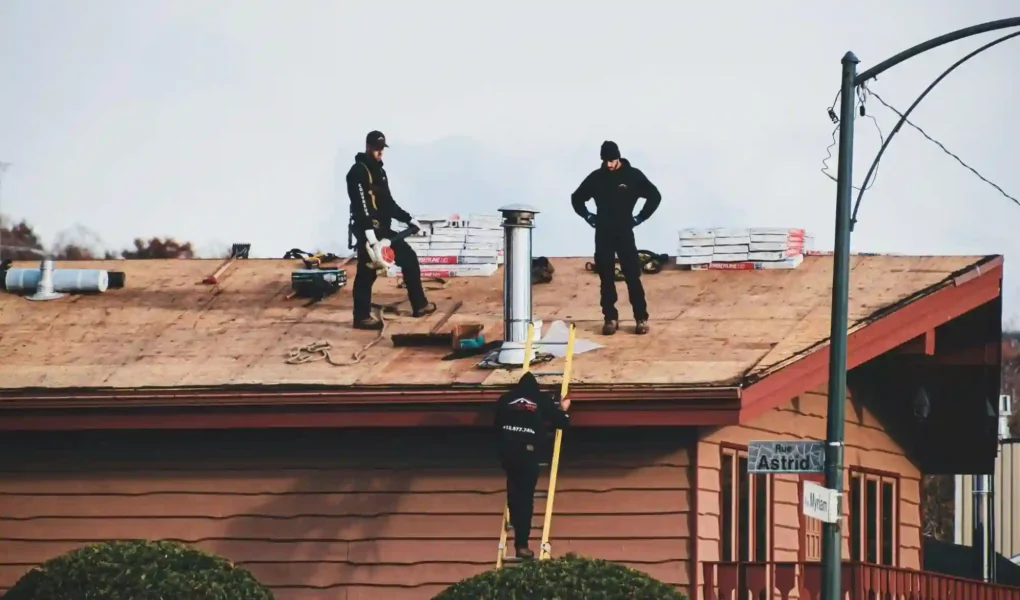
This is why professional services involving roof repair and replacement often focus heavily on identifying hidden roof deterioration before moisture spreads deeper into the structure. Small ceiling stains are rarely just cosmetic problems alone.
Uneven Temperatures Often Signal HVAC Strain
Another subtle issue homeowners frequently overlook is inconsistent indoor temperature. A bedroom that feels warmer than the rest of the house, weak airflow in one area, or systems constantly running to maintain comfort may seem manageable initially. Over time, however, these patterns often reveal HVAC inefficiency or ventilation imbalance already placing strain on the system.
Restricted airflow, aging components, dirty coils, or duct leakage can all quietly reduce performance long before complete system failure occurs. Homes may technically still cool or heat adequately during early stages of decline, making it easy for homeowners to postpone maintenance.
Unfortunately, these small comfort issues usually worsen gradually while increasing both energy usage and mechanical wear. The longer systems operate inefficiently, the more likely surrounding components are to suffer additional stress and eventual failure.
Cracks Around Windows and Walls Should Not Be Ignored
Hairline cracks near windows, doors, or walls are another detail many homeowners dismiss too quickly. While some settling is normal in homes over time, expanding cracks or recurring separation often indicate shifting pressure, moisture intrusion, or structural movement developing underneath.
Exterior cracks can also allow water and humidity to penetrate protective barriers more easily, increasing long-term exposure inside wall cavities. Once moisture begins affecting framing or insulation, deterioration often spreads quietly without immediate visible signs.
Monitoring small structural changes matters because homes rarely shift significantly without underlying causes. Small cosmetic imperfections sometimes become the earliest visible indication that larger environmental or structural stress is already developing internally.
Musty Odors Often Point to Hidden Moisture
One of the strongest indicators of hidden moisture problems is persistent odor. Homes with musty smells, especially near bathrooms, attics, basements, or ceilings, often contain ventilation or water intrusion issues homeowners have not fully identified yet.
Because smell develops gradually, many people adapt to these odors without realizing conditions are worsening over time. Moisture trapped behind walls, under flooring, or inside insulation may continue spreading long before mold growth or visible damage appears externally.
This becomes especially dangerous because hidden moisture affects both structural materials and indoor air quality simultaneously. Addressing odor early frequently prevents much larger remediation and restoration work later.
Exterior Drainage Problems Create Long-Term Damage
Many serious home issues also begin outside the home itself. Overflowing gutters, standing water near the foundation, poor drainage patterns, or roof runoff problems may seem minor during dry conditions but create increasing structural pressure over time.
Water management is one of the most important parts of protecting a house long term. When drainage systems fail, moisture exposure gradually affects roofing materials, siding, foundations, landscaping, and surrounding structural areas simultaneously.
The damage often develops slowly enough that homeowners underestimate the seriousness of the problem until visible structural deterioration or interior moisture finally appears. By then, repair costs are usually much higher than early intervention would have required.
Strange Sounds Usually Mean Something Is Changing
Homes also communicate problems through sound long before visible breakdown occurs. Creaking structures, rattling vents, dripping noises inside walls, or unusual HVAC sounds frequently indicate systems are operating under increasing strain.
Mechanical systems generally become noisier as wear progresses. Roofing materials may shift under moisture exposure. Ventilation systems struggle harder against airflow restrictions. Plumbing lines develop pressure imbalance or hidden leakage.
Because these sounds often appear gradually, homeowners may stop consciously noticing them over time. Yet the noises frequently represent early warnings that systems are changing in ways that will eventually require larger repairs if ignored too long.
Most Expensive Repairs Start Quietly
Perhaps the biggest misconception homeowners have is believing serious problems always announce themselves dramatically. In reality, the most expensive repairs usually begin through subtle signs people initially underestimate or postpone addressing because daily routines continue functioning normally.
Small stains, airflow changes, cracks, odors, or unusual noises rarely feel urgent in the moment. However, homes deteriorate gradually, not instantly. By the time major structural or roofing damage becomes obvious, the underlying issue has often been developing for much longer already.
The homeowners who avoid the largest disruptions are usually the ones who respond early to these quiet warning signs instead of waiting until visible failure forces action. Most major home problems begin much smaller than people expect, and the earlier they are addressed, the easier they usually are to control.