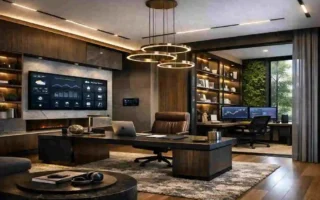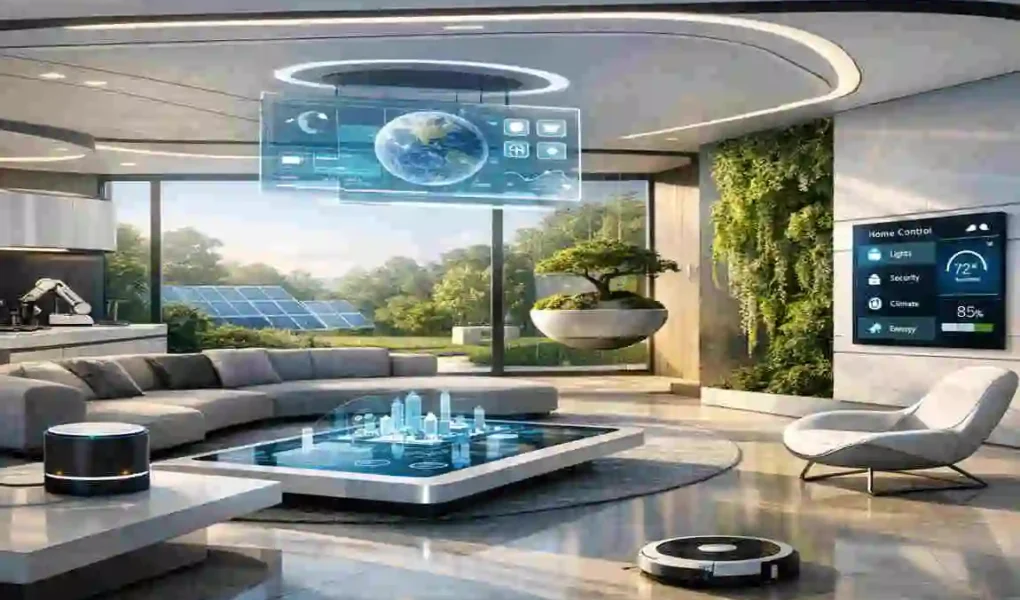
Futuristic modern homes are changing the way people think about living spaces. These homes are not just stylish to look at. They also use smart technology, clean design, and eco-friendly features to make everyday life easier and more comfortable.
Many homeowners today want more than just a pretty house. They want a space that saves energy, works with their lifestyle, and feels ready for the future. That is why smart home design and modern futuristic architecture are becoming so popular.
A futuristic home usually blends technology, sustainability, and luxury in a simple but powerful way. It may have voice-controlled lights, large glass walls, solar panels, and furniture that saves space. In short, it looks modern, feels smart, and works efficiently.
If you are wondering what truly makes a home futuristic and modern, the answer is a mix of design, innovation, and comfort.
What Are Futuristic Modern Homes?
Defining Futuristic Home Design
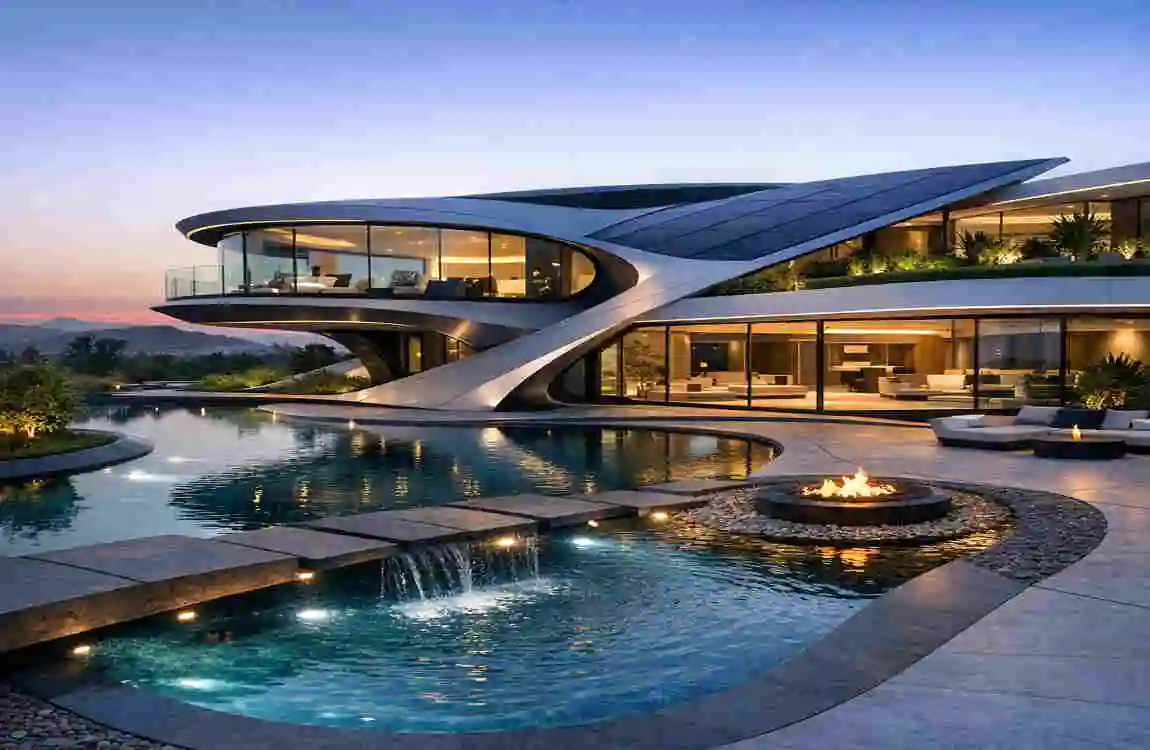
A futuristic home is built to look sleek, feel open, and function intelligently. It often uses minimalism with advanced features, which means the house looks simple on the outside but is packed with modern tools inside.
These homes avoid clutter and focus on smooth lines, open spaces, and practical layouts. The goal is to make the home feel fresh, efficient, and easy to live in.
Difference Between Traditional and Futuristic Homes
Traditional homes often emphasize classic looks and basic functionality. Futuristic homes go a step further by adding smart systems, energy-saving materials, and flexible spaces.
Here is a simple comparison:
FeatureTraditional HomeFuturistic Modern Home
Design Classic and detailed, Sleek and minimal
Technology Limited Smart and connected
Energy Use Often higher , More efficient
Materials : Standard building materials , Eco-friendly options
Layout Fixed rooms Open and flexible spaces
This difference is what makes futuristic homes stand out. They are designed for how people live now and how they may live in the future.
Key Architectural Features of Futuristic Modern Homes
Clean and Minimalist Design
One of the strongest signs of a futuristic home is its simple, clean design. You will often see straight lines, smooth surfaces, and sharp edges. The home’s shape may be geometric, bold, or even unusual, yet it still feels balanced.
Minimalism is important because it removes visual noise. This makes the home feel calm, organized, and modern.
Open Floor Plans
Futuristic homes usually avoid too many walls. Instead, they use open floor plans that make spaces feel larger and brighter. This layout helps natural light move through the home and gives families more flexibility.
An open layout also allows different areas to connect easily. For example, the kitchen, dining, and living room may blend into one large space.
Large Glass Walls and Windows
Big windows and glass walls are another common feature. They create a strong connection between indoor and outdoor spaces. They also let in more daylight, reducing the need for artificial lighting during the day.
This design choice adds a luxurious feeling while also improving energy efficiency.
Unique Exterior Shapes
Many modern luxury homes use creative shapes to look bold and different. Some have curved walls, floating roofs, or asymmetrical forms. These details make the home feel advanced and special without losing comfort.
Smart Technology in Futuristic Modern Homes
Home Automation Systems
A futuristic home is often a smart home. That means many tasks can happen automatically. Lights can turn on by voice command. Curtains can open at sunrise. The thermostat can adjust itself based on the weather.
This kind of automation saves time and makes daily life easier. It also gives homeowners more control over their space.
AI-Powered security
Security is another major part of futuristic living. Smart locks, motion sensors, and facial recognition cameras can help protect the home. Many systems send alerts straight to a phone, so the homeowner can check what is happening even when away.
This makes the home feel safer and more connected.
Smart Appliances and IoT Connectivity
Modern futuristic homes often include appliances that do more than basic cooking or cleaning. Refrigerators may have touch screens. Ovens can be preheated from a phone. Washing machines can save water and energy.
These devices are connected through the Internet of Things, or IoT. This means they can work together and be controlled remotely.
Common Smart Features at a Glance
- Voice-controlled lights and speakers
- Smart thermostats
- Automated curtains
- App-based security systems
- Connected kitchen appliances
These features make the home not only modern but also more personal and practical.
Sustainable Features That Make Homes Futuristic
Solar Energy Integration
Many modern, futuristic homes use solar panels to generate clean power. Some also include battery storage systems that store excess energy for later use. This lowers electricity bills and reduces dependence on traditional power sources.
Eco-Friendly Building Materials
Sustainability is a major part of future-focused design. Builders may use recycled steel, bamboo, or sustainable concrete. These materials help reduce waste and often last longer.
Water Conservation Systems
Futuristic homes may also use rainwater harvesting, greywater recycling, and smart irrigation. These systems help conserve water without making life harder for homeowners.
Energy Efficiency
Good insulation, triple-glazed windows, and smart HVAC systems help the home stay cool in summer and warm in winter. This means less energy use and more comfort.
Interior Design Elements of Futuristic Modern Homes
Neutral and Monochrome Color Palettes
Inside, futuristic homes usually use colors like white, grey, black, and metallic shades. These tones create a clean and elegant feel. They also make spaces look larger and more polished.
Multi-Functional Furniture
Furniture in these homes often serves multiple purposes. A sofa may hide storage. A table may fold away. A bed may include built-in drawers. This keeps the home neat and efficient.
Smart Lighting Design
Lighting plays a big role in creating a futuristic feeling. LED lights, mood lighting, and motion sensors can quickly change a room’s atmosphere. This makes the space both beautiful and practical.
Touchless Technology
Touchless faucets and voice-controlled systems are becoming more common. They add convenience, improve hygiene, and make the home feel advanced.
Trends Shaping the Future of Modern Homes
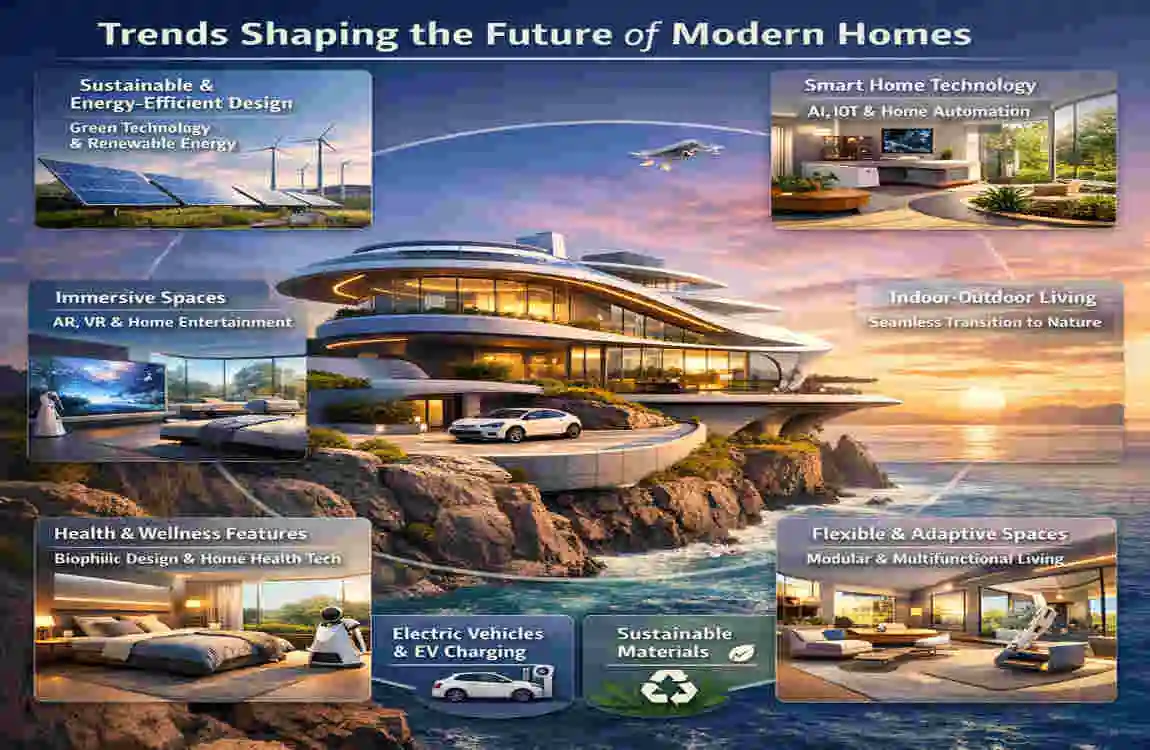
Futuristic homes offer more than style. They also give real-life benefits that improve daily living.
Better Energy Savings
Smart systems and efficient materials help reduce waste and lower utility costs.
Improved security
Advanced locks, cameras, and sensors make the home safer.
Greater Comfort and Convenience
Automation makes everyday tasks easier and faster.
Higher Home Value
Homes with modern features often attract more buyers and can hold strong market value.
Reduced Environmental Impact
Eco-friendly materials and energy-saving systems help protect the planet.
How to Turn Your Existing Home Into a Futuristic Modern Home
If you do not have a new home, you can still make your current home feel futuristic.
Start with Smart Lighting
Replace older bulbs with smart LED lights. These are easy to control and can change a room’s mood.
Upgrade to Smart security.
Install smart locks, cameras, or motion sensors for better safety.
Use Energy-Efficient Appliances
Choose appliances that save water and electricity.
Add Minimalist Design Elements
Remove clutter, use clean lines, and keep furniture simple.
Improve Insulation and Sustainability
Better insulation, sealed windows, and eco-friendly upgrades can make a big difference.
FAQ
What are futuristic modern homes?
They are homes designed with smart technology, clean architecture, and eco-friendly features.
Are futuristic modern homes energy efficient?
Yes. They often use solar power, smart systems, and better insulation to reduce energy use.
Can older homes be made futuristic?
Yes. Smart lighting, modern security, and minimalist updates can transform an older home.
Are futuristic homes expensive?
They can cost more at first, but they often save money over time through lower energy and maintenance costs.
| Feature | Why it matters | Example |
|---|---|---|
| Smart automation | Increases convenience, energy efficiency, and personalization | Voice-controlled lighting, automated blinds, routines that adjust temperature and lighting |
| Integrated connectivity | Seamless control and data flow across devices | Central hub or app linking HVAC, security, appliances, and entertainment |
| Energy efficiency | Lowers running costs and environmental impact | LED lighting, high-performance insulation, solar panels, smart thermostats |
| Flexible, open layout | Supports changing needs and multi-use spaces | Movable partitions, multipurpose rooms, open-plan living |
| Minimalist aesthetics | Emphasizes clarity, calm, and timelessness | Clean lines, neutral palette, hidden storage |
| Sustainable materials | Reduces environmental footprint and improves health | Recycled, low-VOC finishes, bamboo or reclaimed wood |
| Advanced security & privacy | Protects residents while preserving data control | Biometric access, encrypted home network, local data storage options |