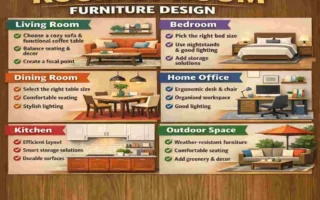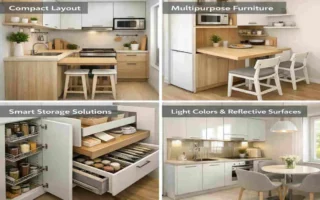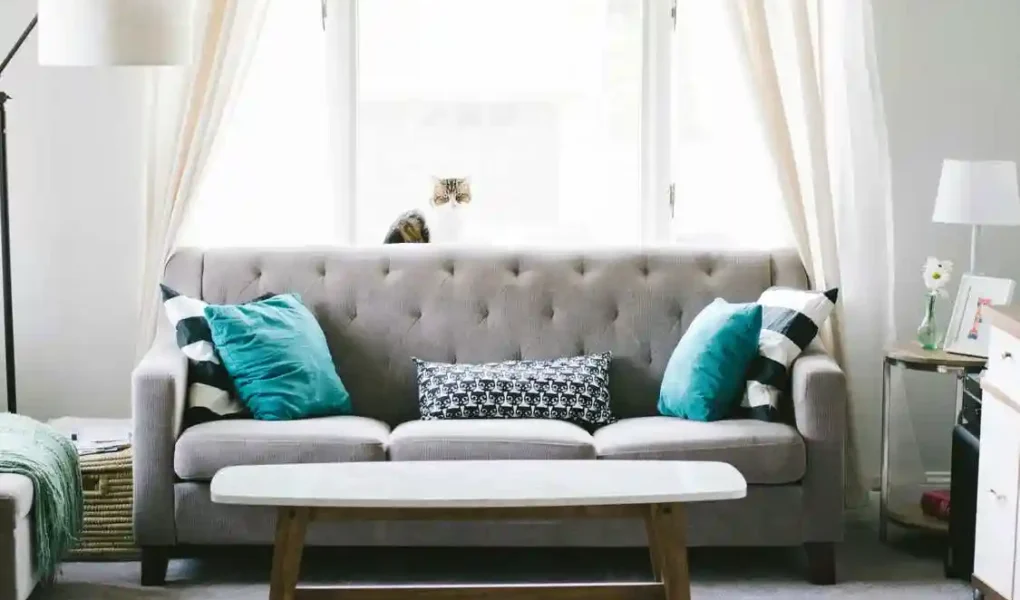
Furniture does far more than fill empty corners – it’s what gives a home its character and personality. Choosing the right pieces helps you express your style while making every room feel welcoming and comfortable.
Visual appeal matters, but furniture needs to fit seamlessly into your daily life too. Sometimes a plush sofa needs to double as a guest bed, or you might need tough fabrics to cope with children or energetic pets. Finding the sweet spot between style, practicality, and your own taste is what brings a space together.
Great furniture choices don’t just look good; they make life easier and smoother at home. Taking time to pick pieces that suit both how you live and how you want your home to feel can truly transform your space into somewhere you’re happy to spend your time.
Understanding Your Personal Style and Requirements
Before you start shopping for furniture, take a bit of time to think about what really suits you – both in terms of looks and how you live day to day. Furniture is about so much more than appearances; it needs to work for your routines and keep up with your lifestyle. If you’re feeling stuck, chatting with an interior designer can spark ideas and help you figure out what will genuinely suit your home and habits.
It’s worth thinking about your daily rhythm first. Do you share your space with children or pets who like to put furniture to the test? In that case, you’ll want materials that can cope with spills, scratches, and general mischief. Go for materials that can take a bit of a beating, so you’re not replacing your sofa every year! If you love having friends round, it’s sensible to look for bigger seating options like a roomy sofa or a table that happily hosts all your guests.
Don’t forget, your taste needs a voice too. Are you drawn to the clean look of minimalism, the homely charm of rustic decor, or maybe something a bit more timeless? Exploring brands such as Ego Italiano can provide inspiration for finding furniture that reflects your personal style. Try whipping up a mood board on Pinterest with your favourite colours, textures, and design ideas. This will give you a clearer picture of what you like and help steer your choices when it’s time to shop.
Picking furniture is really about making sure your home fits how you live and feels right for you. Getting honest about your needs and sense of style before you shop will save you hassle, and make sure everything you choose actually makes everyday life easier and more enjoyable.
The Art of Mixing and Matching Furniture Styles
Combining furniture styles is your ticket to a space that feels truly yours. Mixing pieces from different times and looks means your home won’t end up feeling like a stale showroom; instead, it has warmth, personality, and that lived-in feel everyone loves. With so many options available, choosing from a range of elegant Italian furniture selections from Ego Italiano can help introduce sophistication while allowing for seamless style blending.
To help things work together, find some elements that tie it all in—perhaps by repeating a colour, a finish, or a certain pattern. For example, if you’re working with both modern and vintage furniture, a matching wood tone or a splash of the same colour across your pieces brings everything together.
It’s also worth keeping an eye on balance. Set a sleek, modern sofa next to a rustic, chunky coffee table and suddenly both gain impact. These contrasts aren’t just interesting; they give the room character, as long as they don’t end up fighting for attention.
Pay attention to size too. If you fill the room with hefty pieces, things will get cramped fast—space out larger items with lighter ones so nothing dominates, and all your choices feel like part of the same conversation.
Mixing styles at home is basically a celebration of what you love, but harmony matters. Stick to a few guiding principles and you’ll end up with a room that’s inviting, engaging, and feels unmistakably like your own.
Space Planning Essentials
Before furniture shopping gets underway, grab your tape measure and jot down the actual size of your room, including the spots where doors, windows, and tricky corners interrupt the walls. These details decide where anything bigger than a houseplant will actually fit.
Having those numbers, sketch out your floor plan or use a free online planner. It makes a genuine difference seeing how pieces could fall into place—and you’ll quickly spot if that dreamy corner sofa will hog walking space or if a dining table will graze a radiator.
Matching your furniture to the room’s size is key. Squeezing a bulky dresser into a small space will just make everything feel cramped, while little items in a large room can seem oddly adrift. Choose pieces that suit the space so it all feels intentional and pulled together.
Leave clear pathways for moving about, allowing easy flow throughout the space. When furniture fits well, it all feels more comfortable, and you get a more stylish, clutter-free room too.
Selecting the Right Materials
Looking at furniture materials isn’t just about style—practicality and everyday use matter just as much. Hardwoods like oak or cherry get top marks if you want furniture to stand the test of time, especially for things like dining tables or sturdy bed frames. Pine and other soft woods are lighter on the wallet, but they can show scuffs and dents sooner, so they’re better suited to less busy spots.
Upholstered pieces bring their own set of decisions. Leather is a favourite if you want something that shrugs off spills and wipes clean with minimal worry, a real lifesaver for busy homes with children or pets. Many premium furniture brands, including Ego Italiano, combine high-quality leather and fabric options with contemporary designs that balance comfort and practicality. Cotton and other soft fabrics feel inviting but will need more effort to keep looking their best since they’re magnets for stains. In those areas where your sofa or chairs will see a lot of action, synthetic materials can be a practical bet—they usually clean up easily and take rough treatment in their stride.
Finishes are worth thinking about too. High-gloss looks sharp and draws the eye but you’ll find yourself cleaning fingerprints and smudges regularly. Matte finishes, by contrast, are much more forgiving; they let you skip a few cleans without the furniture looking messy.
If you match what the material offers with what your home genuinely needs, you’ll avoid surprises and keep your furniture looking good for years with far less effort. It’s all about finding that balance—something that comfortably fits your life, looks great, and doesn’t make you dread cleaning day.
Creating a Cohesive Colour Palette
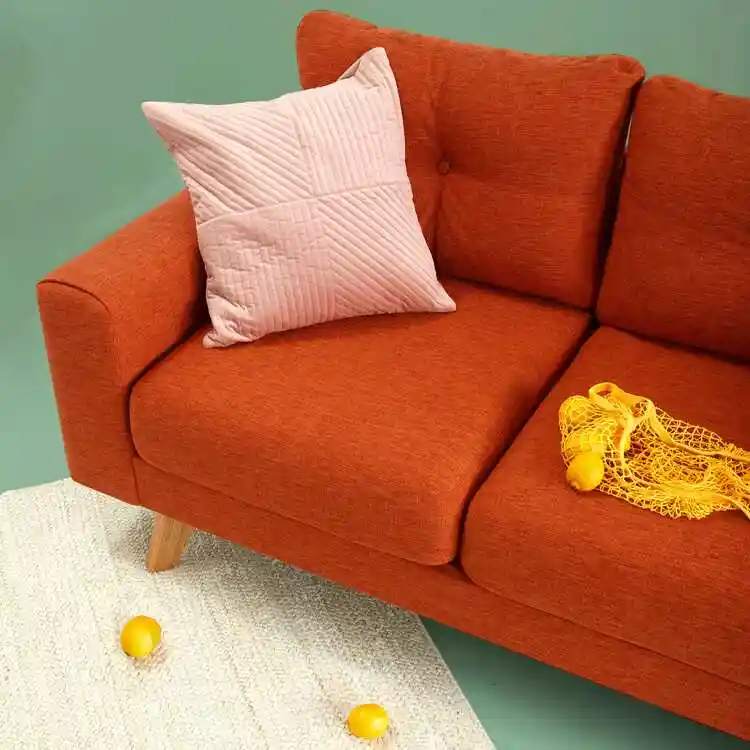
Start with neutral tones as your anchor—they give your interiors flexibility and make it easier to adapt your decor over time. Shades like white, beige, or grey create a soft backdrop that lets your favourite pieces shine without making the room feel too busy.
Once you’ve laid down your neutrals, add a splash of personality with accent colours. Think about what you’re drawn to, whether that’s rich greens, calming blues, or something lively. Introduce these through cushions, throws, art, or even a standout armchair. If you love blue, for instance, pairing a navy sofa with lighter blue accessories brings in depth without the chaos.
Getting the mix right between neutral basics and pops of colour creates a comfortable, balanced space. Remember, colours can look surprisingly different as the light shifts throughout the day. Have a look at paint and fabric samples under both natural daylight and your evening lamps before deciding. This way, you’re not caught off guard by how a colour transforms when the sun goes down.
With a careful blend of calm tones and accents you love, your finished palette can make the room feel harmonious and inviting, whatever the season or time of day.
Effective Shopping Strategies
Heading out to shop for furniture? Save yourself time and stress by jotting down a clear list of must-have items and setting a firm budget before you leave home. Sticking to your essentials means you’re less likely to end up with that oversized chair you didn’t actually need or blow your spending plans.
Having your list ready gives you a sense of purpose in shops, making it much easier to tune out flashy displays or tempting offers that don’t fit your requirements.
It really pays to visit several shops, from big-name retailers to smaller independent stores. This isn’t just about pricing—more shops mean more variety, and sometimes you’ll spot unique pieces in person that you’d never come across online. You can properly check the quality up close and compare materials side by side.
Trying out furniture in person is still the best way to judge comfort. Just like you wouldn’t buy shoes without trying them on, park yourself on that sofa or stretch out on the bed. This way, you know it actually suits you and anyone else at home. A quick sit and feel can reveal if something is going to work for everyday use—much more reliable than guessing from a website photo.