Turning a metal building into a house is becoming more popular every year. Many people like the idea because it can be faster, cheaper, and more flexible than building a traditional home from scratch. If you already own a steel building, a barn, or a workshop, you may be closer to your dream home than you think.
What Does It Mean to Turn a Metal Building Into a House?
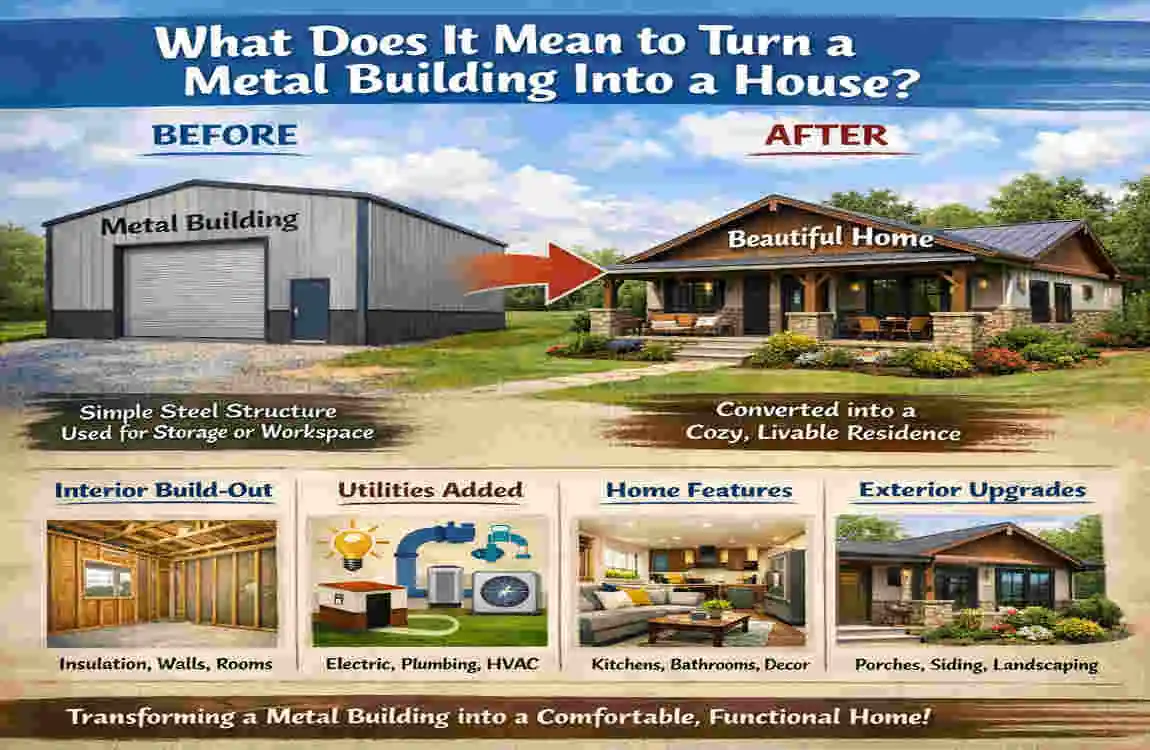
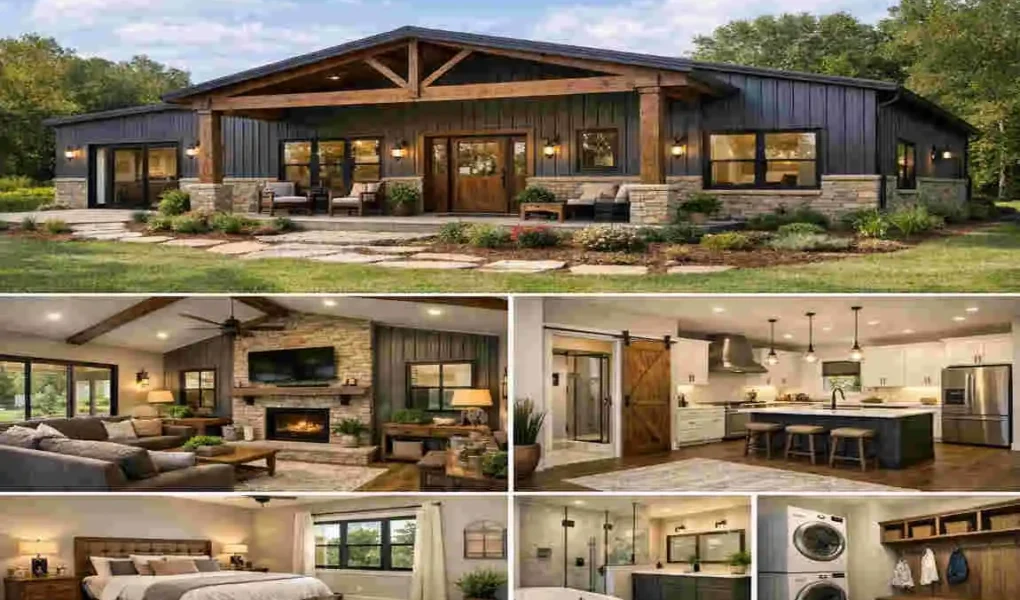
A metal building home is usually a structure with a steel frame and metal shell that is changed into a livable house. This can include old barns, warehouses, workshops, garages, or prefabricated steel buildings. People often call these homes barndominiums, especially when they mix living space with storage or work areas.
Understanding Metal Building Homes
A metal building is built to be strong and long-lasting. The frame is often made of steel, which helps it withstand wind, pests, and fire. Unlike a standard wood home, a metal structure can offer a large, open space inside, giving you more freedom when planning rooms.
There are different types of metal buildings. Pole barns often use posts in the ground, while prefabricated metal buildings usually come with a more defined steel frame. Both can be converted, but the best choice depends on the condition of the building and your local rules.
Why People Convert Metal Buildings Into Homes
Many homeowners choose this path because it can be a smart housing option. A metal building may cost less than a full new build and take less time to finish. That makes it appealing if you want a custom home without a long construction schedule.
People also like the modern look and the easy-care lifestyle. Metal homes can be designed in many ways, from rustic and cozy to clean and modern. For many families, the freedom to shape the space is one of the biggest benefits.
Is It Legal to Live in a Metal Building?
Yes, in many places it is legal, but only if the building meets local zoning laws, building codes, and residential permit rules. This is one of the first things you should check before spending money on conversion work.
Some areas allow metal buildings as homes, while others only allow them for storage or business use. You may also need inspections for electrical, plumbing, fire safety, and insulation. So before you start, make sure your project is allowed where you live.
Can Any Metal Building Be Converted Into a House?
Not every metal building is a good candidate for home conversion. Some are strong and ready for upgrades, while others need major repairs first. A careful review at the start can save you time and money later.
Structural Suitability
The building must be strong enough to support residential use. That means checking the frame, roof, walls, and foundation. If the structure has rust, leaks, or damage, it may need repairs before you can move forward.
A professional engineer or contractor can help you see whether the building is safe. This matters because a house must handle daily living, not just storage. The structure must support walls, ceilings, insulation, and all utility systems too.
Size and Layout Considerations
Size matters a lot when you plan a home conversion. You need enough room for bedrooms, bathrooms, a kitchen, and living areas. Ceiling height is also important because it affects comfort, lighting, and air flow.
A wide building usually gives you more design freedom. Open floor plans work especially well in metal building homes because the interior often starts as one large space. If you want to expand later, make sure the structure supports it.
Common Types of Buildings Used for Conversion
Some buildings work better than others. The most common ones include:
- Steel warehouses
- Agricultural barns
- Detached garages
- Workshops
- Industrial metal structures
These buildings often have open spaces and strong framing, making them easier to convert into living areas. Still, each one needs a close inspection before any work begins.
Step-by-Step Guide on How to Turn a Metal Building Into a House
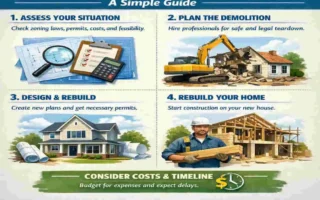
Now let’s go through the conversion process step by step. This is where planning matters most. A good plan can help you avoid delays, extra costs, and code problems.
Evaluate the Existing Structure
Start by checking the building’s condition. Look for rust, corrosion, roof damage, dents, leaks, and foundation issues. If the building is older, it may require a more thorough inspection.
A qualified engineer or contractor can tell you if the structure is sound. This step is important because you do not want to build a home on a weak shell. Think of it as the foundation of your entire project.
Check Zoning and Permits
Before any major work starts, contact your local building office. Ask whether the property is zoned for residential use and what permits you need. This may include permits for structural changes, plumbing, electrical work, septic systems, and occupancy.
This part may feel slow, but it protects you from big problems later. If you skip permits, you may face fines or be forced to redo work. A legal, approved project is always the safer choice.
plan Your House Layout
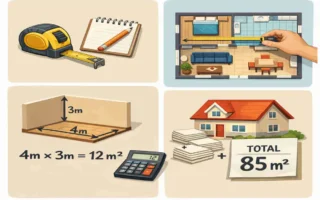
Once you know the building can be used, sketch out the floor plan. Decide where the bedrooms, bathrooms, kitchen, and living room will go. Many people choose an open layout because it feels spacious and makes the most of the building’s shape.
Think about daily life. You want bedrooms in quiet areas, bathrooms near plumbing lines, and the kitchen close to the main living space. Good planning now makes the home much more comfortable later.
install a Strong Foundation If Needed
Some metal buildings already sit on a solid slab, while others need foundation upgrades. If the floor is weak or uneven, you may need a new slab, crawl space, or reinforcement work.
The foundation supports the whole home, so it must be stable and level. If you are unsure about the existing base, ask a professional to inspect it before continuing.
Add Framing for Interior Walls
Most metal buildings are open inside, so you will likely need framing for bedrooms, bathrooms, and other rooms. Builders often use wood framing or steel studs to create interior walls.
This step turns one large shell into a real home. It also gives you places to run plumbing, wiring, and insulation. The layout should stay practical and easy to maintain.
Insulate the Metal Building
Insulation is one of the most important parts of the project. Metal buildings can get very hot in summer and very cold in winter, so good insulation helps control temperature and reduce energy costs.
Common options include spray foam insulation, fiberglass batts, and rigid foam boards. Spray foam is popular because it helps seal gaps and reduce moisture problems. Without proper insulation, condensation can build up and damage the interior.
Plumbing and Electrical Work
Now it’s time to install the systems that make the building livable. This includes water supply, drainage, electrical wiring, outlets, lighting, and HVAC planning.
Qualified professionals must install these systems in most areas. It’s better to do them correctly from the start than to fix problems later. Plan where sinks, showers, appliances, and air vents will go before the walls are closed.
Add Doors and Windows
Doors and windows change the whole feel of the building. They bring in natural light, improve air flow, and make the space feel like a real home. They also help with energy use when chosen carefully.
Place windows where they can brighten main living areas. Use energy-efficient models if possible, because they can help keep heating and cooling costs lower over time.
install Flooring, Ceiling, and Drywall
After the systems are in place, you can finish the inside. This may include concrete floor polishing, vinyl plank, tile, hardwood, or carpet. Many metal building homes use durable, easy-to-clean flooring.
Walls are often finished with drywall, and ceilings may be covered or left partly open depending on the design style. This is the stage where the building starts feeling like a true house.
Final Interior and Exterior Design
The last step is adding your personal style. Paint the walls, install cabinets, choose lighting, and finish trim and hardware. Outside, you may want to improve the roof, add porches, and work on landscaping.
This is where the conversion becomes your home. Whether you want rustic charm or a modern look, the design choices should match your lifestyle and budget.
How Much Does It Cost to Turn a Metal Building Into a House?
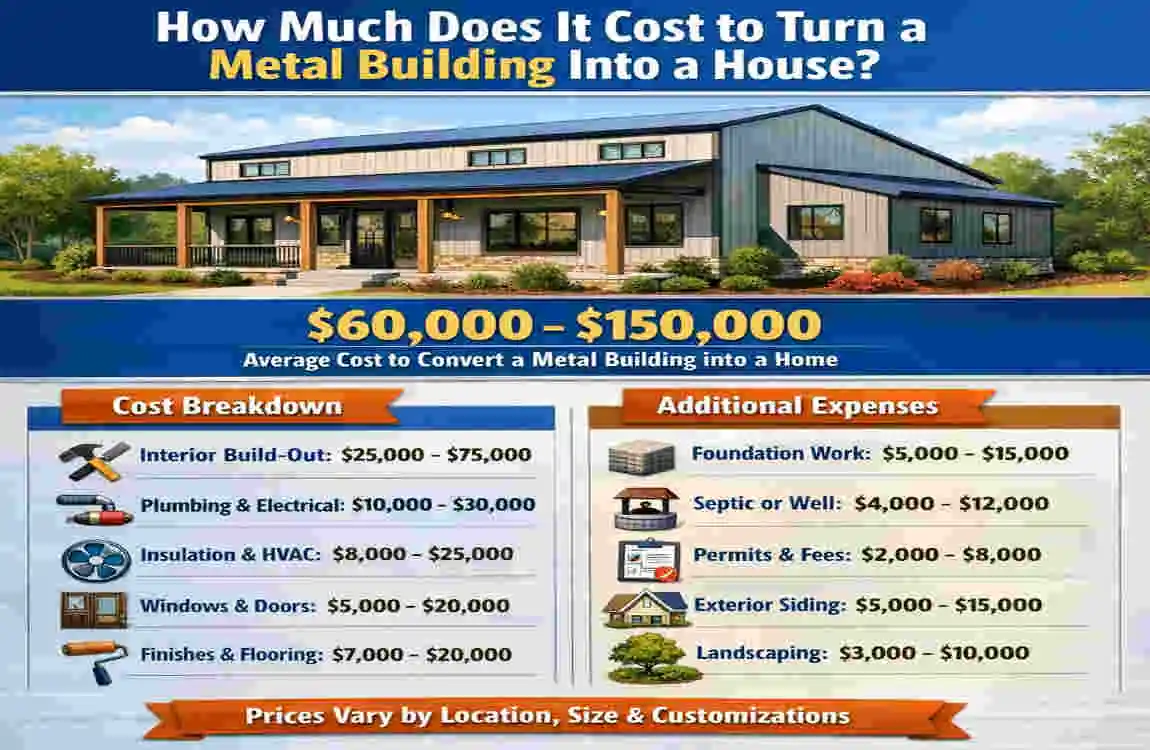
The cost depends on the building’s size, condition, and the amount of work needed. Some projects stay fairly affordable, while others become expensive if major repairs or custom finishes are involved.
Average Conversion Cost Breakdown
Here is a simple table to help you understand the main cost areas:
Cost ItemWhat It Covers
Building purchase Buying the metal structure
Foundation Slab, crawl space, or reinforcement
Framing Interior walls and room layout
Plumbing Water lines, drains, fixtures
Electrical Wiring, outlets, lighting
Insulation Temperature control and moisture protection
Roofing Repairs or upgrades
Interior finishes Drywall, flooring, cabinets, paint
Estimated Cost Per Square Foot
A basic conversion may cost less per square foot than a custom traditional home. A modest build may stay in the lower range, while a mid-range home with better finishes will cost more. Luxury conversions with custom windows, high-end flooring, and large living spaces can become much more expensive.
Factors That Affect Total Cost
Several things can push the budget up or down:
- Building size
- Local labor rates
- Permit fees
- Insulation quality
- Utility connections
- Interior customization
If the shell is already strong and the foundation is good, you may save a lot. If you need major repairs, the cost can climb quickly.
Cost Comparison: Metal Home vs Traditional House
A metal home conversion often gives you faster construction and lower maintenance than a traditional wood house. It may also offer long-term value because steel is durable and often easier to care for.
That said, the final cost depends on your finish level. A simple metal home may be very budget-friendly, while a fully custom one may cost just as much as a standard house.
Pros of Converting a Metal Building Into a House
There are many good reasons to consider this type of project. For the right person, it can be a very smart move.
Durability and Strength
Steel buildings are known for strength. They resist pests better than wood, and they can withstand weather and fire when built correctly. That can give homeowners peace of mind.
Faster Construction Timeline
Many metal buildings go up quickly because the shell is already there. That can save time compared to starting from an empty lot. Once the structure is approved, the conversion can move fast.
Lower Long-Term Maintenance
Metal building homes often need less upkeep over time. They do not face the same pest problems as many wood homes, and the frame is usually very durable.
Flexible Design Options
You can make the space feel rustic, modern, farmhouse-style, or minimalist. The large open space inside gives you room to design in a way that fits your life.
Sustainability
Steel can be recycled, and energy-efficient insulation can help reduce heating and cooling use. That makes the project appealing for homeowners who want a more efficient home.
Challenges You May Face During Conversion
A conversion project is rewarding, but it also comes with real challenges. Knowing them early helps you plan better.
Moisture and Condensation Issues
Metal can collect condensation if it is not insulated well. This can cause mold, rust, and damage. Good insulation and vapor barriers help reduce that risk.
Noise Control
Metal buildings can echo more than wood-framed homes. Soft materials, insulation, drywall, and smart layout choices can help with sound control.
Financing and Insurance
Some lenders and insurance companies may be cautious about non-traditional homes. You may need more paperwork, better plans, or specialty coverage.
Building Code Compliance
Your home must meet code for safety, ventilation, fire exits, and energy use. This can take time, but it is necessary for a legal and livable house.
Best Interior Design Ideas for a Metal Building House
Metal building homes can look amazing when designed well. The style you choose should match your taste and budget.
Rustic Barndominium Look
This style uses wood beams, warm colors, and cozy finishes. It feels welcoming and works well with the large open space of a metal building.
Modern Industrial Style
If you like a clean look, try concrete floors, black fixtures, and open ceilings. This style feels simple, stylish, and bold.
Farmhouse-Inspired Design
White walls, soft colors, and classic cabinets create a calm, familiar feel. This is a popular choice for family homes.
Luxury Minimalist Layout
Big windows, high ceilings, and uncluttered rooms create a bright, elegant feel. This style works especially well in larger metal homes.
How Long Does It Take to Convert a Metal Building Into a Home?
Most projects take about 3 to 8 months, but the timeline depends on the size and complexity of the job. Permits and inspections may take a few weeks. Foundation work can take another few weeks. Framing, utilities, insulation, and finishing usually take the most time.
If the building is already in good shape, the project may move faster. If major repairs are needed, expect a longer schedule.
Tips to Save Money When Converting a Metal Building Into a House
If you want to keep costs down, simple planning goes a long way. Here are a few helpful ideas:
- Buy a pre-owned metal structure
- Keep the floor plan simple
- Use an open layout
- Focus on insulation early
- Do non-structural work yourself
- Compare contractor quotes
- Choose energy-efficient windows
Small decisions can create big savings over time. The key is to spend wisely on the parts that matter most.
Is Turning a Metal Building Into a House Worth It?
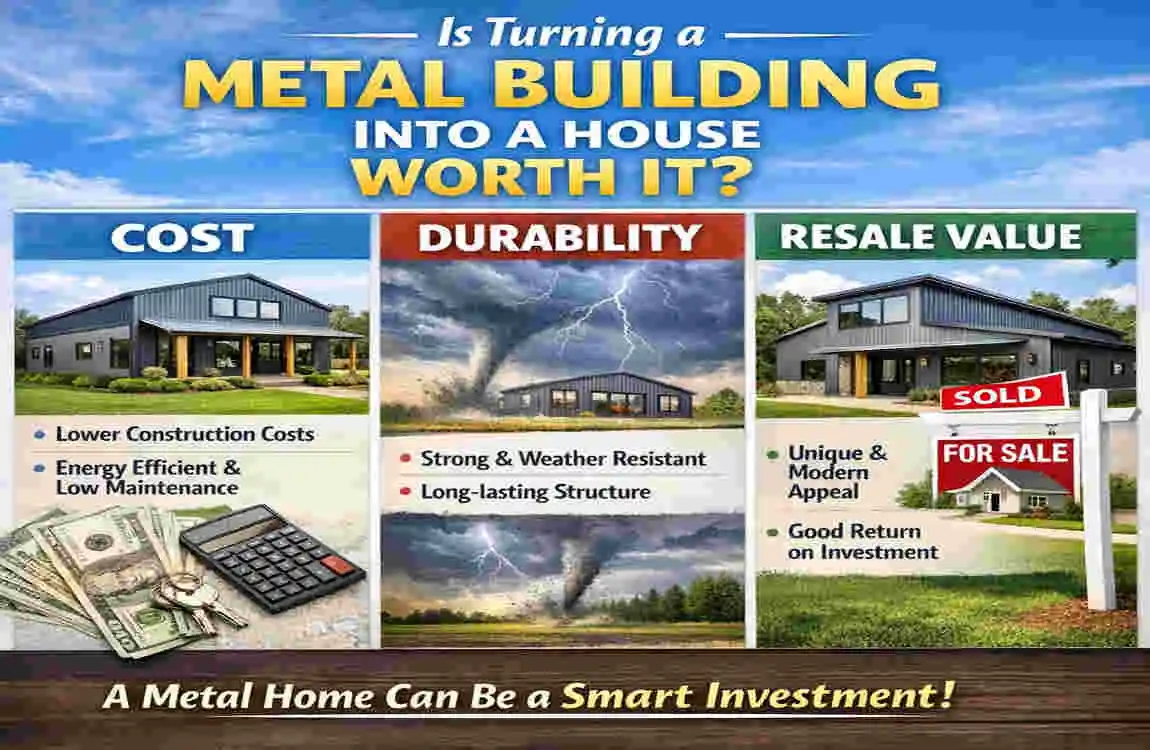
For many people, yes, it is worth it. It can be a great choice for rural landowners, custom home buyers, or anyone seeking a durable home with a unique look. It may also work well if you want a home and workshop in the same building.
Still, it is not the best choice in every area. Local rules, budget limits, and financing challenges can affect the final answer. That is why careful planning matters so much.
Frequently Asked Questions
Can I legally live in a metal building?
Yes, in many places you can, but the building must meet zoning laws, permits, and residential code requirements. Always check with your local building office first.
How much does it cost to convert a steel building into a home?
The cost can vary widely based on size, repairs, and finishes. A basic conversion may be more affordable, while a larger custom home can cost much more.
Do metal homes last longer than wood houses?
Metal homes can last a long time because steel is strong and resists pests. The lifespan depends on maintenance, climate, and construction quality.
Can I insulate a metal building for winter?
Yes, and insulation is one of the most important steps. Spray foam, fiberglass, and rigid foam boards can all help keep the home warm.
Is a barndominium the same as a metal house?
A barndominium is a type of metal house, often with a barn-like shape or layout. It usually combines living space with storage or work areas.
What is the cheapest way to convert a metal building into a house?
The cheapest route is usually to use an existing strong structure, keep the floor plan simple, and choose basic finishes. Good insulation is still important, even on a tight budget.