Fire safety in residential properties is no longer considered a secondary concern addressed only after construction. Changes in building design, increased use of electrical devices, and higher occupancy levels mean that modern homes face different fire risks than those of the past. For instance, the UK Fire and Rescue Service reports over 35,000 residential fires annually, with electrical faults causing nearly 25% of them. As a result, active fire protection methods, including residential sprinkler systems, are receiving greater attention from homeowners, landlords, and housing professionals.
How Residential Sprinkler Systems Work
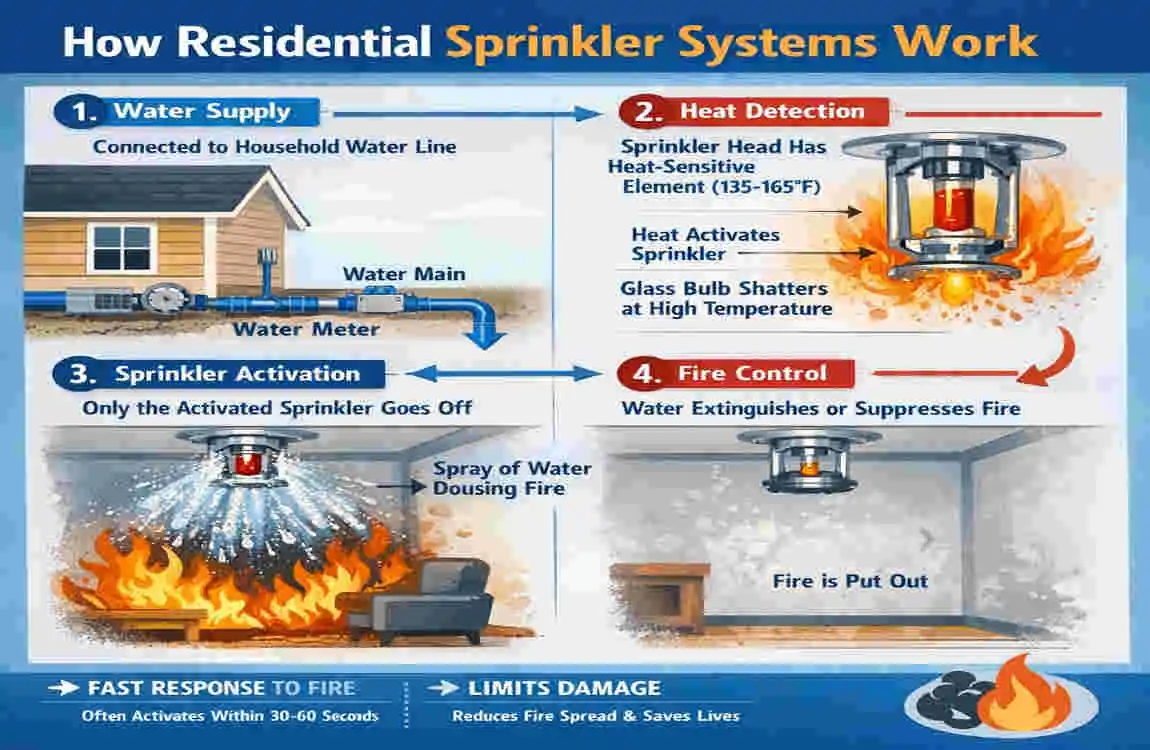
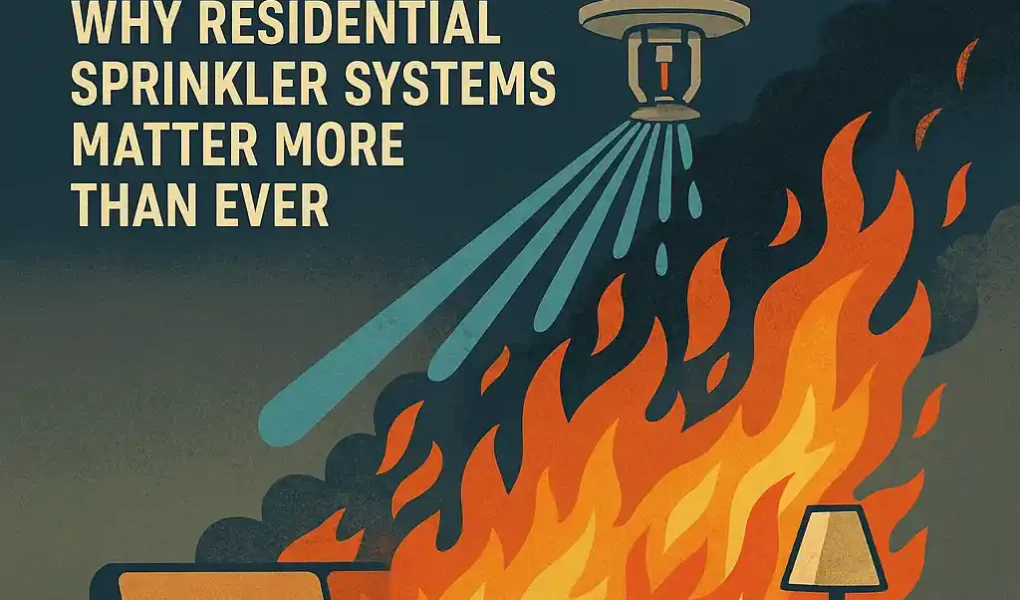
A residential sprinkler system is designed to react automatically to heat generated by a fire. Each sprinkler head operates independently, activating only when a specific temperature threshold is reached—typically a glass bulb filled with glycerin that bursts at 57-68°C (135-155°F), or a fusible link that melts at the same point. This targeted response helps to control the fire at its point of origin rather than flooding the entire property, with each head delivering about 40-60 liters per minute over a 2-3 square meter area.
A properly designed Home Fire Sprinkler System is typically connected either directly to the main water supply or to a pump and stored water, depending on the property’s size and layout. Systems often include antifreeze for unheated areas and dry-pipe designs for cold climates to prevent freezing. The aim is not only to extinguish fires but also to prevent them from escalating to a level that puts occupants at serious risk—studies indicate sprinklers activate in 92% of cases and control 96% of home fires they address.
Fire Risk in Modern Homes
Today’s homes contain a wide range of materials and appliances that can contribute to faster fire development. Open-plan layouts, lightweight construction materials like engineered timber and foam insulation, and synthetic furnishings such as polyester sofas and carpets can allow fires to spread more quickly than in older properties—often reaching flashover in under 5 minutes, compared to 20-30 minutes in traditional builds. While smoke alarms remain essential for early warning, they do not intervene to slow or control a fire once it has started. Data from the NFPA shows smoke alarms alone reduce fatalities by 50%, but pairing them with sprinklers boosts survival rates to 97%.
This gap between detection and suppression has prompted broader discussion about the role of sprinkler systems in residential settings.
Installation Is Only Part of the Solution
While installation is essential, the long-term effectiveness of any fire sprinkler system depends on correct maintenance. Residential systems are mechanical and hydraulic, so components can deteriorate over time if not inspected. Valves can seize due to mineral buildup, pumps can fail from electrical wear, and sprinkler heads can become obstructed through everyday household changes like dust accumulation, corrosion, or spider webs blocking orifices.
Routine inspection and servicing ensure that systems continue to meet recognised standards such as BS 9251 and remain ready to operate in an emergency. This includes checking water flow (minimum 20 liters per minute per head), pressure levels (typically 1.5-3.5 bar), control valves, and alarm interfaces, and confirming that sprinkler heads have not been painted over or damaged during renovations. Neglect can reduce effectiveness by up to 50%, per industry audits.
The Role of Professional Servicing
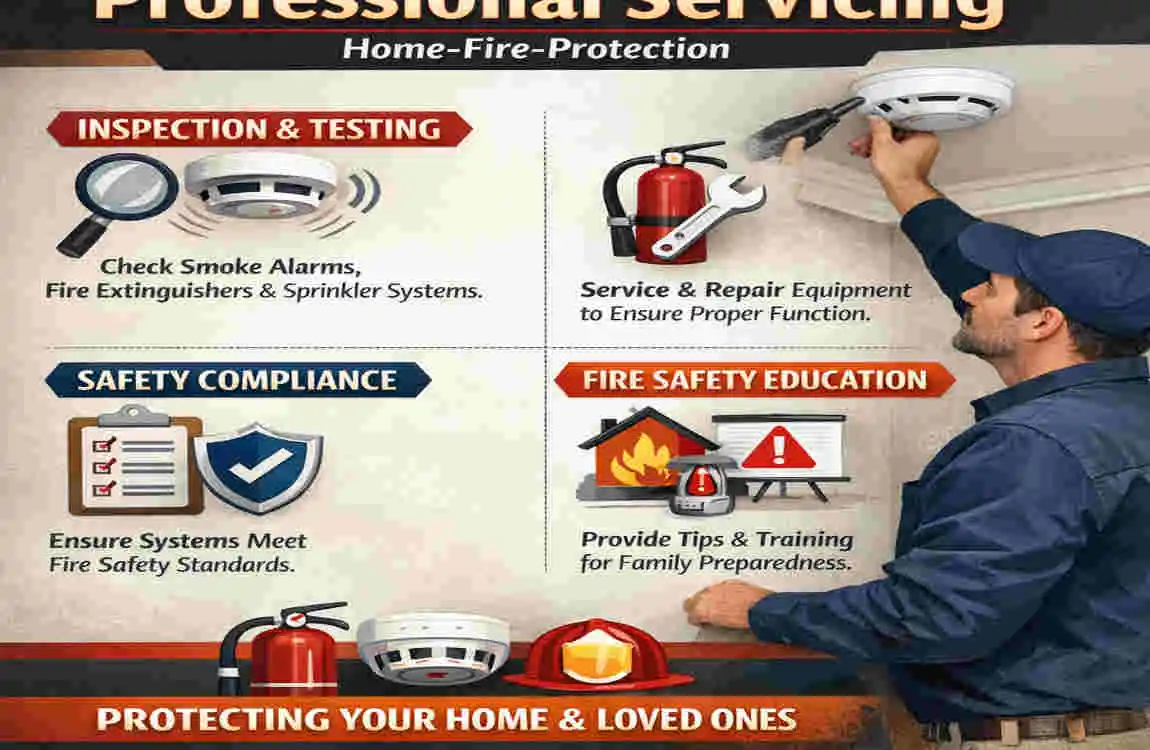
Specialist fire protection providers conduct structured inspections and testing that are difficult to replicate through visual checks alone. For residential properties, servicing typically includes annual assessments supported by documentation that records the system’s condition and performance, often using hydrostatic testing to verify pipe integrity at 1.5 times operating pressure.
This process benefits homeowners and landlords by:
-
Identifying faults before they lead to system failure, such as early corrosion detection via ultrasonic testing
-
Supporting compliance with safety and insurance requirements, where many insurers offer 5-10% premium discounts for certified systems
-
Ensuring that alterations to the property have not compromised coverage, like verifying head spacing after loft conversions
-
Providing reassurance that the system will function as intended, backed by performance logs for legal claims
Regular servicing also helps clarify responsibilities between occupants and property owners, particularly in rented or managed housing, aligning with regulations like the Housing Act 2004.
Sprinklers as Part of a Wider Fire Strategy
Sprinkler systems are most effective when combined with other fire safety measures such as smoke detection, clear escape routes, and occupant awareness. They are not a replacement for good fire safety practice but an additional layer of protection that works automatically, even when residents are asleep or away from home—operating in 1-2 minutes versus the 10+ minutes it might take for fire brigades to arrive in urban areas.
As expectations around residential safety continue to evolve, sprinkler systems are increasingly seen as a practical response to modern fire risks rather than an optional extra, especially with new builds mandated in some regions like Scotland under building regulations.
A Growing Focus on Prevention
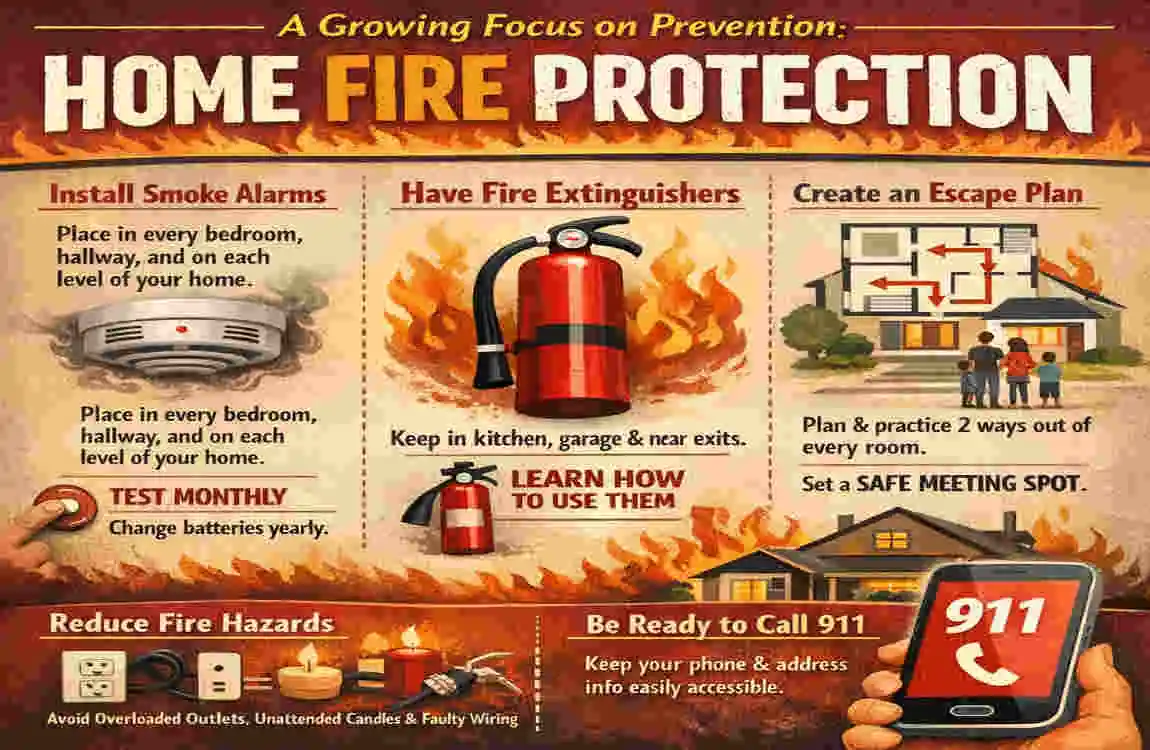
The emphasis in residential fire protection is gradually shifting from response to prevention and control. By addressing fires early, sprinkler systems reduce the likelihood of severe injury, loss of life, and extensive property damage—NFPA data shows they limit damage to just 10% of the home’s value on average, versus 40% without them. When maintained properly, they provide a reliable, long-term safety feature in the home, with a lifespan of 20-50 years and ROI through lower insurance and minimal water damage (often under 500 liters total discharge).
Home Fire Protection: Why Residential Sprinkler Systems Matter More Than Ever – FAQ
What is a residential sprinkler system?
A residential sprinkler system is a network of water-filled pipes and sprinkler heads designed to automatically control or extinguish a fire inside a home.
Why are residential sprinkler systems important?
They help contain fires quickly, reducing property damage and increasing the chances of safe evacuation.
Do all sprinklers activate at once?
No. In most cases, only the sprinkler head closest to the fire activates, minimizing unnecessary water use.
Can sprinkler systems save lives?
Yes. Residential sprinkler systems significantly reduce the risk of fire-related injuries and fatalities by controlling fires in their early stages.
Are sprinkler systems expensive to maintain?
Generally, maintenance requirements are minimal and involve periodic inspections to ensure the system functions properly.
Do sprinkler systems work with smoke alarms?
Yes. Sprinklers and smoke alarms complement each other, providing both early warning and fire suppression.
Can sprinklers reduce property damage?
Yes. By controlling fires quickly, sprinkler systems often prevent extensive fire and smoke damage.
Are residential sprinkler systems suitable for new and existing homes?
Yes. They can be installed in new construction and, in many cases, retrofitted into existing homes.
What is the main benefit of a residential sprinkler system?
It provides an extra layer of protection for people and property, helping to control fires before they become devastating.