Raising the roof on a house is more than just a catchy phrase—it’s a significant renovation project that can completely transform your living space. For many homeowners, the decision to raise their roof stems from the need to create additional space, improve insulation, or increase the home’s value. Whether you’re dreaming of a second story, higher ceilings, or a more modern look, understanding the methods to raise a roof is crucial before diving into such a project.
What Does It Mean to Raise the Roof on a House?
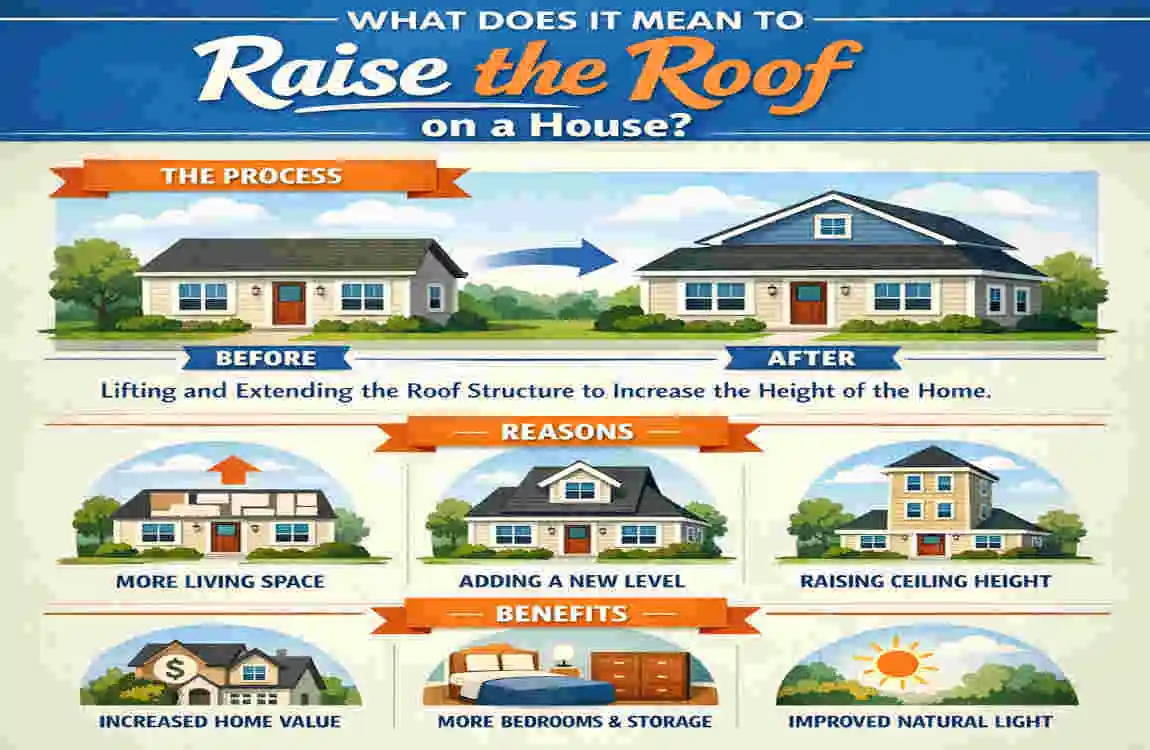
Raising the roof on a house involves altering the height or structure of your roof to create more space or meet specific design needs. This process can vary in complexity, depending on the desired outcome and the existing structure of your home.
Common Reasons to Raise the Roof
- Adding a Second Story: A full roof lift can provide an entirely new level of living space, perfect for growing families or creating rental opportunities.
- Increasing Ceiling Height: Higher ceilings can make a home feel more open and luxurious.
- Modernizing the Roof Design: Some homeowners raise their roof to accommodate modern architectural styles or install new roofing systems.
Roof-raising projects can be ambitious, but with the right planning and execution, they can significantly enhance your home’s functionality and appeal.
Evaluating Your Home Before Raising the Roof
Before committing to a roof-raising project, it’s essential to evaluate your home to determine whether it’s a viable option. This step ensures your project is safe, legal, and feasible.
Key Steps in the Evaluation Process
- Assess the Structural Integrity
- Your home’s foundation and framing must be strong enough to support the additional weight of a raised roof. A structural engineer can examine your home and provide insights.
- Check Local Building Codes and Permits
- Local regulations may dictate the types of modifications you can make. Permits are often required for roof-raising projects, so consult your local authority early in the process.
- Determine the Foundation’s Capacity
- Certain homes may need foundation reinforcement to support a new roof structure, especially when adding a second story.
Hiring Professionals for Evaluation
It’s highly recommended to consult a structural engineer or contractor for an expert assessment. They can identify potential risks, provide accurate cost estimates, and ensure your home meets all safety standards.
Budgeting and Planning for Hidden Costs
Roof-raising projects can come with unexpected expenses. These include additional materials, labor, or upgrades, such as HVAC adjustments. Setting aside a contingency budget is a smart move to avoid financial surprises.
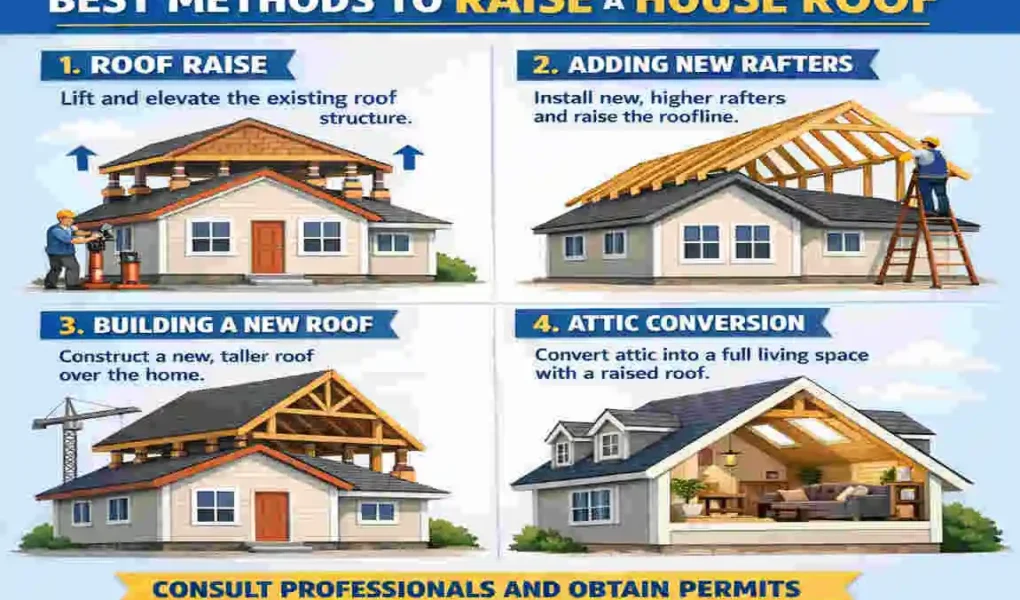
Top Methods for Raising a House Roof
When it comes to raising a roof, there’s no one-size-fits-all approach. The best method depends on your home’s structure, your goals, and your budget. Below, we explore the top methods for raising a house’s roof.
Whole-House Roof Lift
This method involves lifting the entire roof structure intact and building more living space beneath it. It’s ideal for adding a second story without altering the existing roof design.
- Process:
- The roof is temporarily lifted using hydraulic jacks while additional walls or framing are constructed below.
- Advantages:
- Preserves the current roof’s style and materials.
- Creates significant additional space.
- Best For: Homes where maintaining the original roof design is a priority.
Adding Dormers
Dormers are small roofed structures that project out from the main roof, creating more usable attic space.
- Process:
- Dormers are installed by cutting into the existing roof and framing the new structures.
- Benefits:
- Adds natural light and ventilation.
- Enhances curb appeal.
- Best For: Homeowners looking to expand attic space without a full roof lift.
Changing the Roof Pitch
Altering the roof pitch increases the roof’s height and slope, creating vaulted or cathedral ceilings.
- Process:
- Contractors adjust the roof’s framing to achieve the desired angle.
- Advantages:
- Creates a dramatic visual effect.
- Ideal for modern or open-concept designs.
- Best For: Aesthetic upgrades and increased interior space.
Truss Replacement
Roof trusses are the internal framework that supports the roof. Replacing them can allow for a higher roof or attic conversion.
- Process:
- Old trusses are removed and replaced with new ones designed for increased height or load-bearing capacity.
- Challenges:
- This method is labor-intensive and requires precise engineering.
- Best For: Homes with outdated or low-load capacity trusses.
Partial Roof Lift
Sometimes, lifting only a section of the roof is sufficient to meet your needs, such as expanding space above a garage.
- Process:
- A specific section is detached, raised, and reinforced with new framing.
- Advantages:
- More cost-effective than a full lift.
- Minimizes disruption to the rest of the house.
- Best For: Targeted space improvements.
Pros and Cons of Raising a Roof
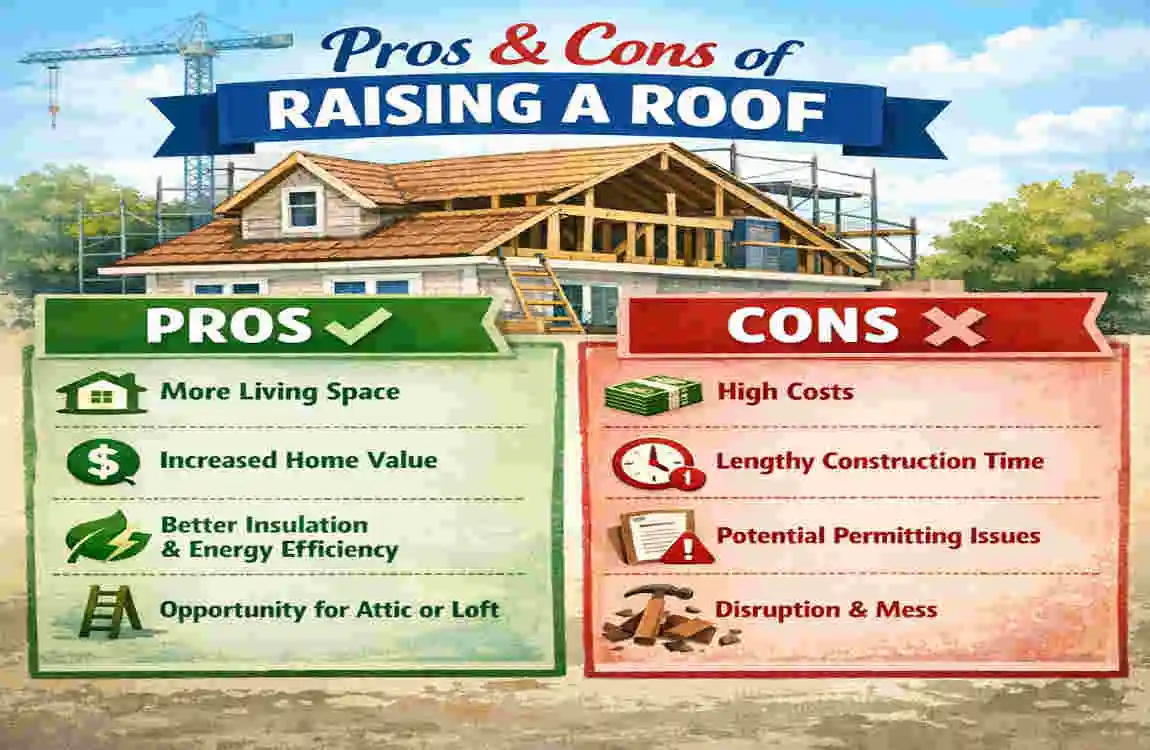
Understanding the benefits and drawbacks of roof-raising projects will help you make an informed decision.
Advantages
- More Living Space: Expands your home without needing a full addition.
- Enhanced Resale Value: A raised roof can increase your home’s market appeal.
- Modern Upgrades: Opportunities to improve insulation, ventilation, and energy efficiency.
Challenges
- Cost: Roof-raising projects can be expensive, often requiring significant investment.
- Disruption: Construction can temporarily disrupt your daily life.
- Structural Risks: Improper execution can lead to long-term problems.
Cost Breakdown for Raising a Roof
Estimated Costs
Method Cost Range
Whole-House Roof Lift $50,000 – $100,000+
Adding Dormers $10,000 – $25,000 per dormer
Changing Roof Pitch $15,000 – $30,000
Truss Replacement $20,000 – $50,000
Partial Roof Lift $10,000 – $40,000
Factors Affecting Costs
- Labor and Materials: Skilled labor and high-quality materials increase costs.
- Permits and Assessments: Budget for permits and structural evaluations.
- Additional Expenses: HVAC systems, electrical rewiring, and plumbing adjustments may be necessary.
Hiring the Right Professionals
Choosing the right team is critical for a successful roof-raising project. Here’s how to find the best professionals:
- Verify Credentials: Ensure contractors and engineers are licensed and certified.
- Check Reviews: Look for testimonials from previous clients.
- Request Estimates: Get detailed cost breakdowns and timelines upfront.
Clear communication with your team is vital. Ask questions and ensure they understand your project vision.
Tips for Preparing Your Home and Family

Roof-raising projects can be disruptive, so preparation is key.
- Declutter: Remove valuable or fragile items from construction areas.
- Inform Neighbors: Share the project timeline to avoid surprises.
- Plan Temporary Living Arrangements: If necessary, arrange for alternative housing during construction.
Safety should always be a priority. Ensure construction zones are secure and off-limits to children and pets.
FAQs About Roof Raising
How long does a roof-raising project take?Most projects take 4–8 weeks, depending on complexity.
Can I live in my house during construction?It depends. For extensive projects, temporary relocation may be necessary.
Are eco-friendly options available?Yes! Opt for sustainable materials and energy-efficient designs.
Will raising the roof affect my property taxes?Likely, as increased square footage or upgrades may raise your home’s assessed value.
How can I ensure the new roof matches my home’s design?Work closely with architects to maintain aesthetic harmony.
| Method | Best For | Main Benefit | Key Consideration |
|---|---|---|---|
| Full Roof Lift | Adding a full second story or major height increase | Creates the most new space | Highest cost and requires major structural work |
| Dormer Addition | Expanding attic space with more headroom and light | Adds usable space without lifting the entire roof | Works best for partial space expansion |
| Changing the Roof Pitch | Improving ceiling height and interior design | Can make upper rooms feel much larger | May require redesigning the entire roof structure |
| Truss Replacement | Converting an attic or opening up roof space | Allows for a more flexible roof layout | Often complex and engineer-led |
| Partial Roof Lift | Raising only one section, such as over a garage or addition | More affordable than a full lift | Limited space gain compared to a full lift |