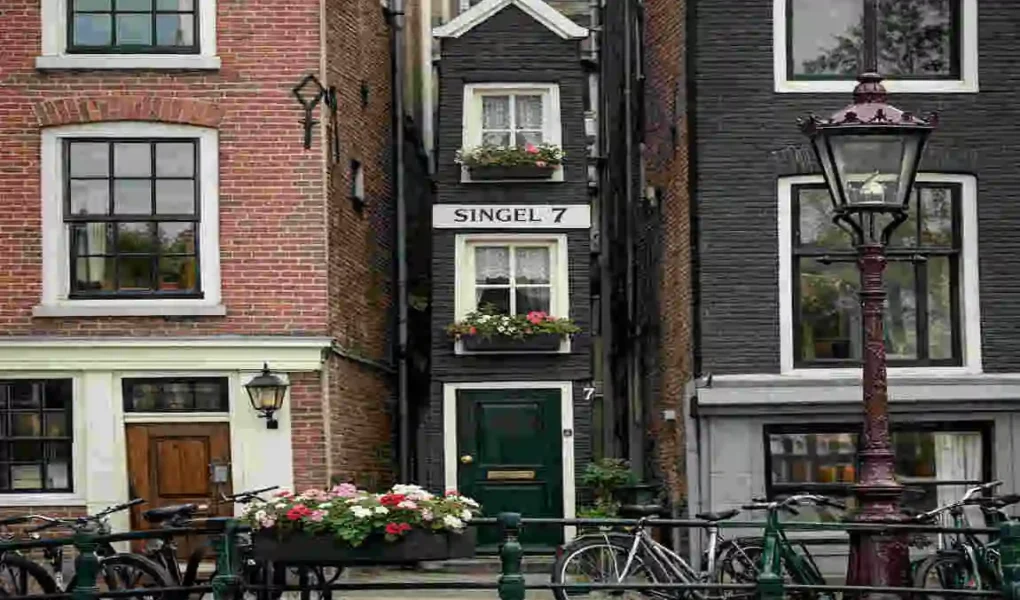
Amsterdam is a city that immediately enchants visitors with its picturesque canals, historic architecture, and vibrant culture. But hidden within its array of attractions is a truly unique gem: Amsterdam’s narrowest house. Yes, you read that right—this house is so slim that it barely looks real. It’s quirky, fascinating, and a testament to the city’s architectural ingenuity.
A Brief History of Amsterdam’s Architecture
The Origins of Amsterdam’s Canal Houses
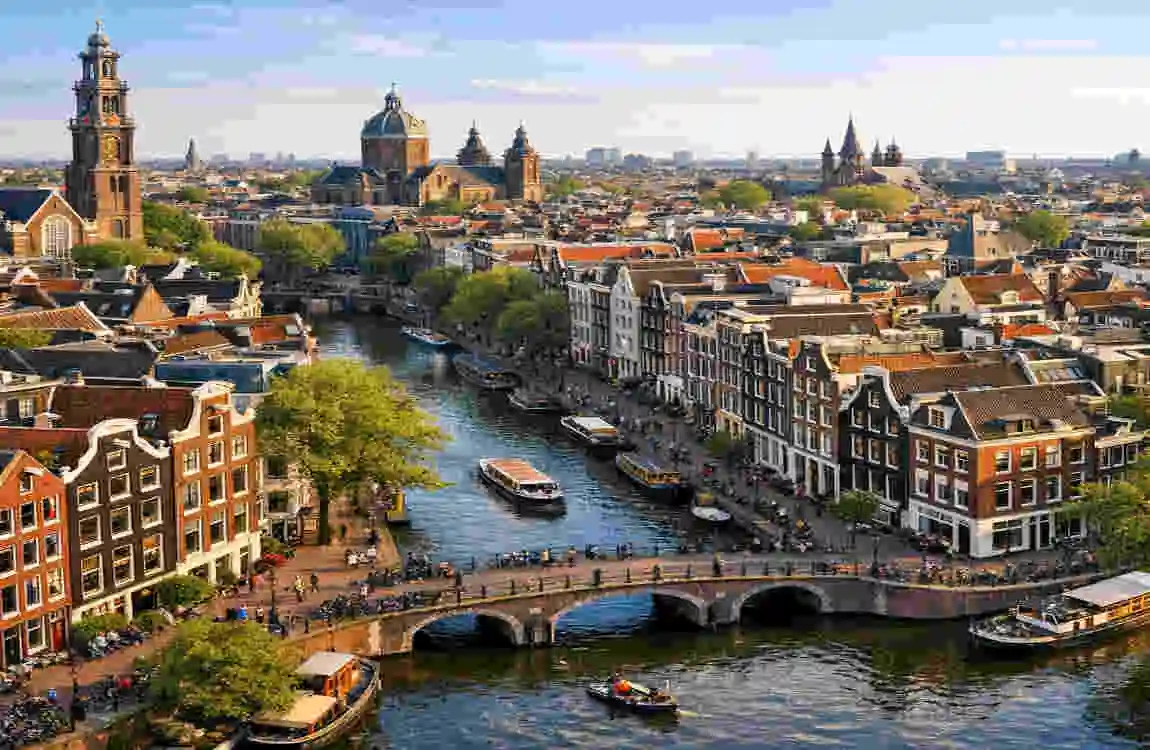
Amsterdam’s narrow modern houses are a hallmark of the city’s skyline, tracing their origins back to the Dutch Golden Age of the 17th century. During this time, the city experienced immense wealth and growth, driven by its prominence in trade and commerce. To accommodate the influx of merchants and residents, the city expanded by building its famous canal belt.
Interestingly, the design of Amsterdam’s houses was heavily influenced by property taxes. Tax laws at the time were based on the width of a building’s facade, which led to the creation of tall, narrow structures. This ingenious solution allowed homeowners to maximize their living and storage space while keeping their tax bills manageable.
The Place of the Narrowest House in History
In this architectural context, the Amsterdam narrowest house stands out as an extraordinary example of creativity. By pushing the limits of design, it embodies the resourcefulness and ingenuity of the Dutch people. This house isn’t just a quirky tourist attraction; it’s a symbol of how Amsterdam adapted to its unique constraints during a pivotal era in history.
What is Amsterdam’s Narrowest House?
Physical Description
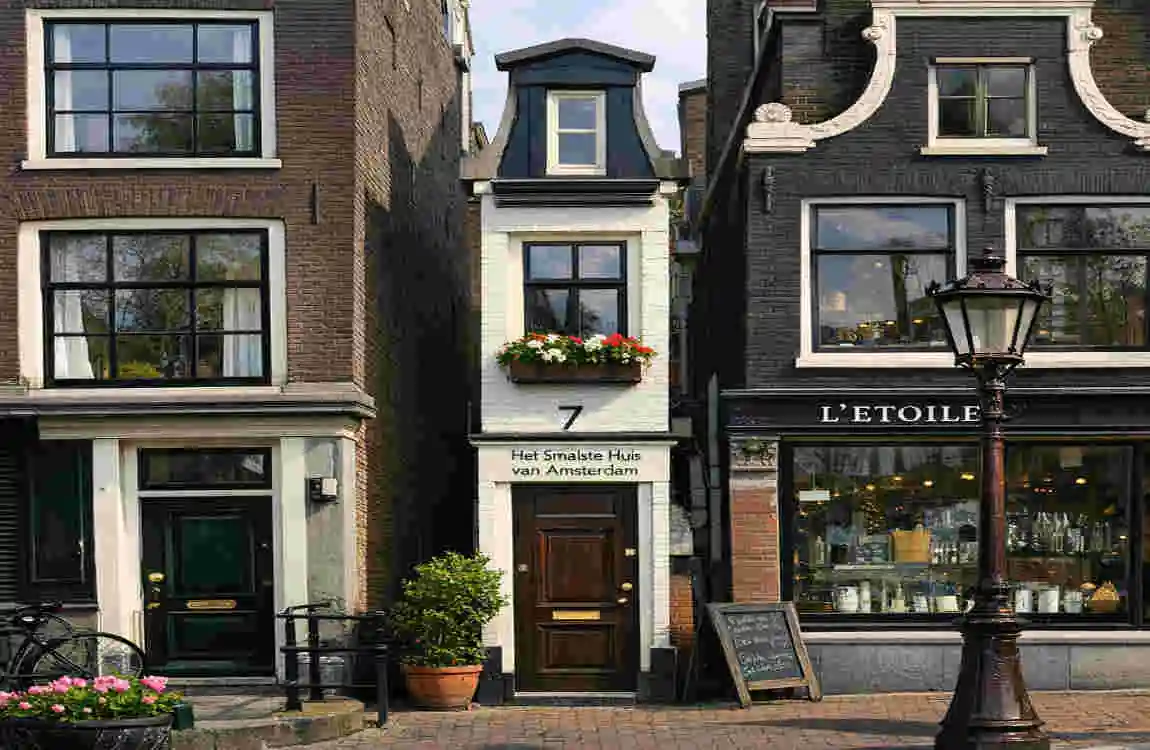
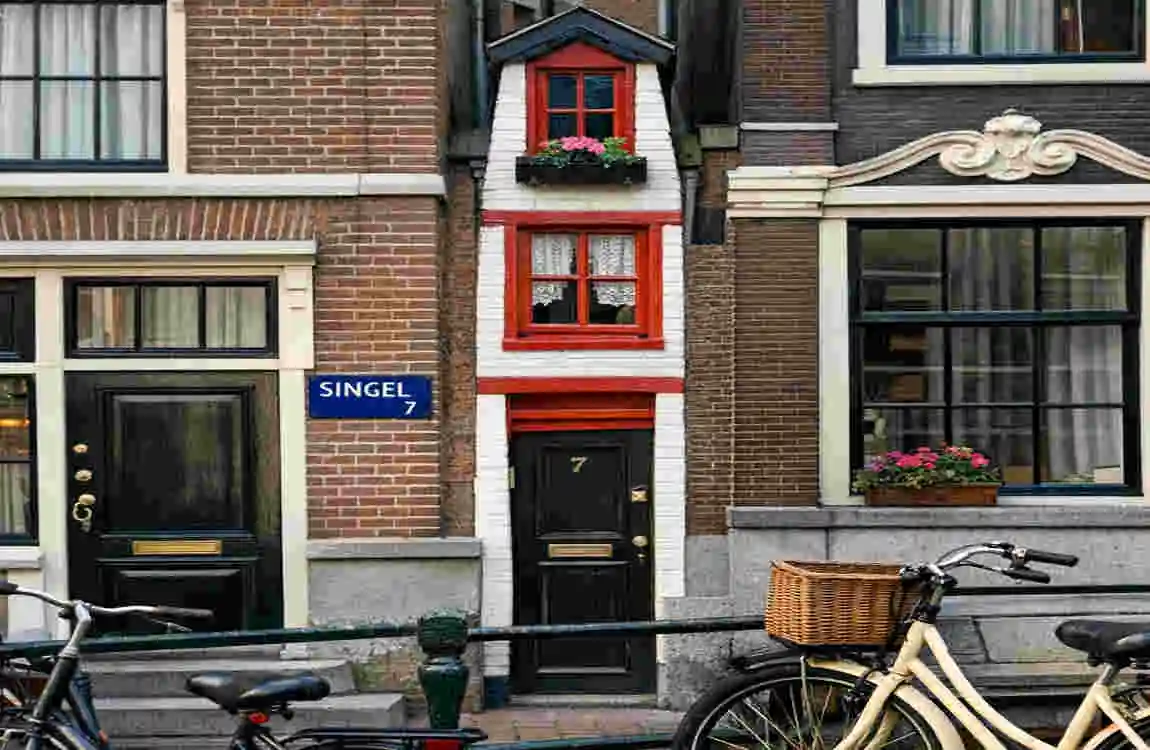
The Amsterdam narrowest house is truly a sight to behold. Located at Singel 7, it measures just 1 meter (about 3.3 feet) wide at the front. That’s barely wider than a standard doorway! However, the interior extends slightly towards the back, creating a more functional living space. Despite its slim facade, the house features multiple stories, maximizing vertical space.
Imagine standing in front of this house: its narrow width makes it look like something straight out of a fairy tale. Yet, its design is surprisingly practical, showcasing how even the smallest spaces can be used efficiently.
Location and Accessibility
You can find the house at Singel 7, a short walk from some of Amsterdam’s most iconic attractions. It’s located near the Anne Frank House and the bustling Jordaan neighborhood, making it an easy addition to your sightseeing itinerary. When you visit, take a moment to appreciate its proportions and snap a photo—it’s an Instagram-worthy spot you won’t want to miss.
Why is Amsterdam’s Narrowest House So Unique?
Architectural Ingenuity
The narrowest house in Amsterdam is a masterpiece of space optimization. While its facade is incredibly slim, the interior is designed to make every inch count. From compact staircases to clever storage solutions, the house demonstrates how thoughtful design can transform even the smallest spaces into functional homes.
This ingenuity is not just practical—it’s also symbolic. The house represents the Dutch ability to adapt and innovate in the face of challenges, whether those challenges are limited space or high property taxes.
Cultural Significance
Beyond its architectural features, the Amsterdam narrowest house holds a special place in the city’s culture. It has become a symbol of Amsterdam’s quirky charm. It is often seen as a reflection of the Dutch spirit of pragmatism. Visitors from around the world are drawn to this house, not just for its unique design but also for the story it tells about Amsterdam’s history and identity.
Comparisons to Other Narrow Houses
While narrow houses exist in other cities—such as the Keret House in Warsaw or some slim structures in Tokyo—Amsterdam’s narrowest house stands out for its historical and cultural context. Unlike modern narrow homes designed as a novelty, this house is a product of necessity and ingenuity, making it a truly authentic piece of history.
Tips for Visiting Amsterdam’s Narrowest House

How to Get There
Amsterdam’s compact layout makes it easy to navigate. To visit the narrowest house, you can take a leisurely walk or bike ride through the city’s picturesque streets. It is also accessible by public transport, with nearby tram and bus stops.
Best Time to Visit
To enjoy the narrowest house without the crowds, consider visiting early in the morning or during weekdays. The lighting is also better in the early hours, making it an ideal time for photography.
Nearby Attractions
While you’re in the area, don’t miss the chance to explore other nearby landmarks. The Anne Frank House, the Jordaan neighborhood, and the Nine Streets shopping district are all within walking distance. These spots will give you a well-rounded experience of Amsterdam’s history and culture.
Photography Tips
Capturing the narrowest house on camera can be a fun challenge! Use a wide-angle lens to emphasize its slim proportions, and try to include some of the surrounding architecture for context. Natural light works best, so aim for clear skies or soft morning sunlight.
Fun Facts About Amsterdam’s Narrowest House
- Not the Only Narrow House: Although Singel 7 is often called the narrowest house, some argue that other slim buildings in Amsterdam could rival its claim.
- A Symbol of Creativity: The house is often featured in discussions about innovative design, showing how small spaces can be transformed into livable homes.
- Tourist Favorite: Its quirky design and photogenic appearance make it one of the most popular spots for tourists exploring Amsterdam’s hidden gems.
Fun Fact Detail
Width Just 1 meter at the front!
Location Singel 7, central Amsterdam
Cultural Symbolism Represents Dutch ingenuity and pragmatism
The Impact of Amsterdam’s Narrowest House on Tourism
Why Tourists Love It
The narrowest house isn’t just a building cost; it’s an experience. Tourists are drawn to its uniqueness, often sharing their photos and stories online. This has made it a must-visit spot for anyone exploring Amsterdam.
Economic and Cultural Contributions
The house’s popularity has a ripple effect on the local economy. Nearby cafes, shops, and tour operators benefit from the influx of visitors, helping to sustain the vibrant community around Singel 7.
Personal Stories
Many visitors describe the narrowest house as a highlight of their trip to Amsterdam. Whether it’s the surprise of seeing such a slim structure or the joy of photographing it, the house leaves a lasting impression on those who visit.
Takeaways and Lessons from Amsterdam’s Narrowest House

What can we learn from this tiny yet remarkable structure? First, it teaches us the value of creativity and adaptability. Despite its size, the house proves that small spaces can still be functional and beautiful.
Amsterdam Narrowest House – FAQ
Q: Where is Amsterdam’s narrowest house located?
A1: It is located at Singel 7, right along one of Amsterdam’s famous canals.
Q: How wide is Amsterdam’s narrowest house?
A2: The house is approximately 2.02 meters (about 6.6 feet) wide at its narrowest point.
Q: Why is the house so narrow?
A3: Historically, property taxes were based on the width of the house’s façade, so narrow houses minimized tax costs.
Q: Can you visit the inside of the narrowest house?
A4: The house is privately owned, so it’s not open for public tours, but it can be admired from the outside.
Q: What makes this house a popular tourist attraction?
A5: Its extreme narrowness combined with classic Amsterdam architecture makes it a unique and photogenic landmark.
Q: Is Amsterdam’s narrowest house the narrowest house in the world?
A6: It’s one of the narrowest in Amsterdam and Europe, but there are narrower houses in other parts of the world.
Q: When is the best time to see the narrowest house?
A7: Early mornings or late afternoons are ideal to avoid crowds and capture great photos.
| Feature | Why It’s Unique |
|---|---|
| Extremely narrow façade | It stands out because its front is much slimmer than a typical Amsterdam canal house. |
| Historic canal-house design | It reflects Amsterdam’s old architectural style from the city’s golden age. |
| Space-efficient layout | The house shows how builders creatively used limited land in a dense city. |
| Iconic photo spot | Its unusual shape makes it a popular attraction for visitors and photographers. |
| Part of Amsterdam’s heritage | It represents the city’s clever urban design and historic charm. |