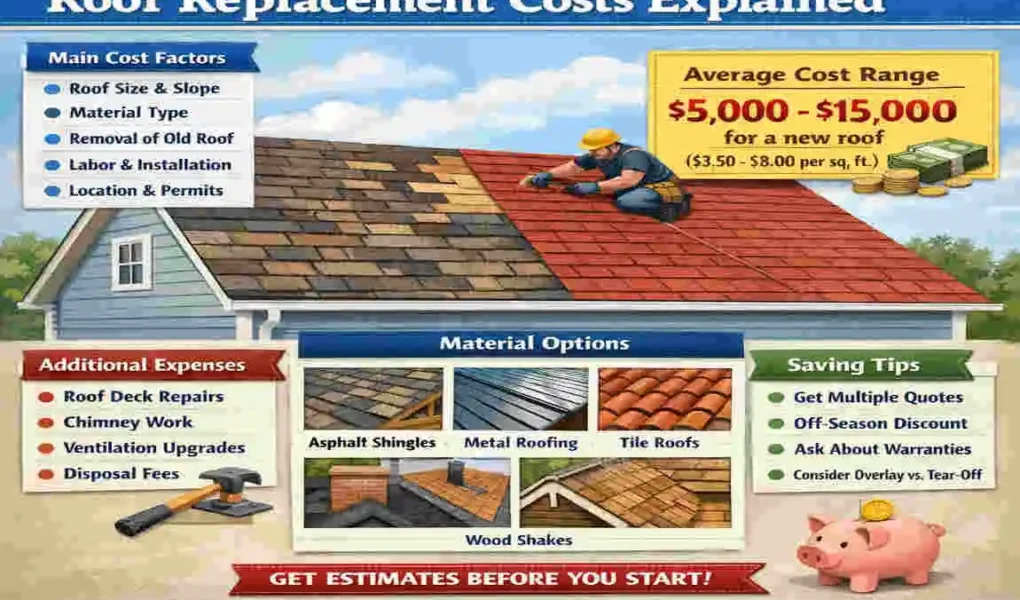
Replacing a roof is one of the biggest home expenses most homeowners face. It is not something you want to guess at, because the final price can vary widely based on your roof size, material, labour, and your home’s condition.
If you are asking how much it costs to replace a roof, the short answer is this: most homeowners spend between $5,000 and $15,000, but some projects can cost more or less depending on the choices you make. A small home with basic shingles may stay near the lower end, while a large or complex roof with premium materials can go much higher.
How Much Does It Cost to Replace a Roof?
Average Roof Replacement Cost
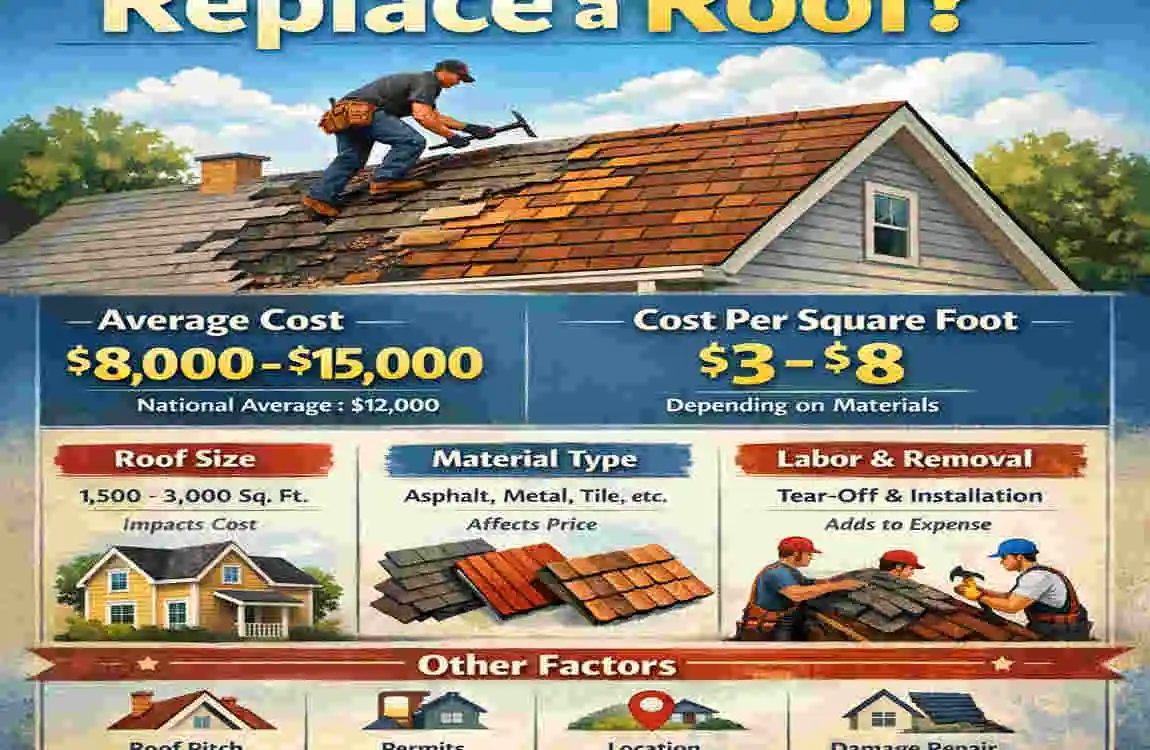
The national average roof replacement cost typically ranges from $8,000 to $12,000 for a typical home.
Here is a simple way to think about it:
- Basic roof replacement: $4 to $8 per square foot
- Mid-range roof replacement: $8 to $12 per square foot
- High-end roof replacement: $12 to $25+ per square foot
The final number depends on the roof size, slope, material, and labour.
Cost by Roof Size
Roof Size Estimated Cost
1,000 sq ft $4,500–$8,000
1,500 sq ft $6,500–$11,000
2,000 sq ft $8,000–$15,000
2,500 sq ft $10,000–$18,000
3,000 sq ft $12,000–$22,000
A larger roof naturally costs more because it requires more materials and labour.
Factors That Affect Roof Replacement Cost
Roof Size
This is the most important cost factor. A larger roof means more shingles, more underlayment, more labour, and more time.
Roofing Material
Different materials come with very different price tags. Asphalt shingles are the most affordable, while slate and tile cost much more.
Roof Pitch and Complexity
A steep or complicated roof is harder to work on. Roofs with many valleys, dormers, chimneys, or skylights usually cost more because they take longer to install.
Labor Costs
Labour can make up a large part of the total bill. Skilled roofing crews charge more in some areas than others, especially where demand is high.
Roof Removal Costs
If the old roof must be torn off first, that adds to the cost. Removing old shingles and hauling away debris takes time and effort.
Underlayment Replacement
The layer beneath the roof covering may also need replacement. This helps protect your home from leaks and moisture.
Structural Repairs
If the roof deck or support parts are damaged, repairs will raise the price. Hidden damage often shows up only after the old roof comes off.
Flashing Replacement
Flashing seals areas around chimneys, vents, and skylights. If it is worn out, it should be replaced during the roof job.
Ventilation Improvements
Good ventilation helps your roof last longer. Some projects include extra vent work, which adds cost but improves performance.
Geographic Location
Prices can vary by region. Labour, permit fees, and material costs are often higher in cities and busy markets.
Roof Replacement Costs by Roofing Material
Asphalt Shingles
Best for affordability and common use.
Asphalt shingles are the most popular option because they are budget-friendly and easy to install. They usually cost less than other materials and work well for many homes.
Metal Roofing
Best for long life and durability.
Metal roofs cost more upfront, but they last a long time and handle harsh weather well.
Wood Shingles
Best for a natural look.
Wood shingles can look beautiful, but they require more care and may cost more than asphalt shingles.
Clay Tiles
Best for style and long-term performance.
Clay tile roofs are durable and attractive, but they are heavy and expensive.
Concrete Tiles
A lower-cost tile option.
Concrete tiles look similar to clay in many cases, but they often cost less.
Slate Roofing
One of the most expensive choices.
Slate can last for decades, but it is heavy and costly to install.
Synthetic Roofing Materials
A modern middle-ground option.
Synthetic materials are made to mimic natural roofing styles while being lighter and often cheaper.
Labor Costs for Roof Replacement
What Labor Includes
Labour is not just about putting shingles on the roof. It often includes:
- Removing the old roof
- Checking for damage
- Installing underlayment
- Replacing flashing
- Installing new roofing materials
- Cleaning up afterwards
Contractor Pricing
Contractors may charge by the square foot or by the whole project. A trusted contractor may cost more, but the work is usually better and more reliable.
Permit Costs
Some areas require permits for roof replacement. These fees are usually not very high, but they should still be part of your budget.
Cleanup and Disposal Fees
Old roofing materials need to be hauled away. Dumpster rental and disposal charges can add to the final price.
Signs Your Roof Needs Replacement
Missing Shingles
If shingles are often missing, your roof may be nearing the end of its life.
Water Leaks
Leaks in the attic or ceiling are a major warning sign.
Roof Sagging
A sagging roof can point to serious structural problems.
Mold Growth
Mould and moisture can indicate that your roof is not sealing properly.
Storm Damage
Heavy wind, hail, or falling branches can cause major roof damage.
Old Roof Age
If your roof is very old, replacement may be smarter than repeated repairs.
Roof Repair vs Roof Replacement
When Repair Is Enough
Repair is often enough when the damage is small and local. For example, a few missing shingles or a minor leak may not require a full replacement.
When Full Replacement Is Better
Replacement makes more sense when the roof has:
- Widespread damage
- Frequent leaks
- Old materials
- Structural problems
Cost Comparison
A repair may cost a few hundred dollars, while replacement can cost thousands. But if you keep fixing an old roof, the repair bills may add up fast.
Additional Costs Homeowners Should Expect
Here are some extra costs that can come up during a roof project:
- Roof inspection
- Plywood replacement
- Chimney flashing
- Skylight replacement
- Gutter repairs
- Vent replacement
- Roof decking repairs
These costs are not always included in the first estimate, so ask about them early.
How to Save Money on Roof Replacement
Compare Multiple Quotes
Always get more than one estimate. This helps you understand the fair price.
Choose Cost-Effective Materials
If you want to control costs, asphalt shingles are often the most budget-friendly option.
Replace During Off-Season
Roofing work may cost less during slower times of the year.
Check Insurance Coverage
If storm damage caused the problem, your homeowners insurance may cover part of the cost.
Explore Financing Options
Some contractors offer payment plans, which can make the project easier to manage.
How to Choose the Right Roofing Contractor

Verify Licensing
Make sure the contractor is licensed to work in your area.
Check Insurance
A good contractor should have insurance to protect you and the workers.
Read Customer Reviews
Reviews can show you how the contractor handles quality, service, and problems.
Compare Estimates
Do not just choose the cheapest bid. Compare what is included in each estimate.
Review Warranty Coverage
A strong warranty can save you money later if something goes wrong.
Roof Replacement Timeline
Inspection
The contractor checks the roof and looks for damage.
Material Ordering
Materials are ordered before the job begins.
Roof Removal
The old roof is taken off.
Installation
The new roof is installed, along with underlayment and flashing.
Final Inspection
The contractor checks the work and ensures everything is completed correctly.
Roof Maintenance Tips After Replacement
A new roof lasts longer when you take care of it. Try to:
- Clean gutters regularly
- Inspect after storms
- Trim overhanging branches
- Remove roof debris
- Schedule annual inspections
- Repair minor damage promptly
Common Roof Replacement Mistakes to Avoid
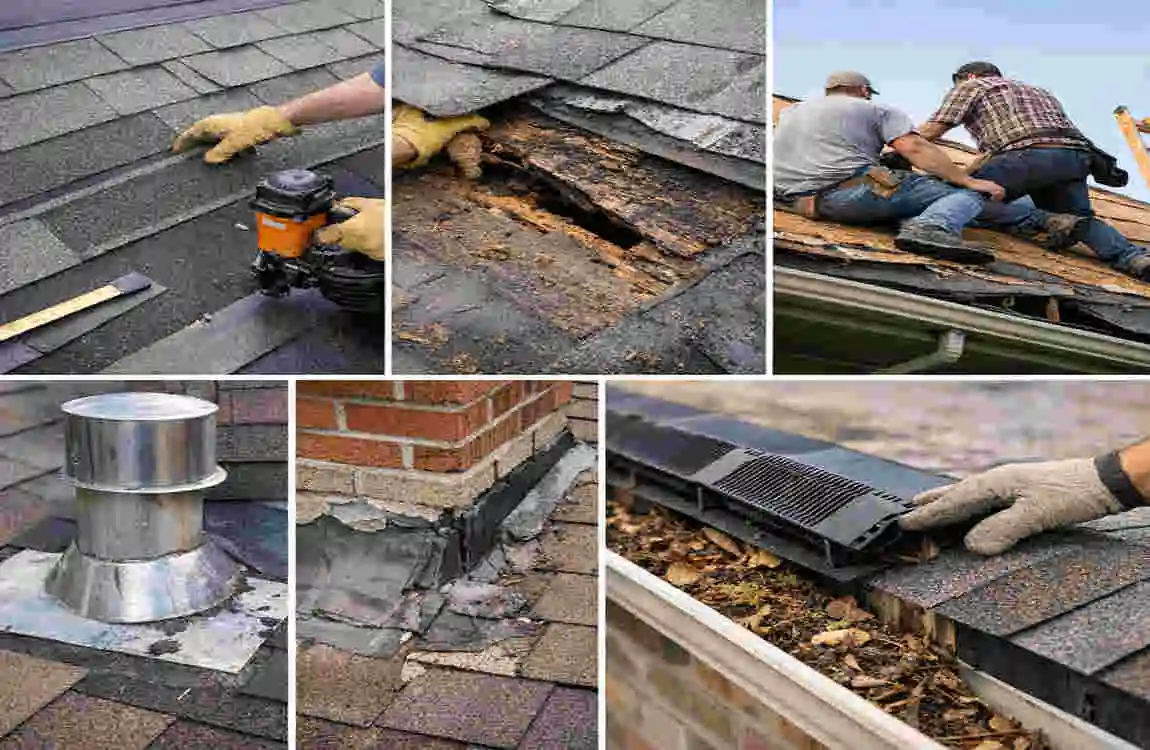
Some homeowners make expensive mistakes, such as:
- Hiring the cheapest contractor
- Ignoring ventilation
- Choosing poor-quality materials
- Skipping inspections
- Not reviewing warranties
A little planning can save you a lot of money later.
Frequently Asked Questions
How much does it cost to replace a roof on an average house?
Most average homes cost around $8,000 to $12,000, though the final price can be lower or much higher.
What is the cheapest roofing material?
Asphalt shingles are usually the cheapest roofing option.
How long does a roof replacement take?
Most roof replacements take 1 to 3 days, but larger or more complex roofs may take longer.
Does homeowners insurance cover roof replacement?
Sometimes, yes, especially if the damage resulted from a storm or another covered event.
How often should a roof be replaced?
Many roofs last 20 to 30 years, but this depends on the material and weather conditions.
Is it cheaper to repair or replace a roof?
Repair is cheaper initially, but replacement is often preferable if the roof has major or recurring damage.
How can I reduce roof replacement costs?
You can save money by comparing quotes, choosing affordable materials, and scheduling during the off-season.
| Topic | Information |
|---|---|
| Average Roof Replacement Cost (U.S.) | Typically $5,500–$15,000, depending on roof size, material, and labor. |
| Cost Per Square Foot | Usually $4–$12 per square foot installed. |
| Asphalt Shingle Roof | Around $5,000–$12,000 for an average-sized home. |
| Metal Roof | Generally $10,000–$25,000 or more. |
| Tile Roof | Costs about $15,000–$35,000+ depending on material and complexity. |
| Slate Roof | Premium option costing $20,000–$50,000+. |
| Main Cost Factors | Roof size, roofing material, labor rates, roof pitch, location, and removal of old roofing. |
| Additional Expenses | Permits, roof decking repairs, flashing replacement, ventilation upgrades, and gutter work. |
| Typical Project Duration | Most residential roof replacements take 1–5 days. |
| Ways to Save Money | Compare multiple quotes, choose durable materials, replace during the off-season, and maintain the roof regularly. |