Have you ever walked into a room in your house and felt like something was just… off? You may find yourself constantly bumping into the corner of the coffee table, or your living room feels more like a waiting room than a cosy sanctuary. We have all been there. Struggling to visualise your dream home is a common hurdle, but it does not have to be a permanent one.
Room-by-room furniture design is the secret sauce that transforms chaos into cosy perfection. Instead of looking at your house as one giant, overwhelming project, we are going to break it down into manageable bites.
Why Room-by-Room Furniture Design is Key to Your Dream Home
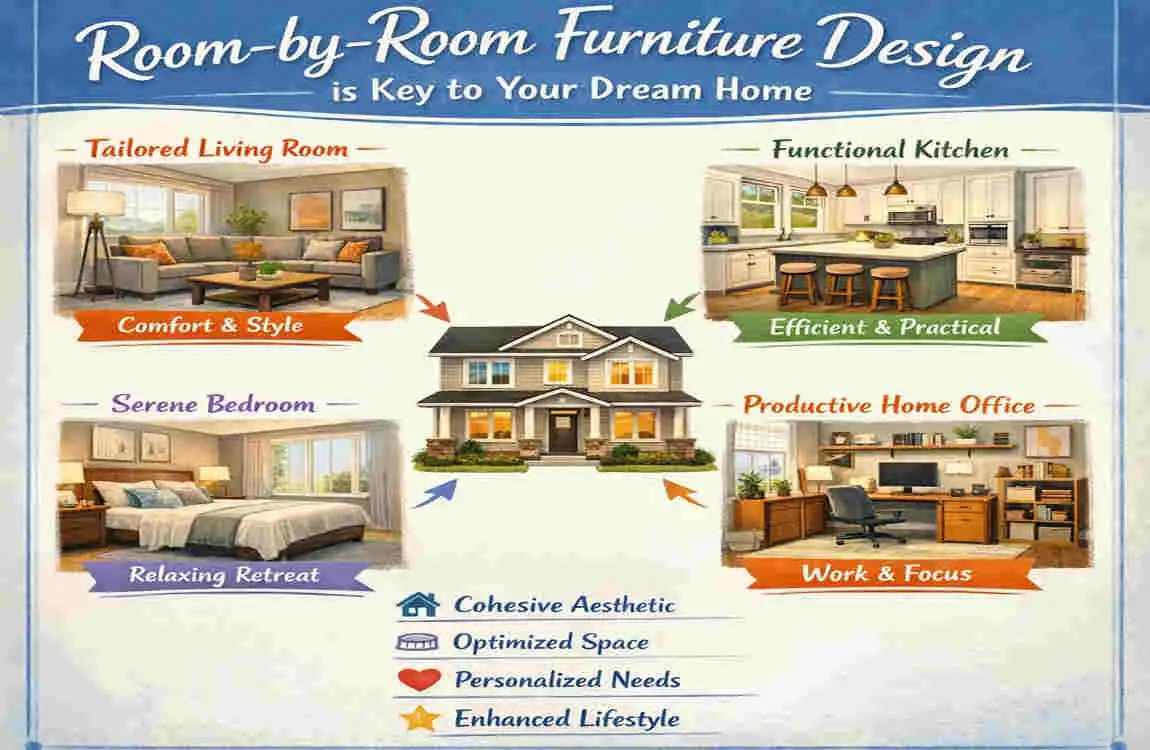
Designing a home is about more than just picking out pretty things. It is about how you move, how you feel, and how you live. When you take a room-by-room furniture design approach, you are permitting yourself to focus. This focus leads to better space utilisation and a home that actually works for your lifestyle.
The Real Benefits of a Focused Approach
When you design room by room, you improve the aesthetics and the functionality of your space simultaneously. Have you noticed how a cluttered room can make you feel stressed? By choosing the right furniture for each specific area, you can actually boost your mood and productivity.
A well-designed room ensures a natural flow of traffic. You won’t be zigzagging around chairs or squeezing past the bed. Instead, the layout will feel intuitive. Plus, it allows you to personalise each space. Your bedroom can be a soft, quiet retreat while your living room remains a vibrant hub for social gatherings.
Avoiding Common Pitfalls
Many homeowners fall into the trap of overcrowding. We see a beautiful piece of furniture and think, “I must have it!” without first measuring the room. This leads to a cramped feel. Another common mistake is ignoring scale. A tiny rug in a massive room looks like a postage stamp, while a giant sofa in a small apartment swallows the space whole.
What’s Trending in 2026?
As we look toward the future of home design, sustainability is at the forefront. People are choosing furniture made from recycled woods and eco-friendly fabrics. Multifunctional pieces are also huge—think coffee tables that lift into desks or sofas with hidden storage. We are also seeing a rise in biophilic design, which is just a fancy way of saying we are bringing the outdoors in with natural textures and lots of greenery.
Top 5 Principles of Great Furniture Design:
- Balance: Distribute the visual weight of furniture evenly across the room.
- Proportion: Ensure the size of the furniture matches the size of the space.
- Focal Points: Every room needs a “star” (like a fireplace or a large window).
- Rhythm: Use repeating patterns or colours to lead the eye around the room.
- Function: If it isn’t comfortable or practical, does it really belong there?
Living Room Furniture Design: Create a Welcoming Heart of the Home
The living room is where life happens. It’s where you host movie nights, enjoy morning coffee, and catch up with friends. Because it wears so many hats, the room-by-room furniture design for this space needs to be flexible and inviting.
Mastering the Layout Essentials
The first thing you should decide is where the sofa goes. It is usually the most significant piece, so it dictates the rest of the room. Are you focusing on the TV, or do you want a layout that encourages conversation? If you love hosting, try facing two sofas toward each other or adding a pair of accent chairs to create a “conversation pit.”
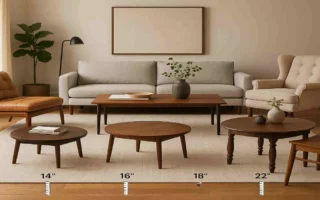
Don’t forget the coffee table. It should be within easy reach of every seat but far enough away that you can walk around it comfortably. A good rule of thumb is to leave about 14 to 18 inches between the sofa and the table.
Choosing Your Key Pieces
Your sofa is the anchor, but the accent chairs bring the personality. Don’t be afraid to mix styles! A sleek, modern sofa looks great paired with a vintage-style velvet chair. Rugs are also vital. They act like “islands” that hold your furniture together. Make sure the carpet is large enough that at least the front legs of all your seating pieces sit on it.
Designing for Small vs. Large Spaces
If you have a small living room, look for modular sectionals. You can move the pieces around to fit your space perfectly. Floating shelves are another great hack—they provide storage without taking up precious floor space.
For larger rooms, the challenge is making them feel cosy rather than empty. Use curved furniture to break up the harsh lines of a big room. A large, circular ottoman or a sofa with rounded edges can make a massive space feel much more intimate.
Layout Ideas to Try:
- The Classic U-Shape: Perfect for large families and significant conversations.
- The L-Shape Sectional: Ideal for corner placements and open-concept homes.
- The Symmetrical Look: Two sofas facing each other for a formal, balanced feel.
- The Floating Layout: Moving furniture away from the walls to create a cosy island.
- The Multi-Zone Room: Using a console table to divide a living and dining area.
- The Small Space Circle: Four chairs around a central coffee table (no sofa!).
- The Window Focus: Aiming all seating toward a beautiful view.
Pro Tip: Use lighting layers. Don’t just rely on one big overhead light. Add floor lamps for reading and table lamps for a warm, evening glow. It changes the entire mood!
Kitchen Furniture Design: Functional Beauty for Daily Feasts
The kitchen is often called the heart of the home, but it is also a high-traffic workspace. In room-by-room furniture design, the kitchen requires a blend of ergonomics and style. You want it to look beautiful, but you also need to be able to cook a meal without feeling frustrated.
Understanding the Work Triangle
The “Work Triangle” is a classic design rule that connects the sink, stove, and fridge. Ideally, the distance between these three points should be easy to navigate. You don’t want your fridge to be miles away from your prep area. When choosing where to place your kitchen island or table, make sure you aren’t blocking this vital flow.
Essential Elements: Islands and Seating
If you have the space, a kitchen island is a game-changer. It provides extra counter space, storage, and seating. When picking bar stools, think about comfort. If you plan on eating breakfast there every morning, stools with backs are much better than simple perches.
Hacks for Smaller Kitchens
Not everyone has room for a massive island. If your kitchen is tight, consider a foldable table or a rolling kitchen cart. These can be tucked away when you aren’t using them. Wall-mounted racks for pots and pans can also free up cabinet space, making the room feel larger and more organised.
2026 Kitchen Trends
We are seeing a massive shift toward matte finishes and smart appliances. Imagine a fridge that tells you when you’re low on milk or a stove you can preheat from your phone! Additionally, durable materials like quartz and recycled glass are becoming the go-to for countertops because they look great and last forever.
Bedroom Furniture Design: Sanctuary for Rest and Rejuvenation
Your bedroom should be the one place in the world where you can truly relax. This means the room-by-room furniture design here should prioritise comfort and “quiet” visuals.
The Bed as the Focal Point
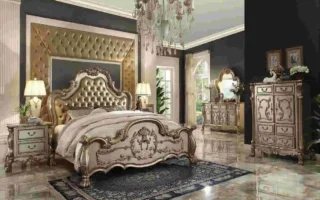
The bed is the star of the show. Whether you prefer a platform bed for a modern look or a grand upholstered headboard for a touch of luxury, the placement is key. Try to place your bed against the longest wall, ideally with a clear view of the door but not directly in line with it. This creates a sense of security and balance.
Supporting Pieces and Layouts
Nightstands are more than just a place to put your phone. They should be roughly the same height as your mattress for easy access. If you have the space, a bench at the end of the bed adds a high-end hotel feel and gives you a place to sit while putting on shoes.
For couples, symmetry is your friend. Having matching nightstands and lamps on both sides of the bed makes the room feel organised. For singles or kids, you might play with a floating bed layout or tuck the bed into a corner to create more floor space for a desk or play area.
Your Bedroom Must-Have Checklist:
- The Bed: Choose a size that allows at least 2 feet of walking space around it.
- Nightstands: Aim for 24-28 inches tall.
- Dresser: Ensure the drawers have enough “swing room” to open fully.
- Lighting: Use warm-toned bulbs to help your brain get ready for sleep.
- Rug: A soft carpet under the bed makes cold mornings much easier.
- Window Treatments: Blackout curtains are a must for quality rest.
- Full-Length Mirror: Great for checking outfits and bouncing light around.
- Accent Chair: A “reading nook” corner makes the room feel like a suite.
- Storage Bins: Keep the “clutter” hidden under the bed or in the closet.
- Personal Touch: A few photos or a piece of art that makes you smile.
Dining Room Furniture Design: Gather and Savour in Style
The dining room is a place for celebration. Whether it’s a casual Tuesday dinner or a big holiday feast, the furniture should encourage people to stay and talk long after the food is gone.
Choosing the Right Table Shape
The shape of your table can actually change how people interact. Round tables are fantastic for intimacy because everyone can see each other. They are perfect for small groups. Rectangular tables are the traditional choice for larger families and formal gatherings.
If you live in a smaller home, look for extendable tables. They stay small for daily use but can grow when guests arrive. Nesting chairs or benches can also be tucked under the table to save space after dinner.
Beyond the Table: Buffets and Lighting
A buffet or sideboard is a brilliant addition. It gives you a place to store extra plates and serves as a “drink station” during parties. And don’t forget the chandelier! It should hang about 30 to 34 inches above the table surface to provide plenty of light without blocking anyone’s view.
Table Sizing Guide for SEO and Planning
Table ShapeDimensions (Approx.)Seating CapacityBest For
Round 48 inches 4 People Small, cosy spaces
Round 60 inches , 6-8 people, social interaction
Rectangular 60-72 inches 6 People Standard dining rooms
Rectangular 84-96 inches 8-10 People Large gatherings
Square 36-44 inches 4 People Modern apartments
Home Office Furniture Design: Boost Productivity in Your Personal Workspace

With more people working from home than ever, the home office has become a crucial part of room-by-room furniture design. It needs to be a place where you can focus, but it shouldn’t feel like a sterile cubicle.
The Power of the Desk
Your desk is your command centre. An L-shaped desk is excellent if you use multiple monitors or need space for both a computer and paperwork. If you find yourself sitting for hours, consider a standing desk. Switching between sitting and standing can keep your energy levels up throughout the day.
Ergonomics is Non-Negotiable
Please, do not work from your sofa all day! Your back will thank you for investing in an adjustable ergonomic chair. Look for one with lumbar support and armrests. Also, make sure your monitor is at eye level so you aren’t constantly looking down, which can strain your neck.
Managing the Mess
Nothing kills productivity like a tangled mess of wires. Use cable management tools, such as clips and boxes, to keep your cords organisedorganised. Acoustic panels are another growing trend for 2026—they look like cool wall art but actually help dampen sound, which is perfect if you have a noisy household during Zoom calls.
Bathroom Furniture Design: Spa-Like Serenity on a Budget
You might not think of “furniture” when you think of a bathroom, but the pieces you choose can turn a standard washroom into a relaxing spa.
Storage Solutions that Look Great
A floating vanity is a popular choice because it shows more floor space, making a small bathroom feel much larger. If you need more storage, look for mirrored cabinets or linen towers. These tall, slim pieces use vertical space without crowding the room.
Small Space Solutions
If your bathroom is tiny, over-toilet shelving is a lifesaver. It provides a spot for candles, extra towels, or plants without taking up any floor space. For a touch of luxury, add a small wooden stool next to the tub—it’s the perfect place for a book or a glass of wine.
Best Waterproof Materials for Bathroom Furniture:
- Teak Wood: Naturally water-resistant and brings a warm, organic feel.
- Stainless Steel: Sleek, modern, and straightforward to clean.
- Treated Bamboo: Eco-friendly and handles humidity well.
- High-Pressure Laminate: Budget-friendly and comes in hundreds of styles.
Kids’ Room and Guest Room Furniture Design: Versatile and Fun
These rooms often need to be the most flexible spaces in the house. One day, the guest room is a quiet spot for Grandma, and the next it’s a temporary playroom.
Designing for Growing Kids
The key to a great kids’ room is modular furniture. Look for beds that can grow from toddler to twin size, or desks with adjustable heights. Bunk beds are a classic for a reason—they save space, and kids love them! Just make sure they have secure anchors and rounded edges for safety.
The Flexible Guest Room
If your guest room doubles as an office or craft room, a Murphy bed or a trundle bed is a fantastic investment. These can be tucked away when you don’t have visitors, giving you back your floor space. A simple console table can serve as a desk during the day and a vanity for guests at night.
Hallway, Entryway, and Outdoor Furniture Design: Don’t Forget the Transitions
The areas between your rooms are just as important as the rooms themselves. They set the tone for the rest of your home.
Making an Entrance
Your entryway is the first thing people see. A slim console table with a mirror above it creates an instant sense of style. Add a small bench or ottoman, so people have a place to sit while taking off their shoes. This keeps the rest of your house cleaner, too!
Taking it Outside
Your patio or balcony is an extension of your living space. Choose weatherproof seating that invites you to sit and relax. A small fire pit or a set of outdoor string lights can make your backyard feel like a five-star resort. Remember to use mirrors in narrow hallways to add depth and make the transitions feel less cramped.
General Room-by-Room Furniture Design Tips for Every Home
As we wrap up this guide, there are a few “universal truths” that apply to every single room in your house.
The Power of Anchors
Rugs and lighting act as anchors. They define the “zones” in your house. Even in an open-concept home, a well-placed rug can tell you exactly where the living room ends and the dining room begins.
Designing on a Budget
You do not need to spend a fortune to have a beautiful home. Second-hand flips are a great way to get high-quality furniture for a fraction of the price. A fresh coat of paint or new hardware on an old dresser can make it look brand new. Also, consider upcycling—that old ladder could become a very cool bookshelf!
Sustainability Matters
Whenever possible, choose pieces made from eco-friendly woods or recycled materials. Not only is it better for the planet, but these pieces often have more character and tell a more interesting story than mass-produced items.