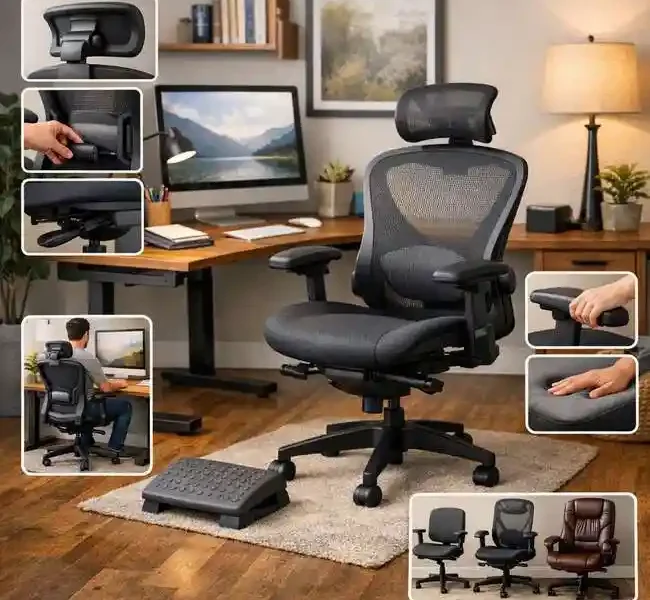
Introduction: Why the Right Chair Matters
Choosing the right office chair for your home office or your office is one of the most important decisions you can make for your daily comfort and long-term health. Many people spend long hours sitting at a desk, and poor seating habits often lead to back pain, stiff necks, and tired shoulders. This is why understanding ergonomic office chairs is essential. These chairs are designed to support your body and help you maintain a natural posture. They reduce strain on your muscles and joints. They also help you stay comfortable throughout the day. In this guide, you will learn how to choose an ergonomic chair that suits your needs. You will also understand what features matter most and how small adjustments can make a big difference. With the right chair, you can work better, feel better, and avoid unnecessary discomfort.
Understanding What Makes a Chair Ergonomic
Before choosing a chair, you need to understand what “ergonomic” really means. An ergonomic chair is designed to fit the shape and movement of your body. It should support your spine, hips, arms, and legs in a natural way. It should also allow you to adjust the height, backrest, and seat position. The goal is to keep your body aligned and reduce stress points. When looking at ergonomic office chairs, focus on how well they support the lower back. Lower back pain is one of the most common problems for office workers. The chair should follow the natural curve of your spine. It should not push you forward or let you slump backwards. Also, think about how the seat feels. It should be soft enough to sit comfortably but firm enough to support your weight. A good ergonomic chair keeps you upright and relaxed without effort.
Key Features to Look For in an Ergonomic Office Chair
There are several features that matter when choosing the right chair. The first is height adjustment. Your feet should rest flat on the floor with your knees at a right angle. This helps reduce pressure on your legs and lower back. The second feature is lumbar support. The lower part of the chair should fit the curve of your back. It should not be too high or too low. This support prevents slouching and keeps your spine in a healthy position. The next feature is the seat depth. You should be able to sit back comfortably with a small gap between the back of your knees and the seat edge. This helps with blood flow. Armrests also matter. They should support your arms without making your shoulders lift. Adjustable armrests are ideal because everyone’s body is different. A good ergonomic chair also has a backrest that tilts. This allows you to change your position during the day. Slight movement prevents stiffness.
Choosing a Chair That Matches Your Body
Every person has a different body shape. This means that not every chair fits everyone. When looking at ergonomic office chairs, try to find one that matches your height and build. If you are tall, choose a chair with a higher backrest. If you are shorter, look for a chair with a seat that lets your feet reach the floor comfortably. People with broader hips may need a wider seat. People with narrow frames may prefer a slimmer one. The goal is to find a chair that feels natural. You should not feel squeezed, unsupported, or forced into an unnatural position. Try adjusting the chair before buying. Sit down and move the levers. Adjust the height. Change the backrest angle. Test the armrests. If the chair still feels comfortable after several minutes, it is likely a good fit. If anything feels awkward, it may not be the right chair for you.
Practical Tips for Everyday Comfort
Even the best chair needs correct use. Start by adjusting the height so your feet rest flat on the ground. Keep your back against the backrest. Use the lumbar support to support the curve of your lower spine. Avoid leaning forward for long periods. If you use armrests, keep your elbows close to your body. Your shoulders should feel relaxed. Try to change your sitting position every hour. Stand up for short breaks. Stretch your legs and move your neck gently. This prevents stiffness and improves blood flow. Place your screen at eye level so you do not bend your neck. Keep your keyboard close so you do not overstretch your arms. These small habits help you get the most from ergonomic office chairs and keep you comfortable throughout the day. A chair can support you, but you must also support yourself with good posture.
Conclusion: Making the Right Choice Matters
Choosing the right ergonomic chair is an investment in your well-being. It helps you stay comfortable and reduces the risk of long-term pain. By understanding what makes a chair ergonomic and knowing which features matter most, you can make a smart, informed choice. Look for proper support, good adjustability, and a design that matches your body. Use your chair correctly and take regular breaks to stay active. With the right habits and the right chair, you can work more comfortably every day. Ergonomic office chairs play a key role in maintaining good posture and promoting healthy work routines. A well-chosen chair will support you today and protect your health in the future.