Building your own wooden house can be one of the most rewarding and fulfilling experiences. Imagine creating a home that reflects your personal style, is eco-friendly and cost-effective, and exudes natural charm. Wooden houses have been cherished for centuries, not only for their aesthetic appeal but also for their durability and sustainability.
Why Choose a Wooden House?
Benefits of Wooden Houses
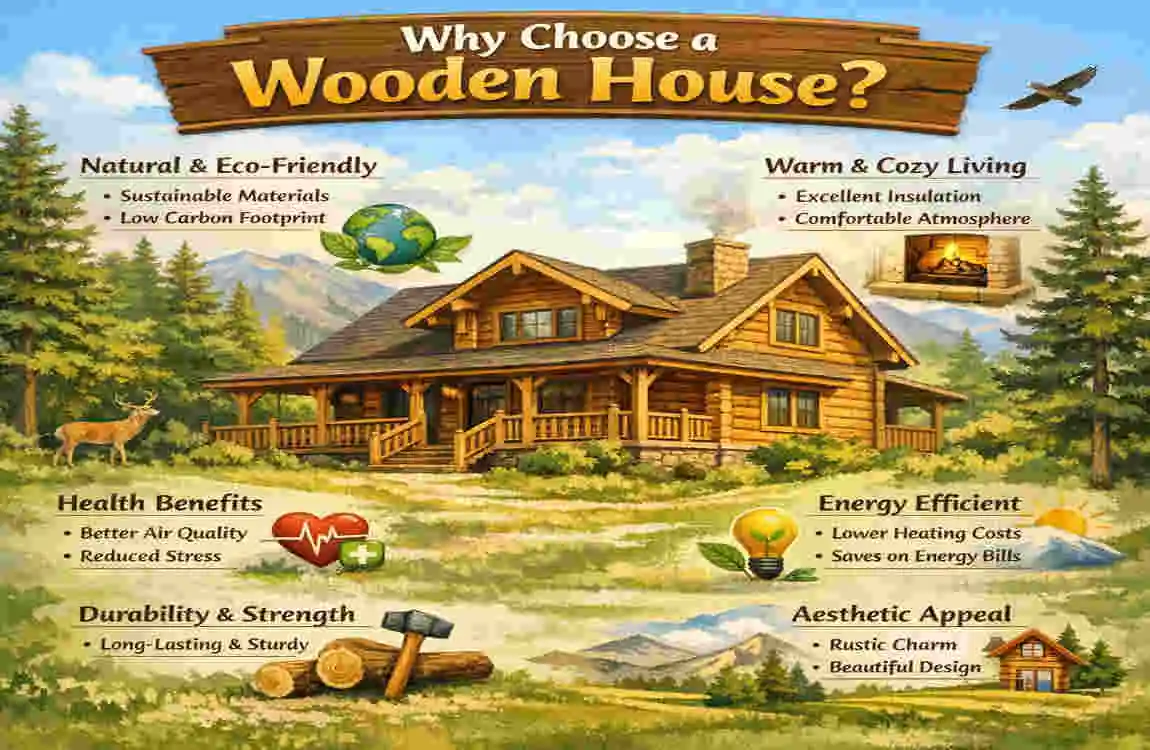
When considering home construction, a wooden house stands out for several reasons:
- Energy Efficiency and Insulation: Wood is a natural insulator, helping to maintain indoor temperatures. This means lower energy bills and a more sustainable home.
- Eco-Friendliness: Wood is a renewable resource, especially when sourced from sustainable forests. It also has a lower carbon footprint compared to materials like concrete or steel.
- Aesthetic Appeal: Wooden houses have a timeless charm. Their natural textures and warmth create a cosy and inviting atmosphere.
Cost Comparison
Compared to traditional brick or concrete houses, wooden houses are often more affordable. They require less labour-intensive construction processes and can be completed more quickly, reducing overall expenses. Plus, if you’re learning how to build a wooden house yourself, you can save significantly on labour costs.
Planning Your Wooden House Project
Research and Inspiration
Start by gathering ideas. Platforms like Pinterest, home design magazines, and architecture blogs are excellent sources of inspiration. Decide on the type of wooden house you’d like to build—whether it’s a log cabin, timber-frame home, or modular design. Each style has its unique features and construction methods.
Setting a Budget
Budgeting is a critical step. Factors influencing the cost include:
- The type and quality of wood.
- Tools and equipment.
- Permits and legal fees.
- Labour costs (if hiring professionals).
Tips for cost-effective planning:
- Reuse materials where possible.
- Compare prices from multiple suppliers.
- Stick to your budget to avoid overspending.
Choosing the Right Location
Your dream home’s location plays a vital role in its durability and functionality. Here’s what to consider:
- Soil Testing: Ensure the ground is stable and suitable for construction.
- Climate Considerations: Choose wood types and designs that can withstand local weather conditions.
Hiring Professionals or DIY?
This decision depends on your skills, budget, and time. Pros of hiring professionals include expertise and faster completion, while a DIY approach gives you full control and potential savings. Either way, building a wooden house requires careful planning and preparation.
Gathering Materials and Tools
Selecting the Right Wood
Choosing the right wood is essential for a sturdy, long-lasting home. Common options include:
- Cedar: Naturally resistant to rot and insects.
- Pine: Affordable and easy to work with.
- Oak: Strong and durable, suitable for structural elements.
Key factors to consider:
- Durability.
- Availability in your region.
- Cost.
Essential Tools for Building a Wooden House
Here’s a list of must-have tools:
- Saws: Circular, jigsaw, and hand saws for cutting wood.
- Drills: For precise holes and fastening.
- Hammers and Nail Guns: For framing and assembling.
- Measuring Tools: Tape measures, levels, and squares for accuracy.
Investing in high-quality tools ensures efficiency and reduces the risk of setbacks.
Sourcing Sustainable Materials
Opt for eco-friendly, certified wood, such as that labelled by the Forest Stewardship Council (FSC). Many suppliers now offer sustainably sourced materials, supporting responsible forestry practices.
Designing Your Wooden House
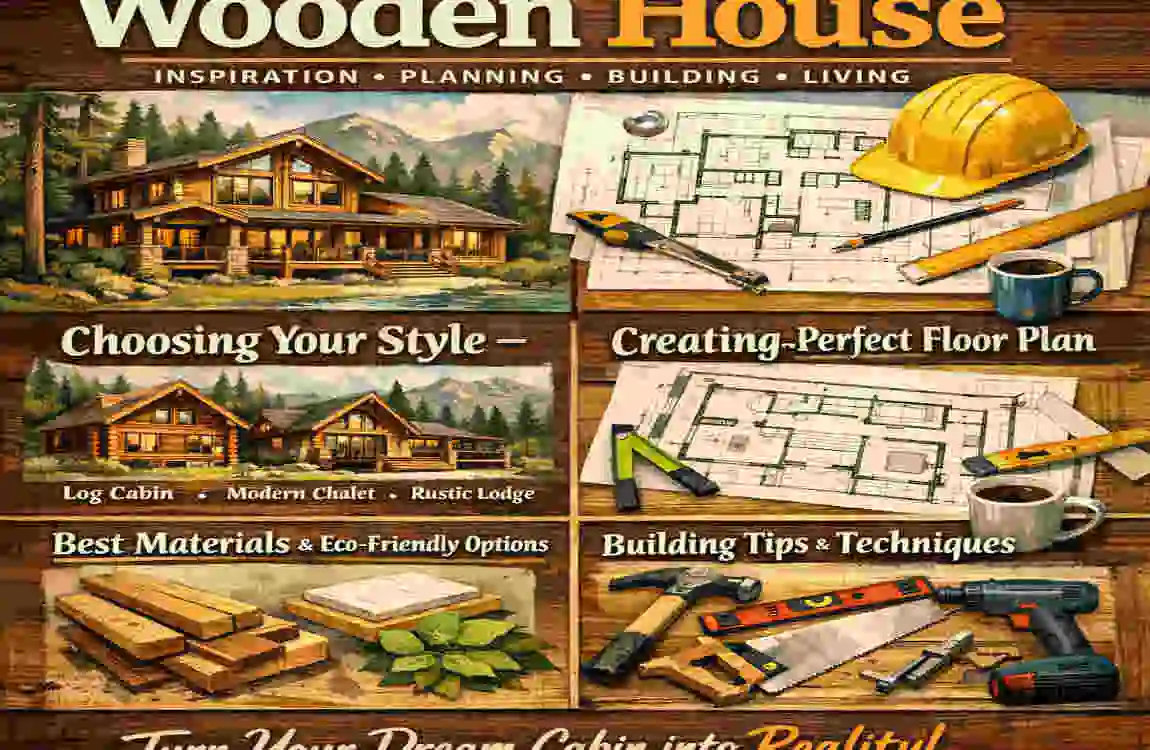
Working with an Architect or Using Pre-Designed Plans
Collaborating with an architect can help you bring your vision to life while ensuring structural integrity. Alternatively, pre-designed plans are a budget-friendly option that provide ready-to-use layouts.
Key Design Considerations
When designing your wooden house:
- Maximise Space: Use open floor plans and multi-functional areas.
- Incorporate Energy-Efficient Features: Add solar panels, double-glazed windows, and proper insulation to reduce energy consumption.
Permits and Building Codes
Securing permits and complying with local building codes are non-negotiable. Research your area’s regulations to avoid delays or fines during construction.
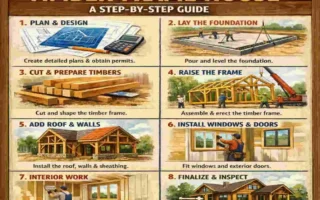
Step-by-Step Guide to Building a Wood House
Site Preparation
- Clear and Level the Land: Remove debris and vegetation.
- Choose a Foundation: Options include slabs, crawl spaces, or basements.
Framing the Structure
- Start with wall framing and ensure proper alignment.
- Install roof trusses for structural support.
Installing Insulation and Roofing
- Choose insulation materials that suit your climate.
- Add roofing that complements your wooden house, such as shingles or metal.
Adding Exterior Finishes
- Use wood panels or shingles for siding.
- Paint or stain the wood to protect it from weather damage.
Interior Work
- Install flooring, doors, windows, and fixtures.
- Customise interiors to match your personal style.
Maintenance and Longevity Tips
Protecting Your Wooden House
Preventing issues such as rot, mould, and pests is crucial. Regularly seal and stain your wood to maintain its integrity.
Seasonal Maintenance Checklist
Spring: Check for water damage. Summer: Inspect and repair roofing. Fall: Clear gutters and prepare for winter. Winter: Ensure proper insulation.
Upgrading and Renovating Over Time
As your needs evolve, consider adding modern features or expanding your space.
Common Mistakes to Avoid
- Skipping the planning phase.
- Using untreated or low-quality wood.
- Ignoring local building codes and permits.
- Overlooking routine maintenance.
Avoiding these mistakes ensures a smoother journey as you learn to build a wooden house.
Inspirational Examples of Wooden Houses
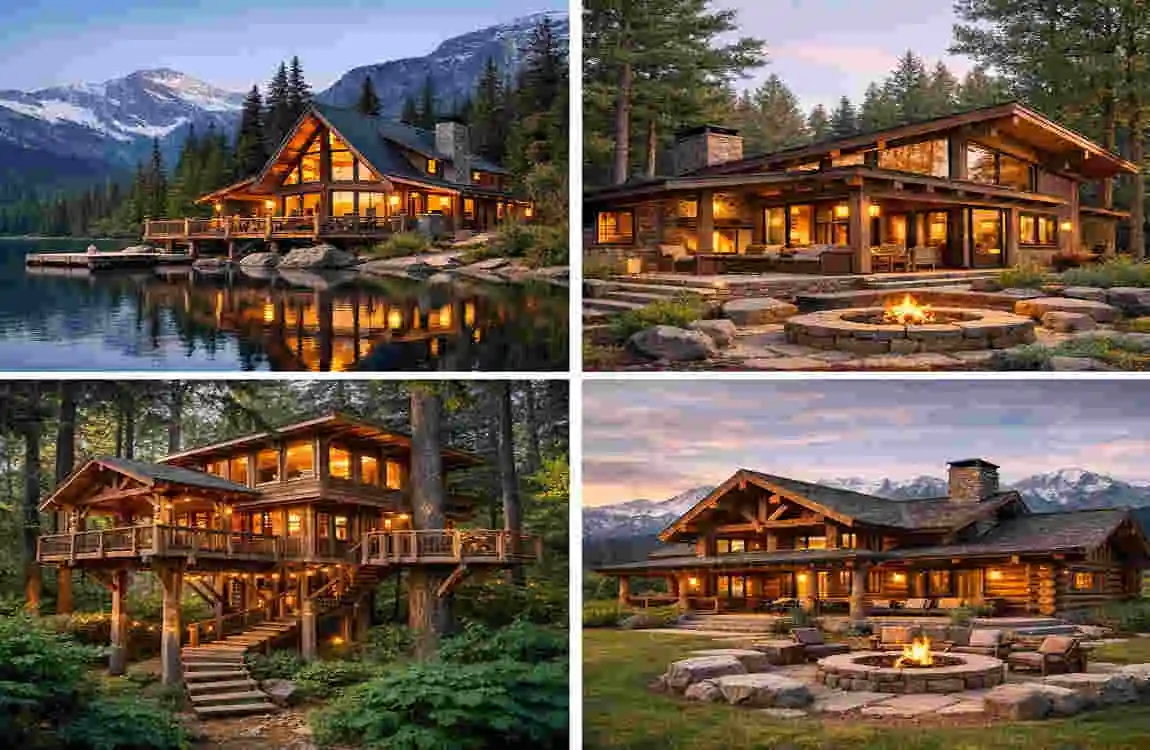
- Modern Log Cabin: Features large windows, an open floor plan, and eco-friendly materials.
- Rustic Timber Frame Home: Showcases exposed beams and a cosy fireplace.
- Contemporary Modular Design: Combines sleek lines with natural wood tones.
FAQ: How to Build a Wood House
Q: What is the first step in building a wood house?
A: Start with thorough planning, including designing your layout, setting a budget, and choosing a suitable location.
Q: What type of wood is best for building a house?
A: Durable and weather-resistant woods like cedar, pine, and oak are commonly recommended.
Q: Do I need a building permit to construct a wood house?
A: Yes, always check with your local authorities and obtain necessary permits before starting construction.
Q: Can I build a wood house myself or should I hire professionals?
A: It depends on your skill level; DIY is possible for experienced builders, but professionals ensure safety and compliance.
Q: How do I protect my wooden house from pests and weather damage?
A: Use treated wood, apply sealants or stains regularly, and maintain proper insulation and ventilation.
Q: How long does it typically take to build a wood house?
A: Construction time varies but generally ranges from a few months to over a year depending on size and complexity.
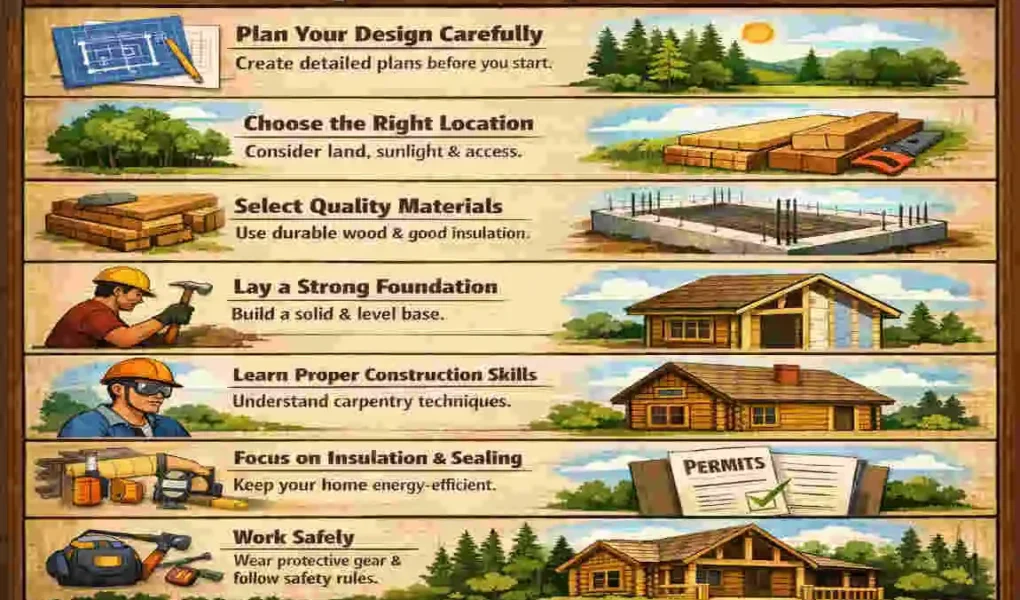
| Tip | Description |
|---|---|
| Choose the Right Wood | Select durable, weather-resistant wood like cedar or pine. |
| Plan Thoroughly | Design your layout, budget, and timeline carefully before starting. |
| Prepare the Site Properly | Clear, level, and test the soil to ensure a strong foundation. |
| Follow Building Codes | Obtain necessary permits and adhere to local regulations. |
| Use Quality Tools | Invest in reliable tools to make construction smoother and safer. |
| Insulate and Seal Well | Proper insulation and sealing protect from weather and pests. |
| Regular Maintenance | Schedule seasonal checks to prevent rot, mold, and damage. |
| Avoid Common Mistakes | Don’t rush, use treated wood, and always follow safety guidelines. |