Building a house is one of the biggest financial decisions most people will ever make. It is exciting, personal, and full of choices, but it can also be stressful if you do not know what to expect. The average cost to build a house can vary widely depending on where you live, the size of the home, the materials you choose, and the people you hire.
| Aspect | Typical range (U.S., per sq ft) | Typical range (Pakistan, per sq ft) |
|---|---|---|
| Basic construction cost | $150 – $195 per sq ft | ≈ PKR 2,500 – 4,000 per sq ft (grey‑plus‑basic‑finish) |
| Mid‑range (standard finishes) | $180 – $240 per sq ft | ≈ PKR 4,000 – 6,000 per sq ft (good tiles, fixtures, doors) |
| High‑end (premium finishes) | $250 – $350+ per sq ft | ≈ PKR 6,000 – 9,000+ per sq ft (imported tiles, A‑grade marble, AC, fancy fixtures) |
| 1,500 sq ft single‑story home | ≈ $270,000 – $360,000 total | ≈ PKR 6–10 million for a basic‑mid‑range house (area dependent) |
Many homeowners start with a rough idea of their budget but quickly realize that construction costs include far more than wood, bricks, and labor. You also need to consider land, permits, utility hookups, design changes, and hidden expenses that may arise along the way.
What Is the Average Cost to Build a House?
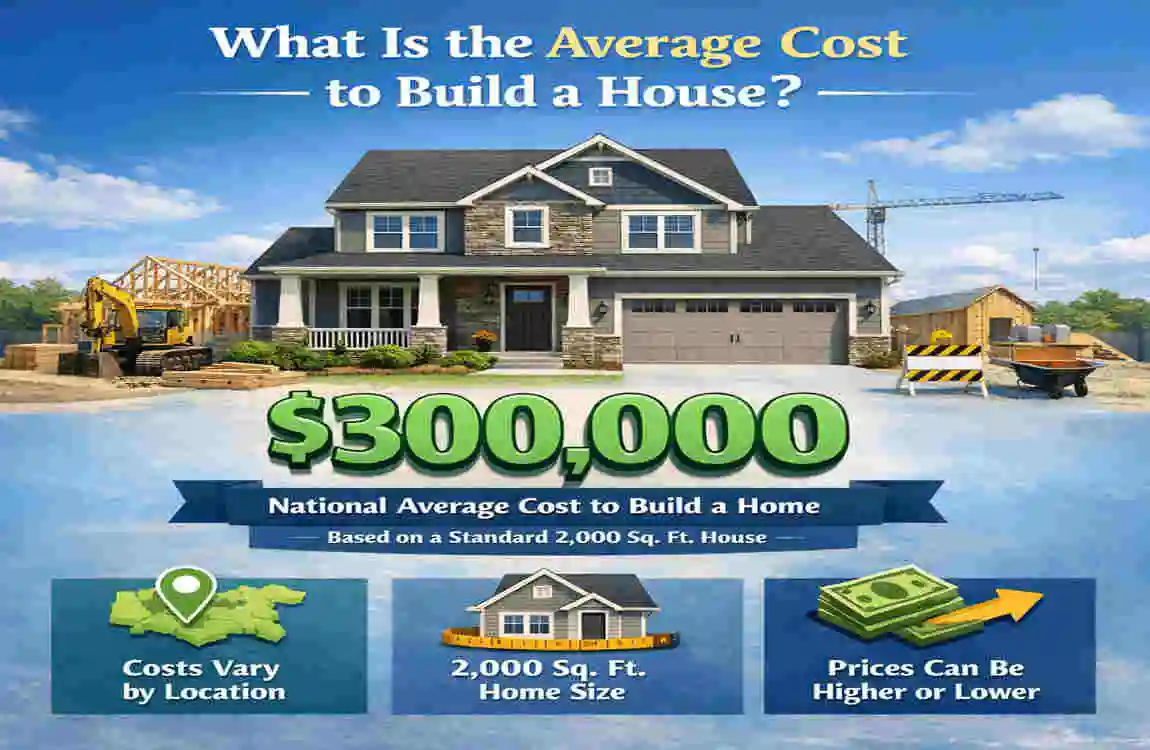
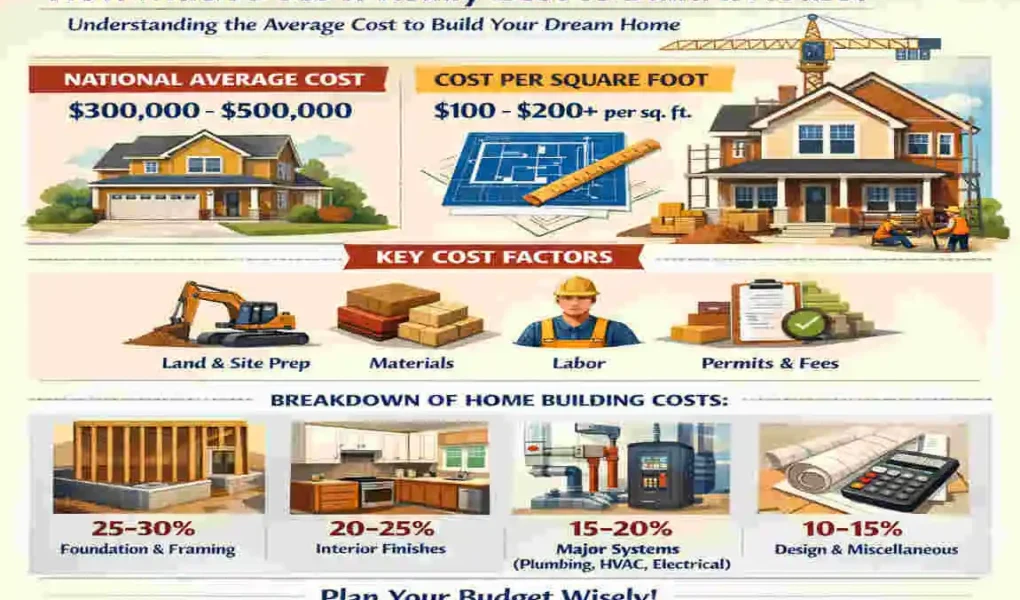
The average cost to build a house depends on the type of home you want and where you build it. In general, many homes fall in a broad range of $150 to $300 per square foot, but that number can rise or fall based on local market conditions.
A basic home with simple finishes will usually cost less than a custom home with luxury upgrades. For example, a small house may be affordable if you keep the layout simple. At the same time, a large home with complex design features can quickly become expensive.
Typical Cost Ranges by Home Size
Home Size Estimated Cost Range Notes
1,000 sq ft $150,000–$300,000 Good for smaller builds and basic finishes
1,500 sq ft $225,000–$450,000 Common for starter or family homes
2,000 sq ft $300,000–$600,000 A popular mid-size option
3,000+ sq ft $450,000–$900,000+ Larger homes often include more upgrades
These numbers are estimates, but they provide a helpful starting point for planning your home construction expenses.
Key Factors That Affect the Average Cost to Build a House
Several things shape the final cost of your home build. Some are easy to control, while others depend on your location or the condition of the land.
Location and Land Prices
Where you build matters a lot; land in a city or high-demand suburb usually costs more than land in a rural area. Labor costs can also be higher in expensive regions, and site preparation may be more difficult if the land is rocky, sloped, or poorly drained.
Home Size and Layout
The bigger the home, the more you spend on materials and labor. But size is not the only issue. A simple one-story home may be easier and cheaper to build than a larger multi-story house with stairs, extra framing, and more structural work.
Design Complexity
Custom homes often cost more because they require special plans, unique finishes, and more detailed work. A complicated roofline, an unusual floor plan, or a custom architectural style can raise costs quickly.
Building Materials
The materials you choose can significantly affect the budget. Brick, wood, steel, and concrete all have different price points. Some are more durable, while others are more budget-friendly. Your choice will affect both the upfront cost and long-term maintenance.
Cost Breakdown of Building a House
When you look at the full price of a new home, it helps to break it into parts. This makes it easier to see where your money is going.
Main Cost Areas
- Land purchase: Depends on location, lot size, and access to utilities
- Site preparation: Includes clearing, leveling, excavation, and drainage
- Foundation: Slab, crawl space, or basement options
- Framing: Structural wood and labor for the home’s structure
- Roofing: Shingles, tile, or metal roofing choices
- Exterior finishes: Siding, brick, paint, and trim
- Interior finishes: Flooring, cabinets, countertops, and painting
- Mechanical systems: Plumbing, electrical, and HVAC
Simple Cost Breakdown Table
Category: What It Covers, Cost Impact
Land Lot purchase and clearing can be low or very high
Site work , grading, excavation, drainage , often overlooked
Foundation Slab, crawl space, or basement , Large early-stage cost
Framing Structure and labor Major construction expense
Roofing , Roof materials, and installation vary by material
Interior finishes : floors, cabinets, paint, counters . Easy to overspend on
Mechanical systems , plumbing, wiring, heating, cooling , essential and costly
This table shows why the cost of building a house is not just about the visible parts of the home. The hidden work underneath matters just as much.
Labor Costs vs Material Costs
Labor and materials are the two biggest pieces of the budget. In many cases, labor takes up a large share because skilled workers are needed for framing, wiring, plumbing, and finishing.
How Labor Impacts Total Construction Price
If labor is in short supply in your area, contractor rates may be higher. Experienced crews usually charge more, but they often do better work and finish faster. That can save you money in the long run.
Material Inflation Trends
Building materials do not stay at one price for long. Lumber, steel, and cement can rise or fall depending on supply, demand, and market conditions. Even small changes can affect your final bill.
Which Costs More?
In many projects, labor and materials are close. Still, labor can often become the larger share when the design is complex. For simpler builds, material costs may stand out more clearly.
Average Cost to Build a House Per Square Foot
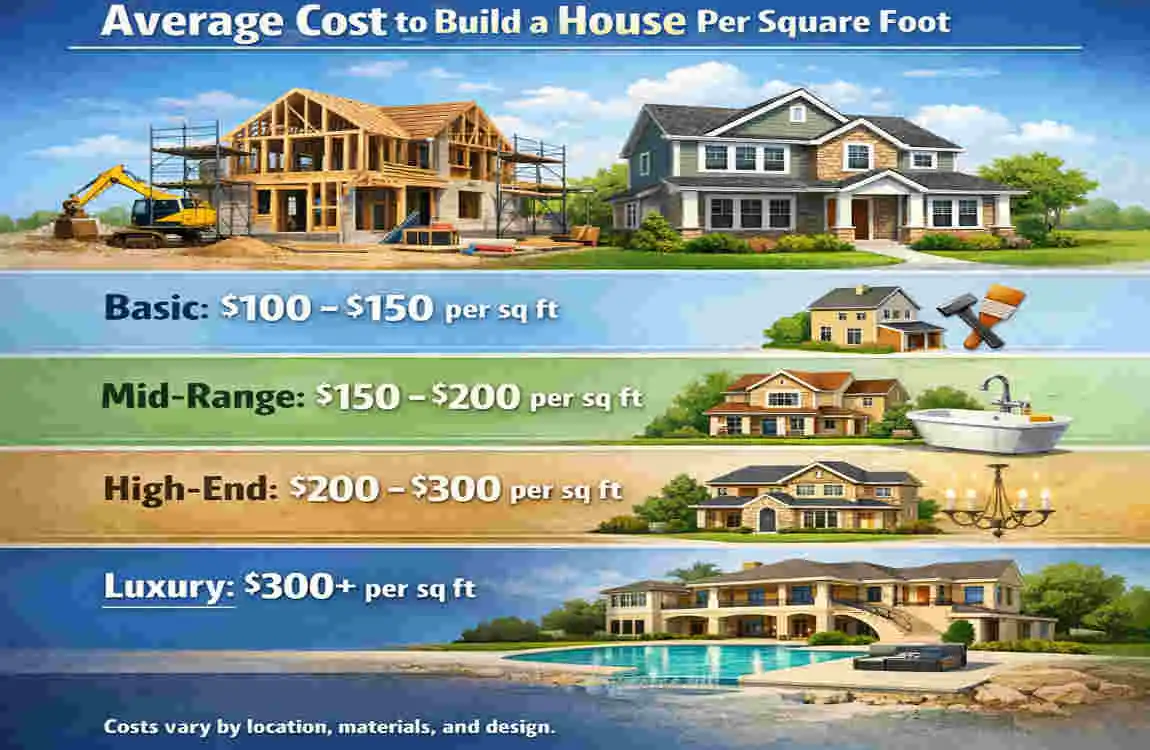
The cost per square foot to build a house is one of the easiest ways to estimate your budget. It gives you a quick picture of how much space you can afford.
Entry-Level Homes
These homes use basic finishes and simple designs. They are usually the most affordable choice and work well for homeowners who want function over luxury.
Mid-Range Homes
This is where many families land. Mid-range homes usually include standard materials, decent finishes, and a balanced design that looks good without being overly expensive.
Luxury Homes
Luxury builds cost much more because they often include custom details, high-end materials, premium appliances, and larger living spaces.
Quick Comparison by Size
- 1,000 sq ft: Lower total cost, easier to manage
- 1,500 sq ft: Balanced size for many households
- 2,000 sq ft: Common family home size
- 3,000+ sq ft: Higher cost, more customization, more maintenance
The best way to plan is to match your budget with the size and finish level you really need, not just what looks appealing on paper.
Hidden Costs Many Homeowners Forget
Many budgets fail because people only plan for the obvious costs. In reality, several hidden items can push the total higher.
Common Hidden Costs
- Permits and legal fees for zoning and approvals
- Utility hookups for water, sewer, electricity, and internet
- Landscaping and driveways
- Temporary housing while the home is being built
- Unexpected delays caused by weather, shortages, or design changes
These extras can add up fast. That is why it is smart to keep a backup fund ready.
Is It Cheaper to Build or Buy a House?
This is one of the most common questions people ask. The answer depends on your goals and your local market.
Benefits of Building
Building gives you more control. You can choose the layout, materials, and features that matter most to you. New homes may also be more energy-efficient and need less maintenance in the early years.
Benefits of Buying
Buying is usually faster. You can move in sooner, and the price is often more predictable. You also avoid the risk of construction delays.
Simple Cost Comparison
If you compare the build vs. buy house costs, buying may look cheaper at first. But building can offer better long-term value if you want a custom home that fits your needs for years to come.
How to Reduce the Average Cost to Build a House
You do not have to cut quality to save money. A few smart choices can make a big difference.
Ways to Save
- Choose a simple floor plan to reduce framing and labor costs
- Build smaller but smarter by using space efficiently
- Use cost-effective materials and avoid unnecessary upgrades
- Compare contractor quotes before making a decision
- Build in the right season to reduce weather delays
Even small savings in several areas can lower the overall budget in a meaningful way.
Financing a Home Build
Most people do not pay for an entire build in cash. Instead, they use financing to manage the cost.
Construction Loans
A construction loan is a short-term loan that helps cover the building phase. Funds are usually released in stages as the project moves forward.
Mortgage Conversion
After the home is complete, many homeowners move from the construction loan into a regular mortgage.
Budgeting Tips
Always keep a 10% to 20% buffer for surprises. A backup fund can protect you from stress when costs change unexpectedly.
Common Mistakes to Avoid When Building a House
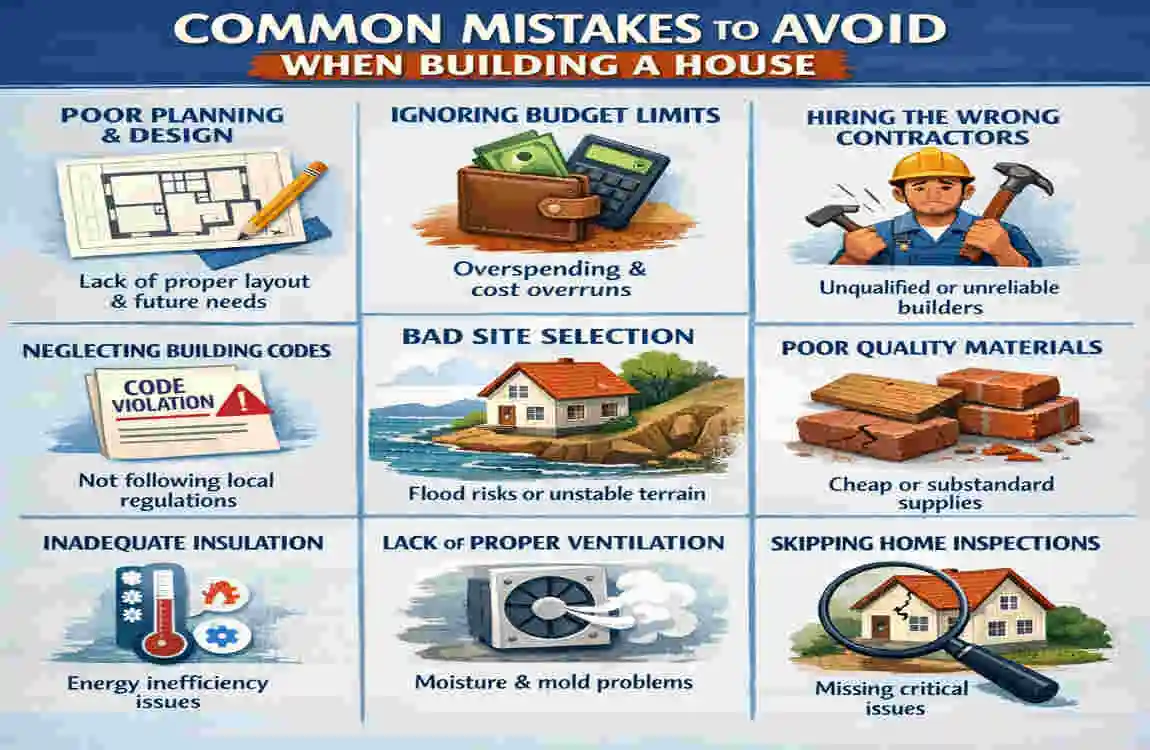
Building a house takes planning. A few common mistakes can create expensive problems later.
- Underestimating costs
- Ignoring permit requirements
- Hiring unverified contractors
- Making too many changes mid-project
- Not planning for future needs
If you avoid these mistakes, you will have a much smoother building experience.
Future Trends in House Construction Costs
The way homes are built is changing. New ideas are shaping future pricing and design choices.
What Is Changing
- Smart homes are becoming more common
- Sustainable materials are getting more attention
- Modular and prefab homes may reduce labor time
- Energy-efficient construction can lower long-term bills
These trends may help homeowners save money in the long run, even if some upgrades cost more upfront.
FAQ
What is the average cost to build a house per square foot?
It often ranges from $150 to $300 per square foot, depending on location, materials, and finish quality.
Is it cheaper to build a house than buy one?
Sometimes, but not always. Building may cost more upfront, especially if land and labor are expensive.
What is the biggest expense when building a home?
Usually, labor, framing, and foundation work take the largest share of the budget.
How much extra budget should I keep?
A good rule is to save 10% to 20% for unexpected costs.
How long does it take to build a house?
Most homes take about 6 to 12 months, depending on design, weather, and contractor availability.