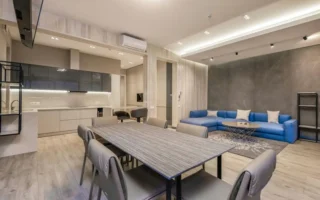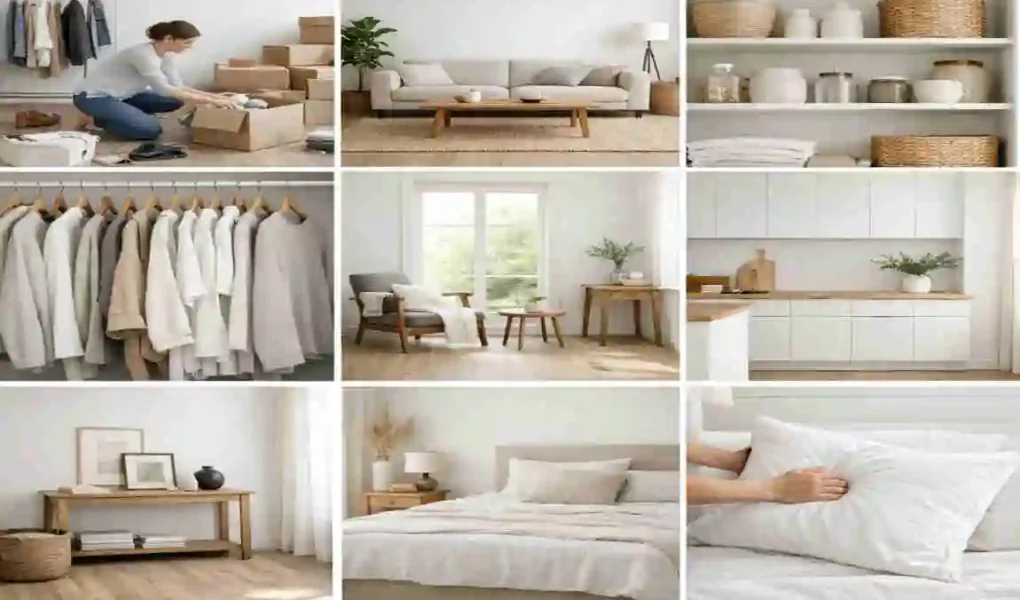
Have you ever walked into your living room after a long day of work, looked around, and felt your heart sink? Maybe it is the pile of mail on the counter, the kids’ toys scattered across the rug, or that shelf filled with knick-knacks you do not even like anymore. You are not alone. In fact, studies show that nearly 80% of people feel overwhelmed by the amount of clutter in their homes. This “visual noise” does more than look messy; it actually raises our stress levels and makes it harder to relax.
If you have been feeling the weight of your belongings, you might be wondering how to build a minimalist home. Minimalism is not about living in a cold, empty white box with one chair and a single spoon. It is about making single room for what truly matters. It is a design philosophy that prioritises functionality over decoration and quality over quantity. In 2026, as our lives become more digital and our schedules more packed, the need for a peaceful sanctuary is higher than ever.
What Is a Minimalist Home and Why Build One?
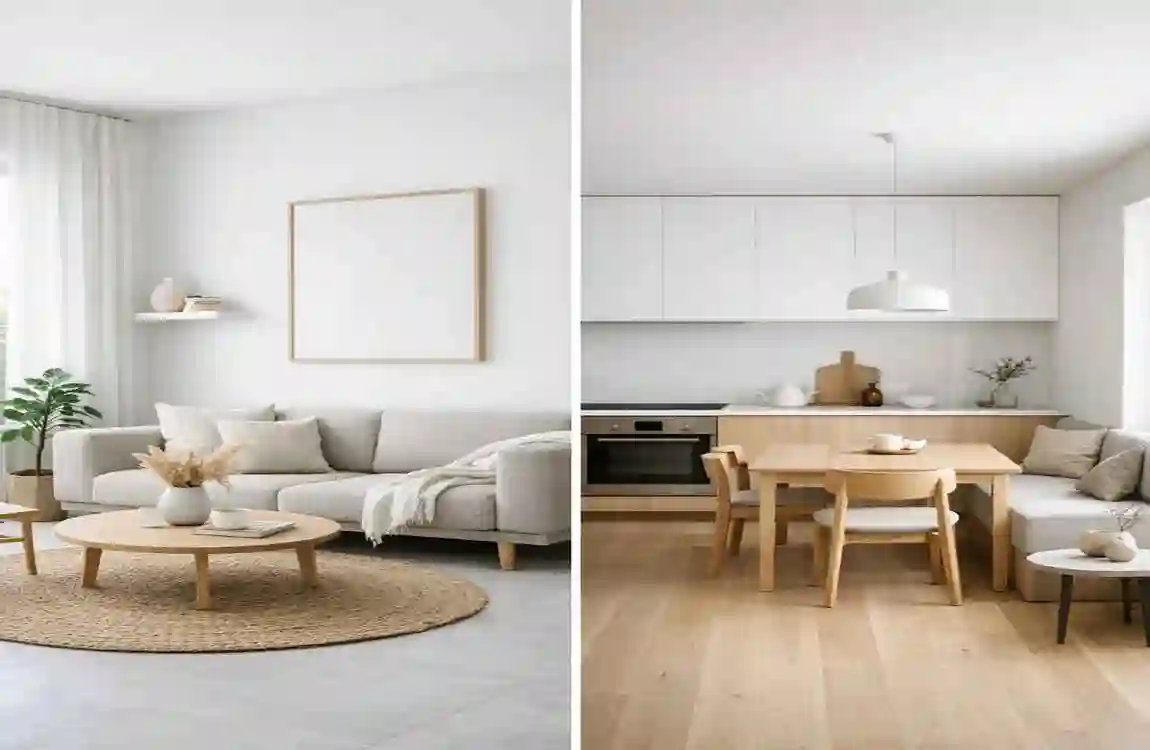
Before we pick up a single moving box, let’s talk about what we are actually trying to achieve. A minimalist home is a space designed with intention. Every piece of furniture, every colour on the wall, and every item on the shelf has a reason for being there. It is the art of “less is more,” but with a modern, stylish twist.
The Core Elements of Minimalist Design
When you think of a minimalist space, think of neutral palettes, multi-functional furniture, and open spaces. You want your eyes to be able to travel across a room without getting “stuck” on piles of stuff. It is about creating a sense of flow. We use natural materials like wood, stone, and linen to add warmth so the house feels cozy rather than clinical.
The Real-World Benefits
Why bother doing this? Aside from looking like a page out of a high-end magazine, building a minimalist home has massive mental health benefits. When you have fewer things to clean, organise, and worry about, you regain your time. People who live in minimalist spaces often report lower stress levels and better sleep. Plus, from a financial standpoint, you stop wasting money on “fast decor” that ends up in a landfill. You invest in pieces that last a lifetime, thereby increasing your property’s long-term appeal.
Debunking the Myths
A common myth is that minimalism is boring or “sterile.” That could not be further from the truth! Building a minimalist home is actually a way to highlight your personal style. Instead of hiding your favourite painting behind a dozen cheap posters, you give that painting its own wall. It becomes a focal point. In 2026, we are seeing a shift toward eco-minimalism—using sustainable materials and smart technology to make life easier without adding physical clutter.
Step-by-Step Guide: How to Build a Minimalist Home
Ready to get started? Transforming your home does not happen overnight, but by following these ten steps, you can make steady progress without feeling burnt out.
Declutter Ruthlessly
The very first thing you must do is get rid of the “extra.” You cannot organise your way out of having too much stuff. Many people love the KonMari method, in which you hold an item and ask whether it “sparks joy.” If it doesn’t, it’s time to let it go.
Start room by room. Set up three boxes: Keep, Donate, and Trash. Be honest with yourself. If you haven’t used that kitchen gadget in two years, you probably won’t use it in the next two. Use simple apps to help you track what you have, but the goal here is to remove it physically. The more you clear out, the more your home’s “bones” will start to show.
Define Your Minimalist Style
Minimalism is a broad umbrella. Do you like the warm woods and soft textures of Scandinavian design? Or are you more into Japandi, which mixes Japanese simplicity with rustic Nordic vibes? Maybe you prefer Modern Minimalism, which features sharp lines and high-contrast colours like black and white.
Take some time to create a mood board. Look at pictures and see what resonates with you. This prevents you from buying random items later that don’t fit the “vibe” of your new home. Having a clear vision is the secret to a cohesive look.
Choose a Neutral Colour Palette
Colour is the foundation of your home’s mood. To build a minimalist home that feels spacious, stick to neutral shades. Whites, creams, soft greys, and earth tones are your best friends. These colours reflect light, making even small rooms feel much larger.
When you paint your walls a light colour, you create a “blank canvas.” You can then add pops of colour with small items, such as a throw pillow or a piece of art. This keeps the room from feeling overwhelming. Pro tip: Use different textures of the same colour (like a white wool rug on a white tiled floor) to add depth without adding “noise.”
Invest in Multi-Functional Furniture
In a minimalist home, every piece of furniture should earn its keep. If you are buying a coffee table, why not get one with hidden storage inside? If you have a rarely used guest room, consider a high-quality sofa bed instead of a permanent bed.
This is where you should spend your budget. Instead of buying five cheap chairs, buy two beautiful, sturdy chairs that will last ten years. Look for pieces with “clean lines”—meaning they don’t have many extra carvings or busy patterns. This maintains the room’s visual flow, keeping it smooth and uninterrupted.
Maximise Natural Light and Space
Light is a minimalist’s secret weapon. A bright room always feels cleaner and more open than a dark one. To maximise light, try using sheer curtains instead of heavy drapes. Position mirrors opposite windows to bounce sunlight into the darker corners of the room.
Think about your furniture layout, too. Avoid pushing all your furniture against the walls, which can sometimes make a room feel “boxy.” Leave space for people to walk freely. If a piece of furniture is blocking a walkway, it’s probably too big for the space.
Curate Quality Over Quantity
This step is all about changing your shopping habits. Adopt the “one in, one out” rule. If you buy a new pair of shoes, you must donate one old pair. This prevents the “clutter creep” that happens over time.
When you do need to buy something, look for sustainable and high-quality materials. Check second-hand markets or local artisans. A hand-carved wooden bowl is much more “minimalist” than a pack of ten plastic ones. It’s about surrounding yourself with items that have a story and a soul.
Organise with Hidden Storage
The secret to those “perfect” minimalist homes you see online is hidden storage. You still have “stuff”—like remote controls, chargers, and paperwork—you don’t see it. Use under-bed bins, wall-mounted floating shelves, and decorative baskets to tuck away the daily essentials.
The goal is to keep your “flat surfaces” (like countertops and dining tables) as clear as possible. When a surface is clear, your brain perceives the whole room as clean. It gives you a sense of calm every time you walk into the kitchen.
Incorporate Greenery Sparingly
A minimalist home can sometimes feel a bit “still.” To bring it to life, add some houseplants. Plants act as living art. They add a pop of natural colour and even help clean the air.
However, don’t turn your living room into a jungle. Pick two or three low-maintenance plants, like a Snake Plant or a Monstera, and place them in simple, sustainable pots. One large plant in a corner often looks much more stylish than five small ones cluttered on a windowsill.
Add Personal Touches Mindfully
Minimalism is not about erasing your personality. It is about curating it. If you love travelling, choose your three favourite photos and display them in matching frames for a small gallery wall. If you have a family heirloom, give it a place of honour where it can be seen.
The key is to avoid “cluttering” your personality. Instead of displaying fifty travel souvenirs, display the one that means the most to you. This makes your home feel like your home, not a hotel room.
Maintain the Minimalist Lifestyle
Building a minimalist home is a journey, not a destination. It requires a weekly routine. Spend 15 minutes every Sunday evening putting things back in their “homes.” Use habit-tracking apps to remind yourself to do a quick declutter once a month.
Remember, your home is a living space. It will get messy. The beauty of minimalism is that, with fewer things, it only takes a few minutes to get everything back to perfection. It’s about staying mindful of what you bring across your threshold.
Minimalist Home Design Trends
As we move through 2026, minimalism is evolving. It is no longer just about “getting rid of stuff”; it is about intentional living. One of the biggest trends right now is Sustainable Minimalism. People are choosing materials like bamboo, cork, and recycled wood not just because they look good, but because they are better for the planet.
Another huge trend is Biophilic Design. This is a fancy way of saying “bringing the outdoors in.” Large windows, indoor water features, and natural stone textures are being used to create a bridge between our homes and nature. We are also seeing the rise of Smart Minimalism. This involves using technology (such as voice assistants or automated lighting) to eliminate the need for physical switches and bulky gadgets, keeping the walls clean and the surfaces clear.
Common Mistakes to Avoid When Building a Minimalist Home
Even with the best intentions, it is easy to fall into a few traps. Here are the most common mistakes people make:
- Buying “Minimalist Decor”: This is a paradox! You don’t need to buy a bunch of new things to look minimalist. Use what you have first.
- Ignoring Functionality: Don’t get rid of your microwave if you use it every day just because it “looks messy.” Find a way to hide it in a cabinet instead.
- Going Too Fast: If you declutter your whole house in one weekend, you might regret throwing away something important. Take it slow.
- Forgetting Comfort: A home is for living. If your minimalist sofa is rock hard and you hate sitting on it, it’s not a good design. Always prioritise comfort.
Budget Breakdown: How to Build a Minimalist Home Affordably
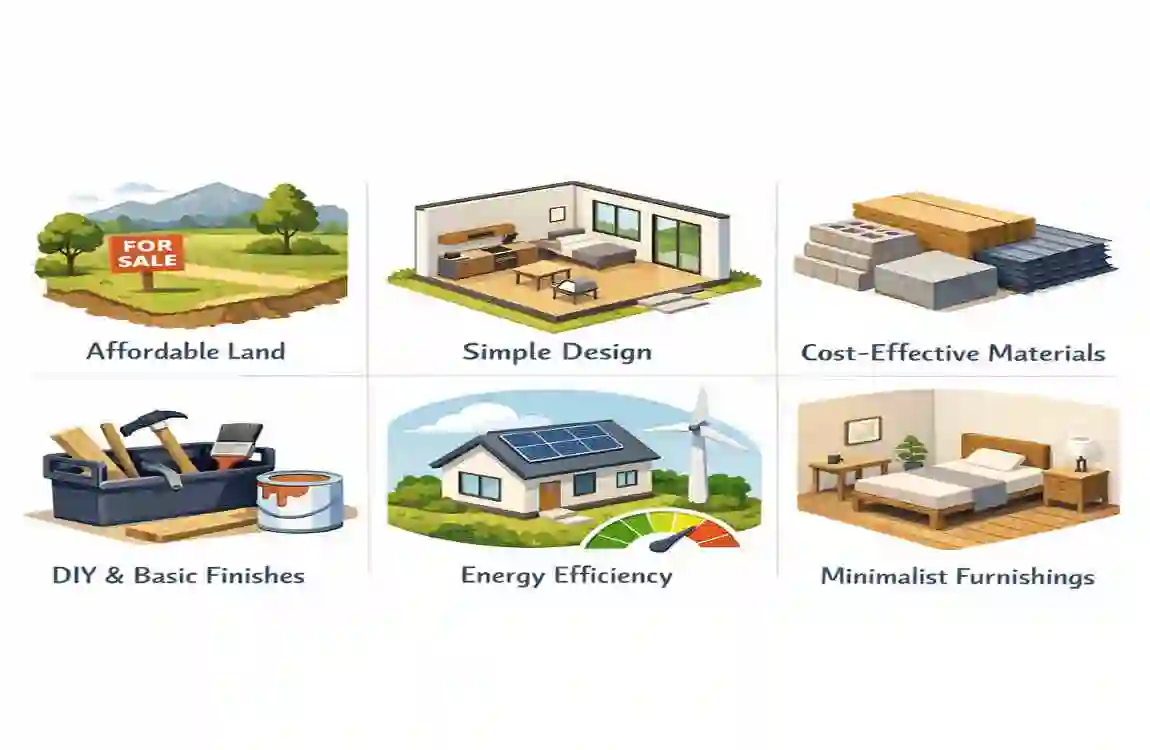
You might think that “high-end” minimalism is expensive, but it can actually save you money in the long run. By buying fewer things, you have more money to spend on the things that matter. Here is a rough estimate of what you might spend per room if you are starting from scratch or doing a major refresh.
Room Type Primary Focus Estimated Cost (Budget)Estimated Cost (Premium)
Living Room Quality Sofa & Hidden Storage $400 – $800 $2,000 – $5,000
Bedroom Bed Frame & Neutral Bedding $200 – $500 $1,500 – $3,000
Kitchen Organiser Bins & Uniform Jars $50 – $150 $300 – $700
Bathroom Bamboo Mats & Wall Shelves $30 – $100 $200 – $500
Home Office Minimalist Desk & Cable Mgmt $100 – $300 $800 – $1,500
FAQs: How to Build a Minimalist Home
How much does it cost to build a minimalist home?
It can actually cost zero dollars to start! Minimalism begins with removing things, which is free. If you choose to buy new furniture, the costs vary. Still, many people find they save money by stopping the impulse-buying of “impulse” and cheap items that break quickly.
Can I build a minimalist home in a small apartment?
Absolutely! In fact, minimalism is perfect for small spaces. By using multi-functional furniture and keeping surfaces clear, a tiny apartment can feel twice as large. Focus on vertical storage and light colours to open up the room.
What is the first step to building a minimalist home?
The very first step is decluttering. You cannot design a minimalist space until you know exactly what you are keeping. Start with a small area, like a bathroom cabinet or a junk drawer, to build your “decluttering muscle.”
Does a minimalist home have to be white?
Not at all. While white is popular because it reflects light, you can use any neutral palette. Soft greens, warm tans, or even dark charcoal greys can work beautifully in a minimalist home as long as the space remains uncluttered and functional.
Is minimalism hard to maintain with kids?
It can be a challenge, but it is actually easier in the long run. When kids have fewer toys, they tend to play more creatively and clean up faster. The key is having designated “hidden storage” for their items so the house can return to a calm state once they go to bed.